
Where to Buy Clay Soil for Grading: Your Ultimate Guide
Properly grading the land around your home’s foundation is one of the most critical jobs for preventing water damage. Get it wrong, and you risk water pooling against your foundation, leading to leaks, cracks, and costly repairs. The secret to successful grading lies in using the right material: a structural soil, often with significant clay content, that directs water away effectively.
But finding and buying the right type of clay soil isn’t as simple as grabbing a bag from the local garden center. That type of soil is designed for growing plants, not for protecting your home’s structural integrity. This guide breaks down exactly where to find high-quality clay soil for your grading project and how to ensure you’re getting the right material for the job.
You'll Learn About
Why Clay Soil is Critical for Proper Grading
When grading, the goal is to create a stable, impermeable slope that forces water to flow away from your foundation. Unlike topsoil, which is rich in organic matter and designed to absorb water, structural fill dirt needs to do the opposite. A soil with a good percentage of clay is ideal because its fine particles compact tightly, creating a dense barrier that water struggles to penetrate.
Using the wrong material, such as sandy soil or organic topsoil, can make your drainage problems worse. Sandy soil allows water to pass right through, while organic soils will decompose and settle over time, ruining your carefully crafted slope. Choosing a soil with the right structural properties is non-negotiable for a lasting solution.
Understanding “Clean Fill” vs. “Topsoil”
It’s crucial to know the difference between fill dirt and topsoil. Fill dirt is subsoil, composed of a mix of broken rock, sand, and clay. It contains little to no organic matter, which means it won’t settle or decompose over time, making it perfect for creating a stable grade. Topsoil, the upper layer of earth, is rich in organic material and designed to support plant life, making it unsuitable for structural projects.
When you’re searching for grading material, you want what’s often called “clean fill” or “structural fill.” This means it’s free of debris, large rocks, and organic matter like roots and leaves. A soil mix with a balanced amount of clay and silt is often considered the best for grading around a house, as it compacts well and diverts water effectively.
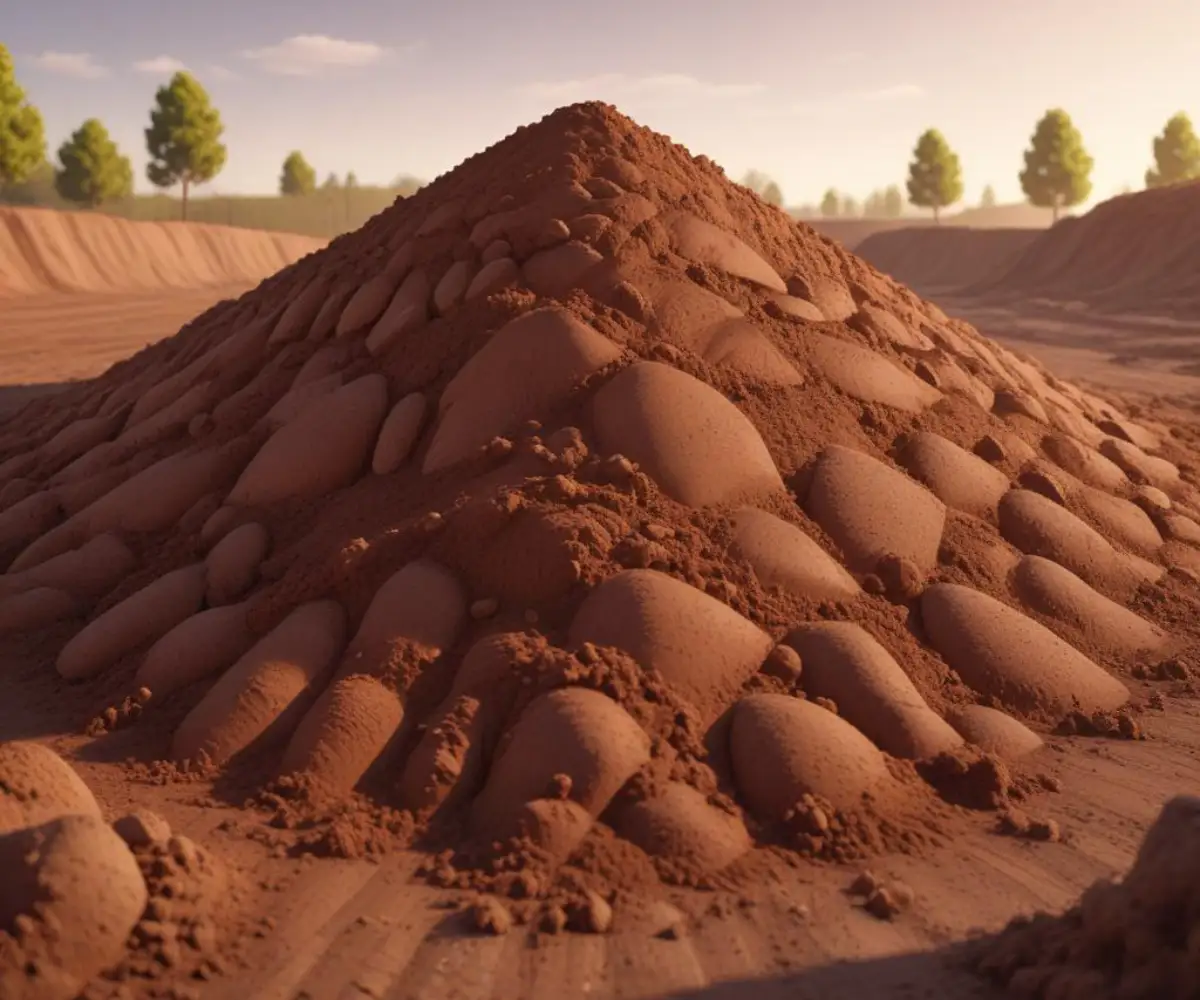
Top Sources for Buying Clay Soil in Bulk
When you need a significant amount of soil for a grading project, buying in bulk is the most cost-effective option. Bagged products from big-box stores are not practical or economical for this purpose. Here are the best places to source bulk clay soil.
1. Local Landscape and Garden Supply Centers
These businesses are often the first stop for homeowners and contractors. They typically sell various bulk materials, including different grades of topsoil, mulch, and, most importantly, fill dirt. When you call, be very specific that you need structural or clay-based fill dirt for grading, not garden soil.
Ask if their fill dirt is screened, which means it has been filtered to remove large rocks and debris. While unscreened dirt is cheaper, screened dirt is much easier to work with and provides a more uniform finish. Many suppliers can deliver large quantities directly to your home via dump truck.
2. Excavation and Construction Companies
Construction and excavation projects often generate a surplus of subsoil that is perfect for grading. Companies are often looking for a place to offload this excess dirt to avoid paying disposal fees. You can often get high-quality fill dirt from these sources for a low cost or even for free if you can arrange your own transportation.
Contact local excavation companies and ask if they have any clean fill available from current or recent projects. Be prepared to ask about the soil’s composition to ensure it has the clay content you need. This is a great way to acquire a large volume of material economically.
3. Quarries and Sand or Gravel Pits
Quarries are another excellent source for structural materials. In addition to crushing rock and producing gravel, many quarries also have reserves of clay and other subsoils suitable for use as fill. The material from these sources is typically very consistent in quality since it comes from a single geological deposit.
You can expect to find clean, high-quality material at a quarry, though you will likely need to arrange for trucking yourself. Contact local quarries and ask about their options for “clay fill” or “earthen fill” materials. This is a professional-grade source used for large civil engineering projects.
4. Online Marketplaces and “Free Dirt” Services
Websites like Craigslist, Facebook Marketplace, and specialized services like DirtMatch connect people who have excess dirt with those who need it. It is possible to find free fill dirt through these platforms, but you must be extremely cautious. The quality can vary wildly, and “free” dirt could come with hidden problems.
If you pursue this option, always insist on inspecting the soil before agreeing to take it. Look for signs of contamination, such as chemical smells, discoloration, or debris like concrete, asphalt, or trash. Getting contaminated soil can create a massive headache and potential environmental liability, so vet the source carefully.
Key Questions to Ask Your Soil Supplier
Before you place an order, arm yourself with the right questions. This will ensure you get the material you need and avoid costly mistakes. A reputable supplier should be able to answer these questions confidently.
- What is the soil’s composition? Ask for the percentage of clay, silt, and sand. For grading, a mix with a higher percentage of clay is often preferable.
- Is the fill dirt screened? Screened dirt is easier to spread and compact. If it’s unscreened, ask about the typical size of rocks or debris.
- Where did the soil come from? Knowing the origin can help you avoid soil from potentially contaminated industrial sites.
- Can I see a sample or a photo? A visual inspection can tell you a lot about the quality and consistency of the material.
- What are the delivery costs and minimum order quantities? Delivery fees can significantly impact the total cost, so get a full quote upfront.
Using the wrong soil for grading is a mistake that can have serious consequences. For instance, soil that is too organic can decompose and settle, creating negative drainage that leads to issues like basement leaks around pipes. On the other hand, using a high-quality structural clay ensures water is shed away from your home’s foundation.
Comparing Your Clay Soil Sourcing Options
Making the right choice depends on your budget, project size, and willingness to coordinate logistics. Each source has its advantages and disadvantages.
| Soil Source | Pros | Cons |
|---|---|---|
| Landscape Supplier | Convenient, delivery available, consistent quality. | Can be more expensive than other sources. |
| Excavation Company | Often low-cost or free, large quantities available. | Quality can be inconsistent; you may need to arrange transport. |
| Quarry | High-quality, certified material, very consistent. | May require you to hire a trucking company for delivery. |
| Online/Free Sources | Potentially free material. | High risk of contamination or poor quality; requires careful vetting. |
Beyond the Dirt: The Importance of Professional Soil Testing
For critical applications like supporting a foundation or building a large retaining wall, relying on visual inspection alone might not be enough. The structural properties of soil can be scientifically measured to ensure stability and proper compaction. This is where geotechnical engineering and soil testing come into play.
Tests like the Standard Proctor Compaction Test determine the optimal moisture content at which a soil type will achieve its maximum density. Another key metric is the Plasticity Index (PI), which measures the range of moisture content over which the soil remains in a plastic, workable state. A soil with a suitable PI is ideal for grading because it can be effectively compacted to create an impermeable layer that resists water penetration and erosion.
While a homeowner might not need to commission a full geotechnical report for a simple regrading project, understanding these concepts helps you ask more informed questions. When speaking with a commercial supplier or quarry, asking about the soil’s compaction characteristics or its suitability for structural fill can signal that you are a knowledgeable buyer and help ensure you receive a higher-quality product.
Avoiding a Costly Mistake: It’s Not Just Garden Soil
The biggest mistake homeowners make is confusing structural fill with garden soil. The bags of soil you buy for your flower beds, like Miracle-Gro Garden Soil, are engineered with organic matter to retain water and provide nutrients. Using this material for grading would be a disaster, as it would hold water against your foundation and quickly decompose, leading to settlement and negative drainage.
Proper grading is a structural task, not a gardening one. The soil you choose must be evaluated based on its physical properties—its ability to compact, remain stable, and shed water. Taking the time to source the right clay-based fill dirt will protect your home from water damage for years to come, while choosing the wrong material can lead to seeing alarming signs like piles of dirt around your foundation, indicating a much larger problem is brewing.
