
When to Order Dahlia Tubers: The Secret to a Stunning Garden
Every gardener dreams of a yard bursting with the complex, vibrant blooms of dahlias. The problem is, securing the most stunning and sought-after varieties isn’t as simple as a spring trip to the nursery. The secret to a breathtaking dahlia display begins months earlier, with a decision that stumps many: when is the right time to order dahlia tubers?
Timing this single task incorrectly can lead to disappointment. Order too late, and you’ll find your dream cultivars sold out. Order too early, and you could face the daunting task of keeping delicate tubers alive for months. This guide solves the dahlia dilemma, providing a clear roadmap to perfect timing for a garden filled with spectacular blooms.
You'll Learn About
Why Your Dahlia Tuber Order Timing is So Critical
Understanding the “why” behind dahlia ordering schedules transforms your approach from a guess into a strategy. Several critical factors are at play, each impacting your chances of success. It’s a delicate balance between availability, tuber viability, and your own garden’s timeline.
The most coveted dahlia varieties are not mass-produced commodities; they are grown by specialty farms with limited stock. These tubers go on sale in late fall or early winter and are often sold out within hours, long before most people are even thinking about spring planting. Furthermore, shipping these living tubers during the correct window is essential for their health, as extreme cold or heat can damage them in transit.
The High Stakes of Supply and Demand
The world of dahlias is driven by passionate breeders and equally passionate gardeners. When a new, spectacular variety is released, or an old favorite wins an award, demand skyrockets. Small farms, which are often the source of the most unique and healthy tubers, can only fulfill a finite number of orders.
This creates a competitive market where timing is everything. Waiting until spring is a recipe for settling for whatever is left over. By understanding the dahlia calendar, you position yourself to get the exact colors, forms, and sizes you envision for your garden design.
Aligning with Your Personal Planting Schedule
The ultimate goal is to have healthy, viable tubers ready to go into the ground after your last spring frost. Ordering tubers is just the first step in a larger process. Your personal timeline, dictated by your climate, is a crucial piece of the puzzle.
Receiving tubers in February when you can’t plant until late May means you are responsible for their safekeeping. This requires a solid storage plan to prevent them from rotting, drying out, or sprouting prematurely. Proper planning ensures your investment is protected from arrival to planting day.
The Dahlia Ordering Calendar: A Seasonal Breakdown
Dahlia tuber sales don’t happen all at once. They occur in distinct phases throughout the fall, winter, and spring. Knowing the pros and cons of buying in each window allows you to make an informed decision that best suits your goals and preparedness level.
Fall & Early Winter (October – January): The Early Bird Advantage
This is the prime time for dahlia connoisseurs and determined gardeners. Many specialty growers and small farms launch their much-anticipated sales during this period. This is your absolute best chance to acquire rare, new, and highly popular dahlia varieties.
The major advantage is, without a doubt, selection. You get first pick. The significant challenge, however, is storage. Most suppliers will not ship until winter’s coldest temperatures have passed, but some may, leaving you to store the tubers for several months. You must have a cool, dark place (like a basement or garage) that stays between 40-50°F (4-10°C).
Late Winter & Early Spring (February – March): The Prime Time
This window represents the sweet spot for the majority of home gardeners. The selection is still very good, with many suppliers holding back stock for this peak period. By ordering now, you dramatically reduce the time you’ll need to store the tubers before planting.
The risk of popular varieties being sold out is slightly higher, but the trade-off is convenience and reduced storage stress. Tubers ordered in this timeframe will typically arrive just a few weeks before your last frost date. This makes it a much more manageable process for those without perfect, long-term storage conditions.
Late Spring (April – May): The Last Chance Saloon
If you’ve waited this long, all is not lost, but your options will be limited. This is the time when you’ll find sales and clearances as suppliers look to move their remaining inventory. You can often get great deals on common but still beautiful varieties.
The primary drawback is the severely limited selection. The “must-have” dahlias of the season will be long gone. You must also be ready to plant immediately upon arrival, as the weather is warming and the tubers will be eager to sprout.
Key Factors That Influence YOUR Perfect Order Time
There is no single “best day” to order dahlias for everyone. The ideal time is a personal calculation based on your specific circumstances. Consider these factors carefully to pinpoint your perfect ordering window.
Your Climate and USDA Hardiness Zone
Your geographic location is the most important factor. A gardener in Zone 9 in California has a much longer growing season and an earlier last frost date than a gardener in Zone 4 in Minnesota. Know your last average frost date and count backward.
You want your tubers to arrive roughly 2-6 weeks before you can safely plant them outdoors. This gives you a buffer for any shipping delays or unexpected weather patterns while minimizing your storage time. Planning your garden tasks while winter is still around is a smart move. Just as you would make sure your snow thrower is ready for winter, you should have your tuber storage and planting plan ready for spring.
Desired Dahlia Varieties: Rare vs. Common
Are you hoping to grow the latest, most talked-about cultivar, like ‘Café au Lait’ was for many years? If so, you have no choice but to be an early bird. These trendy dahlias sell out exceptionally fast, often just from a supplier’s email list before they are even offered to the general public.
If, on the other hand, you are looking for classic, reliable performers, you have much more flexibility. You can comfortably wait for the prime-time window in late winter without much risk of missing out.
Your Home Tuber Storage Capabilities
Be brutally honest with yourself about your storage situation. Do you have an unheated basement, an insulated garage, or a root cellar that stays consistently cool and dark? If the answer is yes, you can confidently order in the fall.
If your only option is a heated room or a shed with fluctuating temperatures, you are gambling with your investment. In this case, wait until late winter or early spring to order. This ensures the tubers spend the majority of their dormant period in the supplier’s professional, climate-controlled facility, not your unpredictable spare room.
A Pro’s Checklist: Before You Click ‘Buy’
A successful dahlia season begins with a smart purchase. Before you finalize your order, run through this quick checklist to ensure you’re buying healthy tubers from a reputable source. This diligence pays off with vigorous plants and abundant flowers.
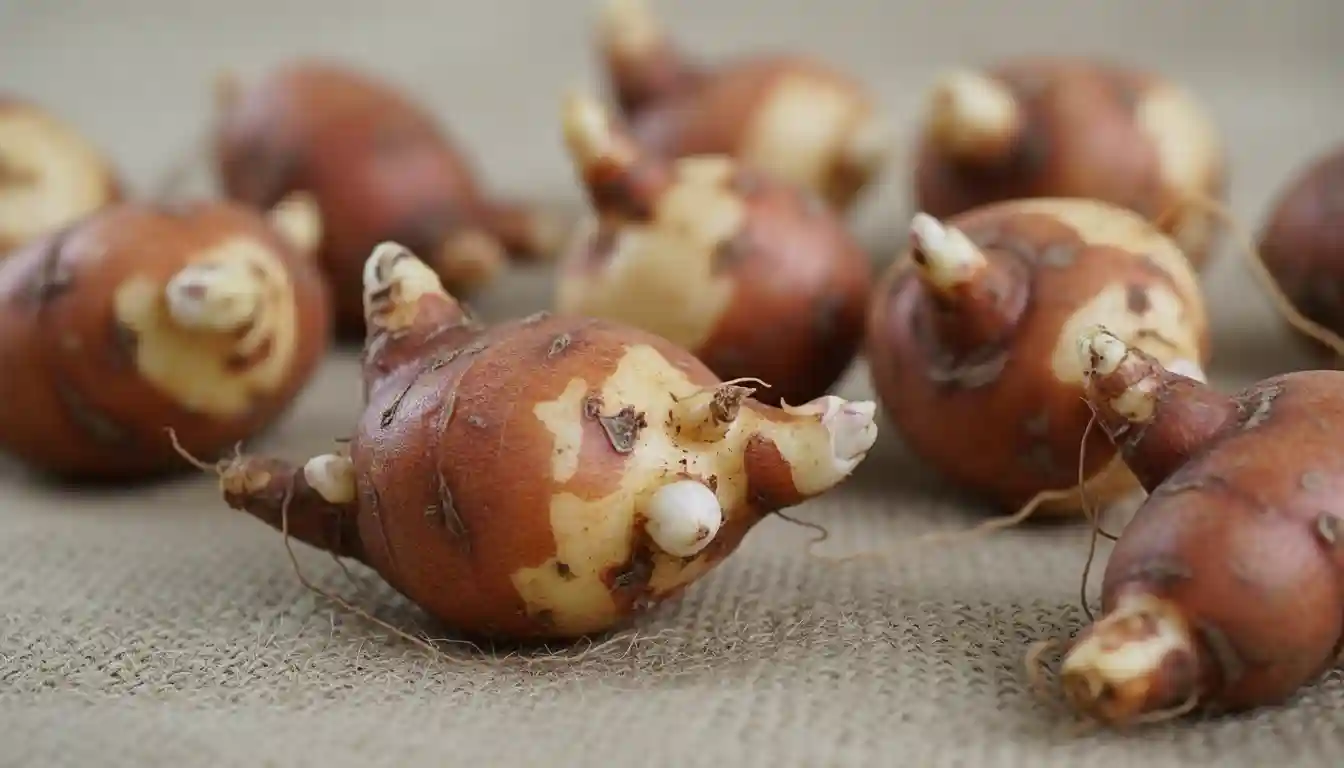
First, thoroughly research your potential suppliers. Look for customer reviews, photos, and an active social media presence. Reputable growers are proud of their stock and transparent about their practices. Next, familiarize yourself with what a healthy tuber looks like: it should be firm and plump, not withered or soft, and have a visible “eye” or sprout from the previous season’s growth.
Understanding Shipping Policies
Do not overlook the supplier’s shipping information. Most growers will clearly state that they ship based on your climate zone, beginning with the warmest zones first. They watch the weather carefully to avoid sending tubers into freezing conditions.
Take note of their shipping schedule. This tells you when to expect your delivery and helps you prepare your storage area. A good supplier invests in quality packing materials to protect the tubers during their journey.
Your Tubers Have Arrived! Now What?
The arrival of your dahlia tuber box is an exciting moment. What you do in the first 24 hours is critical for their survival. A careful inspection and proper storage setup will set them up for success.
The Unboxing and Inspection Process
Open your package immediately upon arrival. Carefully unpack the tubers from their packing material (such as peat moss, wood shavings, or vermiculite). Inspect each one individually.
Look for any signs of rot (soft, mushy spots) or significant desiccation (if they are extremely shriveled and lightweight). A little wrinkling is normal. Most importantly, locate the eye—a small, raised nub on the neck of the tuber where the new plant will grow. If a tuber is broken off from the neck and has no eye, it will not grow.
Proper Storage Until Planting Time
If you can’t plant for a few weeks, you need to store your tubers correctly. Place them back in a box or crate, nestled in a medium like slightly dampened peat moss or wood shavings. The goal is to keep them from drying out completely without being wet enough to rot.
The ideal storage environment is cool (40-50°F), dark, and with some humidity. Maintaining consistent humidity is key. Some gardeners use a small humidifier in their storage area, but this requires vigilance to ensure proper function and prevent issues like a clogged furnace filter, which can affect your home’s entire system.
The Hidden Risk of Ordering Too Early (And How to Avoid It)
While ordering early secures the best varieties, it comes with a significant, often undiscussed risk: the “storage gamble.” Holding onto dormant tubers for three or four months is a challenge even for experts. The tubers can wake up and sprout prematurely, break their dormancy, and exhaust their energy reserves before they even see the soil.
This creates a high-stress situation for the gardener. The solution is to have a robust storage plan before you even think about ordering. Know exactly where and how you will store them. Critically, align your order with a supplier who ships later in the spring, even if you place the order in the fall. Many growers allow you to request a later ship date, giving you the best of both worlds.
| Ordering Window | Pros | Cons | Best For |
|---|---|---|---|
| Fall / Early Winter (Oct-Jan) | Best possible selection; access to rare and new varieties. | Requires long-term, stable storage; high risk of rot or premature sprouting. | Experienced gardeners with ideal storage conditions (e.g., a root cellar). |
| Late Winter / Early Spring (Feb-Mar) | Great selection; much shorter storage time needed; lower risk. | Some popular varieties may already be sold out. | The majority of home gardeners. |
| Late Spring (Apr-May) | Potential for sales and discounts; no storage required (plant on arrival). | Very limited selection; risk of receiving poor quality leftovers. | Beginners or gardeners looking for budget-friendly fillers. |
Common Mistakes to Avoid When Ordering Dahlia Tubers
Navigating the dahlia market can be tricky. Avoiding these common pitfalls will save you time, money, and frustration, leading to a much more successful growing season.
- Waiting for Local Nurseries: Garden centers are great, but they typically offer a very limited range of common varieties, and the tubers have often been sitting in less-than-ideal retail conditions.
- Ignoring Reputable Online Growers: The best and healthiest tubers come from specialty farms that focus exclusively on dahlias. Do your research and order from the experts.
- Forgetting About Shipping Costs: Tubers can be heavy, and shipping can be expensive. Factor this into your budget when comparing prices from different suppliers.
- Not Knowing Your Last Frost Date: This is the cornerstone of your planting calendar. Ordering without knowing this date is like planning a road trip with no destination.
Frequently Asked Questions
Here are answers to some of the most common questions gardeners have about ordering and handling dahlia tubers.
Can I order dahlia tubers in the summer?
It is very uncommon to find dahlia tubers for sale in the summer. At that point in the season, growers are selling actively growing dahlia plants in pots, not dormant tubers. The tuber sales cycle restarts in the fall.
What if my tubers arrive with long sprouts?
If the sprouts are just an inch or two long, be very careful when handling and planting them. If they are very long and pale, they have expended a lot of energy in storage. You can still plant them, but they may be less vigorous. If a long sprout breaks off, a new one will often grow from the same eye, but it will set the plant back by a few weeks.
Is it better to order from big companies or small farms?
Both have their advantages. Large Dutch importers offer a huge variety and competitive prices, but the tubers may have been in storage and transit for a long time. Small, local farms often provide superior quality tubers that are better acclimated to your regional climate, and you are supporting a small business. Many gardeners find the best success with tubers from small, domestic growers.
Your Path to a Perfect Dahlia Garden Starts Now
The key to a garden overflowing with magnificent dahlias is strategic planning that begins long before the soil warms. By understanding the seasonal flow of the dahlia market, assessing your personal climate and storage capabilities, and choosing your ordering window wisely, you take control of the process.
The perfect timing is not a universal date on the calendar. It is a calculated decision that balances the desire for rare varieties with the practical reality of caring for your investment. Plan ahead, order with confidence, and prepare for your most spectacular dahlia season yet.
