Unlock Pro Designs: What Software Does Brick & Batten Use?
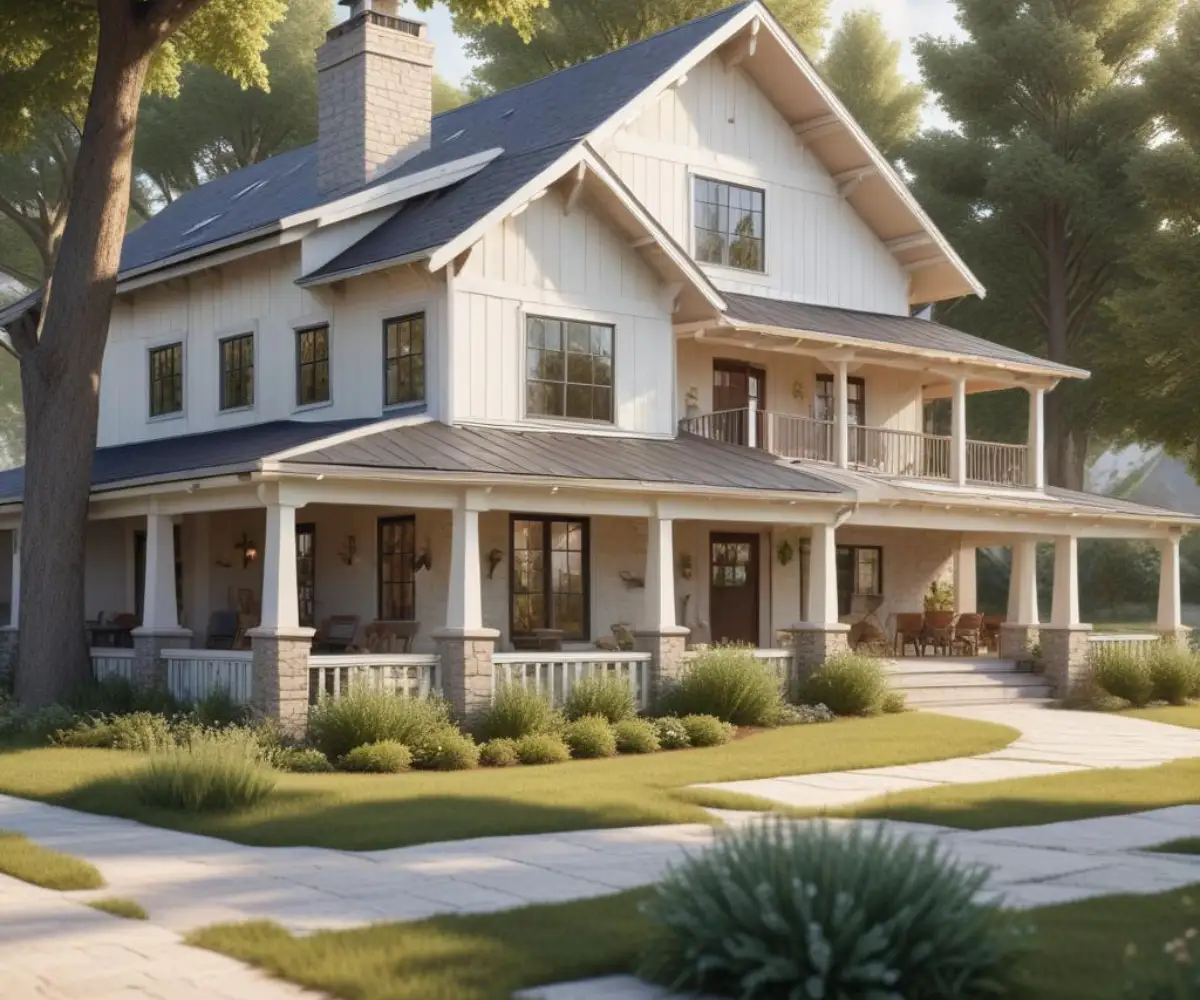
You’ve seen the stunning before-and-after photos. A drab, dated house is transformed into a modern masterpiece with seemingly magical ease. Companies like Brick & Batten have mastered the art of virtual exterior design, giving homeowners a photorealistic preview of their home’s potential. This leaves many wondering: what’s the secret? What software is behind these incredible transformations?
The desire to update a home’s exterior is often met with a paralyzing fear of making a costly mistake. Choosing the wrong paint color, siding, or architectural details can be a significant financial setback. This uncertainty is the core problem that services like Brick & Batten solve by providing a clear, visual roadmap before any demolition or construction begins.
You'll Learn About
The Designer’s Digital Toolbox Revealed
While Brick & Batten doesn’t publicly list their specific software suite, the realistic renderings they produce point to a sophisticated combination of tools, primarily centered around photo editing and manipulation. The most crucial piece of this puzzle is not a complex 3D modeling program, but rather a powerful 2D image editor.
The workhorse behind these digital makeovers is almost certainly Adobe Photoshop. This isn’t your average photo touch-up; professional designers use Photoshop to meticulously layer new elements onto a high-quality photograph of the existing house. They can change siding color, “install” new windows, add lighting fixtures, and even modify landscaping with incredible realism. The process involves skillfully cutting, masking, and blending textures and colors to create a seamless final image.
Why Photoshop is the Tool of Choice
The power of Photoshop for this application lies in its versatility. Unlike rigid 3D modeling software that requires building a model from scratch, designers can work directly on a photo of the actual home. This preserves the unique character and imperfections of the property, resulting in a more believable “after” photo.
Key techniques involve using layers to non-destructively add new elements. For example, a designer will isolate the siding, create a new layer, and apply a different color. They can then adjust the lighting and shadows on that layer to match the original photo perfectly. The same process applies to adding new doors, shutters, or even removing overgrown bushes to show off the home’s structure.
Can You DIY Your Home’s Exterior Design?
Seeing these professional results often sparks a desire to try it yourself. The good news is, you can! While mastering professional-grade software takes time, several user-friendly tools are available to help you visualize your home’s new look. The key is choosing the right software for your skill level and managing expectations.
Embarking on a DIY design project requires patience and the right digital tools. For homeowners looking to experiment with their property’s curb appeal, a variety of software options exist, from professional-grade applications to simpler, more accessible platforms. The journey from a basic photo to a stunning visualization is now more achievable than ever.
Getting Started: Your DIY Software Options
For those serious about achieving a high-quality result, learning a powerful program is the best path. Consider starting with GIMP, a free and open-source alternative to Photoshop. It offers similar powerful features like layers and advanced selection tools, making it an excellent choice for budget-conscious homeowners.
For a less steep learning curve, look into dedicated home design visualizers. Many manufacturers offer free tools, such as the Provia Visualizer or GAF’s Virtual Remodeler. These apps allow you to upload a photo of your house and experiment with the brand’s specific products, like siding, roofing, and doors. While less flexible than Photoshop, they are incredibly easy to use for basic color and material changes.
The Rise of AI in Exterior Design
A new wave of innovation is making design visualization even more accessible through Artificial Intelligence. AI-powered tools like Renovate AI and MyArchitectAI are changing the game. Users can upload a photo and use text prompts to see changes, such as “add a modern porch” or “change the siding to dark gray board and batten.”
These tools are incredibly fast and provide a fantastic starting point for ideas. While they may not offer the pixel-perfect control of manual editing, they excel at generating multiple concepts quickly, helping you discover design possibilities you might not have considered. This approach can be particularly useful in the early stages of planning your exterior renovation.
| Factor | DIY Exterior Design | Professional Service (e.g., Brick & Batten) |
|---|---|---|
| Cost | Low to moderate (software costs, if any) | High (service fees) |
| Time Investment | High (learning software and executing the design) | Low (submit photos and requirements) |
| Skill Required | Moderate to high digital design skills | None |
| Result Quality | Variable; depends on skill and software | Professional, photorealistic results |
| Expertise | Relies on your own design knowledge | Includes professional designer’s eye for color, balance, and materials |
Beyond the Software: The Invaluable Human Element
It is crucial to understand that the software is only a tool. The true value provided by a service like Brick & Batten comes from the expertise of their professional designers. These are not just software operators; they are trained professionals with a deep understanding of architectural principles, color theory, material suitability, and current design trends.
A designer can see potential and solve problems you might not notice. They ensure the new elements are proportional, the color palette is harmonious, and the overall design respects the home’s original architecture. This expertise is what elevates a simple color change into a cohesive and stunning transformation. While you focus on the visual updates, remember to consider the practical needs of your property, from landscape drainage to the efficiency of your 2-bedroom-septic-system_gem1, ensuring beauty and function go hand-in-hand.
A Step-by-Step Conceptual Workflow
Whether you hire a pro or do it yourself, the process of creating a virtual rendering follows a similar path. Understanding these steps can help demystify the process and improve your own results if you choose the DIY route.
First, start with a high-quality photograph. This is non-negotiable. The photo should be taken straight-on, in good, even lighting, without harsh shadows or obstructions like cars and trash cans. A crisp, clear photo is the foundation of a believable rendering.
Next, isolate the different elements of the house. Using selection tools, you or a designer will create masks for the siding, trim, roof, doors, and windows. Each of these becomes a separate area that can be edited independently. Maintenance of your property is key to its appeal; ensuring your landscaping equipment, often powered by a durable tecumseh-xl-xtra-life-engine_gem1snb, is in top shape helps present the best “before” picture for your design project.
Then, begin applying changes on new layers. To change the siding color, a new color layer is clipped to the siding mask. To add a new front door, an image of a door is realistically placed and scaled. By using layers, you can easily turn changes on and off to compare options. For certain preparatory tasks, like stripping old paint or treating materials, having the right equipment, such as a reliable torch-for-coleman-propane_gem1, can be essential before the digital or physical transformation begins.
Finally, add lighting, shadows, and details. This is the step that truly sells the illusion. A designer will add subtle shadows under a new window box or a realistic reflection on a new glass door. These finishing touches are what separate an amateur mockup from a professional-grade rendering.
Making the Right Choice for Your Home
Deciding between a professional service and a DIY approach depends on your budget, timeline, and confidence in your own design abilities. If you have a clear vision and are willing to learn new software, the DIY path can be a rewarding and cost-effective option.
However, if you are struggling with ideas or want the peace of mind that comes with professional expertise, hiring a service like Brick & Batten is a sound investment. You are paying not just for a photoshopped image, but for a professional design consultation that can significantly increase your home’s value and curb appeal. The final rendering becomes a powerful tool you can hand to a contractor, ensuring everyone is aligned with the vision before the first hammer swings.
Frequently Asked Questions
What is Brick & Batten?
Brick & Batten is an online exterior design service that provides homeowners with visualizations of their home’s potential. Using a photo or blueprint of your home, their team of designers creates a new look for your property’s exterior. They also provide a detailed resource list to help you source the materials for the new design.
What software does Brick & Batten use for its designs?
Brick & Batten does not specify a single software used for their renderings. Their process involves a team of real people, including exterior designers, graphic designers, and architects, who create a custom design for you. While they use digital tools to create photo-realistic renderings, they emphasize the value of their human design experts over automated or AI-driven platforms.
How does the Brick & Batten design process work?
The process begins with you filling out a survey about your style preferences and goals for your home’s exterior and submitting photos. For some packages, you’ll have a 45-minute Zoom call with a designer to collaborate in real-time. You’ll then receive a photo-realistic rendering of your home’s updated exterior and a clickable shopping list for materials.
What do I receive with my Brick & Batten package?
You will receive a photo-realistic before-and-after rendering of your home’s exterior. Your package also includes a clickable PDF with links to recommended materials and vendors, along with a detailed list of paint colors. Depending on the package, you may also get a one-on-one consultation with a designer and at least one revision.
Can Brick & Batten help with more than just paint colors?
Yes, in addition to paint, they can help visualize changes to porches, porticos, dormers, windows, and garage doors. They also incorporate landscape and hardscape visualization into their designs. However, for significant additions, a blueprint is required.