
What is Brown Furniture? The #1 Secret to Timeless Home Style
You’ve heard the term “brown furniture” before, likely in a design magazine or a home decor show. For many, it conjures images of stuffy, outdated rooms filled with heavy, dark wood pieces that belonged to a grandparent.
This common perception leads to a major problem for homeowners today. You might inherit a beautiful, solid wood family heirloom or find a stunning antique piece at a thrift store, only to worry that it will clash with your modern aesthetic. The fear is that this “brown furniture” will make your home look old-fashioned instead of timeless.
The truth is, this furniture possesses a warmth, character, and history that modern, mass-produced items often lack. The secret isn’t to avoid it, but to understand what it truly is and how to integrate it beautifully into a contemporary home.
You'll Learn About
Decoding “Brown Furniture”: More Than Just a Color
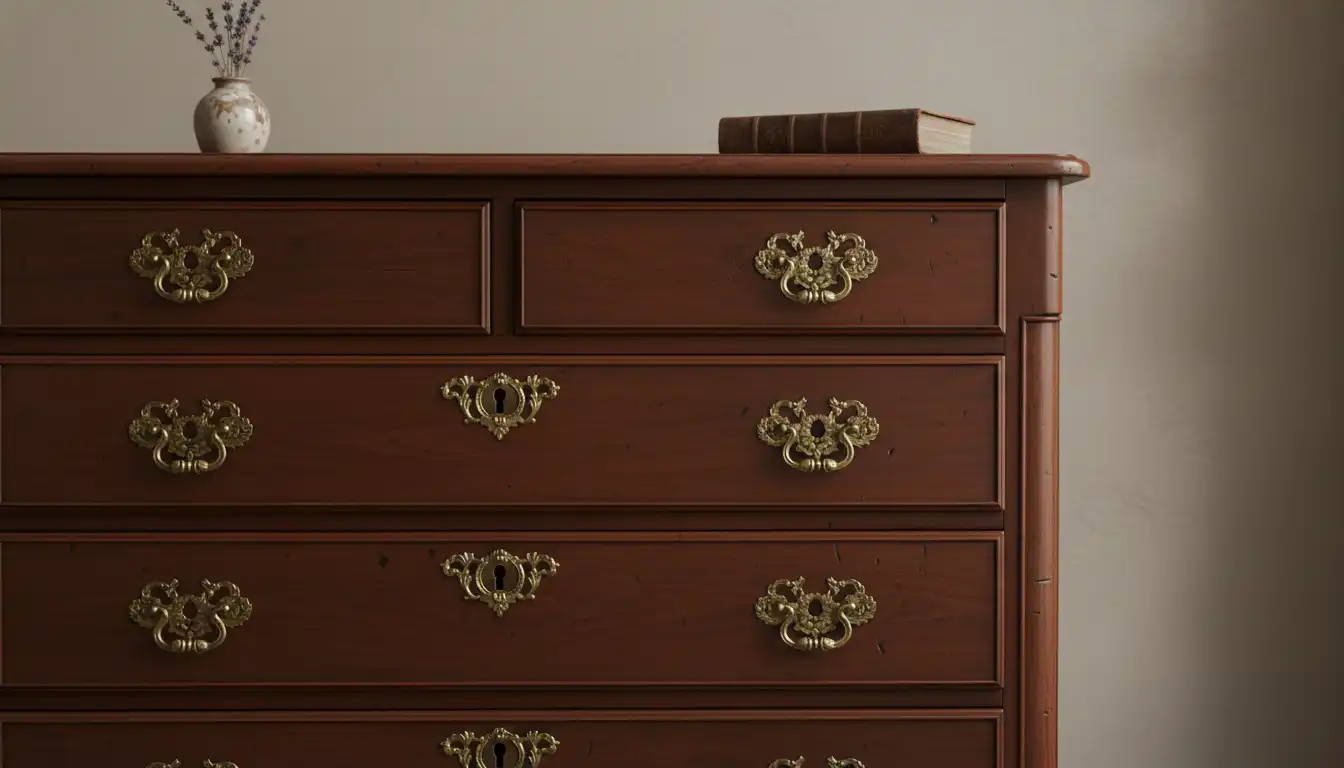
At its core, “brown furniture” is a broad term that refers to case goods like tables, chests of drawers, desks, and sideboards made from solid wood. While the color is the most obvious trait, the term signifies much more, pointing to a specific era of craftsmanship and material quality.
It typically encompasses pieces made from classic woods like mahogany, walnut, oak, and cherry. These pieces are celebrated for their rich, deep tones and beautiful natural grain patterns, which were central to their design appeal. This focus on natural material is a stark contrast to many modern pieces made from particleboard and laminate.
Historically, the term is most closely associated with antique and vintage furniture from the 18th, 19th, and early 20th centuries. Think of the elegant lines of Georgian sideboards, the ornate carvings of Victorian dressers, or the sturdy, functional forms of Arts and Crafts tables. These were not disposable items; they were investments built to last for generations.
The Soul of a Home: Why It’s Making a Comeback
The recent design trend of sterile, all-white interiors is beginning to fade. Homeowners are now craving spaces that feel personal, collected, and warm. This is where brown furniture shines, offering an immediate sense of history and soul.
Each piece tells a story through its minor imperfections, the patina of its finish, and the enduring quality of its construction. Furthermore, in an age of environmental consciousness, choosing vintage or antique brown furniture is a profoundly sustainable choice. It is the ultimate form of recycling, preventing well-made items from ending up in landfills and reducing the demand for “fast furniture.”
The Great Debate: Is Brown Furniture Out of Style?
For the last couple of decades, the dominant design narrative has favored light woods, minimalist silhouettes, and airy, open spaces. This has led many to believe that traditional brown furniture is hopelessly out of date. The question “How do I make this old brown table work?” is a common dilemma.
The fear is valid if you simply place a dark, heavy piece in an already dark room without considering its surroundings. However, style is not about the individual piece but about the composition of the entire room. The idea that brown furniture is “out” is a misconception; what’s truly out is creating a one-dimensional space where everything matches perfectly.
A new wave of design, often called “Grandmillennial” or “New Traditional,” is actively rebelling against minimalist fatigue. This aesthetic celebrates the comfort of tradition, layering classic patterns, textures, and, yes, brown furniture, with modern sensibilities to create spaces that are both chic and deeply personal.
How to Make Brown Furniture Look Stunningly Modern
The key to successfully incorporating brown furniture is not to match it, but to contrast it. By placing these historic pieces in a modern context, you highlight their unique beauty and create a dynamic, layered interior. It’s about creating a conversation between the old and the new.
Create a High-Contrast Color Palette
One of the most effective ways to make rich wood tones pop is to set them against a clean, contrasting background. Painting your walls in a crisp white, a soft off-white, or a cool, light gray creates a gallery-like effect where the furniture is the art.
This contrast prevents the wood from feeling heavy and instead emphasizes its shape and warm finish. For instance, pairing rich cherry wood furniture with gray walls is a classic designer trick that instantly modernizes a space, allowing the wood’s red undertones to truly sing. For a bolder approach, jewel tones like emerald green or deep navy blue can provide a dramatic and luxurious backdrop.
Mix Your Materials and Eras
Avoid the “matching set” look at all costs. A room where the coffee table, end tables, and media console are all from the same dark wood collection will inevitably feel dated. The secret to a curated look is to mix and match with confidence.
Pair a traditional walnut dining table with sleek, modern metal chairs. Place a chrome and glass lamp on an antique mahogany side table. By mixing materials—wood with metal, glass, stone, or acrylic—you create visual interest and a more collected, evolved atmosphere.
Lighten the Mood with Textiles and Light
Brown furniture can absorb a lot of light, so it’s crucial to counterbalance this with smart lighting and soft textures. Ensure the room has ample light sources, including overhead fixtures, floor lamps, and table lamps, to create a bright and inviting space.
Use light-colored, airy textiles to soften the look. Sheer linen curtains, a plush wool rug in a light neutral tone, and soft throw pillows on a nearby sofa can all prevent the room from feeling weighed down. A large mirror placed opposite a window is another excellent strategy to reflect light and make the space feel larger.
Accessorize with Modern Decor
The items you place on and around your brown furniture are just as important as the wall color. Juxtapose a traditional wooden sideboard with a bold piece of contemporary abstract art hanging above it. This single move can completely recontextualize the furniture.
Use modern accessories with clean lines to style the surfaces. A minimalist ceramic vase, a stack of contemporary art books, or a sleek metal tray can provide a striking contrast to the ornate details of an antique piece. This blend of old and new is the hallmark of sophisticated, timeless design.
Identifying and Caring for Quality Brown Furniture
Not all brown-colored furniture is “brown furniture” in the classic sense. True antique and high-quality vintage pieces are defined by their materials and construction. Knowing what to look for can help you identify a true treasure and care for it properly so it lasts another lifetime.
Telltale Signs of Solid Wood Construction
The first thing to check is the joinery. Look inside drawers for dovetail joints, an interlocking method that is a hallmark of skilled craftsmanship and is rarely found in modern mass-market furniture. Also, assess the piece’s weight; solid wood furniture is typically very heavy.
Examine the grain. On a solid wood tabletop, the grain pattern should run consistently over the edge. If the pattern on top is different from the edge, or if you see a thin layer of wood along the edge, you are likely looking at a piece with a wood veneer, which requires more delicate care.
A Simple Guide to Cleaning and Maintenance
Proper care depends heavily on the furniture’s finish. Using the wrong product can damage the surface, so it’s vital to identify what you’re working with. A simple spot test in an inconspicuous area is always recommended.
Regular dusting with a soft, dry microfiber cloth is the most important step for any finish. For cleaning, slightly dampen the cloth with water and follow immediately with a dry cloth. Avoid all-purpose cleaners, silicone-based polishes (which can create a cloudy film), and excessive water.
| Finish Type | Primary Characteristics | Recommended Cleaning Method |
|---|---|---|
| Varnish, Lacquer, or Shellac | Hard, shiny, protective topcoat. Common on many antiques. | Wipe with a cloth slightly dampened with a mild soap and water solution. Dry immediately. |
| Oil Finish | More natural, satin look. Soaks into the wood rather than sitting on top. | Refresh periodically with the appropriate furniture oil (e.g., tung or linseed oil). Clean spills quickly. |
| Wax Finish | Soft, low-sheen luster. Provides a protective barrier. | Dust regularly. Re-apply a quality paste wax once or twice a year for protection and shine. |
| Painted Finish | Opaque colored layer. Can be matte, satin, or gloss. | Clean gently with a damp cloth and a drop of mild dish soap. Avoid abrasive cleaners that can scratch the paint. |
Moving and Protecting Your Investment
These pieces are often heavy and unwieldy, making them susceptible to damage during a move. When you need to rearrange a room, never drag a piece directly across the floor. This is especially true for hard surfaces; using the right furniture sliders on concrete or hardwood can prevent deep, permanent scratches on your floors and protect the furniture’s delicate legs and joints from stress.
Environmental factors are also critical. Position solid wood furniture away from direct sunlight, which can fade and dry out the finish over time. Likewise, avoid placing it near radiators or vents, as extreme temperature and humidity fluctuations can cause the wood to warp or crack. This contrasts sharply with the durable materials needed for uncovered patio furniture, which is built to withstand the elements, reminding us that wood care is highly context-dependent.
The Enduring Allure of Timeless Furniture
Brown furniture is much more than an outdated trend; it is a category of well-built, character-rich pieces that can bring unparalleled warmth and soul to a home. It is sustainable, historical, and, when styled correctly, incredibly chic.
The key is to embrace contrast. By pairing these traditional items with modern colors, materials, and accessories, you don’t hide their age—you celebrate it. You create a space that feels curated, personal, and timeless, proving that good design never truly goes out of style.
