
Peony Sprouts Uncovered: Don’t Mistake These Telltale Signs!
That first hint of spring sends gardeners rushing outside, eager to spot the first signs of life. But this excitement is often mixed with a nagging anxiety: are those reddish-purple nubs pushing through the soil the cherished peonies you’ve been waiting for, or are they just stubborn weeds?
Mistaking one for the other is a common and costly problem. Accidentally pulling up your prized peony sprouts can set your plant back an entire season, or worse. Conversely, letting a look-alike weed take root can lead to competition for vital nutrients and water, choking out your beautiful blooms before they even have a chance.
You'll Learn About
The Gardener’s Spring Mystery: Are Those Peonies or Weeds?
The core of the problem lies in the unfamiliar appearance of plants in their earliest stages. A mature peony is unmistakable, but its infant sprouts can be cryptic. This uncertainty leads to hesitation and potential gardening errors that can have lasting consequences for the health and vitality of your plants.
Understanding the unique characteristics of peony sprouts is the first step toward confident spring gardening. It allows you to protect your investment, provide timely care, and ensure a spectacular floral display later in the season. This guide provides a definitive look at what to watch for.
What Do Peony Sprouts Look Like? The Definitive Identification Guide
Peony sprouts have a few highly distinctive characteristics that make them easy to identify once you know what to look for. Their color, shape, and growth pattern are the three primary clues that will tell you a beautiful peony is on its way.
The Telltale Color: Deep Red and Burgundy Tones
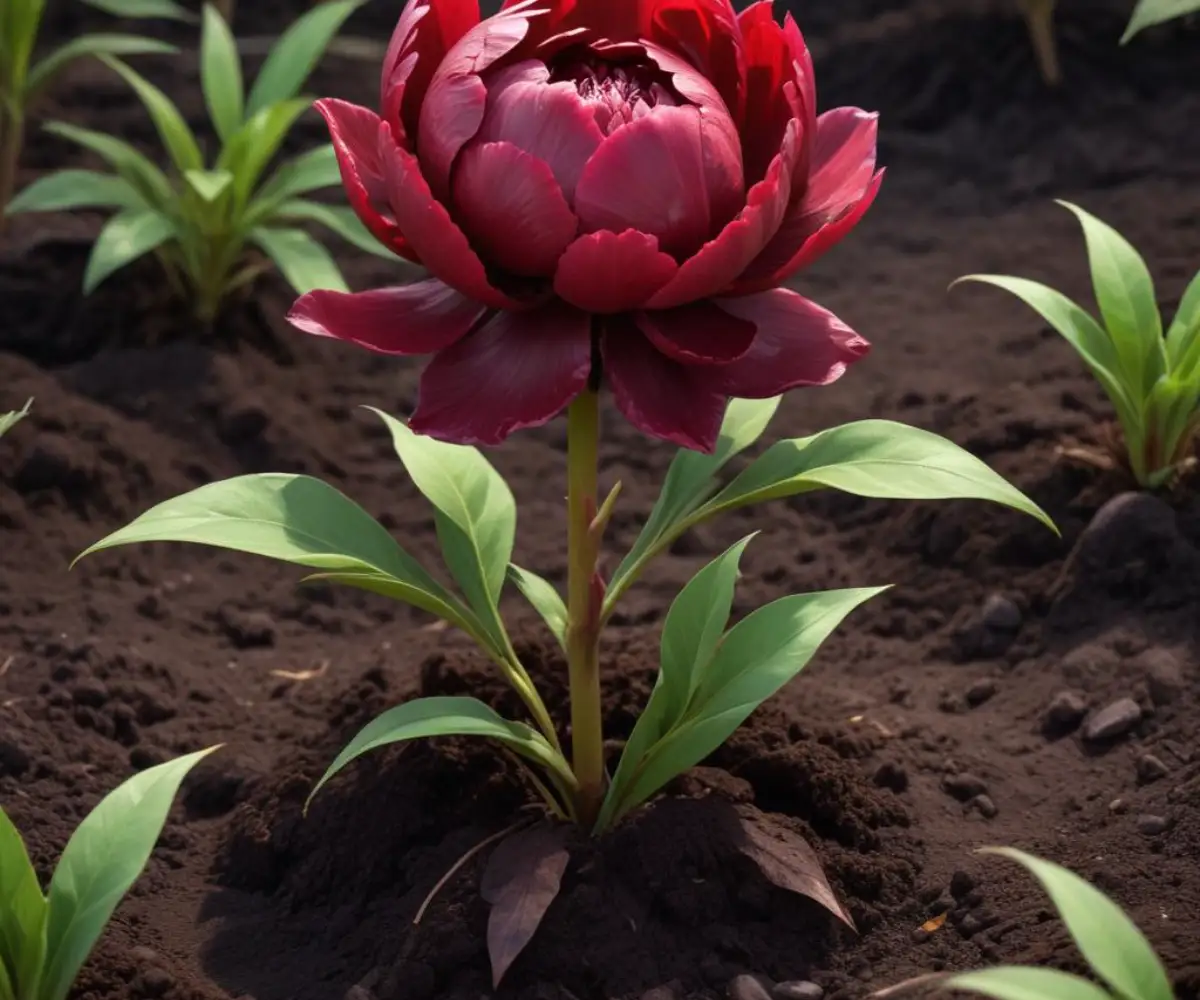
The most striking feature of nearly all herbaceous peony sprouts is their color. They don’t emerge green. Instead, they appear as deep red, burgundy, or purplish shoots that look almost alien against the brown soil of early spring.
This dramatic coloring is caused by anthocyanin pigments. These pigments act as a natural sunscreen, protecting the tender new growth from harsh UV rays and can also offer some protection against the chill of late frosts. As the shoots grow and the leaves begin to unfurl, the red will gradually fade to a vibrant green.
Distinctive Shape and Texture
Beyond their color, the shape of peony sprouts is another key identifier. They push up from the ground as stout, pointed tips, often described as looking like asparagus spears or small, reddish cones. They have a firm, fleshy appearance, not the delicate, thread-like look of many weed seedlings.
These initial shoots, sometimes called “pips” or “noses,” are the beginnings of the strong stems that will eventually support the heavy peony blooms. The texture is smooth and slightly waxy to the touch, a clear contrast to the fuzzy or rough texture of many common garden weeds that emerge at the same time.
Growth Habit: Emerging in Clumps
Peonies are perennials that grow from a large, tuberous root system called a crown. Because of this, the sprouts will emerge in a tight cluster or clump directly above where the root was planted. You will typically see multiple red pips pushing through the soil in a concentrated area of just a few square inches.
This clumping habit is a critical clue. Most weeds, especially annuals, will sprout as individual seedlings scattered more randomly across the garden bed. If you see a dense grouping of these red spears, you can be almost certain you’re looking at a healthy, returning peony.
Peony Sprout Look-Alikes: Don’t Make This Common Mistake!
Even with a clear description, other plants can cause confusion in the early spring garden. Knowing how to differentiate peony sprouts from these common doppelgangers is essential for avoiding a tragic weeding accident. Below is a table comparing the key features of peony sprouts with other plants that can look surprisingly similar upon first glance.
This quick-reference guide will help you make a confident identification. Pay close attention to the combination of color, shape, and growth habit to ensure you are nurturing your peonies and removing only the true imposters from your garden bed.
| Plant Feature | Peony Sprout | Rhubarb Sprout | Field Bindweed | Hosta ‘Pips’ |
|---|---|---|---|---|
| Color | Deep red, burgundy, or purple. | Bright red to pink, often with crinkled green leaf visible. | Green or reddish-green wiry stems. | Green, white, or purple, tightly furled tips. |
| Shape | Pointed, conical spears or “noses.” Stout and fleshy. | Larger, more rounded, and crinkled as the leaf emerges. | Thin, twining stems with arrowhead-shaped leaves. | Tightly furled, spear-like points. Often larger than peony pips. |
| Growth Habit | Emerges in a tight clump from a central crown. | Emerges in a large clump, shoots are thicker. | Sprouts individually from a vast, creeping root system. | Grows in a distinct mound, with many “pips” forming a circle. |
| Texture | Smooth and slightly waxy. | Crinkled and distinctly leaf-like, even when small. | Can be smooth or slightly hairy, but stems are thin. | Smooth and firm. |
The Science of Sprouting: Understanding Peony Development
The unique appearance of peony sprouts is not just a visual quirk; it is a result of specific biological adaptations that help the plant survive and thrive. Understanding the science behind their emergence can deepen your appreciation for these remarkable perennials and inform your care practices.
The Protective Power of Anthocyanin
As mentioned, the red and purple hues in peony sprouts come from anthocyanin pigments. This is a brilliant evolutionary strategy. Early spring weather is notoriously unpredictable, and these pigments serve as a shield for the brand-new, vulnerable cells.
This natural defense mechanism absorbs excess ultraviolet radiation from the sun, which can be surprisingly strong on clear spring days. It also helps the plant tissue resist damage from temperature fluctuations, giving it an edge against late, unexpected frosts that can be devastating to new green growth.
Herbaceous, Tree, and Itoh Peony Differences
While the classic image is of red shoots, there are subtle differences between the main types of peonies. Herbaceous peonies are the most common and reliably produce the iconic deep red, asparagus-like sprouts directly from the soil.
Tree peonies, which have woody stems that persist through winter, sprout differently. Their new growth emerges from buds along these woody branches. These new shoots are often greener but can still have a reddish or bronze cast as the leaves unfurl. You are looking for new leaf growth on existing wood, not shoots from the ground.
Itoh peonies, a hybrid of the two, exhibit a mix of traits. Their sprouts emerge from the ground like herbaceous types and are often the same deep red color, but they can be larger and more numerous, reflecting their vigorous hybrid nature. They form a dense, shrub-like plant each year.
When a Sprout Isn’t Red: The Green Shoot Exception
While red is the rule, there are important exceptions that can confuse even experienced gardeners. Certain peony cultivars, particularly some of the white and yellow-flowering varieties, may produce sprouts that are entirely green or have only a faint reddish blush at the base.
Varieties like the classic ‘Festiva Maxima’ or some yellow hybrids are known for this trait. If you see stout, green, asparagus-like spears emerging in a tight clump where you know you planted a peony, don’t panic and assume it’s a weed. Check the shape and growth habit; if they match, you likely just have one of these unique varieties.
Your Peonies Are Sprouting! A Step-by-Step Care Guide
Correctly identifying your peony sprouts is the first victory. The next step is to provide the right care to protect these tender shoots and set them up for a season of robust growth and spectacular blooms. What you do in these first few weeks is critical.
To Clear or Not to Clear: Early Spring Cleanup
As soon as you see the first red pips, it’s time for some gentle spring cleaning. Carefully pull back any winter mulch, such as shredded leaves or straw, that may be covering the crown. This allows sunlight and air to reach the new growth, warming the soil and discouraging fungal diseases.
Use a hand rake or your fingers to gently clear away fallen leaves and other debris from around the base of the sprouts. This early season prep is a vital part of gardening. It’s the time of year when you take stock of your tools, ensuring everything is ready for the work ahead, much like you would check the Ariens AX254 oil capacity before storing your snowblower for the season. A clean start prevents pests and diseases from taking hold.
The Ever-Present Threat of a Late Frost
Peony sprouts are quite cold-hardy, but a sudden, hard freeze after a period of warm weather can damage or kill the tender new growth. Pay close attention to the weather forecast in early spring. If temperatures are predicted to drop significantly below freezing overnight, you must protect your sprouts.
A simple and effective method is to cover the emerging clump with a bucket, a large plant pot, or a frost blanket before sunset. This traps radiant heat from the ground and shields the shoots from ice crystals. Be sure to remove the cover first thing in the morning so the plants can get sunlight.
Early Nutrition and Watering Needs
This is the ideal time to give your peonies a nutritional boost for the coming season. Apply a low-nitrogen fertilizer, such as a 5-10-10 or 10-20-20 formulation, around the drip line of the plant—not directly on the crown or sprouts.
Nitrogen encourages leafy growth, but peonies need phosphorus and potassium for strong root development and abundant blooms. After the sprouts are a few inches high, water them well if the spring has been dry, ensuring the soil is moist but not waterlogged to a depth of about 6 inches.
Troubleshooting Common Peony Sprouting Problems
Sometimes, things don’t go as planned. Your peonies may fail to appear, or the sprouts that do emerge may look weak or unhealthy. Understanding the potential causes of these issues is key to solving the problem and saving your plant.
Problem: My Peonies Failed to Sprout!
The most common reason for a peony no-show is improper planting depth. The “eyes,” or growth buds on the peony root, should be planted no more than 2 inches below the soil surface in colder climates and just 1 inch deep in warmer zones. Planted too deep, the sprouts may not have enough energy to reach the surface.
Other potential causes include a root division that was too small to have sufficient energy reserves, overly wet soil leading to root rot, or a young plant that simply needs another year to become established. Gently excavate a bit of soil to check the condition of the root if you suspect rot.
Problem: The Sprouts are Thin and Spindly
If your peony sprouts emerge looking thin, weak, or “leggy,” the most likely culprit is a lack of direct sunlight. Peonies are sun-loving plants that require at least six hours of direct sun each day to produce strong stems and abundant flowers. If a nearby tree has grown and is now casting shade, you may need to consider moving the peony in the fall.
Poor nutrition or competition from the roots of nearby shrubs or trees can also lead to spindly growth. A soil test can reveal any nutrient deficiencies, and ensuring your peony has adequate space will prevent it from being outcompeted for resources. Preparing for the change of seasons often involves machine maintenance, a task as crucial as amending soil. After a long winter, you might service your lawnmower or perform a Toro snowblower governor adjustment before putting it away, ensuring it’s ready for the next year.
Problem: Sprouts Emerged and Then Disappeared
Seeing healthy sprouts emerge only to have them wither and die is incredibly frustrating. The most common cause is a severe late frost that damages the plant tissue beyond recovery. In some cases, a fungal disease called botrytis blight can cause new shoots to rot at the base and fall over, especially in cool, damp weather.
To prevent this, ensure good air circulation around the plant by not overcrowding it. Always water at the base of the plant, not over the top, and do your spring cleanup promptly. As you finish your last winter chores with equipment like your trusted Ariens snowblower 1128, shift your focus to creating a healthy environment for your emerging plants.
A Season of Beauty Is on Its Way
Identifying those first deep red peony sprouts is a moment of pure gardening joy. It is the definitive signal that winter is over and a season of lush growth and breathtaking beauty is about to begin. By learning to recognize their unique color, shape, and clumping growth habit, you can garden with confidence.
Provide these tender shoots with the simple care they need—protection from frost, gentle cleanup, and early nutrition—and you will be rewarded. Those small red spears will quickly transform into a magnificent bush, ready to produce the spectacular, fragrant blooms that make peonies the undisputed queen of the spring garden.
