
Wetwall Reviews: Your Grout-Free Bathroom Dream or a Costly Mistake?
The dream of a perfect bathroom often clashes with a harsh reality: the endless battle against grimy, stained grout. For countless homeowners, the cycle of scrubbing, bleaching, and eventually watching mold and mildew return is a frustrating and time-consuming chore. This constant maintenance has driven a search for a better, more modern solution to bathroom walls, leading many to discover the promise of wetwall panels.
This guide offers a comprehensive look at wetwall reviews, digging deep into what real users are saying. We will explore the pros, the cons, and the critical details that are often left out of the sales pitch. The goal is to provide a clear, authoritative overview to help you decide if this innovative material is truly the right choice for your home and garden sanctuary.
You'll Learn About
What Exactly Is Wetwall and Why Is It Trending?
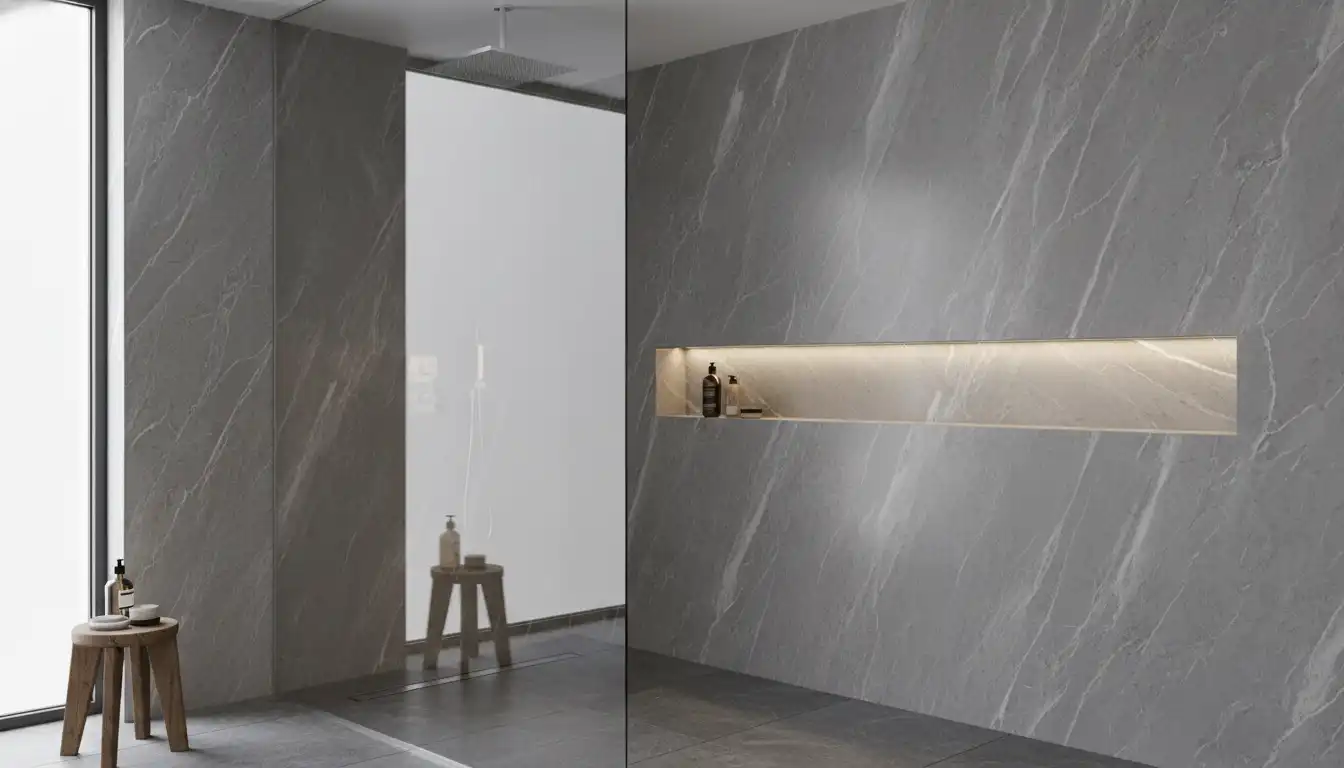
Wetwall, also known as shower panels or bathroom cladding, refers to large, completely waterproof panels designed to cover the walls in wet areas like showers, bathrooms, and laundry rooms. These panels are typically made from materials such as PVC, acrylic, high-pressure laminate, or solid surface composites. Their primary appeal is the elimination of grout, creating a seamless and impervious surface.
The trend is fueled by a desire for both modern aesthetics and practical, low-maintenance living. Homeowners are increasingly drawn to the sleek, clean lines that wetwall provides, mimicking the look of high-end materials like marble, stone, or wood without the associated upkeep. The promise of a quick installation and a future free from scrubbing grout is a powerful motivator for renovators.
The Unvarnished Truth: Wetwall Reviews Uncovered
To get a true sense of any product, one must look at the full spectrum of user experiences. Wetwall panels are no exception; they receive both glowing praise and critical feedback. Understanding both sides is essential to making an informed decision for your home.
The Rave Reviews: What Homeowners Love
Across countless reviews, certain benefits consistently rise to the top. Homeowners who are happy with their wetwall installation frequently praise its practicality and stylish appearance. These positive experiences highlight the core advantages that manufacturers promise.
Effortless Cleaning and Maintenance is by far the most celebrated feature. The absence of grout lines means there is no porous surface to trap soap scum, dirt, or moisture, which are the primary causes of mold and mildew growth. A simple wipe-down with a soft cloth and a mild cleaner is all that is needed to keep the panels looking new, a significant time-saver compared to the rigorous scrubbing required for tile grout.
Speed and Simplicity of Installation is another major selling point. Unlike tiling, which is a multi-day process of setting, grouting, and sealing, wetwall panels can often be installed in a single day. This dramatically reduces labor costs and the disruption to a household, making it an attractive option for rapid renovations.
Superior Waterproofing gives homeowners peace of mind. The large, solid panels create a continuous, impenetrable barrier against water, significantly reducing the risk of leaks and water damage to the underlying walls when installed correctly. This is a crucial advantage over tile, where failing grout can eventually allow moisture to seep through.
Stunning Aesthetic Options allow for high-end looks without the high-end price tag or maintenance. Modern manufacturing techniques produce panels that convincingly replicate the appearance of natural stone, marble, wood, and other textures. This allows for a luxurious, spa-like feel that is both durable and affordable.
The Critical Feedback: Common Complaints and Problems
No product is perfect, and it is crucial to consider the potential downsides mentioned in more critical wetwall reviews. Most negative experiences with wetwall panels can be traced back to a few key areas, with installation being the most significant factor.
Improper Installation is the Root of Most Failures. This cannot be overstated. While panels are marketed as DIY-friendly, the process requires precision. Failure to properly seal seams and edges, using the wrong type of adhesive, or not preparing the wall surface correctly can lead to catastrophic failure. Water ingress behind the panels can cause mold, debonding, and structural damage—the very issues the product is meant to prevent. Just as you would need to know who to hire to regrout shower tiles for a professional result, ensuring your wetwall installer is experienced and meticulous is non-negotiable.
Concerns Over Durability and Scratches are also noted. The durability of wetwall depends heavily on the material. Lower-cost PVC panels can be more susceptible to scratching and denting than premium acrylic or solid surface options. Abrasive cleaners or sharp objects can permanently mar the surface, so care must be taken during cleaning and use.
The “Plastic” Look and Feel is a subjective but common complaint, particularly with budget-friendly options. While high-end panels offer a very realistic appearance, some homeowners feel that the synthetic nature of the material is still apparent and lacks the authentic texture and depth of real tile or stone.
Upfront Material Cost can be a deterrent for some. While the overall project cost can be lower due to reduced labor, the initial price per square foot for high-quality panels can be higher than for many types of ceramic or porcelain tile. Homeowners must balance the material cost against the long-term savings in maintenance and potential repairs.
Wetwall vs. Traditional Tiles: A Head-to-Head Comparison
Choosing between wetwall panels and traditional tiles is a major decision in any bathroom renovation. Each has distinct advantages and disadvantages related to cost, installation, and long-term performance. Understanding these differences is key to selecting the right material for your needs and budget.
To provide a clear overview, the table below compares these two popular options across several critical factors. This side-by-side analysis will help you weigh the pros and cons based on what matters most for your project, whether it’s speed, maintenance, or overall aesthetic.
| Feature | Wetwall Panels | Traditional Tiles |
|---|---|---|
| Installation Time | Typically 1 day, significantly faster due to large panel sizes. | Multiple days, requires time for setting, grouting, and sealing. |
| Upfront Cost | Material cost can be higher, but labor costs are much lower. | Tile material cost varies widely, but labor costs are consistently high. |
| Long-Term Maintenance | Extremely low; no grout to scrub, mold-resistant surface. | High; requires regular grout cleaning, sealing, and eventual regrouting. |
| Waterproofing Integrity | Excellent; seamless panels provide a solid waterproof barrier. | Good, but relies on the integrity of grout and sealant, which can fail over time. |
| Durability | Varies by material; can be prone to scratches if not cared for properly. | Very high; porcelain and ceramic tiles are extremely hard and scratch-resistant. |
| Design Flexibility | Offers a wide range of realistic stone and wood looks but limited to panel designs. | Nearly limitless design options with different sizes, shapes, and patterns. |
Beyond the Basics: What Most Wetwall Reviews Won’t Tell You
While standard reviews cover cleaning and installation, they often miss the nuanced details that can make or break a project. These lesser-known factors are critical for long-term satisfaction and ensuring your investment pays off. From wall preparation to the impact on your home’s value, these are the insights you need.
The Critical Role of Substrate Preparation
You cannot simply install wetwall panels over any surface without proper preparation. The wall must be clean, dry, and, most importantly, completely flat. Any imperfections, bumps, or dips in the wall will prevent the panels from adhering correctly and can create visible distortions or gaps at the seams.
In many cases, this means installing a new backer board. Furthermore, ensuring a proper bond is non-negotiable for the panels to remain waterproof and secure. Depending on the substrate, applying the correct primer is a crucial step. For instance, understanding the nuances of surface prep, such as knowing kilz pva primer how many coats to use on new drywall, is the kind of foundational knowledge that ensures professional-grade results and long-term adhesion.
Resale Value: An Upgrade or a Detractor?
The impact of wetwall on a home’s resale value is a topic of debate. A high-quality, professionally installed wetwall system that mimics luxury materials can be a significant selling point, appealing to buyers who value modern, low-maintenance living. It can be perceived as a smart, durable upgrade.
However, a poorly installed, cheap-looking, or damaged wetwall system can have the opposite effect. Potential buyers may see it as a temporary fix that they will need to replace, potentially lowering their offer. The key takeaway is that quality and execution matter; a well-done wetwall renovation is an asset, while a poor one is a liability.
Navigating the Maze of Brands and Materials
Not all wetwall is created equal. The market is filled with panels made from different materials, each with its own strengths and weaknesses. Understanding these differences is key to choosing a product that will meet your expectations for durability and appearance.
PVC (Polyvinyl Chloride) panels are often the most affordable and lightweight option, making them easy to handle. High-Pressure Laminate (HPL) panels are more durable and offer a wider range of high-definition decorative finishes. Acrylic panels provide a high-gloss, glass-like finish for a very modern look, while Solid Surface panels are a premium option known for their durability and seamless appearance. When choosing, look for panel thickness, warranty length, and the core material to gauge quality.
Making the Right Choice: Is Wetwall Right for Your Home?
After weighing the reviews and technical details, the final decision comes down to your personal priorities, budget, and project goals. Wetwall is an excellent solution for many, but traditional tile still holds its place for good reason. This section will help you determine which category you fall into.
Who Should Choose Wetwall?
Wetwall panels are an ideal choice for homeowners who prioritize ease of maintenance above all else. If you are tired of the endless cycle of scrubbing grout and want a shower that stays looking clean with minimal effort, wetwall is hard to beat. It is also perfect for those undertaking a rapid renovation, as the installation speed can cut project time by days.
Furthermore, it is a fantastic option for rental properties, where durability and simple cleaning are paramount to reducing turnover time and costs. Anyone seeking a sleek, modern, and seamless aesthetic will also find that wetwall delivers a high-end look effectively.
When Might Tile Still Be the Better Option?
Despite the advantages of wetwall, traditional tile remains the superior choice for certain applications. If your design vision involves intricate patterns, such as herringbone or mosaics, or uses custom accent tiles, the creative flexibility of tile is unmatched. Tile offers an almost infinite range of colors, sizes, and materials to bring a unique vision to life.
For those on a very tight material budget, some basic ceramic tiles can be less expensive upfront than mid-range wetwall panels. Additionally, in homes with a very traditional, historic, or rustic aesthetic, the authentic look and feel of classic tile may simply be a better fit for the overall design language of the space.
A Note on Creative Applications
While primarily marketed for showers and bathrooms, the durable and waterproof nature of wetwall panels opens them up to a variety of other uses around the home. Thinking beyond the bathroom can provide a cohesive and practical design language in other functional spaces that are often overlooked.
Consider using wetwall panels to create a durable, easy-to-clean backsplash in a utility room, laundry room, or even a garage workshop. Their resistance to moisture and stains makes them ideal for these hardworking areas. Just as you might add functional upgrades to your tools, like a snowblower led light upgrade for better performance, upgrading your utility room walls with wetwall enhances their durability and simplifies maintenance for years to come.
Final Verdict: Are Wetwall Panels Worth the Investment?
After analyzing extensive user reviews and technical specifications, the conclusion is clear: wetwall panels are an excellent, high-value investment when quality materials are chosen and installed correctly. Their core benefits—being incredibly easy to clean, 100% waterproof, and fast to install—directly solve the most common frustrations associated with traditional tiled showers.
The success of a wetwall project hinges almost entirely on meticulous installation. It is not a task to be rushed or left to an inexperienced installer. When done right, a wetwall system provides a beautiful, durable, and remarkably low-maintenance surface that can elevate the style and functionality of any bathroom. For the modern homeowner seeking to escape the tyranny of grout, it is a truly compelling solution.
