
Wendy Jean Creeping Red Fescue: Your Ultimate Shade Solution
Are you tired of staring at a patchy, struggling lawn in the shady corners of your yard? It’s a frustratingly common problem for homeowners. You invest time, water, and effort, only to see thin, weak grass succumb to the low-light conditions under trees or alongside your home.
This struggle often leads to wasted resources and a lawn that detracts from your home’s curb appeal. The core of the issue isn’t your effort; it’s the grass itself. Many popular turf varieties are sun-worshippers, genetically unequipped to thrive without at least six hours of direct sunlight, leaving you in a perpetual cycle of reseeding and disappointment. But there is a specialized solution designed to conquer these challenging spots.
Enter Wendy Jean creeping red fescue, a top-tier cultivar specifically bred to create a lush, dense, and beautiful lawn in areas where other grasses fail. This fine-bladed grass is the answer to transforming your problematic shady areas into a vibrant, green carpet.
You'll Learn About
What is Wendy Jean Creeping Red Fescue?
Wendy Jean is a specific, high-performance cultivar of creeping red fescue (Festuca rubra), a cool-season grass native to Europe. As a member of the “fine fescue” family, it’s celebrated for its exceptionally narrow, needle-like blades that create a soft, dense turf. Its most defining characteristic is its “creeping” growth habit, achieved through short underground stems called rhizomes, allowing it to spread and naturally fill in thin areas.
Unlike common fescues, the Wendy Jean cultivar has been refined through selective breeding to enhance its most desirable traits. This includes a richer, dark green color, improved density, and superior performance in low-light environments. It stands out as a premium choice for homeowners seeking both aesthetic beauty and rugged resilience in difficult growing conditions.
The Unmatched Benefits of Choosing Wendy Jean
Opting for Wendy Jean creeping red fescue brings a host of advantages that directly address the most common lawn care headaches. It’s more than just grass; it’s a strategic choice for a low-maintenance, high-performance lawn.
Superior Shade Tolerance
This is the primary reason homeowners turn to Wendy Jean. It is one of the most shade-tolerant cool-season grasses available, capable of flourishing with as little as three to four hours of dappled or indirect sunlight per day. It’s the perfect solution for lawns under mature tree canopies, on the north side of structures, or in narrow side yards between houses where sunlight is fleeting.
Exceptional Drought Resistance
Once established, Wendy Jean develops a deep and extensive root system. This allows it to access moisture deep within the soil, making it remarkably resilient during dry spells and reducing the need for constant irrigation. This characteristic not only saves water but also makes your lawn more sustainable and environmentally friendly.
Low Maintenance Requirements
Wendy Jean is a slow-growing grass, which means less time spent mowing. It also has lower nutritional needs than sun-hungry grasses like Kentucky bluegrass, requiring less fertilizer to maintain its health and color. Its natural density and creeping growth help it outcompete many common lawn weeds, reducing the need for herbicides.
Wear Tolerance and Self-Repairing Nature
Thanks to its rhizomatous growth, Wendy Jean can repair itself from minor damage and moderate foot traffic. The underground rhizomes send up new shoots, allowing the turf to fill in small bare spots without the need for constant overseeding. This makes it a practical choice for functional lawn areas that see occasional use.
Creating the Perfect Environment for Wendy Jean Fescue
To unlock the full potential of this remarkable grass, providing the right foundational conditions is key. Proper site preparation will ensure vigorous growth and long-term success.
Ideal Soil Conditions
Wendy Jean is adaptable but performs best in well-drained soil. It can struggle in heavy, compacted clay or constantly waterlogged conditions. Amending the soil with organic matter like compost before planting can significantly improve drainage and aeration, creating an ideal root environment. It tolerates a wide pH range but thrives in slightly acidic to neutral soil (pH 5.5 to 6.5).
Sunlight: Defining “Shade Tolerant”
While it excels in shade, “shade tolerant” does not mean “no sun.” Wendy Jean requires some level of filtered or indirect sunlight to photosynthesize effectively. It’s perfectly suited for areas that receive dappled light through trees or a few hours of morning sun. It is not the ideal choice for deep, perpetual shade where moss and fungi dominate.
Climate and Hardiness Zones
As a cool-season grass, Wendy Jean is best suited for USDA Hardiness Zones 1 through 7. It thrives in regions with moderate summers and cold winters. In warmer transition zones (like 8-10), it can be used as an annual for overseeding dormant warm-season grasses but may not persist through intense summer heat and humidity.
How to Plant Wendy Jean Creeping Red Fescue for Success
A successful Wendy Jean lawn starts with proper planting technique. Following these steps will ensure excellent germination and establishment, setting the stage for a durable, beautiful turf.
Step 1: The Best Time to Plant
The optimal time to plant Wendy Jean creeping red fescue is in the late summer or early fall (mid-August to late September). During this period, the soil is still warm, which encourages rapid germination, while the cooling air temperatures reduce stress on the young seedlings. Spring planting is the second-best option, but fall seeding gives the grass more time to mature before facing summer heat.
Step 2: Preparing the Soil
Start by removing all existing weeds and old grass. For larger areas, renting a sod cutter or using a non-selective herbicide can be effective. Once the area is clear, loosen the top 4-6 inches of soil with a tiller or garden rake to alleviate compaction. This is the perfect time to incorporate a 1-2 inch layer of compost to improve soil structure and fertility.
Step 3: Seeding and Spreading
An even seed distribution is crucial for a uniform lawn. Use a broadcast or drop spreader for the best results. For a new lawn, the recommended seeding rate is 4-5 pounds of seed per 1,000 square feet. When overseeding an existing thin lawn, use about half that amount. To ensure even coverage, divide the seed in half and apply it in two passes at right angles to each other.
Step 4: Ensuring Good Seed-to-Soil Contact
After spreading the seed, gently rake the area so that the seeds are covered by no more than ¼ inch of soil. This protects them from birds and drying out. Lightly roll the seeded area with a lawn roller (filled halfway) to press the seeds firmly into the soil. This contact is vital for germination.
Step 5: Watering for Germination
Proper watering is the most critical step. The seedbed must be kept consistently moist until the new grass is established. Water lightly with a fine spray 1-2 times per day for the first 14-21 days. The goal is to keep the top inch of soil damp like a wrung-out sponge, but avoid creating puddles or runoff, which can wash the seeds away.
Long-Term Care and Maintenance Calendar
Once established, Wendy Jean is remarkably low-maintenance. A simple, consistent care routine will keep it looking its best year after year, even in challenging shady areas created by home renovation projects like building additions.
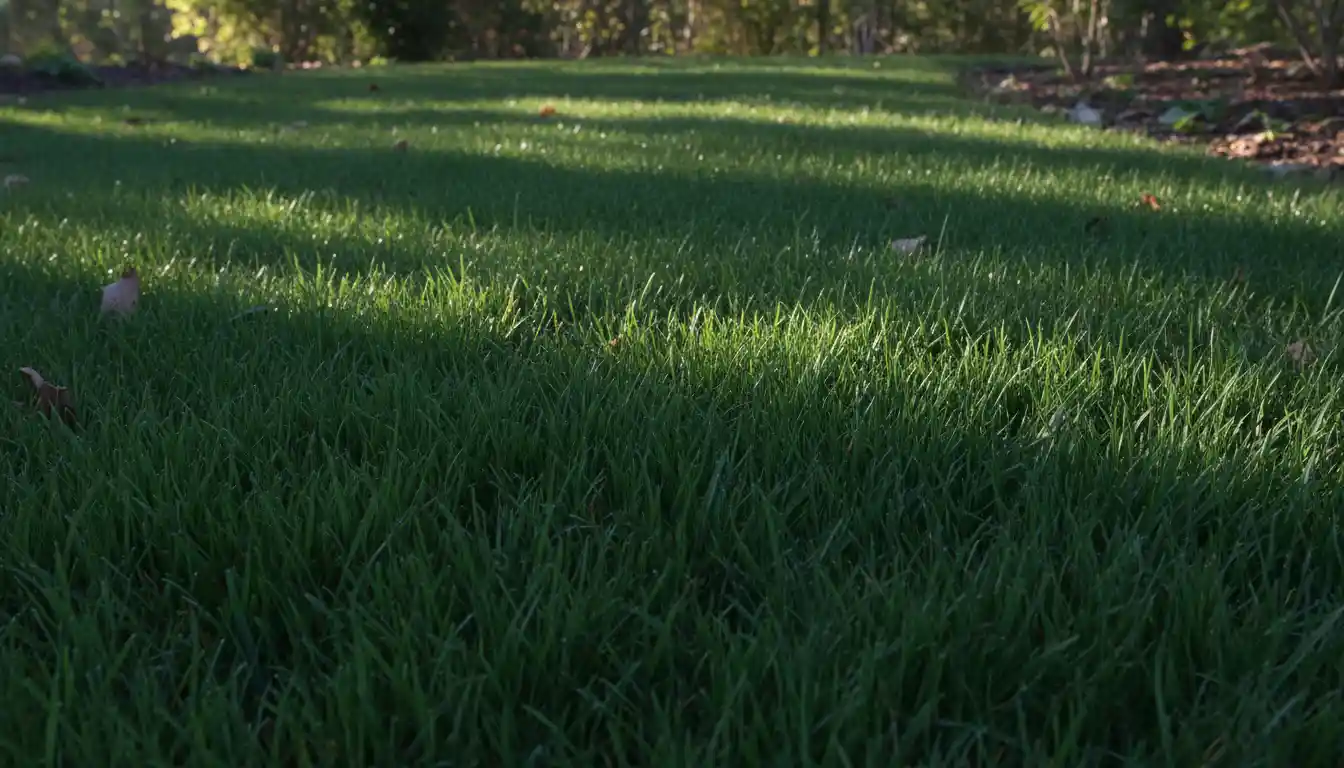
A well-maintained lawn not only enhances your property’s beauty but also provides a durable surface for relaxation and play.
Mowing Best Practices
Maintain a higher mowing height of 2.5 to 3.5 inches. Mowing taller encourages a deeper root system, helps the grass blades capture more of the limited sunlight, and shades the soil to prevent weed seeds from germinating. Never remove more than one-third of the leaf blade in a single mowing.
Watering a Mature Lawn
Mature Wendy Jean lawns are drought-tolerant and require infrequent watering. Water deeply about once a week during dry periods, providing about 1 inch of water. This encourages roots to grow deeper into the soil profile, making the lawn even more resilient. The best time to water is in the early morning to minimize evaporation and reduce the risk of fungal disease.
Fertilization Schedule
This grass has minimal fertilizer needs. A single application in the early fall is often sufficient. Use a slow-release, low-nitrogen fertilizer to promote root growth and prepare the grass for winter. Avoid heavy spring fertilization, which can encourage disease and weak growth.
Weed and Pest Control
A dense, healthy stand of Wendy Jean is the best defense against weeds. Its natural genetic makeup includes endophytes, which are beneficial fungi that live within the plant and deter many surface-feeding insects. For persistent weeds, spot-treating with a selective herbicide is the most effective approach.
| Season | Key Task | Pro Tips |
|---|---|---|
| Early Spring | Light Raking | Gently remove any winter debris. Avoid aggressive raking that can damage emerging shoots. |
| Late Spring | Mowing & Weed Watch | Begin mowing when grass reaches 3-4 inches. Spot treat for any broadleaf weeds before they set seed. |
| Summer | Water Smartly & Mow High | Water deeply but infrequently during dry spells. Raise mowing height to 3.5 inches to reduce stress. |
| Fall | Fertilize, Overseed & Aerate | This is the key season. Apply a slow-release fertilizer. Overseed thin areas and aerate if soil is compacted. |
| Winter | Minimize Traffic | Avoid heavy foot traffic on the dormant lawn to protect the grass crowns from damage. |
Common Problems and Troubleshooting
Even a resilient grass like Wendy Jean can encounter issues. Understanding how to identify and solve these common problems will help you maintain a flawless lawn.
Problem: Patchy or Thin Areas
If you notice thinning, first assess the conditions. Is the shade too dense? Pruning tree limbs can allow more dappled light to reach the turf. Soil compaction can also be a culprit; an annual core aeration in the fall can relieve compaction and allow air, water, and nutrients to reach the roots. A simple fall overseeding will quickly fill in any persistent bare spots.
Problem: Red Thread or Dollar Spot
Fine fescues can sometimes be susceptible to fungal diseases like Red Thread, especially in humid conditions with low soil fertility. This often appears as small, reddish-pink threads on the grass blades. The best solution is cultural: ensure proper watering practices (early morning, deep and infrequent) and apply a balanced, slow-release fertilizer in the fall, as low nitrogen levels can exacerbate the issue.
Wendy Jean in Landscape Design: Beyond the Traditional Lawn
The unique qualities of Wendy Jean creeping red fescue open up creative landscaping possibilities beyond a simple lawn. Its adaptability allows it to serve as a problem-solver in various design scenarios, providing a lush, green canvas that ties the entire garden together.
The Perfect Groundcover for Shady Slopes
Establishing and mowing turf on a sloped area can be challenging and dangerous. Wendy Jean’s creeping habit and low-mow nature make it an excellent choice for stabilizing soil on shady hillsides. It creates a dense, carpet-like groundcover that requires minimal maintenance while preventing erosion, offering a beautiful and practical alternative to mulch or expensive hardscaping. The deep green hue can wonderfully set off natural stone elements, similar to how the color might complement the veining in premium materials discussed in reviews of Taj Mahal quartzite.
Creating “No-Mow” Naturalized Areas
For a truly low-maintenance, meadow-like aesthetic, Wendy Jean can be left to grow unmown in low-traffic areas. When left to mature, its fine blades will gracefully fold over, creating a soft, flowing texture that looks beautiful under large trees or along the edges of wooded areas. This approach fosters a more natural habitat and completely eliminates the need for mowing in those zones.
Mixing for a Resilient, Multi-Talented Turf
While superb on its own, Wendy Jean is also a team player. It is frequently included in high-quality shade-tolerant seed mixes. Blending it with other fine fescues (like Chewings or Hard fescue) or certain shade-tolerant varieties of Kentucky bluegrass can create an even more resilient and adaptable turf that can handle varying light conditions across your property. This ensures you have the right grass performing in the right spot, from partial sun to deeper shade. Proper maintenance of all your equipment, from mowers in the summer to reliable American-made snowblowers in the winter, is key to managing such a diverse landscape year-round.
Your Solution for a Flawless Shady Lawn
Wendy Jean creeping red fescue is more than just a grass seed; it’s a definitive solution to one of the most persistent challenges in lawn care. Its superior shade tolerance, low maintenance needs, and excellent drought resistance make it the ideal choice for transforming weak, patchy turf into a dense and vibrant green space.
By understanding its needs and following a simple plan for planting and care, you can finally achieve the beautiful, resilient lawn you’ve always wanted in those difficult shady areas. It’s time to stop the cycle of reseeding and embrace a proven performer that delivers lasting results.
