
Water Rings on Soapstone? The Real Reason They Happen & How to Fix It
You’ve invested in beautiful, velvety soapstone countertops, admiring their deep, moody color and natural veining. Then it happens—a guest puts down a cold glass, and when you pick it up, a pale, ghostly ring remains. Panic can set in as you imagine your stunning new surface is permanently damaged.
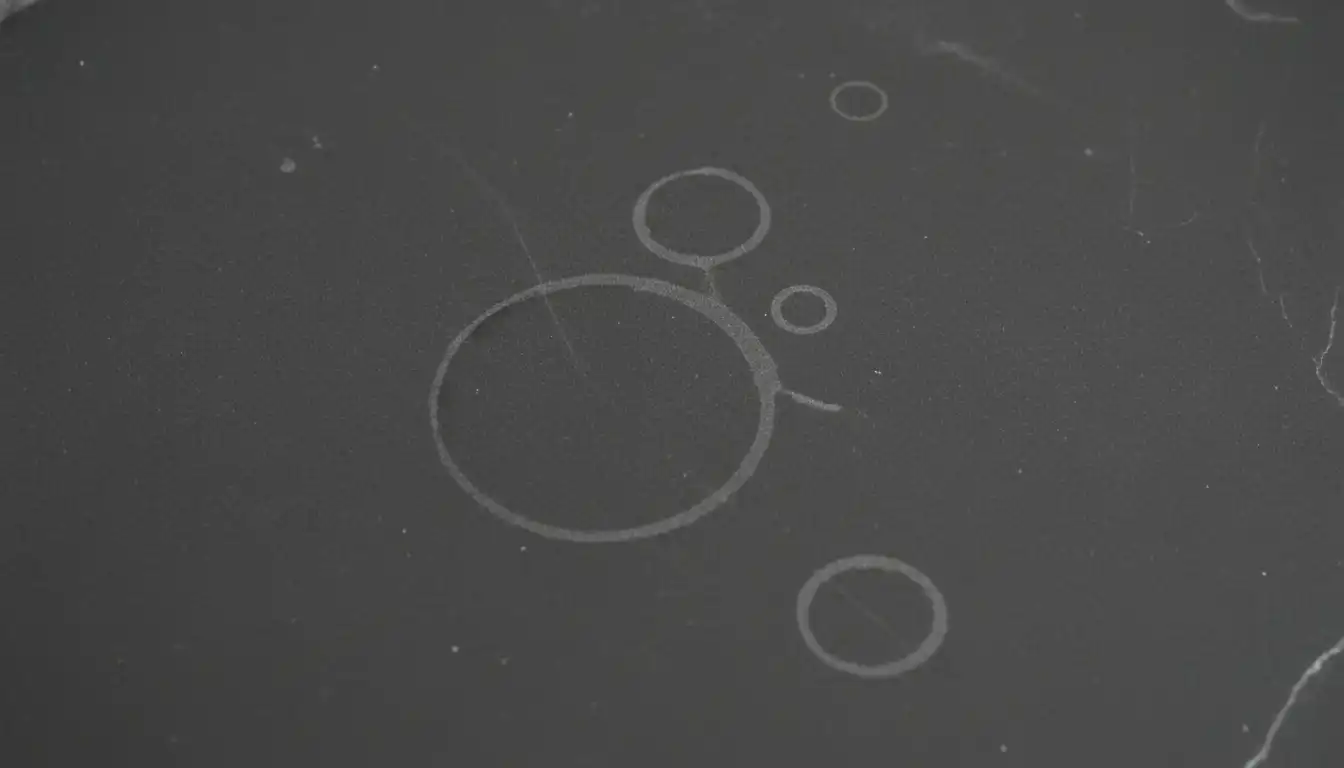
But here’s the truth: that water ring is not a stain. It’s not damage. It is a completely normal, and easily fixable, characteristic of this unique natural stone.
Understanding why these rings appear is the first step to confidently caring for your countertops. Unlike porous stones like marble, soapstone is chemically inert and dense, meaning liquids can’t soak in to cause a true stain. The “ring” is simply a temporary alteration of the surface patina.
You'll Learn About
The Science Behind the Ghostly Rings: What’s Really Happening?
To truly understand water rings, you must understand the nature of soapstone itself. It’s a metamorphic rock composed primarily of talc, which gives it that signature soft, soapy feel. This high talc content is also why it’s so non-porous and resistant to chemical etching from acids like lemon juice or wine.
Most soapstone countertops are treated with mineral oil or a special stone wax. This treatment doesn’t seal the stone—it doesn’t need sealing—but rather accelerates the natural darkening process, called oxidation. This gives the stone a deep, uniform charcoal or black appearance.
Patina Disruption: Not a Stain
When a glass of water sits on the counter, the condensation or water itself simply washes away a tiny amount of the mineral oil on the surface. It essentially cleans a small spot down to the stone’s natural, lighter gray state. The ring you see is the contrast between the oiled, dark surface and the clean, lighter stone where the water was.
The water evaporates, but the lighter spot remains until the area is re-oiled or naturally re-oxidizes over time to match the surrounding area. It’s a visual trick, not a flaw in the stone.
The Impact of Hard Water
While a simple water ring is just displaced oil, hard water can introduce another variable. If your home has hard water, the ring might also contain microscopic mineral deposits (calcium and magnesium) left behind after the water evaporates. These can appear as a slightly chalky or more stubborn white film.
This is where understanding your water quality becomes part of your home maintenance strategy. Investing in a good water softener can prevent not just these issues on your countertops, but also mineral buildup in your pipes and appliances. Considering various water softener reviews can help you find a system that protects your entire home, including your beautiful stone surfaces.
Your Step-by-Step Guide to Erasing Water Rings From Soapstone
Now that you know a water ring isn’t a catastrophe, fixing it is remarkably simple. There are a few methods, ranging from doing nothing at all to a light touch-up for more persistent spots.
Method 1: The Easiest Fix is Patience
For faint rings, often the best solution is to wait. As the area is exposed to the air, it will begin to oxidize and darken on its own. Within a day or two, the ring may simply vanish as it blends back into the surrounding patina.
This is the beauty of soapstone; it’s a living surface that evolves. Minor inconsistencies often resolve themselves without any intervention.
Method 2: The Go-To Solution with Mineral Oil
This is the standard and most effective method for instantly removing any water ring. All you are doing is reapplying the oil that the water washed away.
First, ensure the area is completely clean and dry. Use a gentle soap and water solution if needed. Then, apply a small dab of food-grade mineral oil directly to the ring and gently buff it with a clean, soft cloth. Use circular motions to blend it into the surrounding countertop, then wipe away any excess. The ring will disappear before your eyes.
Method 3: Addressing Stubborn Rings and Mineral Deposits
If a ring from hard water is particularly stubborn, you may need a slightly more hands-on approach. This method involves a very light abrasive to remove the mineral film without harming the stone.
Start with the least abrasive option: a non-scratch scouring pad. Gently scrub the ring to see if the mineral deposit will lift. If that doesn’t work, you can use a very fine-grit sandpaper, such as 220 or 400 grit. Lightly sand the ring itself, feathering the edges to blend the area. The goal is just to remove the surface deposit, not to grind down the stone. Once the ring is gone, clean the dust away and re-apply mineral oil to restore the dark color.
Prevention Strategies: Keeping Your Soapstone Looking Flawless
While fixing water rings is easy, minimizing their appearance is even easier. A consistent care routine will keep your soapstone looking uniformly dark and beautiful.
The single most effective preventative measure is a regular oiling schedule. A well-seasoned countertop has a more stable patina that is less susceptible to noticeable water spots. In the first year, you might oil your counters once a month, then transition to a few times a year as the patina fully develops.
Daily Habits for Perfect Countertops
Simple habits make a big difference. Using coasters for beverages, placing trivets under hot pots, and wiping up spills promptly will go a long way. While soapstone is incredibly durable, these practices help maintain a consistent and even surface appearance.
This proactive approach is part of creating a kitchen that is both beautiful and functional. The choice of materials, from the countertops to the backsplash, plays a huge role. For example, the timeless appeal of soapstone often pairs beautifully with classic backsplashes, where even the choice of grout for white subway tile can influence the kitchen’s overall aesthetic.
The Great Debate: To Oil or Not To Oil?
A growing number of homeowners are choosing to leave their soapstone completely natural, forgoing oil or wax entirely. In its unoiled state, soapstone is a beautiful, light-to-medium gray. It will still develop a patina over time, darkening in areas of heavy use, especially with exposure to oils from hands and cooking.
On unoiled soapstone, water rings are virtually invisible because there is no dark, oiled surface for them to contrast against. However, you will notice dark spots from oil or greasy foods more readily. These, too, can be cleaned or gently sanded away, but it’s a different approach to care. The decision to oil is purely aesthetic and depends on whether you prefer a dark, uniform surface or a more rustic, evolving gray.
Soapstone Troubleshooting at a Glance
Soapstone is one of the most forgiving countertop materials available. Almost any cosmetic issue can be easily remedied by the homeowner. This table breaks down common concerns and their simple solutions.
| The Issue | What It Looks Like | The Simple Solution |
|---|---|---|
| Faint Water Ring | A light, ghostly circle on an oiled surface. | Wait for it to evaporate or apply a small amount of mineral oil and buff. |
| White, Chalky Ring | A more opaque white ring, often from hard water. | Gently scrub with a non-scratch pad. If needed, lightly sand with 400-grit sandpaper and re-oil. |
| Light Scratch | A fine, white or light gray line on the surface. | Apply mineral oil. For deeper scratches, sand lightly with 220-grit sandpaper and then re-oil. |
| Oily Spot | A dark spot on an unoiled surface, often from cooking oil or greasy hands. | Clean thoroughly with a good degreasing soap. The spot will fade over time. |
Embracing the Living Finish of Soapstone
Choosing soapstone is about more than just its appearance; it’s about embracing a material that lives and evolves with your home. Its warmth, silky texture, and incredible durability make it a standout choice in any kitchen design. Many homeowners find that the unique qualities of soapstone pair wonderfully with other natural materials.
For instance, the trend of mixing materials is perfectly embodied in kitchens that feature both soapstone and butcher block. The deep, cool tones of the stone create a stunning contrast with the warmth of the wood, a combination explored in our guide to soapstone and butcher block counters.
Ultimately, the occasional water ring is not a flaw but a feature of this dynamic material. It’s a gentle reminder of the life and activity in your kitchen. With the simple knowledge of how to address it, you can feel confident and empowered, knowing your soapstone countertops will remain beautiful for a lifetime.
