
Water Damage on Wall By Shower? Your 5-Step Repair Guide
You see it starting as a small, faint stain. Or maybe the paint is just starting to bubble. That spot of water damage on the wall next to your shower is an all-too-common discovery for homeowners, and it’s a sign that demands immediate attention.
Ignoring it allows a small issue to escalate into a costly repair involving mold remediation and structural fixes. But tackling it promptly can save you thousands and protect your home.
This guide will walk you through identifying the source of the leak, assessing the extent of the problem, and a step-by-step process for repairing the wall, so your bathroom looks pristine and stays dry.
You'll Learn About
First, Stop the Source: Pinpointing the Leak’s Origin
Before you can even think about patching drywall, you must play detective and find the water source. Fixing the wall without fixing the leak is a pointless exercise. The damage will simply return.
Most leaks fall into one of a few common categories. Start with the simplest explanations first before assuming the worst.
The Obvious Culprits: Grout and Caulk Failure
The caulk and grout lines in your shower are its first line of defense. Over time, these seals can shrink, crack, and pull away from the wall or tile, creating a direct path for water to seep through.
Carefully inspect the seam where the shower tile meets the wall, especially along the bottom and in the corners. Look for any visible gaps, cracks, or areas where the caulk or grout is missing or looks moldy and deteriorated.
Hidden Dangers: Leaky Plumbing and Faucets
A slow, persistent drip from a supply line or the shower valve behind the wall can saturate drywall for months before you notice a problem. This type of leak is often more damaging because it goes undetected for so long.
Check for any visible drips around the faucet handles, shower head, or tub spout. If you can access the plumbing from behind the wall (through a closet, for example), look for any signs of moisture or corrosion.
The Splash Zone: Inadequate Shower Doors or Curtains
Sometimes the problem isn’t a leak in the wall, but water escaping the shower enclosure itself. A poorly fitting shower curtain or a frameless door that isn’t properly sealed can allow water to splash out and pool against the adjacent wall with every use.
The relationship between the shower enclosure and the spray is critical. Even small details, like making sure the shower door is higher than the shower head, can impact how much water is contained. Consider checking if your shower door setup is contributing to splash-out.
The Silent Destroyer: Failed Waterproofing Membrane
Here is a critical point many homeowners miss: tile and grout are not waterproof. They are water-resistant, but they rely on a waterproof membrane installed behind the tile board to keep the wall cavity dry.
If this membrane was installed incorrectly or has been compromised, water will slowly pass through the grout and saturate the drywall behind it. This is a major issue that often requires a professional to address, as it may involve removing tile to fix the source.
Assessing the Damage: How Bad Is It Really?
Once you’ve stopped the leak, you need to determine the extent of the damage. Is it a simple cosmetic fix, or is there a deeper problem lurking beneath the surface?
Surface-Level Issues: Stains and Peeling Paint
If the only signs are light brown discoloration or minor paint bubbling, you may be in luck. This often indicates that the water has only affected the surface layer of the paint and possibly the very top paper layer of the drywall.
These issues are often caused by high humidity or minor splashing and can sometimes be resolved with less intensive repairs.
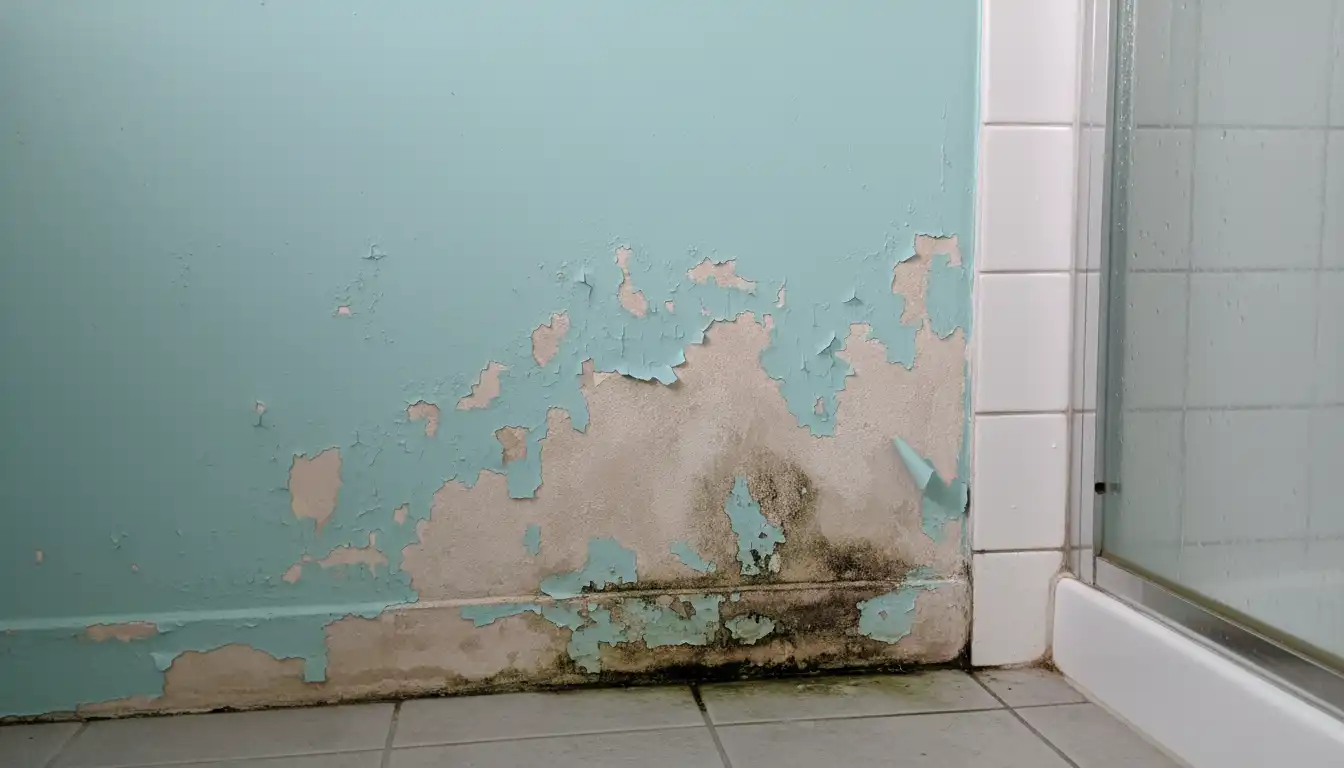
Deeper Problems: Soft Drywall and Spongy Walls
This is the definitive test. Gently but firmly press on the damaged area with your thumb. If the wall feels soft, spongy, or crumbly, the drywall’s structural integrity is gone.
Water has fully saturated the gypsum core, turning it to mush. There is no saving it at this point; the affected section must be cut out and replaced entirely. This is the most common scenario for persistent leaks.
The Health Hazard: Identifying Mold and Mildew
Where there is persistent moisture, there is often mold. Look for black, green, or dark brown spots on the wall’s surface. You may also notice a musty, earthy smell.
If you suspect mold, it’s crucial to wear a mask and gloves during the assessment and repair process. Widespread mold is a health hazard and may require professional remediation.
Your Step-by-Step Guide to Repairing the Damaged Wall
If you’ve determined the damage requires replacing a section of drywall, you can often do it yourself with some basic tools and patience. This process is for a standard drywall repair; extensive mold or structural issues require a pro.
Step 1: Safety First & Preparation
Put on your safety glasses, dust mask, and gloves. Lay down plastic sheeting or a drop cloth to protect your bathroom floor. If you’ll be working near any outlets, turn off the corresponding breaker at your electrical panel.
Step 2: Remove the Damaged Material
Using a utility knife and a straight edge, score a square or rectangular outline around the entire damaged area. Make sure your lines extend at least a few inches into clean, dry, solid drywall on all sides.
Cut through the drywall carefully and remove the mushy section. Be cautious of any plumbing pipes or electrical wires that might be behind the wall.
Step 3: Inspect and Dry the Cavity
With the wall open, inspect the wood studs and the interior cavity for any signs of mold or rot. If you see significant mold, stop and call a professional. Minor surface mildew can often be cleaned with a specialized mold-killing primer.
Point a fan into the wall cavity and let it run for at least 24-48 hours, or until the area is completely bone dry. Do not proceed until you are certain all moisture is gone.
Step 4: Patching the Wall
Cut a new piece of drywall to fit the opening you created. For bathroom repairs, it is essential to use moisture-resistant drywall, often called “green board,” for its enhanced protection against humidity.
Secure the patch to the wall studs using drywall screws. If your hole doesn’t land on studs, you may need to add small wood backing boards inside the wall cavity to give you something to screw the patch into.
Step 5: Taping, Mudding, and Finishing
Apply fiberglass mesh tape over the seams of your new patch. Using a putty knife, apply a thin layer of joint compound (mud) over the tape, feathering the edges outward to blend with the existing wall.
Allow it to dry completely, then apply a second and possibly a third coat, sanding lightly between each coat to achieve a smooth, seamless finish. This step takes patience, but it’s the key to an invisible repair.
Step 6: Priming and Painting
Once the final coat of joint compound is dry and sanded smooth, you’re ready for finishing. Apply a coat of moisture-resistant primer specifically designed for high-humidity environments like bathrooms.
Finish with two coats of high-quality bathroom paint with a satin or semi-gloss finish. These finishes are more durable and easier to clean than flat paints, providing better resistance to future moisture.
| Damage Level | Typical Cause | DIY Feasibility | Estimated Professional Cost |
|---|---|---|---|
| Minor Stain / Peeling Paint | High humidity, minor splash-out | High (Clean, sand, prime, paint) | $150 – $350 |
| Soft Drywall (Small Area) | Failed caulk, minor splash leak | Medium (Cut, patch, finish drywall) | $350 – $750 |
| Extensive Soft Wall / Mold | Persistent leak, failed membrane | Low (Requires professional remediation) | $750 – $2,500+ |
| Structural Wood Rot | Long-term, severe leak | Not Recommended (Requires a general contractor) | $2,500 – $10,000+ |
Prevention is Key: Fortifying Your Shower for the Future
Once your wall is repaired, the final step is to ensure this never happens again. A little proactive maintenance goes a long way in preventing future water damage.
The Power of Proper Sealing
Make it a habit to inspect your shower’s caulk and grout lines every six months. At the first sign of cracking or peeling, remove the old caulk or grout completely and apply a fresh, high-quality line of 100% silicone caulk for bathrooms.
Upgrading Your Waterproofing
If you’re planning a full bathroom remodel, invest in a modern, top-tier waterproofing system like a sheet membrane or a liquid-applied membrane. While materials like a linoleum shower wall offer a grout-free alternative, proper waterproofing behind any material is paramount for longevity.
Managing Bathroom Humidity
Your bathroom’s exhaust fan is your best friend in the fight against moisture. Run it every time you shower and for at least 20-30 minutes afterward to vent humid air outside. Ensure the fan is clean and functioning properly.
Material choices outside the shower matter as well. For instance, when designing the bathroom floor, understanding how a material like wood look tile performs next to hardwood is crucial for preventing moisture-related floor damage at the transition.
When to Call a Professional
While many smaller repairs are DIY-friendly, some situations absolutely require a professional. Don’t hesitate to call for help if you encounter any of the following:
- Widespread Mold: If mold covers more than a few square feet or is deep within the wall cavity.
- Plumbing Work: If you’ve traced the leak to a pipe or valve inside the wall and are not a confident plumber.
- Structural Damage: If you discover that the wood studs behind the drywall are soft, dark, or rotting.
- Feeling Overwhelmed: If the job is simply bigger than you’re comfortable handling, a professional can ensure it’s done right.
Tackling water damage on the wall next to your shower is a crucial homeowner task. By identifying the source, properly assessing the damage, and performing a thorough repair, you not only restore the beauty of your bathroom but also protect the long-term health and value of your home.
