Warm Colored Flowers: Unlock a Vibrant, Sizzling Garden That Stops Traffic
Is your garden missing a certain spark? Many gardeners spend countless hours planting, watering, and weeding, only to feel that the final result lacks energy and emotion. The problem often lies not in the health of the plants, but in the unintentional and chaotic use of color.
A garden without a clear color story can feel disjointed and visually confusing, failing to create the immersive, mood-lifting experience you crave. This is where the power of a warm color palette comes in. By harnessing the energy of reds, oranges, and yellows, you can transform a lackluster space into a vibrant, welcoming oasis that feels alive with passion and cheerfulness.
You'll Learn About
The Psychology of a Warm Garden: More Than Just Pretty Petals
Color is a powerful tool in landscape design, capable of influencing mood and perception. Warm colors—the fiery reds, sunny yellows, and cheerful oranges—are psychologically associated with energy, happiness, and warmth. They are colors that advance visually, meaning they appear closer than they are, making large spaces feel more intimate and drawing your attention to specific areas.
A garden filled with these hues feels dynamic and exciting. It’s the perfect backdrop for social gatherings, outdoor dining, and lively conversation. The key challenge, however, is to use these powerful colors without creating a scene that is overwhelming or chaotic. The solution lies in understanding how to balance intensity, repetition, and texture.
Mastering the Art of the Warm Palette: From Blah to Breathtaking
Creating a sophisticated warm-toned garden is about more than just planting red and yellow flowers next to each other. It involves a deliberate design strategy to create harmony and visual flow. With the right techniques, you can craft a garden that looks professionally designed and emotionally resonant.
One of the most effective, yet rarely discussed, strategies for achieving a high-end look is a concept called “Color Echoing.” This involves selecting a primary warm hue and repeating it throughout your garden in various tints, tones, and textures. This repetition creates a powerful sense of cohesion and rhythm, guiding the eye through the landscape and making the entire design feel intentional and unified.
Your Blueprint for a Fiery Garden: Selecting the Right Warm Colored Flowers
The foundation of your vibrant garden is, of course, the plants themselves. Choosing a variety of flowers that bloom at different times, grow to different heights, and offer different textures is crucial. This ensures your garden remains dynamic and interesting from the first blush of spring to the final days of fall.
Consider the full spectrum of warm tones. Beyond primary red and yellow, explore shades like deep burgundy, soft apricot, rich gold, and fiery coral. Combining these nuanced shades will add depth and sophistication to your design. For example, pairing bold red dahlias and roses can create a stunning focal point, especially when softened by surrounding golden-yellow Coreopsis.
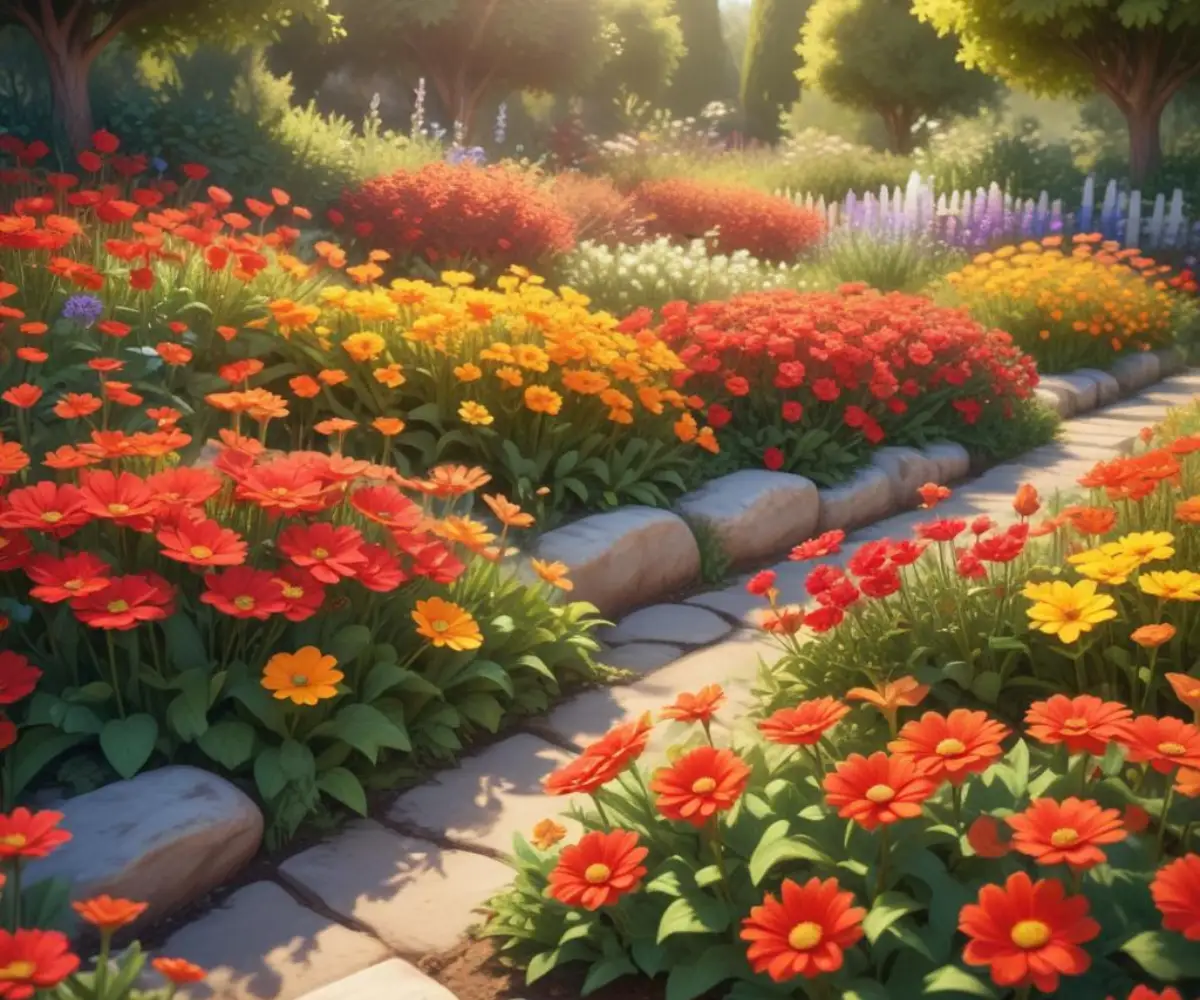
Sun-Loving Stars: Flowers That Thrive in the Heat
Many of the most brilliant warm-colored flowers are sun worshippers, unleashing their most intense colors under bright light. These plants are perfect for the main stage of your garden, where they can soak up the rays and command attention. When planning, think about layering these plants by height to create a lush, multi-dimensional look.
Top performers for full sun include:
- Zinnias: Available in a dazzling array of reds, oranges, and yellows, zinnias are easy to grow from seed and will bloom profusely all summer long. They are magnets for pollinators.
- Marigolds: These cheerful annuals are famously resilient and come in shades from pale yellow to deep reddish-orange. They are also known for deterring certain pests.
- Sunflowers: The quintessential yellow flower, sunflowers add dramatic height and a cheerful disposition to any garden. Varieties range from dwarf types to towering giants.
- Daylilies (Hemerocallis): Exceptionally hardy perennials, daylilies offer a huge range of warm colors. While each flower lasts only a day, a single plant produces a succession of blooms for weeks.
Partial Shade Performers: Bringing Warmth to Cooler Corners
Even the shadier parts of your garden can glow with warm colors. While the options may be fewer, several plants with vibrant flowers or foliage can brighten up areas with dappled sunlight or morning sun only. Using these plants prevents shadier spots from becoming dull, forgotten corners.
Excellent choices for partial shade:
- Begonias: Tuberous and wax begonias offer brilliant red, orange, and yellow flowers and often have interesting foliage. They are perfect for containers and borders in shaded areas.
- Coral Bells (Heuchera): While their flowers are often delicate, many varieties of Heuchera are prized for their stunning foliage in shades of amber, orange, and deep red.
- Astilbe: Known for their feathery plumes, some Astilbe varieties, like ‘Fanal’ (red) or ‘Peach Blossom’, bring soft warmth and texture to shady, moist spots.
Advanced Color Strategies: The Secret to a Designer Look
To elevate your garden from simply pretty to truly stunning, incorporate more advanced color theory principles. These techniques help create balance, highlight focal points, and add a layer of professional polish to your design. Don’t worry if your plant selections aren’t perfect the first time; gardening is an iterative process. Even a seemingly unrelated issue, like discovering a purple cockroach in your garden, is a reminder that nature is full of surprises and learning opportunities.
Using Monochromatic and Analogous Schemes
A monochromatic scheme uses different shades and tints of a single color. For example, a garden bed dedicated to the color red could feature the deep crimson of a ‘Black Baccara’ rose, the bright scarlet of a salvia, and the soft pinkish-red of a diascia. This creates a look that is both dramatic and elegantly cohesive.
An analogous scheme uses colors that are next to each other on the color wheel, such as red, orange, and yellow. This approach naturally creates a harmonious and pleasing gradient of color. The key is to let one color dominate and use the others as accents to avoid visual competition.
The Power of Contrast: Using Cool Tones to Make Warm Colors Pop
Sometimes, the best way to highlight your warm-colored flowers is to pair them with a touch of coolness. A splash of blue or purple creates a strong focal point and makes the reds and yellows appear even more vibrant. For example, planting golden-yellow Black-Eyed Susans in front of a backdrop of deep purple salvia can be absolutely breathtaking.
Foliage is another powerful tool for contrast. The silvery leaves of Lamb’s Ear or the blue-green blades of ornamental grasses can provide a cool, neutral canvas that makes the fiery colors of your flowers truly sing. This thoughtful pairing is a hallmark of sophisticated garden design.
A Season-by-Season Guide to Warm Colored Flowers
A truly magnificent garden offers visual interest throughout the year. Planning your warm-colored display with seasonality in mind ensures you’ll always have something vibrant to enjoy. Even when dealing with specific plant issues, like a case of tomatillo not fruiting, having a succession of blooms elsewhere keeps the garden lively.
The following table provides a quick-reference guide to help you select the perfect warm-colored flowers for every season, ensuring your garden remains a beacon of warmth and energy year-round.
| Season | Flower Examples (Full Sun) | Flower Examples (Partial Shade) | Design Tip |
|---|---|---|---|
| Spring | Tulips (Red, Yellow, Orange), Daffodils (Yellow), Wallflowers (Orange, Red) | Primrose (Yellow), Bleeding Heart (Pinkish-Red), Lenten Rose (Burgundy shades) | Use bulbs to create dramatic, early-season bursts of color that wake up the garden. |
| Summer | Zinnias, Marigolds, Sunflowers, Red Hot Poker, Coreopsis (Yellow), Gaillardia (Red/Yellow) | Begonias (Red, Orange, Yellow), Impatiens (Orange, Red varieties), Astilbe | Focus on drought-tolerant perennials and annuals that can handle the heat and provide continuous blooms. |
| Autumn | Chrysanthemums (Yellow, Orange, Bronze), Helenium (Sneezeweed), Sedum ‘Autumn Joy’ (turns reddish-bronze) | Japanese Anemone (deep pinks), Toad Lily (spotted, warm tones), Golden Japanese Forest Grass | Choose plants that peak in late summer and fall to extend the vibrant season and complement the changing leaves. |
| Winter | Witch Hazel (Yellow, Orange), Winter Aconite (Yellow), Red-twig Dogwood (stems) | Hellebores (deep reds/yellows), Mahonia (Yellow flowers), Firethorn (Pyracantha) with orange/red berries | In winter, focus on plants with colorful stems, berries, or very early blooms to provide critical visual interest. |
Your Garden, Your Fiery Masterpiece
Designing with warm-colored flowers is an invitation to be bold, cheerful, and expressive. By moving beyond a random collection of plants to a thoughtful, well-designed color scheme, you can unlock your garden’s true potential. Embrace the energy of reds, the cheer of yellows, and the enthusiasm of oranges.
Start by identifying a problem area you want to energize, choose your plants with a clear strategy in mind, and don’t be afraid to experiment. With these principles and a little planning, you can create a sizzling, vibrant garden that not only stops traffic but also fills your outdoor space with warmth and joy all year long.