
Walkout Basement Addition: Unlock Your Home’s Hidden Potential
Many homeowners face a common dilemma: a growing need for more living space colliding with the limitations of their property. You feel boxed in, your family is expanding, or you desperately need a dedicated home office, but the thought of a conventional home addition is daunting. The high costs, significant disruption, and loss of precious yard space can make it seem like an impossible dream.
This challenge often leaves a home’s most underutilized asset completely overlooked: the basement. Traditional basements are frequently dark, damp, and feel disconnected from the rest of the home and the outdoors. The problem is how to transform this neglected area into a bright, functional, and valuable living space without the typical drawbacks of a major renovation.
A walkout basement addition is the transformative solution that directly addresses this problem. By converting a subterranean space into a ground-level exit, you not only add square footage but also introduce natural light, fresh air, and a seamless connection to your garden or patio. This project turns a forgotten floor into one of the most desirable areas of your home.
You'll Learn About
Is Your Property a Candidate for a Walkout Basement Addition?
Before diving into design plans, the first critical step is a feasibility assessment. The ideal property for a walkout basement has a natural slope. This grade difference between the front and back of your house is what makes it possible to have one side of the basement fully above ground, allowing for a standard-sized door and large windows.
If your lot is flat, a walkout is still possible but requires more extensive excavation. This involves creating an artificial slope and installing robust retaining walls to hold back the soil. A structural engineer and a qualified contractor must evaluate your home’s foundation, soil stability, and local zoning regulations to determine if the project is structurally sound and permissible.
The Crucial Role of a Structural Assessment
Adding a walkout entrance means cutting a large opening into your home’s foundation. This is not a DIY task. A structural engineer must be consulted to ensure the integrity of your home is not compromised. They will provide detailed plans for reinforcing the foundation, often specifying steel lintels or underpinning to support the load of the house above the new opening.
Soil composition is another vital factor. A soil test helps determine the ground’s stability and drainage capacity, which dictates the design of the foundation for the addition and the necessary waterproofing measures. Overlooking this step can lead to severe structural and water-related problems down the road.
Navigating the Construction Process: From Groundbreaking to Grand Opening
Once you have engineered plans and the necessary permits, the construction journey begins. Understanding the key phases can help you manage expectations and ensure a smoother process from start to finish. The complexity of the project demands experienced professionals to avoid common pitfalls.
The process typically involves several distinct stages, each requiring specialized skills and careful coordination. From the initial excavation to the final interior finishes, every step is critical to creating a safe, dry, and beautiful new living area.
Step 1: Excavation and Foundation Work
This is where the physical transformation begins. Heavy machinery will be used to dig out the area for the new entrance, creating the necessary grade. For flat lots, this is also when retaining walls are constructed. It is essential to protect the existing foundation during this phase to prevent any damage.
After excavation, new concrete footings and foundation walls are poured for the addition. This is also the most critical time for implementing a comprehensive waterproofing strategy. Applying a waterproof membrane to the exterior of the new and existing foundation walls is a crucial defense against moisture intrusion.
Step 2: Cutting the Opening and Framing
With the new foundation in place, the crew will carefully cut the opening in your existing basement wall according to the engineer’s specifications. Structural supports are installed before any cutting begins to maintain the home’s stability. Once the opening is created, the new exterior walls, door, and windows are framed.
This stage is where your vision starts to take physical shape. You’ll see the influx of natural light for the first time, transforming the feel of the entire basement. Proper sealing and flashing around the new door and windows are vital to prevent drafts and leaks.
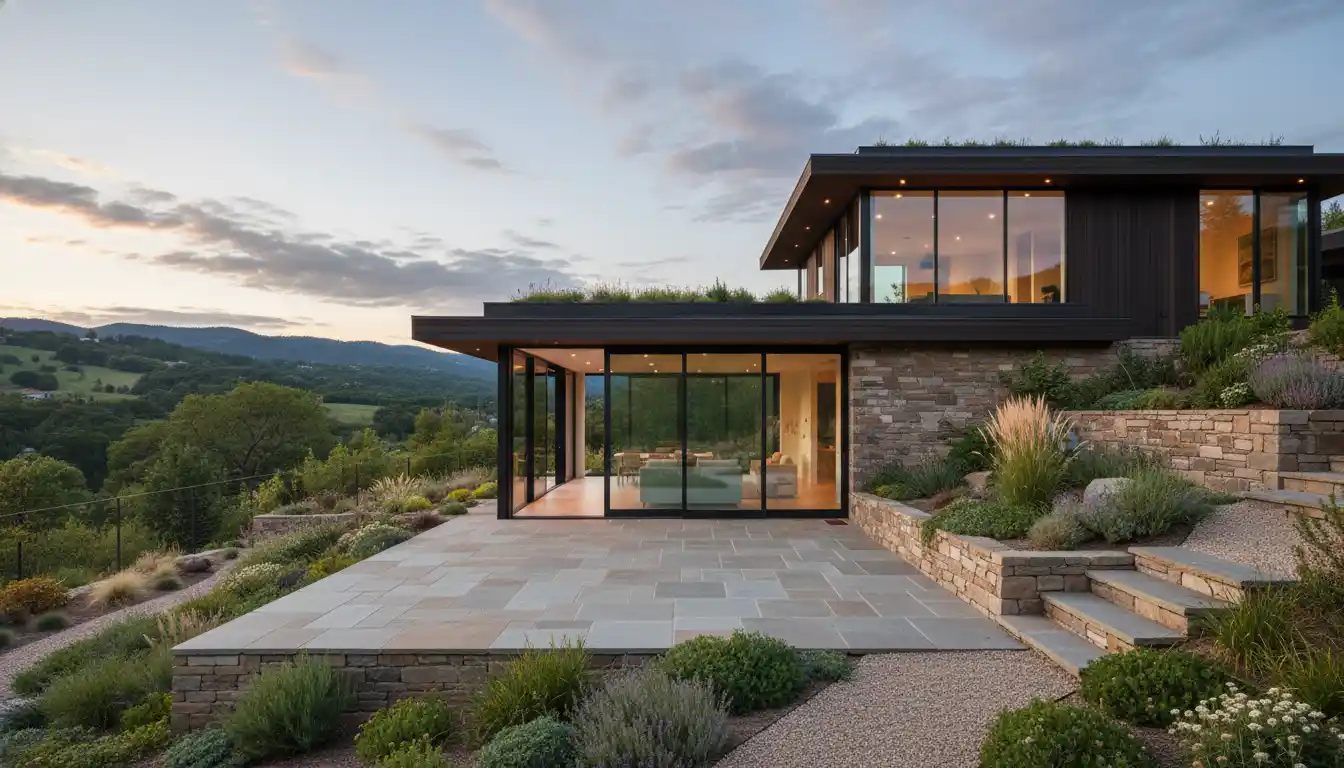
Step 3: Drainage Systems and Backfilling
Water management is the single most important aspect of a successful walkout basement addition. Without proper drainage, you are inviting leaks, mold, and foundation damage. A multi-layered approach is the best defense against water-related issues.
An exterior French drain or weeping tile system should be installed around the perimeter of the new foundation to collect and divert groundwater. This system connects to a sump pump or drains away from the house via gravity. The landing area outside the walkout door must also have a dedicated drain to handle rain and snowmelt, which should be connected to your home’s main plumbing system, not just a simple dry well.
Step 4: Interior Finishing and Landscaping
With the structure secure and waterproof, the focus shifts to the interior. This includes insulation, electrical wiring, plumbing, drywall, and flooring. When considering flooring options, the durability and moisture resistance of luxury vinyl are worth exploring; you can find helpful reviews on Vesdura vinyl plank flooring to guide your choice.
Simultaneously, the exterior landscaping is completed. This includes final grading to ensure water flows away from the foundation, as well as building patios, walkways, and garden beds. Thoughtful landscaping creates a seamless transition between your new indoor living space and the outdoors, maximizing the enjoyment of your addition.
Design Ideas: What Will Your New Space Become?
A walkout basement addition opens up a world of possibilities. The direct access to the outdoors and abundant natural light make it suitable for almost any function. This isn’t just a basement; it’s a new, fully integrated level of your home.
The key is to design the space based on your family’s unique needs and lifestyle. Whether you need a space for relaxation, work, or entertaining, a walkout basement can be tailored to your specific vision. This versatility is one of its greatest assets.
Popular Uses for a Walkout Basement
The flexibility of a walkout basement allows it to serve many purposes, often increasing its value and utility. A few popular options include creating a comfortable in-law suite with a private entrance. It can also be designed as an entertainment hub complete with a home theater and wet bar.
Another common use is a spacious home office or gym that feels open and energizing. You could also create a bright and accessible playroom for children that connects directly to the backyard. The possibilities are truly extensive.
| Use Case | Key Features | Estimated Cost Factor | Primary Benefit |
|---|---|---|---|
| In-Law Suite / Rental Unit | Kitchenette, full bathroom, separate bedroom, private entry | High | Potential for rental income or multi-generational living |
| Entertainment Zone | Wet bar, home theater wiring, open concept layout | Medium | Ideal for hosting gatherings and family activities |
| Home Office & Gym | Good lighting, dedicated electrical circuits, durable flooring | Low to Medium | Creates a functional, separate space for work and health |
| Children’s Playroom | Open space, durable surfaces, easy outdoor access | Low | Provides a safe and bright area for kids to play |
The Unspoken Benefits and Hidden Considerations
Beyond the obvious gain in living space, a walkout basement offers unique advantages that other home additions cannot match. It fundamentally changes the character of your lower level, transforming it from a “basement” into a “terrace level.” This simple change in perception has a significant impact on how the space is used and valued.
However, there are also less-discussed details that homeowners must consider. Thinking through these aspects in advance can save you from headaches and unexpected costs during and after the project. Proper planning ensures that the addition serves you well for years to come.
Maximizing Natural Light and Biophilic Design
The connection to the outdoors is a walkout basement’s superpower. Maximize this by installing the largest windows and glass doors your budget and structure will allow. This not only reduces the need for artificial lighting but also has proven benefits for mental well-being by blurring the lines between indoor and outdoor living.
Consider the interior finishing details to enhance this connection. For example, if you’re adding a cozy fireplace, be mindful of the transitions between different materials. Addressing how to fill the gap between a hearth and hardwood flooring ensures a professional and seamless look. This attention to detail elevates the entire space.
Year-Round Practicality and Maintenance
A walkout basement provides a convenient, ground-level access point to your home. This is incredibly practical for moving large furniture or bringing in outdoor equipment. It provides a convenient place to store and access seasonal tools.
This year-round access also means considering maintenance for all seasons. You’ll need a clear path in the winter, so ensuring your outdoor power equipment is in good working order is essential. If you ever hear your snowblower electric starter making a grinding noise, it’s a sign to get it serviced before the first big storm hits.
Impact on Property Taxes and Home Value
Adding a walkout basement is a significant investment that typically yields a high return. Finished, livable square footage below grade—especially with direct outdoor access—is valued much higher than unfinished storage space. It makes your home more attractive to a wider range of buyers, potentially increasing its resale value significantly.
It’s important to remember that this addition will increase your home’s assessed value, which will likely lead to an increase in your property taxes. While this is an added expense, it’s a direct result of the substantial value you’ve added to your property. This investment pays dividends in both quality of life and long-term equity.
Final Words
Investing in a walkout basement addition is a transformative way to maximize your home’s square footage and equity. By inviting natural light and providing seamless outdoor access, you turn an underutilized cellar into a high-value, multi-functional living suite.
While the structural and grading requirements are significant, the payoff is a brighter, more versatile home. It’s the ultimate fix for growing families seeking functional space without expanding their home’s footprint.
