
Variegated Peony Secrets: Unlock a Show-Stopping Garden Bloom
Every gardener dreams of a landscape that stops visitors in their tracks, a living masterpiece of color, texture, and unique beauty. The problem is achieving that “wow” factor without resorting to fussy, high-maintenance plants that demand constant attention. Many gardeners find themselves stuck in a rut, planting the same reliable but unexciting flowers year after year, leaving their garden looking beautiful, but predictable.
The quest for something truly special, a plant that offers multi-season interest and a touch of the exotic, often leads to frustration. Rare plants can be prohibitively expensive, difficult to find, and shrouded in mystery regarding their care. This is where the magnificent variegated peony steps in, offering a breathtaking solution to the mundane garden but bringing with it a unique set of challenges and questions.
You'll Learn About
What Exactly is a Variegated Peony? The Art and Science of a Living Painting
A variegated peony is a peony plant that displays irregular patterns of different colors on its leaves or flowers. This isn’t a disease or deficiency; it’s a genetic trait where some plant cells lack the pigment chlorophyll, resulting in stunning patterns of white, cream, yellow, or even pink against the green foliage. Think of it as a living work of art, with each leaf and petal splashed, striped, or marbled in a unique design.
This striking coloration is what makes them a coveted prize for any garden enthusiast. Unlike standard peonies, which offer a spectacular but brief floral show, variegated peonies provide visual interest from the moment their leaves unfurl in spring until the first frost. This extended season of beauty transforms them from a simple flowering perennial into a foundational foliage plant.
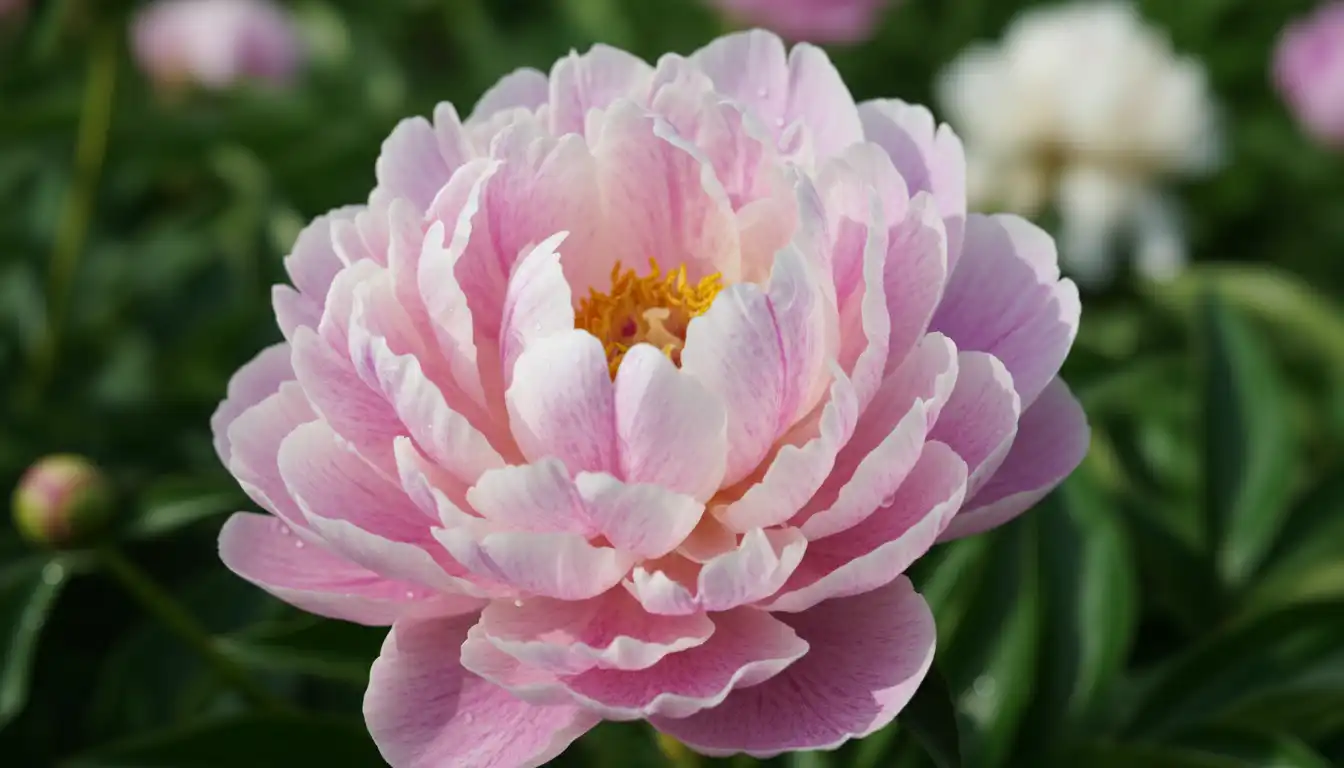
Understanding the “Why”: Genetics and Rarity
The unique appearance of variegated peonies is often due to a genetic mutation. This instability is both the source of their beauty and their rarity. Because the variegation is a less vigorous mutation (the non-green parts of the leaf don’t photosynthesize), the plant is naturally a bit slower growing and more delicate than its solid-green counterparts. This also makes them more challenging to propagate commercially.
The difficulty in propagation, combined with high demand from discerning gardeners, is the primary reason for their scarcity and higher price tag. Acquiring a variegated peony is an investment in a rare botanical gem, much like investing in high-quality home fixtures. The value comes from its lasting beauty and distinctiveness, similar to how one might carefully consider if are Legacy cabinets good quality before a remodel.
Choosing Your Perfect Variegated Peony: A Curated Selection
While still uncommon, several stunning varieties of variegated peonies are available to collectors and dedicated gardeners. They exist across all three main types of peonies: herbaceous, tree, and Itoh (intersectional). Understanding the differences is key to selecting the right plant for your garden’s needs.
Herbaceous varieties die back to the ground in winter, Tree peonies have a woody structure that remains year-round, and Itoh peonies are a hybrid combining the best traits of both. Each type has cultivars that boast spectacular variegation, either in their foliage or their flowers.
A Comparative Look at Popular Varieties
To help you navigate the beautiful world of variegated peonies, here is a table highlighting some noteworthy cultivars. This will help you choose a variety based not just on its looks, but also on its growth habits and suitability for your garden.
| Variety Name | Peony Type | Variegation Feature | Flower Color & Form | Approx. Mature Size | Hardiness Zones |
|---|---|---|---|---|---|
| ‘Kopper Kettle’ | Itoh (Intersectional) | Foliage emerges coppery-red | Coppery-orange with yellow, semi-double | 2.5 ft tall x 3 ft wide | 4-9 |
| ‘White Cap’ | Herbaceous | Foliage with creamy splashes (unstable) | Raspberry-red guard petals with a fluffy white center | 3 ft tall x 3 ft wide | 3-8 |
| ‘Rockii’ Hybrid | Tree | Foliage can show variegation | White to pale pink with dark flares, single to semi-double | 5 ft tall x 4 ft wide | 4-8 |
| ‘Sorbet’ | Herbaceous | Flower Variegation | Layers of pink and creamy-white petals, bomb-double | 2.5 ft tall x 2.5 ft wide | 3-8 |
The Ultimate Planting Guide for Vibrant, Lasting Variegation
The success of your variegated peony hinges on providing the right conditions from day one. While peonies are generally resilient, the variegated forms require more specific care to protect their delicate foliage and encourage stable patterns. Getting the planting process right is the most critical step you will take.
Forget the standard “full sun” advice that applies to most peonies. This is the number one mistake gardeners make with these special varieties and the secret to unlocking their true potential.
The Sunlight Secret: Dappled Light is Key
The most crucial element for variegated peony success is sunlight exposure. While standard peonies crave at least six hours of direct sun, the variegated parts of the leaves lack chlorophyll and are highly susceptible to scorching. Too much direct, intense sunlight will burn the white or cream sections, leaving brown, crispy edges and stressing the plant.
The ideal location is one that receives morning sun and afternoon shade, or a spot with dappled sunlight throughout the day, such as under a high-canopied tree. This provides enough light for photosynthesis in the green parts of the leaves without overwhelming the delicate variegated sections. Getting this balance right is non-negotiable for a healthy, beautiful plant.
Soil Preparation and Planting Depth
Peonies require rich, well-draining soil to thrive. They despise “wet feet,” and waterlogged conditions can quickly lead to root rot, a problem to which these less vigorous varieties can be more susceptible. Before planting, amend your soil generously with compost or well-rotted manure to improve its structure and fertility. If you have heavy clay, incorporating sand or fine grit can improve drainage.
Planting depth is famously critical for all peonies. For herbaceous and Itoh types, position the root so the “eyes” (small reddish buds) are no more than 1.5 to 2 inches below the soil surface. Planting any deeper is a primary cause of flowering failure. For tree peonies, plant them slightly deeper, with the graft union (the swollen area where the peony was joined to the rootstock) about 4 to 6 inches below the soil level.
Mastering Long-Term Care: Keeping Your Peony Healthy and Stable
Once planted correctly, variegated peonies are relatively low-maintenance, but a few specific care practices will ensure they remain a stunning focal point in your garden for decades. Your goal is to provide a stable, stress-free environment that supports the plant’s unique genetic makeup.
Regular maintenance not only keeps the plant healthy but also allows you to monitor it for any signs of trouble, particularly the dreaded reversion.
Watering and Fertilizing for Foliage, Not Just Flowers
Water your newly planted peony regularly during its first year to help it establish a strong root system. Once established, they are quite drought-tolerant but will perform best with a deep watering every week or two during dry spells. Always water at the base of the plant to keep the foliage dry, which helps prevent fungal diseases like powdery mildew.
When it comes to fertilizer, less is more. Use a low-nitrogen fertilizer, such as a 5-10-10 formula, applied in early spring as new growth emerges. Too much nitrogen will encourage lush, weak green growth at the expense of both flowers and the stability of the variegation. The goal is balanced, healthy development.
The Heartbreak of Reversion: How to Fight Back
The biggest fear for any owner of a variegated plant is “reversion.” This is when the plant, in a bid for survival and more efficient photosynthesis, starts producing all-green shoots. Because the all-green growth is more vigorous, it can quickly take over and crowd out the desirable variegated parts if left unchecked.
Vigilance is your best weapon. Regularly inspect your plant for any stems or branches where the leaves are solid green. If you find one, you must act immediately. Using a clean, sharp pair of pruners, trace the all-green shoot back to its point of origin on the main stem or crown and cut it off completely. Do not hesitate; removing this growth is essential to preserving the plant’s variegation.
Designing with Variegated Peonies: A Gardener’s Masterclass
Variegated peonies are true specimen plants, deserving of a prime location where their unique beauty can be appreciated. Their multi-season interest makes them far more versatile in landscape design than their green-leafed cousins. They can serve as a focal point, a textural contrast, or a color echo for other plants.
Think beyond the bloom season. The patterned foliage provides a stunning backdrop for later-blooming perennials and adds brightness to semi-shady corners of the garden long after the flowers have faded.
Creating Stunning Plant Combinations
The key to designing with variegated peonies is to create contrast and harmony. Pair them with plants that have deep, solid-colored foliage to make their patterns pop. Think of companions like purple Heuchera (Coral Bells), dark-leaved Cimicifuga (Bugbane), or deep green ferns. The dramatic effect of patterned leaves against a dark background is a professional design trick, similar to how one might use a bold vantablack wall paint indoors to highlight art.
They are also magnificent as container specimens, especially on a patio or deck. Placed in a large, elegant pot, a variegated peony can become the centerpiece of an outdoor living area. This is particularly effective for an uncovered patio furniture arrangement, where the plant can be admired up close and moved to achieve perfect lighting conditions.
Propagating Variegated Peonies: A Labor of Love
Due to their genetic instability, propagating variegated peonies is a more delicate process than with standard varieties. Growing from seed is not a viable option, as the offspring will not retain the parent’s variegation. The only reliable method for the home gardener is division.
Division should only be undertaken on a mature, well-established plant, typically one that is at least 5-7 years old. The best time to divide peonies is in the fall, about 4-6 weeks before the ground freezes, which allows the new divisions to establish roots before winter.
A Step-by-Step Guide to Division
1. Excavate Carefully: Begin by carefully digging around the entire clump of the peony, giving it a wide berth to avoid damaging the brittle roots. Gently lift the entire root ball from the ground.
2. Clean and Inspect: Use a gentle stream of water to wash the soil from the roots. This will allow you to clearly see the crown and the pink or white “eyes” from which next year’s growth will emerge.
3. Make the Cut: Using a sharp, sterilized knife, divide the clump into sections. Ensure each section has at least 3-5 eyes and a substantial portion of the root system. This is critical for the survival and vigor of the new plant.
4. Replant Immediately: Replant your new divisions as soon as possible, following the planting depth guidelines mentioned earlier. Water them in well and apply a light layer of mulch after the first hard frost to prevent frost heave.
Conclusion: The Reward of a Rare Beauty
Growing a variegated peony is a uniquely rewarding experience for the dedicated gardener. While they demand more specific care regarding light exposure and a watchful eye for reversion, the payoff is immeasurable. These plants offer a level of sophistication and year-round interest that few other perennials can match.
By understanding their unique needs—dappled sunlight, well-drained soil, and prompt removal of reverted growth—you can successfully cultivate these botanical treasures. A variegated peony is more than just a flower; it is a season-long statement of elegance and a testament to the beautiful and surprising variations found in the natural world.
