
Vanessa Bell Rose: Your Guide to a Houzz-Worthy Garden Bloom
Every gardener dreams of a landscape filled with grace, fragrance, and breathtaking beauty. You scroll through platforms like Houzz, admiring perfectly curated gardens, wondering how to achieve that same level of elegance. The search for the perfect plant, one that is both stunning and reliable, can feel overwhelming.
The problem is bridging the gap between inspiration and reality. Many roses promise beauty but deliver frustration in the form of disease, sparse blooms, or unruly growth. This is where the quest for the ideal English shrub rose begins, leading many to the exquisite Vanessa Bell.
You'll Learn About
Why the Vanessa Bell Rose is a Designer’s Darling
The Vanessa Bell rose, a masterpiece from the famed breeder David Austin, is a true standout for its sophisticated charm. It is not a loud, boisterous flower, but one of quiet, commanding elegance. Its beauty lies in its delicate details and remarkable performance.
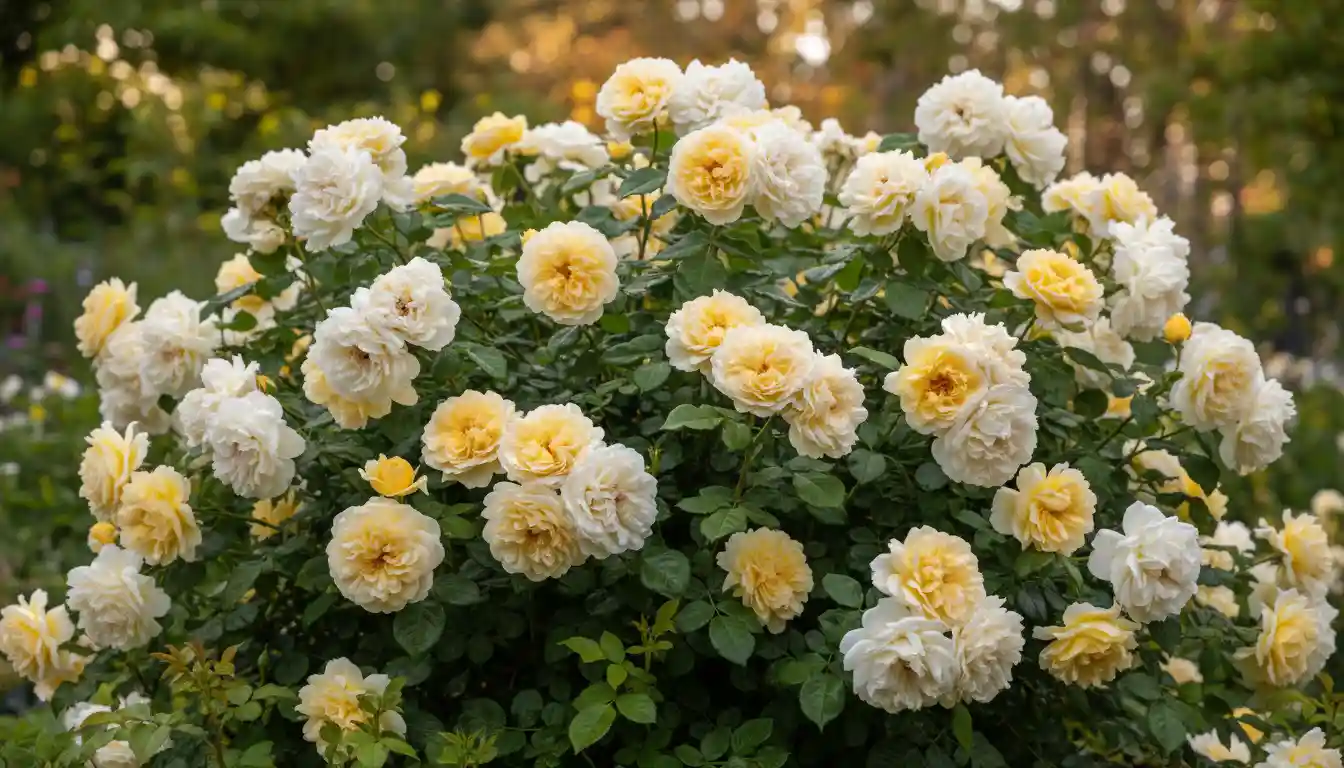
The blooms are medium-sized, held in large, fragrant clusters. They open from pink-tinged buds into deep, cupped rosettes, eventually revealing a rich yellow eye. The color is a soft, pale yellow that can fade to a creamy white at the edges, creating a luminous effect in the garden.
What truly sets it apart is its incredible fragrance. The scent is often described as green tea with notes of fresh lemon and honey. It is a refreshing and clean perfume that is a delight to encounter on a warm summer evening.
The Foundation: Planting Your Vanessa Bell for Guaranteed Success
A spectacular rose display begins long before the first bloom appears. Proper planting is the single most important step in ensuring a healthy, vigorous, and floriferous shrub. Getting this foundation right prevents a host of future problems, from weak growth to disease susceptibility.
First, consider the location. The Vanessa Bell rose thrives in a position that receives at least six hours of direct sunlight per day. Morning sun is particularly beneficial as it helps to quickly dry dew from the leaves, which is a key preventative measure against fungal diseases like black spot.
Next, prepare the soil. Roses are heavy feeders and require rich, well-draining soil to flourish. If you have heavy clay or sandy soil, you must amend it. A good rule of thumb is to dig a hole twice as wide and just as deep as the container the rose came in.
The Professional’s Secret Soil Recipe
For a truly exceptional start, create a custom soil blend. Mix the native soil you removed from the hole with equal parts of high-quality compost or well-rotted manure. Adding a handful of bone meal to the bottom of the planting hole will provide essential phosphorus for strong root development.
When placing the rose in the hole, pay close attention to the bud union. This is the swollen point on the stem where the Vanessa Bell cultivar was grafted onto the rootstock. In colder climates, the bud union should be planted about two to three inches below the soil level to protect it from harsh winter freezes. In warmer climates, it can be at or just above soil level.
Mastering a Year of Perfect Rose Care
Consistent and correct care throughout the seasons is what transforms a good rose into a spectacular one. Understanding the plant’s needs for water, food, and pruning will reward you with a continuous display of stunning blooms. This is how you achieve that coveted, Houzz-worthy look.
Watering is a critical component of rose health. The goal is to water deeply and infrequently, rather than giving a light sprinkle every day. Deep watering encourages the roots to grow further down into the soil, making the plant more resilient during periods of drought. Check the soil about two inches down; if it’s dry, it’s time to water.
Feeding your Vanessa Bell rose provides the energy it needs to produce its magnificent clusters of flowers. Begin feeding in the early spring as new growth appears. Use a high-quality, balanced rose fertilizer according to the package directions. A second feeding after the first major flush of blooms in early summer will encourage repeat flowering.
Mulching is a simple step with profound benefits. Applying a two to three-inch layer of organic mulch, like shredded bark or compost, around the base of the rose will help retain soil moisture, suppress weeds, and keep the roots cool. Be sure to leave a small gap around the main stem to prevent rot.
Pruning for a Prolific Bloom Cycle
Pruning is often the most intimidating task for rose gardeners, but it doesn’t have to be. For the Vanessa Bell rose, there are two main types of pruning. Throughout the blooming season, practice “deadheading” by snipping off spent flowers just above the first five-leaflet leaf. This encourages the plant to put its energy into producing new blooms instead of seeds.
The more significant structural pruning should be done in late winter or early spring, just as the buds begin to swell. The goal is to create an open, vase-like shape that promotes good air circulation. Start by removing any dead, damaged, or crossing branches. Then, reduce the overall height of the shrub by about one-third to one-half, making your cuts at a 45-degree angle about a quarter-inch above an outward-facing bud.
Solving Common Vanessa Bell Rose Problems Like a Pro
Even with the best care, challenges can arise. The key is to identify and address problems quickly before they become severe. The Vanessa Bell rose has good disease resistance, but no rose is completely immune.
The most common fungal disease is black spot, which appears as dark spots on the leaves, often followed by yellowing. The best defense is prevention. Ensure good air circulation through proper pruning and spacing, and avoid overhead watering that leaves foliage wet overnight. If black spot does appear, remove and dispose of the affected leaves immediately.
Pests such as aphids can also be an issue. These small insects tend to congregate on new, tender growth and flower buds. Often, a strong jet of water from the hose is enough to dislodge them. For more persistent infestations, insecticidal soap is an effective and environmentally friendly option.
If your rose is not blooming, it’s time to play detective. The most common culprit is a lack of sunlight. Re-evaluate the planting location to ensure it’s receiving at least six hours of direct sun. Other potential causes include insufficient nutrients or improper pruning, so review your feeding schedule and pruning techniques.
| Season | Task | Primary Goal |
|---|---|---|
| Late Winter / Early Spring | Hard Pruning & Feeding | Shape the plant, remove dead wood, and provide initial nutrients for growth. |
| Spring | Monitor for Pests & Disease | Catch issues like aphids or black spot early before they spread. |
| Summer | Water Deeply & Deadhead | Ensure consistent moisture during heat and encourage repeat blooming. |
| Early Summer | Second Feeding | Provide energy for the next flush of flowers after the first is complete. |
| Fall | Clean Up Debris | Remove fallen leaves to reduce overwintering fungal spores. |
| Late Fall | Apply Mulch | Insulate the root zone and protect the plant from winter temperature swings. |
Design Inspiration: Integrating the Vanessa Bell Rose into Your Landscape
The true magic of the Vanessa Bell rose is its versatility in garden design. Its soft, luminous color acts as a beautiful bridge between stronger, bolder hues and as a highlight in more serene, pastel palettes. This makes it an invaluable plant for creating a cohesive and professional-looking garden.
Companion planting is key to creating a rich, layered garden bed. Pair the Vanessa Bell with plants that have contrasting textures and forms. The spiky purple flowers of Salvia ‘May Night’ or the soft, mounding foliage of hardy geraniums like ‘Rozanne’ create a stunning visual effect. The silvery leaves and purple blooms of lavender are a classic and beautiful partner for pale yellow roses.
This rose is perfectly suited for a variety of garden styles. In a traditional cottage garden, it can be allowed to grow into its natural, bushy form, mingling with other classic perennials. In a more formal border, it can be planted in groups of three or five to create a significant and elegant statement. Its well-behaved, upright habit also makes it an excellent candidate for a large container on a patio or deck.
When planning your garden layout, think about creating a beautiful backdrop for your roses. A well-constructed privacy fence not only creates a secluded sanctuary but also provides a neutral canvas against which the pale blooms of the Vanessa Bell can truly shine. The dark wood or a painted finish can make the delicate flowers pop.
Beyond the Basics: Advanced Tips for a Spectacular Display
To elevate your rose growing from good to truly exceptional, a few advanced techniques can make a significant difference. These are the details that professional landscape designers use to create breathtaking displays. They focus on optimizing plant health and maximizing bloom production.
One such technique is to promote superior air circulation, which is the best defense against fungal diseases. This goes beyond just pruning. When designing your garden, ensure there is adequate space between the Vanessa Bell and its neighbors. This simple consideration is as important in the garden as it is in home design; just as proper installation on shower walls prevents mildew, good airflow prevents black spot.
Consider the use of foliar feeding to supplement your regular fertilizer routine. A diluted spray of seaweed extract or compost tea applied directly to the leaves can provide micronutrients and help the plant better withstand stresses like heat and drought. This can be especially beneficial during the peak of the growing season.
Finally, think about the long-term elements of your garden. The durability of your hardscaping is just as important as the health of your plants. Investing in quality materials for paths and patios is similar to choosing a reliable countertop indoors. A high-quality surface like Silestone Calacatta Gold provides lasting beauty in the kitchen, just as quality stone pavers do in the garden.
Vanessa Bell vs. Other Popular David Austin Roses
Choosing a David Austin rose can be a delightful challenge, as there are many exceptional varieties. Understanding how Vanessa Bell compares to other popular pale roses can help solidify your decision. Each has its own unique character and strengths.
Compared to ‘Wollerton Old Hall’, another popular pale yellow, Vanessa Bell is generally a more upright and compact shrub, making it suitable for smaller spaces. ‘Desdemona’ is a similar-sized shrub but offers white, chalice-shaped blooms with a pinkish hue. While Desdemona has a strong old rose fragrance, Vanessa Bell’s scent is distinctly different with its green tea and lemon notes.
For those desiring a stronger yellow, ‘The Poet’s Wife’ offers a much more intense, unfading yellow color but with a different growth habit. The key is to choose the rose that best fits your color palette, space requirements, and fragrance preference. The Vanessa Bell is often chosen for its sheer number of blooms, its manageable size, and its unique, refreshing scent.
Your Houzz-Worthy Garden Awaits
The journey to creating a garden that mirrors the beauty seen in inspirational photos is one of knowledge and technique. The Vanessa Bell rose is a truly exceptional plant that can be the star performer in your landscape. It offers a rare combination of delicate beauty, delightful fragrance, and commendable vigor.
By understanding its needs and providing the right foundation and care, you can move beyond simply admiring gardens to creating your own. You now have the professional-level guidance required to plant, nurture, and design with the Vanessa Bell rose, ensuring it thrives and produces a breathtaking display season after season.
