
Used Lacanche Range for Sale USA: A Savvy Buyer’s Guide to Finding a Dream Cooker
The allure of a Lacanche range is undeniable. For passionate home cooks and design aficionados, these handcrafted French cookers represent the pinnacle of culinary performance and timeless kitchen style. The problem? A brand new, custom-built Lacanche is a significant financial investment, often reaching tens of thousands of dollars, placing it firmly in the “dream kitchen” category for many.
This creates a powerful dilemma: sacrificing the dream or finding a more attainable path. The burgeoning market for used high-end appliances offers a tantalizing solution. However, navigating the search for a “used Lacanche range for sale USA” is fraught with uncertainty, risk, and a distinct lack of centralized information, leaving potential buyers hesitant and fearful of making a costly mistake.
This comprehensive guide illuminates the path for savvy buyers. We will demystify the process, transforming the daunting hunt into a strategic search. By exploring where to find these elusive ranges, detailing a rigorous inspection checklist, and providing insights into fair market value, this article equips you with the confidence and knowledge needed to acquire the heart of your kitchen at a fraction of the original cost.
You'll Learn About
Why a Pre-Owned Lacanche is a Savvy Chef’s Choice
Opting for a used Lacanche isn’t merely a budget-conscious decision; it’s a strategic investment in quality and longevity. These ranges are famously over-engineered, built by artisans in Burgundy, France, with a focus on durability and repairability over disposability. Their construction features high-quality materials like cast iron, steel, and porcelain enamel, designed to withstand the rigors of a serious kitchen for generations.
The primary benefit is, of course, the significant cost savings. A pre-owned Lacanche can often be acquired for 30-50% less than a new model, making a once-unattainable luxury accessible. Furthermore, you bypass the lengthy lead times associated with custom-building a new range, which can often take months. This allows for greater flexibility in your kitchen renovation timeline.
The Enduring Appeal: More Than Just an Appliance
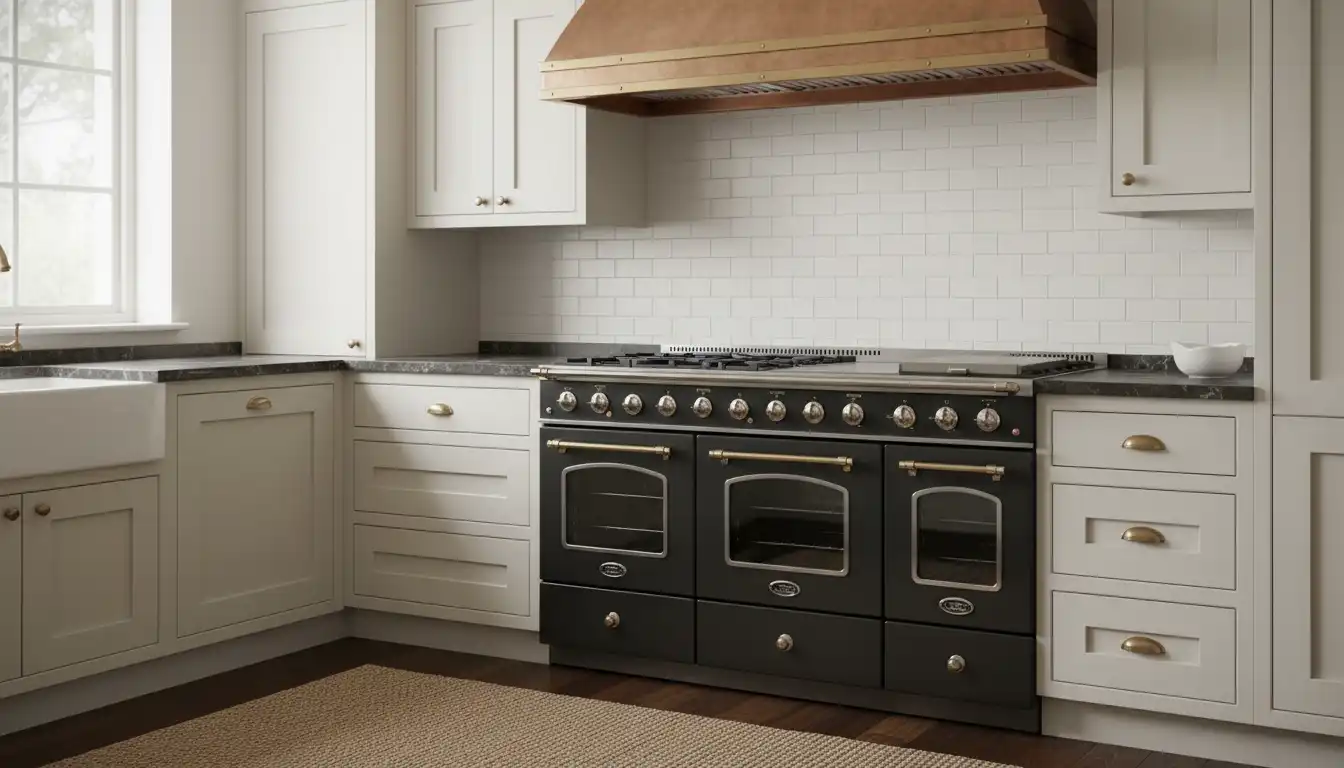
A Lacanche is not just a tool; it’s a statement piece that defines a kitchen’s character. Their classic, elegant design transcends fleeting trends. Whether your home aesthetic is a historic restoration or a modern farmhouse, a Lacanche range integrates seamlessly, adding a touch of soul and heritage. Investing in a used model allows you to capture this enduring style without the premium price tag.
Moreover, the performance of a Lacanche is legendary. The powerful gas burners, versatile oven configurations (gas, electric, convection), and optional features like the French plate or warming cupboards offer a professional-level cooking experience. This performance doesn’t diminish significantly with age, meaning a well-maintained used model will cook just as beautifully as a new one.
The Hunt: Where to Find a Used Lacanche Range for Sale in the USA
Finding a used Lacanche requires patience and persistence. Unlike mass-market appliances, they don’t appear frequently. Success lies in knowing where to look and being prepared to act quickly when an opportunity arises. This is a multi-pronged search that involves both online diligence and local networking.
Your search should be methodical. Start by setting up alerts on various platforms using keywords like “Lacanche range,” “French cooker,” “Lacanche Cluny,” and specific model names if you have a preference. This ensures you are notified the moment one becomes available.
Online Marketplaces & Specialized Resellers
The digital marketplace is your widest net. High-end platforms are often the most fruitful hunting grounds, as they cater to an audience that appreciates luxury goods. Be prepared to vet sellers carefully and ask for extensive documentation and photographs.
Key online destinations include:
- Specialized Resellers: Companies like French Range Buyer or Little Green Kitchens occasionally list used Lacanche ranges. These sellers often pre-vet the appliances, offering a greater degree of security.
- High-End Marketplaces: Websites such as eBay, 1stDibs, and Chairish are prime locations. Look for sellers with excellent ratings and a history of selling high-value items.
- Architectural Salvage and Reuse Centers: Businesses like Green Demolitions sometimes acquire floor models or ranges from kitchen renovations. These can be incredible finds, often with little to no actual use.
- General Marketplaces: While less common, it’s worth monitoring Facebook Marketplace and Craigslist, particularly in affluent metropolitan areas. A homeowner renovating their kitchen may list their range here for a quick sale.
- Forums: Websites like Houzz have dedicated communities of kitchen and appliance enthusiasts. Long threads often exist where users offer their used ranges for sale directly to other members.
The Power of Local Connections
Do not underestimate the power of local networking. Many high-end kitchen remodels are handled by a small circle of designers, contractors, and appliance installers within a given region. Tapping into this network can provide you with leads before a range ever hits the public market.
Consider reaching out to:
- High-End Kitchen Designers and Builders: They are often the first to know when a client is upgrading or changing their kitchen layout. Let them know you are in the market for a used Lacanche.
- Appliance Installation and Repair Services: Technicians who specialize in brands like Lacanche, Wolf, or La Cornue often have a pulse on the local market and may know of clients looking to sell.
The Pre-Purchase Inspection: Your Ultimate Checklist
Once you’ve located a potential range, a thorough inspection is non-negotiable. If you cannot see the appliance in person, insist on a detailed video call where the seller walks you through every component. Do not rely on photos alone, as they can easily hide defects. If possible, hiring a qualified appliance technician to perform the inspection is a worthwhile investment.
This is where due diligence protects you from a bad investment. A beautiful exterior can hide a multitude of functional problems. Ask the seller for the model and serial number beforehand; this can help you research the specific model’s history and potential known issues. The entire process hinges on verifying that the cooker is not just visually appealing but fully functional.
Exterior and Cosmetic Examination
Start with a detailed visual inspection of the entire range. While minor cosmetic flaws are expected with a used item, significant damage can indicate mistreatment or be expensive to repair.
- Enamel Body: Look for chips, deep scratches, or “crazing” (fine cracks in the glaze). Pay close attention to the edges around doors and the cooktop, which are most prone to damage.
- Trim and Knobs: Inspect the brass, chrome, or nickel trim for heavy tarnishing, pitting, or damage. Ensure all knobs are present, turn smoothly, and are not cracked.
- Doors and Seals: Open and close every oven and storage door. They should move smoothly without squeaking and close securely. Check the rubber or braided seals around the oven doors for any tears, brittleness, or gaps that could lead to heat loss.
Cooktop Functionality Test
The cooktop is the workhorse of the range. Every single burner and component must be tested to ensure it operates as it should.
- Gas Burners: Ask the seller to ignite each burner individually. The flame should light quickly and burn a steady, consistent blue color. A yellow or sputtering flame can indicate a problem with the gas mixture or a dirty burner.
- Igniters: Listen for the “clicking” of the electronic igniters for each burner. If a burner fails to light, it could be a simple cleaning issue or a faulty igniter.
- Grates and Burner Caps: Check the cast iron grates for any cracks or significant warping. Ensure the brass or enamel burner caps are present and in good condition.
- Specialty Components: If the range includes a French plate (plancha) or a grill, inspect its surface for excessive wear, warping, or damage.
Oven and Warming Cupboard Verification
Oven performance is critical. A malfunctioning oven can be one of the most expensive components to repair. An inexpensive oven thermometer is an essential tool for this part of the inspection.
- Oven Ignition/Heating: Turn on each oven (both gas and electric). A gas oven should ignite promptly. For all ovens, use an oven thermometer to verify that they reach and hold a set temperature (e.g., 350°F).
- Convection Fans: If the range has convection ovens, listen for the fan to engage when the mode is selected. It should run quietly without any rattling or grinding noises.
- Interior Condition: Inspect the oven interiors for damage to the enamel lining. Check that all oven racks are present and slide smoothly.
- Warming Cupboard: If equipped, test the warming cupboard to ensure it heats up properly.
Decoding the Price Tag: What’s a Fair Price for a Used Lacanche?
Pricing a used Lacanche is more of an art than a science, as there is no official price guide. The value is determined by a combination of factors, including the specific model, age, condition, configuration, and geographic location. Research is key to understanding the market and making a fair offer.
Start by finding the current retail price of a comparable new model. This provides a baseline from which to work backward. Generally, a used range in excellent condition might sell for 50-70% of its original value, while one with more cosmetic wear or in need of minor repairs might fall into the 30-50% range.
Key Factors Influencing Value
| Factor | Description | Impact on Price |
|---|---|---|
| Model & Size | Larger, more complex models like the Sully or Cluny 1400 command higher prices than smaller models like the Volnay or Cormatin. | High |
| Age | While built to last, newer models (less than 5-7 years old) are generally more desirable and retain more value. | Medium |
| Condition | This is a critical factor. A pristine, barely-used range is worth significantly more than one with visible enamel chips, broken knobs, or known functional issues. | Very High |
| Configuration | Desirable features like a French plate, an extra warming cupboard, or a dual-fuel setup can increase the resale value. | Medium |
| Location | Prices may be higher in major metropolitan areas with strong demand. The cost of shipping can also be a significant factor in the total price. | Low |
The Art of Negotiation
Don’t be afraid to negotiate, especially when purchasing from a private seller. Use your inspection findings as leverage. If you’ve identified minor cosmetic flaws or components that may need servicing, you can use these points to justify a lower offer. Always maintain a polite and positive approach, explaining your reasoning clearly.
Be prepared to walk away if the seller is unwilling to budge on a price that you feel is unfair based on your research and inspection. Patience is your greatest asset; another opportunity will eventually arise.
Logistics and Installation: Getting Your Prize Home
Acquiring the range is only half the battle; getting it safely into your kitchen is a significant challenge that requires professional help. Lacanche ranges are incredibly heavy, often weighing between 300 and 600 pounds or more. Attempting to move one without the proper equipment and expertise can result in injury and damage to the appliance, your floors, and your doorways.
You will need to hire professional appliance movers who are experienced with oversized and heavy items. Ensure they are fully insured. When planning the move, carefully measure all doorways, hallways, and corners to ensure there is a clear path. Also, when planning your kitchen layout, you must ensure your flooring and cabinetry are structurally sound enough to support the substantial weight. This makes the choice of robust materials like durable 3/4 inch granite countertops an important consideration for both aesthetics and stability.
Professional Installation is a Must
Installation is not a DIY project. A qualified technician who is licensed and experienced with gas appliances is required to ensure the range is connected safely and correctly. They will need to verify the fuel type (natural gas or propane) and make any necessary conversions. A proper installation is crucial for the safe and efficient operation of your range.
Choosing a statement piece like a Lacanche is about a commitment to quality that often extends throughout a home renovation. It’s a decision process similar to when homeowners carefully weigh their options for other long-term investments, such as choosing between Crystal windows vs. Andersen windows to ensure performance and style. A major kitchen overhaul often inspires other home improvements, as you’re not just upgrading a room but enhancing your entire living experience. As you meticulously plan for your range, you might also find yourself considering projects to improve overall home comfort, perhaps even contemplating adding a new heat zone to a basement.
The Final Verdict: Is a Pre-Owned Lacanche Right for You?
Purchasing a used Lacanche range is a journey that rewards diligence and patience. It offers a unique opportunity to own a piece of legendary French craftsmanship and professional-grade cooking power at a more accessible price point. While the process requires more effort than buying new, the satisfaction of finding that perfect “jewel” for your kitchen is immense.
By arming yourself with the right knowledge—knowing where to look, what to inspect, and how to value these beautiful machines—you can navigate the used market with confidence. You can transform the dream of cooking on a Lacanche into a tangible, delicious reality, creating a warm and inviting heart for your home that will serve your family for decades to come.
