
Unpollinated Tomato Flower? Your Guide to Solving Blossom Drop
There are few sights more exciting in a home garden than a tomato plant covered in vibrant yellow flowers. Each blossom holds the promise of a juicy, homegrown tomato. But what happens when those flowers wither and fall without ever producing fruit? This frustrating phenomenon, known as blossom drop, is a clear sign of an unpollinated tomato flower and a problem that plagues even experienced gardeners.
When you see those flowers dropping, your plant is sending a distress signal. It’s telling you that the conditions aren’t right to support the demanding process of creating fruit. Understanding the root causes of this issue is the first step toward a bountiful harvest. This comprehensive guide will walk you through the science of tomato pollination, diagnose the hidden culprits behind blossom drop, and provide actionable solutions to ensure your flowers turn into fruit.
You'll Learn About
The Secret Life of a Tomato Flower: Understanding Pollination
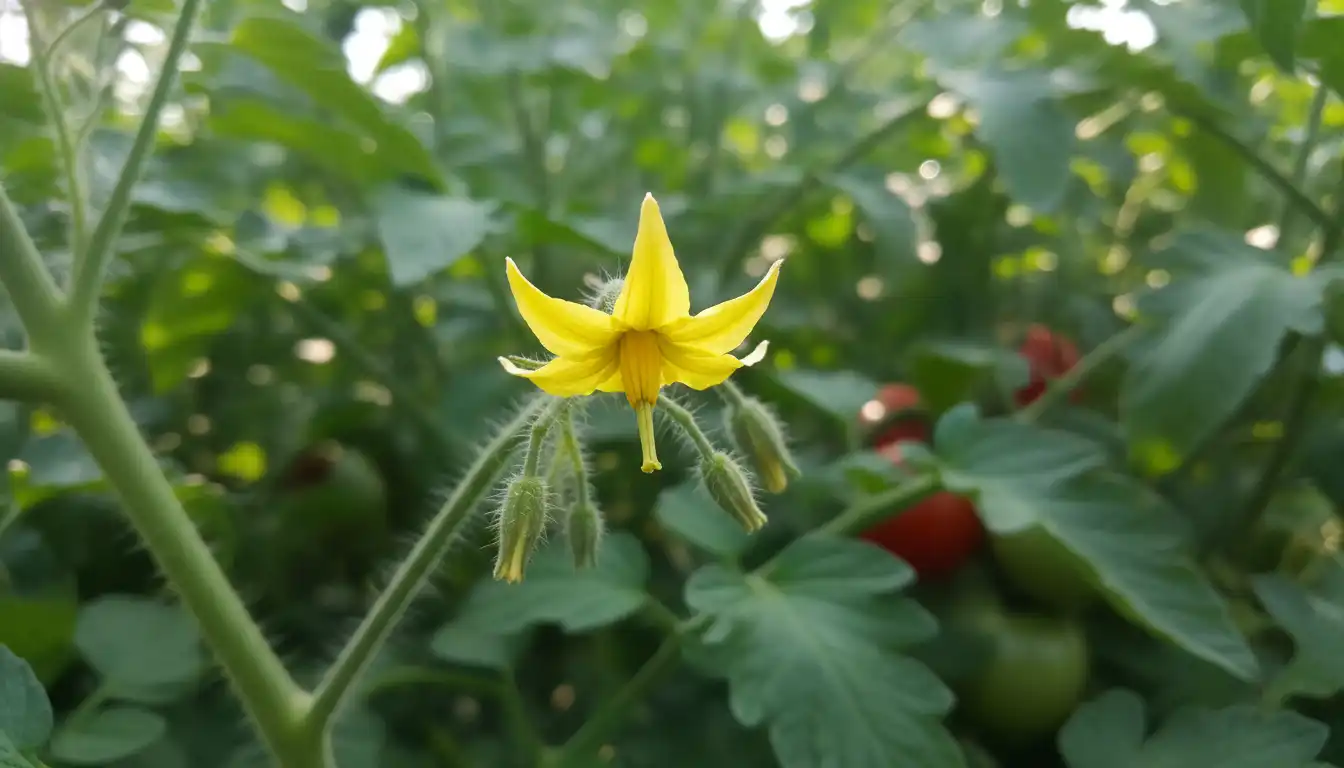
Before diving into the problems, it’s crucial to understand how a tomato flower is supposed to work. Tomato blossoms are often called “perfect flowers” because they contain both male parts (the stamens, which produce pollen) and female parts (the pistil, which receives pollen). This means that, technically, tomatoes are self-pollinating and don’t strictly require a second plant to produce fruit.
However, “self-pollinating” doesn’t mean “automatic.” The pollen must physically move from the anthers to the stigma within the flower. In nature, this transfer is accomplished through vibration—either from wind rustling the plant or from the buzzing of bees, which sonicate the flower to shake pollen loose. When this transfer fails, the flower remains unpollinated and the plant aborts it to conserve energy, leading to blossom drop.
Identifying the Culprits: Top 5 Reasons for Unpollinated Tomato Flowers
Blossom drop is rarely caused by a single issue but rather by environmental or nutritional stress. Your plant is essentially making a survival decision: if conditions are poor, it will focus on its own health rather than reproduction. Here are the five most common stressors that lead to unpollinated flowers.
1. Temperature and Humidity Extremes: The Invisible Stressors
Tomatoes are famously particular about their climate. The ideal temperature range for successful pollination is between 70°F and 85°F (21°C to 29°C) during the day. When temperatures deviate significantly, the delicate process of fertilization is disrupted.
High heat (above 85°F) is a primary offender, as it can render pollen sterile or cause it to become so sticky that it can’t be released. Conversely, cold nights (below 55°F or 13°C) can prevent the pollen tube from growing, halting fertilization in its tracks. Humidity plays a crucial role as well; ideal levels are between 40% and 70%. High humidity makes pollen clump together, while low humidity can dry out the stigma, preventing pollen from adhering.
2. Nutrient Imbalances: Feeding Leaves Instead of Fruit
Proper nutrition is a balancing act, and getting it wrong is a common cause of blossom drop. The most frequent mistake is providing too much nitrogen. While nitrogen is excellent for promoting lush, green foliage, an excess amount signals the plant to focus on vegetative growth at the expense of producing flowers and fruit.
Conversely, deficiencies in key micronutrients can be just as damaging. Phosphorus is vital for flower development and energy transfer, while potassium regulates water and nutrient movement. A lesser-known but critical element is boron, which is directly responsible for pollen viability and the healthy development of the pollen tube. Without adequate boron, fertilization can fail even if pollination occurs.
3. Inconsistent Watering and Root Stress
Water is the lifeblood of your tomato plant, and inconsistency is a major source of stress. Both overwatering and underwatering can lead to blossom drop. Overwatering suffocates the roots, preventing them from absorbing nutrients effectively. Underwatering triggers a survival response where the plant sheds its flowers to conserve moisture for its essential functions.
The goal is to maintain consistent soil moisture, never allowing the soil to become waterlogged or completely dry. This is especially critical for tomatoes grown in containers, as the smaller soil volume makes them more susceptible to rapid moisture fluctuations. Deep, infrequent watering is generally more effective than shallow, frequent sprinkling, as it encourages a more resilient root system.
4. Lack of Pollinators and Insufficient Airflow
While tomatoes can self-pollinate, they still need a physical catalyst to move the pollen. In outdoor gardens, wind and bees are the primary facilitators. If your garden is in a very sheltered location with poor airflow, or if local pollinator populations are low, your flowers may not receive the vibration needed to release pollen.
This issue is even more pronounced in greenhouses or indoor setups where natural pollinators and wind are entirely absent. Without that gentle shake, the pollen remains locked within the anthers, and the flower will eventually drop. This is a purely mechanical failure of the pollination process.
5. Plant Overload and Pest Pressure
Sometimes, a plant will produce more flowers than it can realistically support. A very heavy fruit set can tax the plant’s resources, causing it to automatically abort new flowers to focus on developing the existing fruit. This is a natural self-regulation mechanism to ensure the plant doesn’t overextend itself.
Furthermore, persistent attacks from pests like aphids, thrips, or spider mites can weaken the plant and drain its energy. Fungal diseases can also attack the delicate flower structures directly. This chronic stress diverts resources away from reproduction and toward defense and repair, often resulting in blossom drop.
Your Action Plan: How to Guarantee Successful Pollination
Now that you can diagnose the problem, it’s time to implement the solutions. Fixing unpollinated tomato flowers involves creating an environment where the plant feels secure enough to reproduce. These proven strategies will help you turn those yellow flowers into a successful harvest.
Solution 1: Master the Art of Manual Pollination
If you suspect a lack of wind or pollinators, the most direct solution is to take matters into your own hands. Manual pollination is simple, effective, and can dramatically increase your fruit set, especially for indoor or greenhouse-grown plants. The best time to do this is mid-day, when flowers are fully open and humidity is lower.
There are several easy methods:
- The Tapping Method: Gently tap or flick the stem of each flower cluster a few times. This is often enough to dislodge the pollen.
- The Shaking Method: Lightly shake the entire plant or its support stake for 10-15 seconds to simulate a strong breeze.
- The Vibration Method: For the most effective approach, use an electric toothbrush. Touch the back of the vibrating toothbrush head to the stem just behind the flower for a second or two. This mimics the high-frequency vibrations of a bee and releases a visible puff of pollen.
Repeat this process every two to three days to ensure you pollinate new flowers as they open.
Solution 2: Control the Environment
Mitigating temperature and humidity stress is key to preventing blossom drop. During a heatwave, provide your plants with afternoon shade using a shade cloth. This can lower the ambient temperature around the plant enough to keep the pollen viable.
Ensure good air circulation by properly spacing your plants and pruning away excess lower leaves. This helps regulate humidity and reduces the risk of fungal diseases. If humidity is too high (above 70%), consider using a fan in a greenhouse setting. If it’s too low, a light misting of the surrounding foliage in the morning can help.
Solution 3: Implement a Strategic Fertilization Plan
To avoid nutrient imbalances, adjust your feeding strategy throughout the plant’s life cycle. Use a balanced, all-purpose fertilizer during the initial growth phase. Once the plant begins to set flowers, switch to a fertilizer that is lower in nitrogen and higher in phosphorus and potassium—often labeled as a “bloom” or “fruit” formula.
Consider supplementing with organic matter like compost, which releases nutrients slowly and contains essential micronutrients. If you suspect a boron deficiency, a very light application of a borax solution (consult package directions carefully, as too much can be toxic) can work wonders for pollen health. This focus on the right nutrients at the right time is a professional-level technique for maximizing fruit production.
Solution 4: Attract Natural Pollinators
For outdoor gardens, encouraging bees and other beneficial insects is a sustainable long-term solution. Bumblebees are particularly effective tomato pollinators. You can attract them by planting nectar-rich companion flowers near your tomato patch.
Excellent choices include borage, bee balm, lavender, and marigolds. Providing a shallow water source with landing spots (like pebbles) will also make your garden a more inviting habitat for these essential helpers. A healthy ecosystem around your plants can solve pollination issues for you.
Solution 5: Smart Plant and Water Management
Practice smart gardening habits to reduce overall plant stress. Water your tomatoes deeply at the base of the plant in the morning to ensure the moisture soaks down to the entire root zone and the foliage has time to dry before evening. Using mulch, such as straw or wood chips, can help regulate soil temperature and moisture.
Proper pruning is also essential. Removing suckers (the small shoots that grow between the main stem and branches) helps the plant direct its energy toward the main stems and fruit clusters. Maintaining this kind of structured approach is similar to how one might go about replacing telephone wire with cat6; it’s about creating a clean, efficient system for optimal performance.
Troubleshooting Common Blossom Drop Scenarios
Even with the best care, problems can arise. This table will help you quickly diagnose issues by cross-referencing common symptoms with their likely causes and most effective solutions.
| Symptom | Likely Cause(s) | Primary Solution |
|---|---|---|
| Flowers drop during a heatwave | Temperature Stress (pollen is sterile) | Provide afternoon shade with a shade cloth and ensure consistent watering. |
| Lush green plant, many flowers, but no fruit | Excess Nitrogen | Switch to a low-nitrogen, high-phosphorus fertilizer. |
| Flowers dry up and fall off, plant looks weak | Underwatering / Nutrient Deficiency | Implement a deep, consistent watering schedule and apply a balanced liquid fertilizer. |
| Flowers drop in an indoor or greenhouse setting | Lack of Pollination | Manually pollinate using the electric toothbrush or tapping method every 2-3 days. |
| Blossoms turn yellow at the stem before dropping | Humidity Imbalance / Cold Temperatures | Improve air circulation; protect from cold nights if temperatures drop below 55°F. |
| Plant sets some fruit, but new flowers keep dropping | Heavy Fruit Load / Plant Stress | Ensure the plant has adequate nutrients and water to support its current load; consider thinning some fruit if the plant is overloaded. |
A Final Word on Patience
Gardening is a partnership with nature, and sometimes patience is the most important tool. Environmental factors like a sudden cold snap or a week of cloudy weather can temporarily halt fruit production. As long as your plant remains healthy, it will likely resume setting fruit once conditions improve.
By understanding the needs of an unpollinated tomato flower and proactively addressing the stressors that cause blossom drop, you can transform your garden from a place of frustration to a source of pride. With careful observation and the right interventions, you will be well on your way to enjoying a delicious, vine-ripened harvest.
