
Unhappy with Kitchen Remodel? Your Step-by-Step Fix-It Guide
The dust has settled, the last worker has left, and you’re standing in your newly remodeled kitchen. This should be a moment of joy, but instead, a sinking feeling washes over you. The reality is, many homeowners find themselves unhappy with their kitchen remodel, turning a dream project into a stressful nightmare.
This experience is more than just a minor inconvenience; it’s a significant emotional and financial blow. If you’re facing crooked cabinets, mismatched countertops, or a layout that just doesn’t work, know that you are not alone and there are clear steps you can take to rectify the situation.
You'll Learn About
Why Kitchen Remodel Disappointment Is So Common
A kitchen renovation is a complex undertaking with numerous moving parts. From initial design to final installation, the opportunities for error are plentiful. Understanding the root causes of dissatisfaction is the first step toward finding a solution.
Communication Breakdowns with Contractors
One of the most frequent sources of trouble is a gap in communication. Misunderstandings about materials, timelines, and the final vision can lead to results that don’t match your expectations. A contractor’s failure to listen or your own hesitation to speak up can derail the project.
It’s crucial to establish clear, documented lines of communication from day one. Without this, you’re relying on assumptions, which is a recipe for disaster in any home renovation project.
The Shock of Poor Workmanship
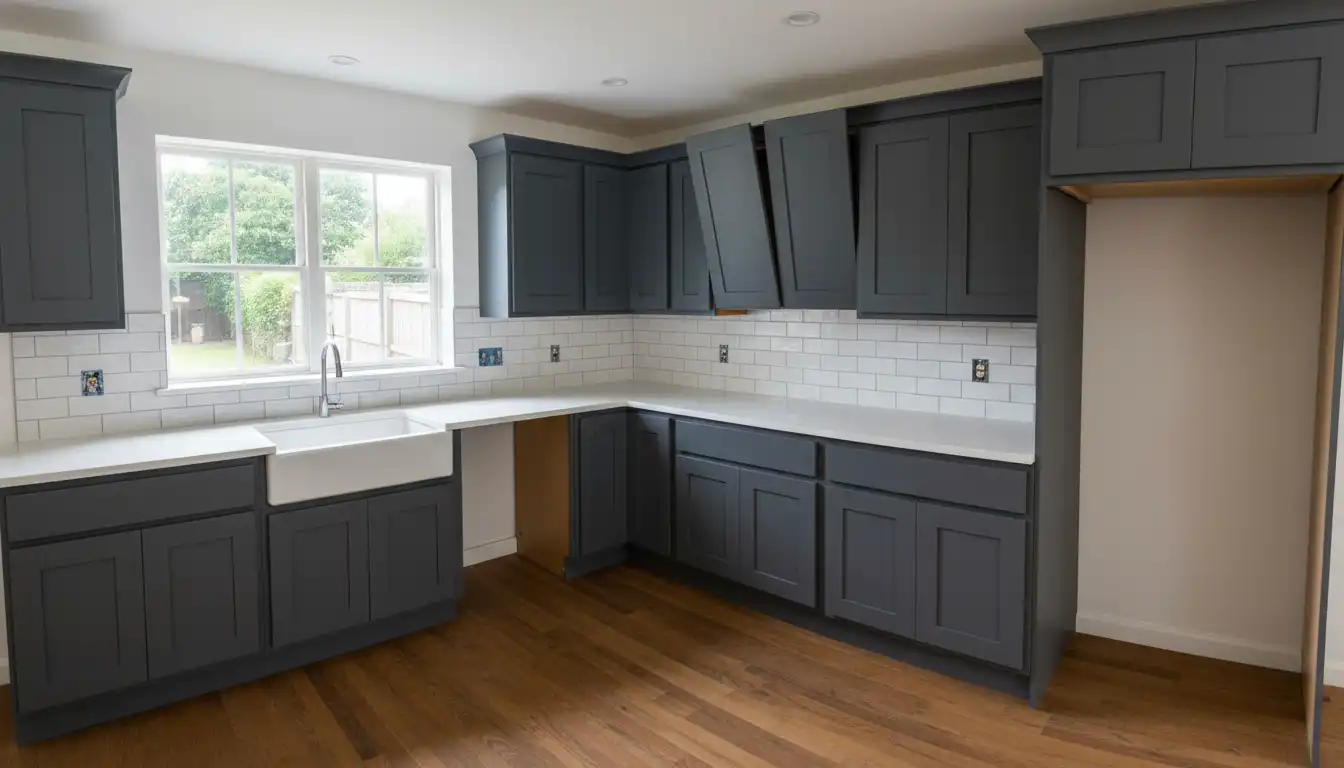
Nothing is more disheartening than seeing sloppy or unprofessional work in your home. This can range from poorly installed flooring and misaligned cabinets to messy paint jobs and faulty plumbing. These aren’t just cosmetic issues; they can affect the safety and functionality of your kitchen for years to come.
Poor workmanship often stems from hiring an unqualified or inexperienced contractor. It can also happen when contractors cut corners to save time or money, leaving you with the costly consequences.
Design Regrets and Functional Flaws
Sometimes, the issue isn’t with the quality of the work but with the design choices themselves. You might realize the layout is inefficient, there isn’t enough counter space, or the trendy backsplash you chose now feels overwhelming. This kind of regret is common, especially if the planning phase was rushed.
A functional kitchen relies on a well-thought-out design that considers workflow, storage, and lighting. Overlooking these fundamentals can lead to a beautiful but impractical space.
Your Immediate Action Plan: What to Do First When You’re Unhappy
Feeling angry or disappointed is natural, but acting on emotion won’t solve the problem. A calm, methodical approach is your best strategy for achieving a positive outcome. Here’s where to start.
Step 1: Document Absolutely Everything
Before you even pick up the phone to speak with your contractor, document every single issue. Create a detailed list of your concerns, no matter how small they seem. Your memory can fail you, but photographic evidence is undeniable.
Take clear, well-lit photos and videos of all the problems. Capture close-ups of flaws like gaps, scratches, or uneven surfaces, as well as wider shots to provide context. Note the date and time each photo was taken.
Step 2: Review Your Contract and All Communications
Your signed contract is your most powerful tool. Carefully read through the entire document, paying close attention to the scope of work, specified materials, project timeline, and payment schedule. Compare the agreed-upon terms with the current state of your kitchen.
Gather all related emails, text messages, and written notes. This paper trail will be invaluable if a dispute arises, as it provides a record of what was discussed and promised throughout the project.
Step 3: Initiate a Calm and Professional Conversation
Once you have your documentation and have reviewed your contract, it’s time to contact your contractor. Schedule a formal meeting to discuss your concerns in person, on-site if possible. Approaching this conversation professionally is key to a productive resolution.
Present your documented list of issues calmly and objectively. Avoid placing blame or making accusations; instead, focus on the discrepancies between the agreed-upon plan and the final result. A reputable contractor will want to maintain their reputation and should be willing to address legitimate problems.
Navigating the Conversation with Your Contractor
This discussion can be tense, but with the right approach, you can steer it toward a resolution rather than a confrontation. It is important to be firm about your expectations while remaining open to reasonable explanations and solutions.
Setting the Right Tone
Begin the meeting by acknowledging the hard work that has been done but state clearly that there are aspects of the project that do not meet the standards outlined in your agreement. Use “I” statements to express your concerns, such as, “I am concerned about the alignment of these cabinets,” rather than, “You installed these cabinets incorrectly.”
This less confrontational approach can make the contractor more receptive to your feedback. Remember, the initial goal is to work collaboratively to fix the issues, not to start a fight.
For more insights on maintaining different areas of your home, you might find our guide on flooring choices like SmartStrand vs. Stainmaster useful for future projects.
Presenting Your Evidence
Walk the contractor through each point on your list, using your photos and contract to illustrate your concerns. Be specific. For example, instead of saying the paint job is “bad,” point out specific areas with drips, uneven coverage, or smudges on the trim.
Clarity is crucial. The contractor needs to understand exactly what the problems are to be able to fix them. A vague complaint is easy to dismiss, but specific, documented issues are hard to ignore.
| Do’s | Don’ts |
|---|---|
| Stay Calm and Objective: Present facts, not emotions. | Don’t Yell or Accuse: This will only create hostility. |
| Be Specific: Clearly point out each issue with evidence. | Don’t Be Vague: “I just don’t like it” isn’t actionable. |
| Reference the Contract: Tie your concerns back to the agreement. | Don’t Introduce New Demands: Stick to the original scope of work. |
| Listen to Their Perspective: There may be a reasonable explanation. | Don’t Interrupt: Allow them a chance to respond fully. |
| Focus on Solutions: Aim for a mutually agreeable plan of action. | Don’t Make Threats: Using legal action as a first resort can backfire. |
When the Conversation Fails: Escalation and Resolution Options
What happens if your contractor is unresponsive, denies the problems, or refuses to make corrections? You still have options. It’s time to move on to more formal methods of dispute resolution.
Put It in Writing: The Formal Complaint Letter
If verbal communication doesn’t work, send a formal letter via certified mail. This creates a legal record that you have officially notified the contractor of the issues. In the letter, clearly outline all the problems, reference the relevant sections of your contract, and state your desired resolution (e.g., repairs, replacement, or a partial refund).
Set a reasonable deadline for their response, typically 10 to 14 business days. This letter demonstrates that you are serious and can be used as evidence if you need to pursue further action.
Third-Party Mediation
If direct communication yields no results, mediation can be an effective next step. A neutral third-party mediator helps facilitate a conversation between you and the contractor to find a mutually acceptable solution. Mediation is often faster and less expensive than legal action.
Many contracts include a mediation clause as a required step before a lawsuit can be filed. Check your agreement. Even if it’s not required, it’s a valuable tool for resolving disputes without the cost and stress of going to court.
Considering Legal Action
As a last resort, you may need to seek legal advice. An attorney specializing in construction law can advise you on your rights and the viability of a lawsuit. Legal action can be a lengthy and expensive process, so this step should not be taken lightly.
Typically, you can sue for breach of contract to recover the costs of hiring a new contractor to fix the poor workmanship or complete the job. In cases of severe issues, such as significant property damage, consulting an attorney is highly recommended. Dealing with extensive repairs can be as daunting as recovering from storm damage, a process some homeowners in areas like Zephyrhills know all too well after a hurricane damage event.
How to Prevent Remodeling Disappointment from the Start
The best way to deal with an unsatisfactory remodel is to avoid it in the first place. Thorough planning and due diligence before a single hammer swings can save you immense stress and money.
Thoroughly Vet Your Contractor
Don’t just get one quote; seek at least three bids from different contractors. But don’t make your decision based on price alone. A suspiciously low bid can be a major red flag for poor quality or inexperience.
Check for proper licensing and insurance. Look for online reviews on multiple platforms and ask for recent references—and actually call them. Ask past clients about the contractor’s communication, timeliness, and how they handled any problems that arose.
Demand a Detailed, Ironclad Contract
A vague contract is an open invitation for problems. A comprehensive contract is your project’s blueprint and your primary form of protection. It should include:
- A detailed scope of work: Every task should be listed, from demolition to final cleanup.
- Specific materials and products: Include brand names, model numbers, and colors for all fixtures, appliances, and materials.
- A clear payment schedule: Payments should be tied to the completion of specific project milestones, not arbitrary dates. Avoid large upfront payments.
- A project timeline: Include a start date and an estimated completion date.
- Change order procedures: Outline how any changes to the original plan will be handled and priced.
- Warranties and guarantees: Clarify the warranty on both materials and labor.
Before signing, consider having an attorney review the contract. This small investment can provide significant protection. Unexpected issues can always arise, from faulty appliance wiring to problems with existing home systems. It’s not unlike discovering your reliable Toro snowblower’s electric start isn’t working right before a storm; you need a plan for when things don’t go as expected.
Trust Your Gut
Finally, pay attention to your instincts during the hiring process. If a contractor is difficult to communicate with, dismissive of your questions, or pressures you to sign a contract quickly, walk away. The initial interactions are often a good indicator of what the working relationship will be like.
A successful kitchen remodel is a partnership built on trust, communication, and mutual respect. By taking proactive steps to protect yourself, you can dramatically increase the chances that your finished kitchen will be a source of joy, not regret.
