
Uneven Grout Lines? Here’s the Pro-Level Fix You Need Now
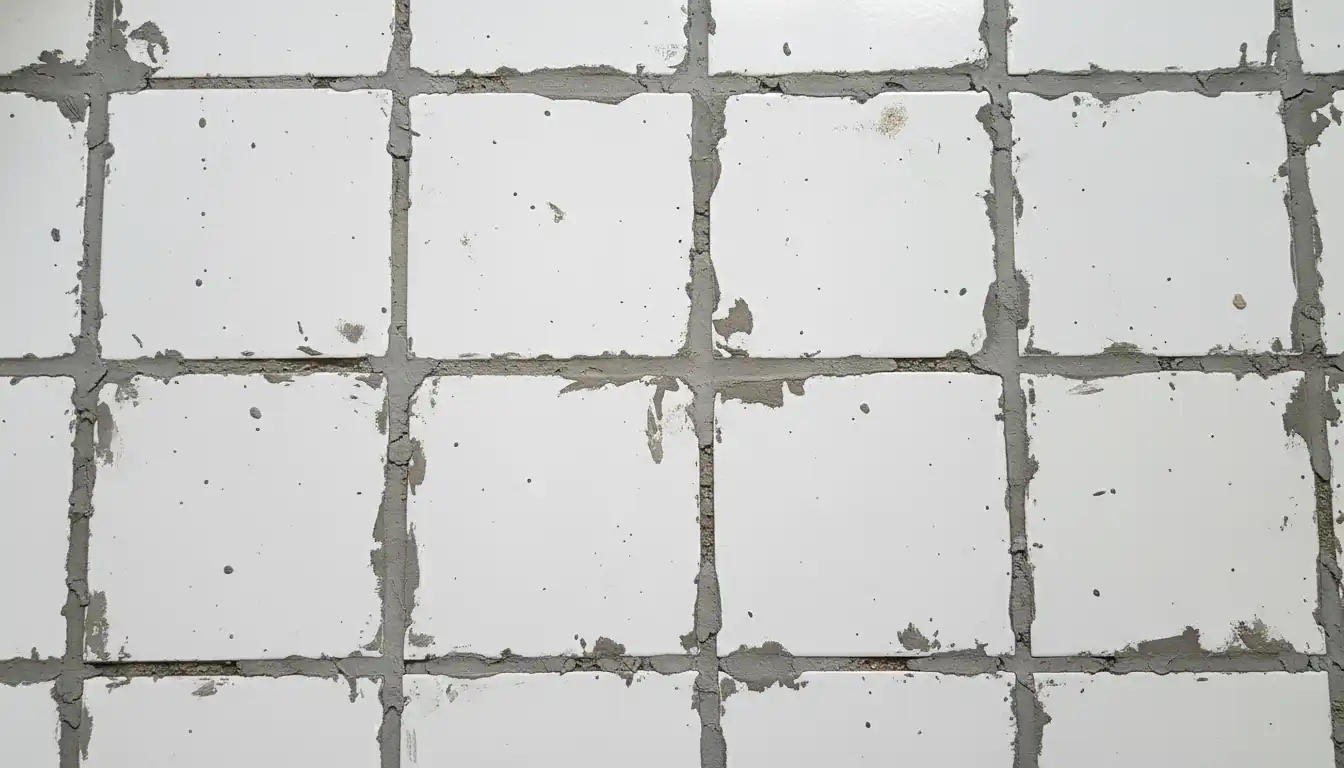
There is nothing more disheartening than stepping back to admire your newly tiled floor or wall, only to have your eyes immediately drawn to crooked, inconsistent, and uneven grout lines. You invested in beautiful tile, spent time on the layout, and now the finish looks amateurish. It’s a frustratingly common problem that can detract from the entire project, making an expensive installation look cheap.
This single flaw can ruin the clean, grid-like precision that makes tile work so appealing. But don’t worry—this is a fixable issue. Understanding the root causes is the first step toward a solution, and whether you need a minor touch-up or a full regrout, you can achieve the flawless finish you originally envisioned.
You'll Learn About
Why Do Grout Lines Look Uneven? Uncovering the Root Causes
Perfectly uniform grout lines are the result of precision at every stage of the tiling process. A misstep anywhere along the way can lead to the inconsistencies you’re now seeing. Identifying the cause is crucial to applying the right fix and preventing it from happening again.
The Tiling Phase: Where It Often Begins
The foundation for even grout lines is set long before you ever mix your grout. Poor tile spacing is the most frequent culprit. Inconsistent use of tile spacers—or worse, not using them at all—allows tiles to shift during installation, resulting in joints that vary in width from one spot to another. Even a millimeter of difference can be glaringly obvious once the grout is in.
An often-overlooked factor is an uneven substrate. If the wall or floor isn’t perfectly flat, it can cause “lippage,” where one tile edge sits higher than its neighbor. This creates shadows and makes grout lines appear inconsistent in depth, even if the width is correct.
The Grouting Technique: Common DIY Mistakes
Your application technique plays a massive role in the final outcome. Applying grout with inconsistent pressure on the grout float can pack more material into some joints than others, creating varying depths. This becomes especially noticeable after the grout has been cleaned and cured.
Similarly, improper cleaning and wiping can create unevenness. Wiping too aggressively with a wet sponge can pull too much grout out of the joints, creating low spots. Conversely, not wiping enough leaves excess grout, making the lines appear wide and messy. The goal is to strike a balance, removing haze from the tile face while leaving a consistent, smooth line in the joint.
The Hidden Culprit: Lighting and Perception
Sometimes, the problem isn’t just the grout line itself, but how you see it. Critical lighting, such as sharp overhead lights or low-angle natural light from a window, can cast shadows that exaggerate even minor variations in grout depth. A perfectly acceptable grout job can suddenly look flawed under the wrong light conditions.
The color choice also matters. High-contrast grout, like dark gray grout on white tile, makes every imperfection stand out. If you’re concerned about achieving perfection, choosing a grout color that closely matches the tile can help camouflage minor inconsistencies.
The Ultimate Fix: How to Repair Uneven Grout Lines
Seeing flawed grout lines doesn’t mean you have to live with them forever. The solution ranges from simple cosmetic fixes to a more involved, but completely doable, regrouting process. Your approach will depend on the severity of the issue.
Assessing the Damage: Minor Flaw or Major Fix?
First, determine the nature of the problem. Are the lines just a bit wavy, or are there noticeable differences in width and depth? Are there high spots where excess grout was left, or low spots where too much was wiped away? Minor cosmetic issues might be disguised, but significant inconsistencies in width will likely require removing the old grout and starting fresh.
It’s important to understand that you cannot simply apply a thin layer of new grout over the old to fix low spots. A thin “skim coat” of new grout will not bond properly and will inevitably crack and flake away, leading to an even bigger problem.
Solution 1: Cosmetic Touch-Ups for Minor Depth Issues
If your grout lines are relatively consistent in width but vary slightly in color or depth, a grout colorant or stain can work wonders. These products are essentially paints designed to recolor and seal grout lines. By applying a uniform color, you can trick the eye and significantly reduce the appearance of unevenness.
This is the least invasive option and can refresh an entire room in just a few hours. It’s an excellent choice for addressing discoloration or minor shadowing effects without the mess and effort of a full regrout.
Solution 2: The Full Regrout for Major Imperfections
For grout lines that are truly uneven in width, cracked, or severely inconsistent, the only permanent solution is to remove the old grout and apply new. While this sounds daunting, with the right tools and patience, it’s a project most DIYers can tackle successfully.
The key is to remove at least two-thirds of the old grout’s depth. This provides enough space for the new grout to form a strong, lasting bond. Investing in a proper grout removal tool will make this process exponentially easier and safer for your tiles.
| Tool for Grout Removal & Repair | Primary Use | Pro Tip |
|---|---|---|
| Manual Grout Saw | Small repairs and tight spaces. | Choose a saw with a carbide-grit blade. It’s slow but offers maximum control to avoid scratching tiles. |
| Oscillating Multi-Tool with Grout Blade | The best all-around option for speed and control. | This is the preferred tool for professionals. It removes grout quickly without creating excessive dust or damaging tiles. |
| Grout Float | Applying new grout. | Select a firm, sharp-edged float. Hold it at a 45-degree angle to the tile to press grout firmly into the joints. |
| Grouting Sponge | Cleaning excess grout. | Use a sponge with rounded edges to prevent digging into the fresh grout lines. Rinse it frequently in clean water. |
Once the old grout is removed, vacuum all dust and debris from the joints. Mix your new grout according to the manufacturer’s instructions and apply it carefully, ensuring every joint is fully packed. The final wiping is your chance to create the perfect, consistent line you’ve been wanting.
Prevention is Key: How to Guarantee Perfect Grout Lines on Your Next Project
The best way to deal with uneven grout lines is to prevent them from happening in the first place. Whether you’re tiling a new space or embarking on a regrouting project, adhering to best practices will ensure a professional-quality result.
Start with a Flawless Foundation
A successful tile job begins with the surface beneath it. Ensure your subfloor or wall is completely flat, stable, and clean before you begin. Even minor dips or bumps can translate into tile lippage and uneven grout joints. Use a self-leveling compound on floors or ensure backer board on walls is properly installed.
This foundational step is non-negotiable for a perfect finish. A flat substrate makes it easier to set tiles evenly, which in turn makes consistent grout lines achievable.
Master Your Tile Spacing
Tile spacers are your best friend for achieving consistent grout widths. Use high-quality, uniform spacers and place them at the corners of each tile. For larger format tiles, consider using a tile leveling system, which uses clips and wedges to prevent lippage and lock tiles into a perfectly flat plane while the mortar sets.
Don’t rush this part of the process. Taking the time to ensure every tile is perfectly spaced will pay dividends when it’s time to grout.
Perfect Your Grouting Craft
When it comes to the grouting itself, consistency is everything. Mix the grout to a smooth, peanut-butter-like consistency, free of lumps. When applying, use the 45-degree float angle to press the grout deep into the joints, then sweep the float diagonally across the tiles to remove the excess.
When cleaning, use a lightly damp sponge and wipe diagonally. This prevents the sponge from catching on the edges and pulling grout out of the joints. For a truly flawless look, particularly if you are aiming for the whitest grout, meticulous cleaning is essential.
Considering Groutless Alternatives?
For some projects, the best way to avoid grout line issues is to minimize them altogether. Certain design aesthetics lend themselves to groutless or near-groutless applications. For example, a dry stack tile installation offers a rustic, seamless stone look without any visible grout.
Similarly, achieving a sleek and modern floor can be done with wood look tile no grout, where tiles are set with extremely tight joints for a continuous appearance. These options require extreme precision in installation but can provide a unique and stunning alternative.
Frequently Asked Questions About Uneven Grout Lines
Can you put a thin layer of new grout over old uneven grout?
No, this is a common mistake that should always be avoided. A thin layer of new grout will not adhere properly to the sealed, cured surface of old grout. It will quickly crack, peel, and flake away, leaving the joints looking worse than before.
How much does it cost to fix uneven grout lines?
The cost varies significantly based on the size of the area and whether you do it yourself or hire a professional. DIY costs can range from $30 to $100 for tools and materials. Professional regrouting can cost anywhere from $200 to over $1,000, depending on the scope of the project.
Will uneven grout lines cause water damage?
Potentially, yes. Standard cement-based grout is not waterproof; it’s water-resistant. If there are low spots, cracks, or gaps in your grout lines, water can more easily penetrate to the substrate, especially in a shower or bathroom. Properly filled and sealed grout joints are crucial for protecting the underlying structure from moisture.
Final Words
Uneven grout lines are more than just a cosmetic annoyance; they represent a flawed finish to an otherwise beautiful installation. However, whether through a simple cosmetic update or a full regrouting, the problem is entirely correctable. By understanding the causes and applying a patient, methodical approach to the repair, you can achieve the clean, professional look your tiled surface deserves.
