
Under Cabinet Range Hood Too Low? It’s a Major Fire Hazard
You lean over your stove, stirring a pot, and bump your head on the range hood for the third time this week. It’s annoying, but is it a big deal? The answer is a resounding yes.
An under-cabinet range hood that is installed too low is more than just a nuisance. It’s a critical safety issue that compromises your kitchen’s air quality and poses a significant fire risk.
You'll Learn About
Why a Low Range Hood is a Serious Kitchen Mistake
Many homeowners overlook the precise installation height of their range hood, assuming “close enough” is good enough. This common mistake can lead to several dangerous and costly problems.
From fire hazards to poor ventilation, the consequences of improper placement are serious. Understanding these risks is the first step toward creating a safer and more functional kitchen environment.
The #1 Danger: A Major Fire Hazard
The most critical reason to correct a low range hood is to prevent a fire. Range hoods are designed to capture grease, and the filter and interior surfaces become coated with this highly flammable residue over time.
When the hood is too close to the cooktop, especially a gas range with open flames, the high heat can easily ignite this grease buildup. This can lead to a dangerous and fast-spreading kitchen fire.
Poor Performance and Air Quality
A range hood’s effectiveness is based on its ability to create an optimal “capture area” for smoke, steam, and odors. If the unit is too low, this airflow is disrupted.
Instead of pulling contaminants up and away, a low hood can cause them to spread out into your kitchen. This defeats the purpose of the appliance, leading to lingering odors and poor indoor air quality.
Daily Cooking Frustration
On a practical level, a low-slung range hood just gets in the way. It obstructs your view of the rear burners, making it difficult to monitor your cooking.
Furthermore, it limits the size of the pots you can use. Trying to fit a large stockpot on a back burner can become an impossible task, severely limiting your culinary creativity.
Is Your Range Hood Actually Too Low? The Pro’s Checklist
Before you start making adjustments, it’s essential to confirm that your range hood height is incorrect. Use these guidelines to assess your current installation.
Always start with the manufacturer’s recommendations, but general safety standards and local building codes also play a crucial role. A few simple measurements will tell you everything you need to know.
Check the Manufacturer’s Specifications First
Your appliance’s installation manual is the ultimate authority. Manufacturers specify a minimum and maximum mounting height for a reason. This range is engineered for optimal safety and performance for that specific model.
Deviating from these instructions can void your warranty and, more importantly, create a hazardous situation. If you no longer have the manual, a quick search for your model number online will usually provide a digital copy.
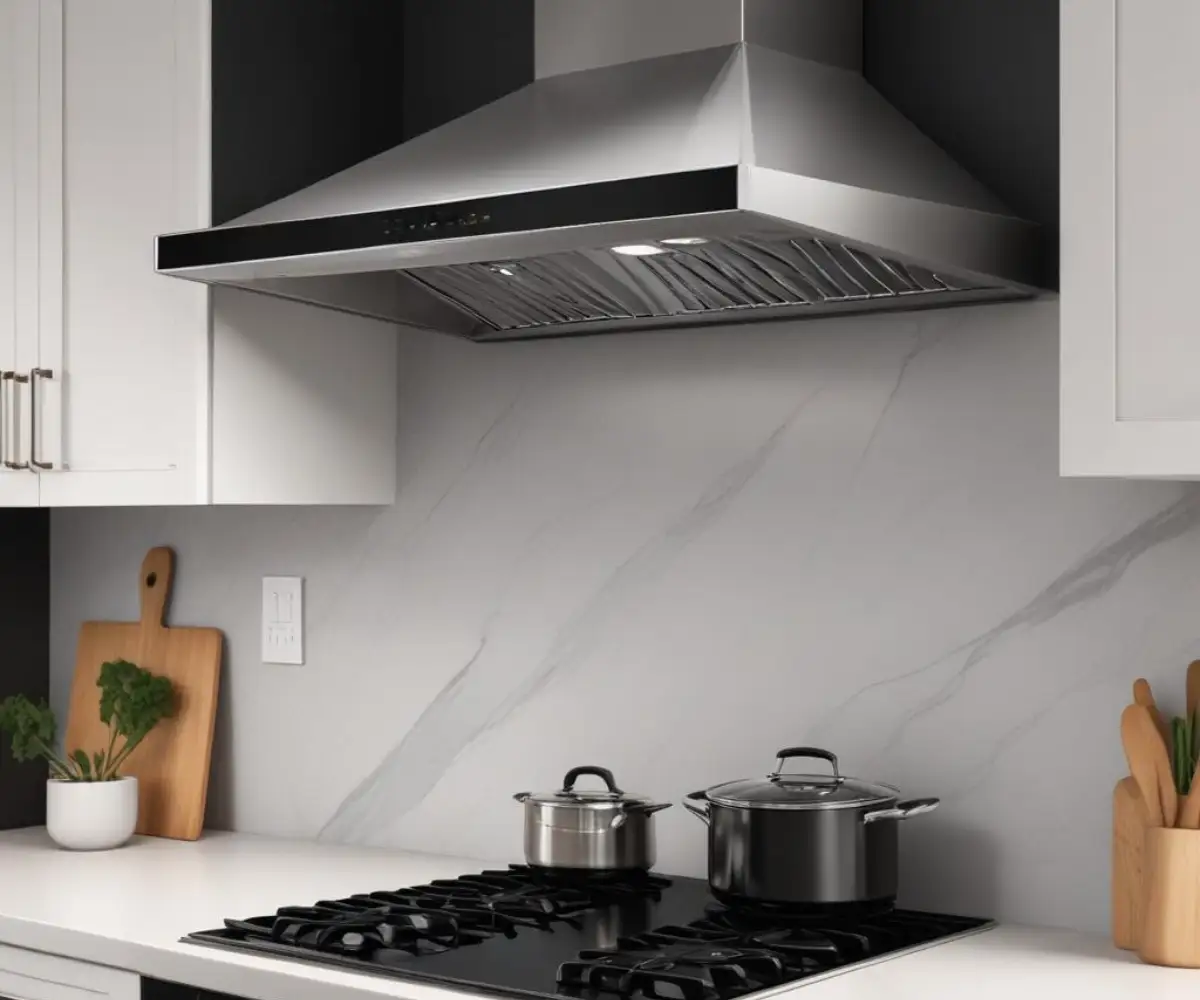
General Height Guidelines by Cooktop Type
If you cannot find the manual, there are widely accepted industry standards for range hood height. These distances are measured from the surface of the cooktop to the bottom of the range hood.
Gas cooktops require more clearance due to their open flames and higher heat output. Following these guidelines is a critical step in preventing fires and ensuring proper ventilation.
| Cooktop Type | Recommended Minimum Height | Recommended Maximum Height |
|---|---|---|
| Electric Cooktop | 24 inches (61 cm) | 30 inches (76 cm) |
| Gas Cooktop | 28 inches (71 cm) | 36 inches (91 cm) |
| Induction Cooktop | 24 inches (61 cm) | 30 inches (76 cm) |
Don’t Forget Local Building Codes
In some areas, local building codes may have stricter requirements than the manufacturer’s recommendations. Always check with your local building authority or a qualified contractor.
These codes are in place to ensure resident safety, and compliance is mandatory. A quick phone call or visit to your municipality’s website can save you from a costly mistake.
How to Fix a Range Hood That’s Too Low: A Step-by-Step Guide
Once you’ve confirmed the height is incorrect, it’s time to fix it. The solution can range from a simple re-installation to a more involved cabinet modification.
Carefully assess your kitchen’s layout to determine the best course of action. With the right approach, you can create a safer and more efficient cooking space.
Step 1: The Easiest Fix – Re-Mounting the Hood
The simplest scenario is when there is enough empty space between the bottom of the range hood and the bottom of the cabinet. If you have a few inches to spare, you may only need to re-drill the mounting holes.
Simply uninstall the range hood, measure and mark the new, correct height, and securely reinstall it. Ensure the new mounting points are solid and that the unit is level.
Step 2: When the Cabinet is the Problem
More often than not, the range hood is mounted flush against the bottom of the wall cabinet, and the cabinet itself is too low. This presents a bigger challenge, but one with clever solutions that don’t always require a full kitchen remodel.
While some might suggest the major job of removing and reinstalling the entire cabinet, there’s a more efficient technique for gaining those crucial inches of clearance.
The Cabinet Modification Secret for Raising Your Hood
Instead of moving the entire cabinet, you can modify it from below. This involves creating a recessed mounting point inside the cabinet, effectively raising the range hood without disturbing the surrounding cabinetry.
To do this, you carefully cut out the bottom panel of the cabinet directly above the range hood. Then, you build a sturdy new frame or “box” inside the cabinet at the desired new height. The range hood is then mounted to this new, elevated structure.
This advanced technique saves a tremendous amount of time and effort. The final step is to add a small piece of trim or a custom valance below the cabinet to conceal the modification for a clean, professional finish. This approach is far less disruptive than dealing with the challenge of an over range microwave cabinet too low, which often requires moving the entire unit.
Step 3: Adjusting the Ductwork
Raising your range hood will almost certainly mean the existing ductwork will no longer align. This is a critical step that cannot be skipped. Proper alignment is essential for effective ventilation.
You may need to install a new section of duct or use adjustable elbows to bridge the new gap. For a seamless look, learning about how to manage a range hood duct through cabinet will ensure the final result is both functional and aesthetically pleasing.
Final Thoughts: A Safe Kitchen is a Smart Kitchen
A low under-cabinet range hood is a hidden danger that many homeowners fail to recognize. It’s a fire risk, an air quality problem, and a daily annoyance all rolled into one.
By taking the time to measure your installation, consult your manual, and make the necessary adjustments, you protect your home and family. Prioritizing the correct height is a non-negotiable part of a safe, functional, and well-designed kitchen.
Frequently Asked Questions
What happens if my under cabinet range hood is too low?
Installing a range hood too low can be a safety hazard, increasing the risk of a fire. It can also lead to heat damage to the unit’s internal components, potentially shortening its lifespan. A range hood that is too low may also obstruct your view of the cooktop and make cooking uncomfortable.
What is the proper height for an under cabinet range hood?
For under-cabinet range hoods, the general recommendation is to install them between 18 to 24 inches above the cooking surface. However, the ideal height can vary depending on whether you have a gas or electric cooktop. Always consult the manufacturer’s instructions for your specific model for the most accurate guidelines.
How far should a range hood be from a gas stove?
Due to the higher heat and open flames of gas cooktops, a greater clearance is necessary. It is recommended to install a range hood between 24 and 30 inches above a gas stove. This distance helps prevent overheating of the hood while ensuring effective ventilation.
How far should a range hood be from an electric stove?
For electric stoves, a range hood can be installed closer to the cooking surface. The typical recommended height is between 20 and 24 inches. This proximity allows for efficient capture of steam and smoke without the same safety concerns as with a gas range.
Are there building codes for range hood height?
Yes, building codes often specify the minimum and maximum height for range hood installation to ensure safety and proper ventilation. These codes can vary by location, so it’s important to check your local regulations. Generally, codes may require a minimum of 24 inches of clearance.
What can I do if my range hood is already installed too low?
If your range hood is too low, the best solution is to have it reinstalled at the proper height. This may involve adjusting the cabinetry above the hood. In some situations, replacing the existing unit with a shorter or slide-out model might be an option. It is advisable to consult with a professional contractor to determine the best course of action for your specific kitchen setup.
