Under-Cabinet Outlets Pros and Cons: The #1 Mistake to Avoid
That beautiful, seamless tile backsplash you spent weeks picking out is finally installed. It’s the centerpiece of your kitchen, but its clean lines are immediately disrupted by a series of stark, white electrical outlets. This common design frustration breaks up the visual flow of a kitchen and often places power sources in inconvenient, cluttered locations.
Under-cabinet outlets present a modern solution, hiding power strips and receptacles from plain sight to let your design shine. But while this trend offers a sleek, minimalist aesthetic, it’s not without its own set of challenges. Before you commit to this hidden power solution, it’s crucial to weigh the benefits against the potential drawbacks.
You'll Learn About
Why Are Traditional Wall Outlets Such a Kitchen Headache?
For decades, the default location for kitchen outlets has been the backsplash. This placement is functional, but it creates significant aesthetic and practical problems. Outlets can interrupt intricate tile patterns, and their placement is often dictated by code rather than by how you actually use your countertop space.
This leads to a constant shuffle of small appliances, with cords stretching awkwardly across your primary prep areas. The visual clutter detracts from an otherwise polished kitchen design, making the dream of a clean, uninterrupted surface feel impossible.
The Pros: Why You’ll Love Under-Cabinet Outlets
Moving your power sources off the backsplash and underneath the upper cabinets can transform both the look and feel of your kitchen. The advantages are compelling for anyone seeking a modern, streamlined space.
A Flawless, Uninterrupted Backsplash
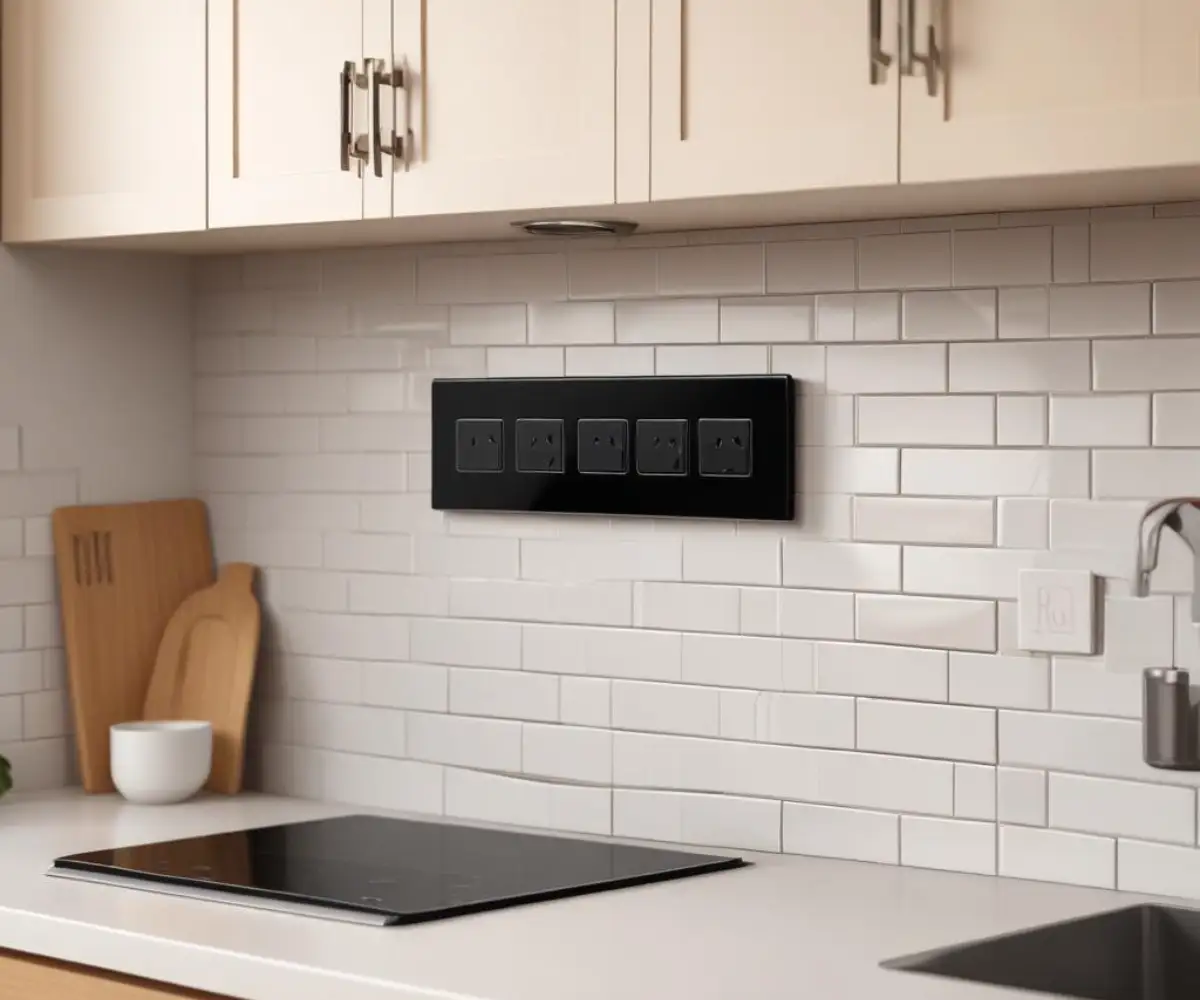
The most significant benefit of under-cabinet outlets is the aesthetic freedom it provides. By relocating them, your backsplash becomes a clean, continuous surface. This allows your chosen tile, stone, or other material to be the true focal point without the visual interruption of plastic outlet covers.
This approach works especially well with bold patterns or luxurious materials where every inch matters. It creates a high-end, custom look that elevates the entire kitchen design, complementing features like elegant mindful gray cabinets that rely on subtle, clean lines.
Ultimate Placement Flexibility
Under-cabinet systems, particularly power strips, offer incredible flexibility. Instead of being limited to a few fixed points on the wall, you can have a continuous track of outlets running the length of your cabinets. This ensures you always have power exactly where you need it, whether for a coffee maker, stand mixer, or blender.
This setup is ideal for modern kitchens where tasks and appliances move around. You are no longer tethered to the two or three spots an electrician chose years ago.
Reduced Clutter and Cord Management
With outlets tucked neatly under the cabinet edge, cords are less obtrusive. For appliances that stay on the counter, the cord can be shortened and routed directly upward, minimizing the visual mess. This contributes to a more organized and spacious-feeling countertop.
For those who struggle with bulky plugs, this hidden placement can also be an advantage. You have more room to maneuver without worrying about a plug blocking access to an adjacent outlet, a problem often solved with clever gadgets designed to rotate plug 90 degrees.
Enhanced Safety from Spills
Positioning outlets up and away from the countertop surface can offer a slight safety advantage. Spills are a common occurrence in the kitchen, and moving electrical receptacles away from direct contact with liquids may reduce the risk of shorts or electrical shock. Always ensure any kitchen outlets, regardless of location, are GFCI-protected.
The Cons: The Hidden Downsides of Under-Cabinet Power
Despite their clean appearance, under-cabinet outlets have practical disadvantages that can impact daily convenience and your budget. It’s essential to consider these potential frustrations before committing to the design.
Installation Complexity and Cost
Installing under-cabinet outlets is more complex and costly than standard wall outlets. It often requires intricate wiring to be run through or behind cabinets, which is a more labor-intensive job for an electrician. The cost of the hardware itself, such as angled power strips or custom outlet modules, is also significantly higher than a standard 50-cent receptacle.
If you’re not doing a full renovation, retrofitting these can be particularly challenging and may require cutting into finished cabinetry or walls. This added complexity translates directly into a higher price tag for your project.
Code Compliance and Inspection Hurdles
Electrical codes have strict requirements for kitchen outlets, including placement, spacing, and the type of protection needed (GFCI). While under-cabinet outlets are permissible by the National Electrical Code (NEC), they must be installed correctly to pass inspection. The NEC generally requires that an outlet be no more than 20 inches above the countertop, and under-cabinet placement falls within this.
However, you must ensure the installation is performed by a licensed electrician who is familiar with local code amendments. Failure to comply can result in a failed inspection, forcing costly rework.
Accessibility and Convenience Issues
This is a major pain point for many users. While hidden is great for looks, it can be frustrating for function. Plugging and unplugging appliances requires you to bend down and look up under the cabinet to find the outlet. This can be awkward and annoying, especially for appliances you use and store daily.
Furthermore, dangling cords for appliances that remain on the counter can look just as messy, if not more so, than a cord plugged into a backsplash. The clean aesthetic is often lost the moment you start using the outlets as intended.
Potential for Damage from Heat and Steam
Appliances like toasters, coffee makers, and pressure cookers release heat and steam. When placed directly under cabinets, this moisture and warmth can potentially damage the outlet strips or the cabinet finish over time. Careful placement and good ventilation are necessary to mitigate this risk.
Types of Under-Cabinet Outlet Systems to Consider
If you decide to move forward, you have several options to choose from. Each offers a different balance of aesthetics, cost, and functionality. Comparing these systems can help you find the right fit for your kitchen’s design and your personal workflow.
| System Type | Description | Best For | Potential Drawbacks |
|---|---|---|---|
| Angled Power Strips (Plugmold) | A continuous strip of outlets housed in metal or plastic casing, mounted at an angle where the cabinet bottom meets the wall. | Providing maximum power access along a long stretch of countertop. | Can be bulky and may not be as “hidden” as other options. Cost can be high for long runs. |
| Individual Outlet Boxes | Standard electrical boxes mounted to a built-down section of the cabinet, similar to a light rail molding. | A more traditional look and for those who only need power in a few specific spots. | Requires custom carpentry to conceal the boxes effectively, adding to the cost and complexity. |
| Pop-Down Outlets | A self-contained unit that retracts flush with the cabinet bottom and pops down when needed. | The ultimate minimalist aesthetic, as it’s completely hidden when not in use. | These are often the most expensive option and may have fewer receptacles per unit. |
| Flush-Mount Strips | Very slim power strips that mount flat against the bottom of the cabinet. | Sleek, low-profile installations where space is tight. | Can be the most difficult to plug into, as the outlets face directly downward. |
The #1 Mistake: Ignoring Your Workflow and Appliance Needs
The single biggest mistake homeowners make is focusing entirely on the “hidden” aesthetic without thinking through the ergonomics of their kitchen. Many people install a beautiful, continuous power strip only to realize it’s awkward to use for their daily-driver appliances. They create a visually clean space that is functionally frustrating.
Before installation, map out your “appliance zones.” Where will the coffee maker live permanently? Where do you do your baking prep and need to plug in a stand mixer? Where will the family charge their phones and tablets? Planning for both permanent appliances and temporary-use zones is critical. This approach ensures that power is not just available, but is placed in a way that supports, rather than hinders, how you actually live and cook in your kitchen.
Installation Guide: Key Considerations for a Safe Setup
Proper planning and professional installation are non-negotiable for a safe and functional under-cabinet outlet system. This is not a typical DIY project unless you have significant electrical experience.
Planning Your Layout
Work with your electrician and cabinet maker to plan the exact placement. Consider adding a “light rail” or a small piece of molding to the bottom front edge of your cabinets. This not only helps hide under-cabinet lighting but is essential for concealing the outlet strip from normal sightlines.
Decide whether you need outlets spaced out or in a continuous strip. For a cleaner look with less cord clutter, you might place a single, hidden outlet directly behind where you know your coffee maker will sit, and use a power strip elsewhere for temporary appliances.
Hiring a Professional vs. DIY
Due to the complexity and safety risks, hiring a licensed electrician is strongly recommended. They will ensure the system is wired to a dedicated 20-amp circuit, properly protected by a GFCI breaker, and meets all local codes. This is different from simply swapping out an existing receptacle, which is a more manageable DIY task like installing flush-mount wall outlets.
An electrician can also source high-quality, code-compliant hardware that may not be available at a typical home improvement store. This ensures the longevity and safety of your installation.
Passing Electrical Inspection
Your electrician will know the specific requirements for your area. This includes the number of circuits needed for the kitchen, the maximum distance between outlets, and ensuring all receptacles are tamper-resistant (TR) to protect children. A professional installation is your best guarantee for passing the final electrical inspection without any issues.
Are Under-Cabinet Outlets Right for Your Kitchen?
Ultimately, the choice comes down to prioritizing aesthetics versus daily convenience. If your primary goal is a pristine, uninterrupted backsplash and you don’t mind the minor inconvenience of plugging things in underneath the cabinet, then this solution is an excellent choice. It provides a truly custom, high-end feel to a kitchen remodel.
However, if you prioritize quick and effortless function—for instance, if you frequently plug and unplug various appliances or have mobility issues that make bending and reaching difficult—the practicality of well-placed backsplash outlets might be the better option. For many, a hybrid approach works best: use under-cabinet outlets for general areas and a strategically placed wall outlet hidden behind a primary appliance like a coffee maker.