Under Cabinet Microwave Not Over Range? Your Smart Kitchen Guide
The modern kitchen is a battleground for counter space. Between the coffee maker, toaster, and knife block, every square inch is precious. For decades, the go-to solution for saving space was the over-the-range (OTR) microwave, but homeowners are increasingly seeking smarter, more flexible alternatives.
An under cabinet microwave that is not over the range offers a world of design freedom and improved functionality. This guide will walk you through the best options for reclaiming your countertop without compromising on convenience or your kitchen’s aesthetic.
You'll Learn About
Why Kitchens Are Moving Beyond the Over-the-Range Microwave
While the OTR microwave is a functional two-in-one appliance, it has significant drawbacks. Many users find them positioned too high, making it awkward and unsafe to handle hot dishes. Their built-in ventilation fans are often loud and less effective than a dedicated range hood, struggling to handle smoke and odors from serious cooking.
Relocating the microwave opens up the space above your cooktop for a powerful and stylish range hood. This simple change can dramatically improve air quality and become a stunning focal point in your kitchen design.
Your Top 3 Under-Cabinet Microwave Solutions (Not Over a Range)
When you decouple the microwave from the range, you gain three primary options for sleek, under-cabinet placement. Each offers a different blend of aesthetics, cost, and installation complexity.
The Sleek Built-In Microwave
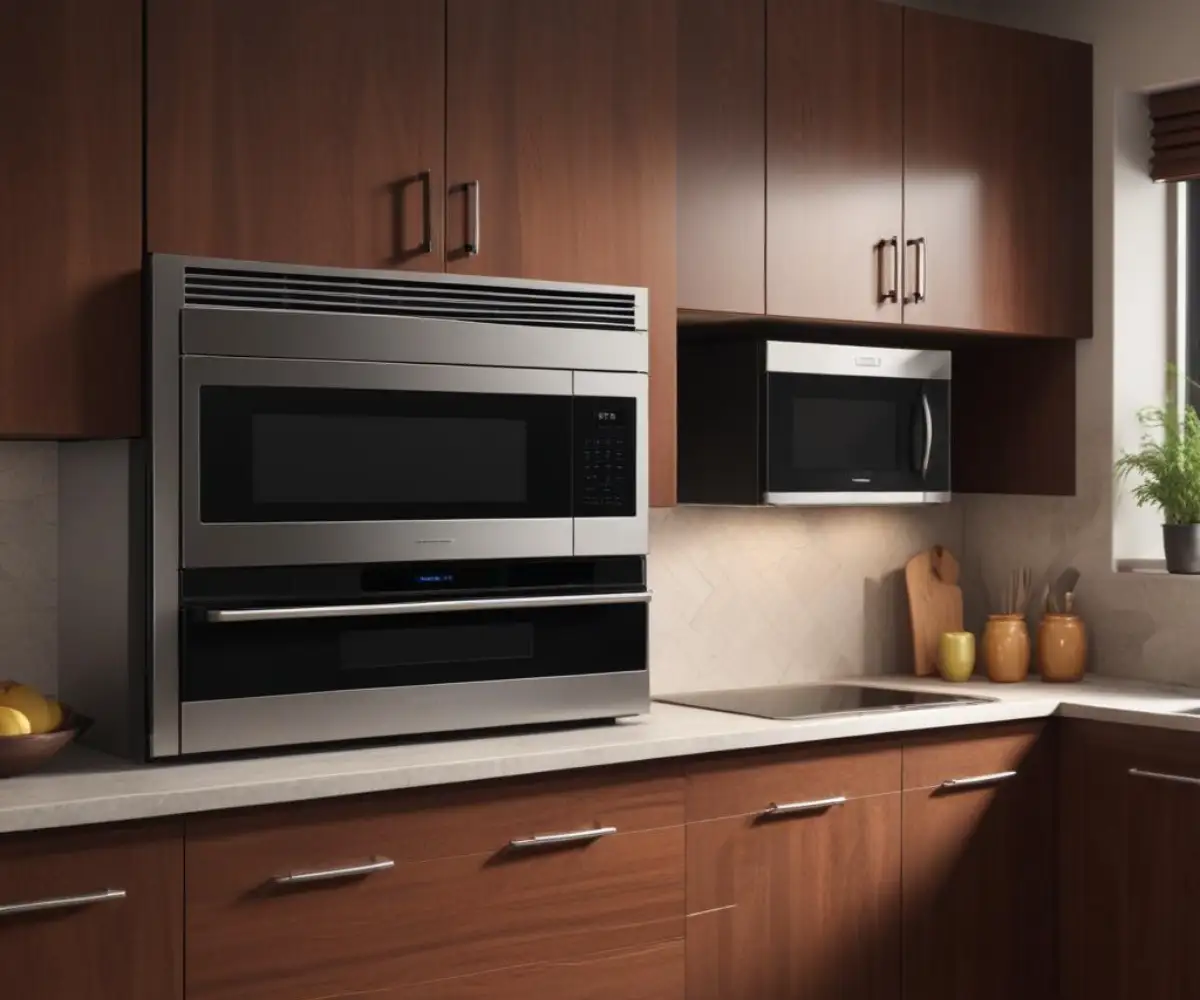
Designed to be installed directly into your cabinetry, a built-in microwave provides a custom, integrated look. These models are engineered with front-facing vents, allowing them to operate safely within an enclosed space. They often come with trim kits that create a seamless finish, making the appliance look like it was made for your kitchen.
The main considerations are cost and installation. Built-in models and their trim kits are more expensive than countertop versions, and you may need to modify an existing cabinet to accommodate them.
The Accessible Microwave Drawer
Microwave drawers are a premium option installed in a base cabinet, typically under the countertop. You open it like any other drawer, placing your dish inside from above. This design is incredibly user-friendly and a fantastic choice for universal design, as it’s easily accessible for children, shorter individuals, and those in wheelchairs.
They offer a clean, minimalist aesthetic and free up upper cabinet space entirely. The trade-offs are a higher price point and the need for dedicated lower cabinet space.
The Space-Saving Hanging Microwave / Compact Option
The most direct way to get a microwave off the counter and under a cabinet is by using a dedicated hanging model or by building a sturdy shelf for a compact countertop unit. Specific under-cabinet mounting kits are available for certain models, allowing them to be securely attached to the underside of a cabinet.
This is often the most budget-friendly approach. However, it is absolutely critical to ensure the solution provides adequate ventilation and that the cabinet structure can support the microwave’s weight.
| Microwave Type | Best For | Average Cost (Appliance Only) | Installation Complexity |
|---|---|---|---|
| Built-In Microwave | Custom, high-end kitchen designs | $400 – $2,000+ | High (Cabinet modification needed) |
| Microwave Drawer | Accessibility and minimalist aesthetics | $1,200 – $2,500+ | High (Requires base cabinet space) |
| Hanging / Compact Shelf | Budget-conscious space-saving | $100 – $400 | Low to Moderate (DIY friendly) |
Critical Safety & Installation Steps You Can’t Ignore
Placing any heat-generating appliance inside or under a cabinet requires careful planning. Failure to follow safety protocols can lead to appliance damage, cabinet damage, or even a fire.
Rule #1: Master Your Clearances & Ventilation
Proper airflow is non-negotiable. Microwaves generate heat and need space to breathe. A standard countertop model typically requires significant clearance—often 3 inches on the top and sides and at least 1 inch in the rear—to allow its vents to work properly. Enclosing it without this space is a serious fire hazard.
Always check the manufacturer’s installation manual for the specific clearance requirements of your model. Built-in units are designed with front ventilation, but they still have specific cutout dimensions that must be followed precisely.
Rule #2: Secure the Electrical Supply
Microwaves are high-power appliances that should ideally be on a dedicated electrical circuit. Never use an extension cord or power strip, as this can create a fire risk. The outlet should be properly grounded and located so the microwave’s cord can reach it without strain.
For a truly seamless installation, you might want to hardwire your microwave. This process involves a direct connection to your home’s wiring and should be performed by a qualified electrician to ensure safety and code compliance.
Rule #3: Ensure Structural Support
A microwave can be surprisingly heavy. The cabinet or shelf it’s installed in must be strong enough to support its weight without sagging or failing. When mounting a shelf or using a hanging kit, be sure to anchor it securely into the cabinet’s structural frame or wall studs, not just the thin bottom panel of the cabinet.
Step-by-Step: Installing a Microwave on an Under-Cabinet Shelf
Placing a compact countertop microwave on a custom shelf is a popular DIY project. Follow these steps for a safe and secure installation.
- Select the Right Microwave and Location: Choose a compact model and a location that allows for proper clearances. Ensure a power outlet is within reach.
- Measure Everything (Twice): Measure the microwave’s dimensions and add the required clearance space on all sides. Use these final dimensions to determine the size of your shelf.
- Build and Reinforce the Shelf: Construct a sturdy shelf from quality plywood or solid wood. Secure it to the wall studs and/or the cabinet frame using strong brackets or supports.
- Manage the Power Cord: Drill a hole in the back of the cabinet or shelf to neatly pass the power cord through to the outlet. Ensure the hole is smooth to prevent cord damage.
- Position and Test: Place the microwave on the shelf, ensuring it has the required ventilation space. Plug it in and test its operation.
The Hidden Flaw in Most Under-Cabinet Setups
One critical factor often overlooked is the impact of heat and steam on adjacent cabinetry. Unlike an OTR unit designed to vent air outwards, a countertop or built-in microwave vents from its front, top, or sides. This constant exposure to warm, moist air can cause long-term damage to the finish on your cabinet doors.
Over time, this can lead to peeling laminate, warped wood, or discoloration. To prevent this, consider the placement carefully. Avoid having the vents blow directly onto a cabinet door. For an added layer of protection, you can install a thin, heat-resistant shield on the side of the neighboring cabinet to deflect the heat and moisture.
Frequently Asked Questions
What are the benefits of placing a microwave under a cabinet instead of over the range?
Moving a microwave from over the range frees up space for a dedicated range hood, which is typically more effective at ventilating smoke and odors. This placement can also be safer, as you avoid reaching over a hot cooktop. Additionally, it can create a cleaner, more streamlined look in the kitchen and free up valuable counter space.
Can I use a standard countertop microwave under a cabinet?
In some cases, you can place a countertop microwave on a shelf or in an open cabinet under your upper cabinets. However, it’s crucial to ensure there is adequate ventilation around the unit to prevent overheating. Always check the manufacturer’s specifications for clearance requirements before installing a countertop model in an enclosed space.
What are “microwave drawers” and how do they work?
Microwave drawers are appliances designed to be installed built-in, typically in lower cabinets or a kitchen island. Instead of a swinging door, they have a drawer that slides out, making it easy to place and remove food from above. This design is a popular, ergonomic choice for under-counter installations.
Besides under upper cabinets, where else can I install a microwave?
There are several other options for locating your microwave to save counter space. Common placements include installing it in a lower cabinet or kitchen island, often using a microwave drawer for convenience. Another popular choice is to integrate it into a tall cabinet, sometimes in combination with a wall oven.
Are under cabinet microwaves safe for homes with children?
Placing a microwave under the counter can be a safer option for children than an over-the-range model. It eliminates the risk of them reaching over a hot stove. However, if placed too low, it might be easily accessible to very young children, so positioning it in a slightly higher base cabinet or using a model with a child lock feature is recommended.
Final Thoughts
Choosing an under-cabinet microwave that isn’t over your range is an excellent way to create a more ergonomic, beautiful, and functional kitchen. Whether you opt for a sleek built-in model, an accessible microwave drawer, or a simple shelf, prioritizing safety is key.
Always ensure proper ventilation, a secure electrical connection, and robust structural support. By doing so, you’ll successfully free up valuable counter space and elevate your kitchen’s design.