
Two Sofas or a Sectional? The Ultimate Guide to Perfect Seating
Choosing the central seating for your living room is one of the most significant design decisions you’ll make. It’s the anchor of your space, the hub for family movie nights, and the conversation pit for guests. This often leads to the great debate: two sofas or a sectional?
Many homeowners feel paralyzed by this choice, fearing a costly mistake that will dominate their living space for years. The problem isn’t just about aesthetics; it’s about creating a room that is functional, comfortable, and perfectly suited to your lifestyle.
You'll Learn About
The Great Debate: Two Sofas vs. One Sectional
The decision between these two popular seating arrangements can drastically alter the flow, feel, and function of your room. One option promotes cozy, communal lounging, while the other offers versatility and a more formal, balanced look. Understanding the inherent strengths and weaknesses of each is the first step toward a confident decision.
Why Choose a Sectional? The Pros and Cons
Sectionals have surged in popularity, largely because they cater to a more casual, relaxed way of living. They invite you to kick your feet up and lounge, making them an excellent choice for family rooms and media spaces. A well-placed sectional can maximize seating in a corner, providing a cozy, unified look.
However, sectionals come with their own set of challenges. Their large, singular form can be inflexible, making future room rearrangements difficult. Furthermore, the dreaded corner seat is often awkward and uncomfortable for guests, reducing the functional seating capacity you thought you had.
The Case for Two Sofas: Strengths and Weaknesses
Opting for two separate sofas provides an immediate sense of symmetry and formal balance. This arrangement is perfect for creating distinct conversational zones, especially when the sofas face each other. It offers unmatched versatility; you can place them in an L-shape, opposite each other, or even in different rooms if you move.
On the downside, a two-sofa layout can sometimes feel less cozy than a sectional. It might not offer the same sprawling space for the whole family to pile on for a movie. In smaller rooms, two distinct pieces of furniture can also make the space feel more cluttered if not arranged carefully.
Key Factors to Guide Your Decision
The right choice isn’t universal; it’s deeply personal and depends entirely on your space and how you live in it. Before you fall in love with a floor model, consider these critical factors that will illuminate the best path forward for your home.
Room Size and Layout
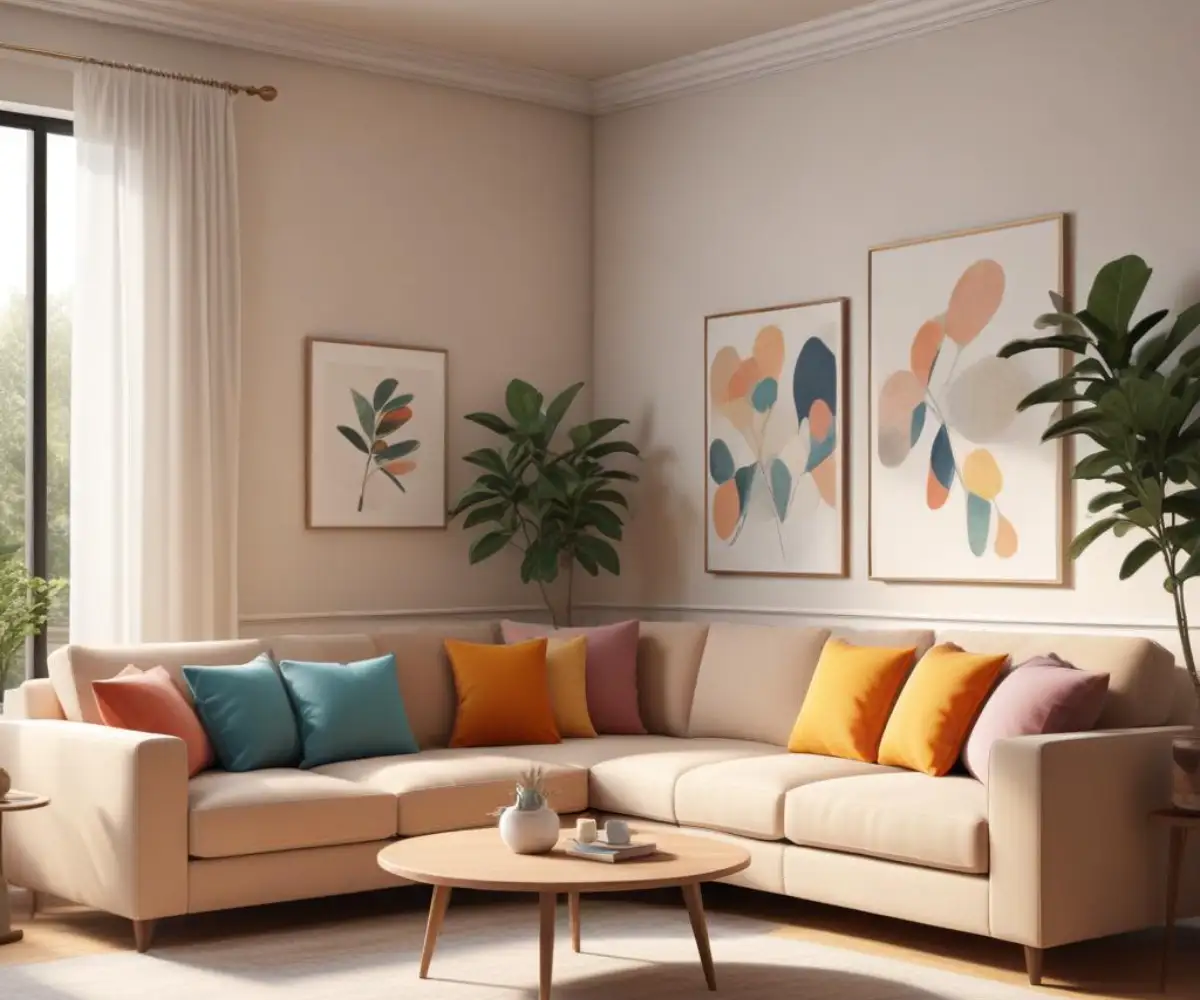
The dimensions and architectural features of your room play a massive role. Measure everything twice. A large, open-concept space might benefit from a U-shaped sectional to define the living area, while a long, narrow room is often better suited for two sofas arranged to create a clear traffic path.
Consider focal points like fireplaces or large windows. An arrangement of two sofas can beautifully frame a focal point, whereas a sectional might block it. Don’t forget to measure doorways and stairwells to ensure your chosen piece can actually make it into the room—a logistical nightmare many forget.
Your Lifestyle and How You Use the Space
Be honest about your daily habits. Are you a family that loves to cuddle up together for movie marathons? A plush, deep-seated sectional might be your perfect match. Or do you frequently entertain guests and prefer a setup that encourages conversation? Two sofas facing each other create a more formal, engaging atmosphere.
Think about seating dynamics. Sectionals can sometimes feel too intimate for guests who don’t know each other well. In contrast, separate sofas offer more personal space, which can be more comfortable for formal gatherings.
Aesthetics and Design Style
Your preferred interior design style will also influence your choice. Sectionals often lend themselves to a more modern, contemporary, or minimalist aesthetic with their clean lines and unified form. Their sheer size can make a powerful statement.
Two sofas, particularly matching ones, evoke a more traditional, classic, or transitional feel. This setup offers more opportunities to play with different pillows, throws, and end tables, allowing for a more layered and curated design. You can even mix and match two different but complementary sofas for a more eclectic look.
Two Sofas vs. A Sectional: A Head-to-Head Comparison
Making a decision is easier when the facts are laid out clearly. This table breaks down the core differences to help you weigh your options based on what matters most to you and your home.
| Feature | Two Sofas | Sectional Sofa |
|---|---|---|
| Flexibility & Versatility | High. Can be rearranged in multiple configurations or separated. | Low. Fixed shape limits rearrangement options. |
| Best for Conversation | Excellent, especially when facing each other. | Good, but can be awkward depending on seating position. |
| Lounging & Cuddling | Good, but offers less continuous space. | Excellent. Designed for sprawling and family lounging. |
| Space Efficiency | Can be less efficient, potentially taking up more floor space. | Very efficient, especially at utilizing corner space. |
| Traffic Flow | Generally better, allowing for multiple pathways. | Can block traffic flow, creating predefined pathways. |
| Aesthetic | Often more formal, classic, and symmetrical. | Typically more casual, modern, and unified. |
| Ease of Moving | Easier to move each piece individually. | Difficult and cumbersome to move. |
Beyond the Basics: The Details No One Talks About
The decision goes deeper than just layout and style. Certain practical considerations are often overlooked in the showroom but become glaringly obvious once the furniture is in your home. Paying attention to these subtle yet crucial details can save you from years of frustration.
The “Middle Seat” Problem and Traffic Flow
The corner of a sectional is its most infamous design flaw. It’s an awkward space where guests’ legs might touch, and it offers no back support, rendering it virtually useless for comfortable seating. Effectively, a five-person sectional often only seats four comfortably. This is a critical factor when calculating your actual seating needs.
Furthermore, a sectional can act like a wall, dictating and restricting how people move through a room. This is especially problematic in open-concept spaces where you want a seamless transition between zones. Two sofas, by contrast, create natural pathways and keep the room feeling open and accessible.
Future-Proofing Your Living Room
Your life isn’t static, and your furniture shouldn’t be either. The two-sofa arrangement is inherently more adaptable. If you move to a new home with a different layout, your two sofas can be reconfigured or even split between two rooms. A sectional, particularly one with a specific left- or right-facing chaise, might not fit your next space at all.
This long-term flexibility is a significant, often unconsidered, financial advantage. Investing in versatile pieces ensures they can evolve with your changing needs, providing better value over time. Modular sectionals offer a compromise, but often at a higher price point.
Material and Durability Considerations
Regardless of your choice, the quality of construction and materials is paramount. A well-built frame and high-quality upholstery will ensure your investment lasts. For families, durable and stain-resistant fabrics are a must.
For a timeless piece that only gets better with age, consider high-quality leather. A well-made leather sofa is incredibly durable and easy to clean, making it a surprisingly practical choice for busy households. For those interested in this durable option, exploring something like a Pottery Barn leather sectional review can provide valuable insights into how these pieces hold up in real-world family settings.
Making the Final Call: A Step-by-Step Guide
Feeling more confident? Now it’s time to translate that knowledge into a concrete plan. Follow these actionable steps to ensure you make a choice you’ll love for years to come.
Measure, Measure, Measure
This cannot be overstated. Measure your room, your doorways, your hallways, and any tight corners. Your sofa or sectional should occupy roughly two-thirds of the main wall it’s against to feel properly scaled. There should be at least 3 feet of walking space in major traffic paths and about 18 inches between your sofa and coffee table.
Create a Floor Plan
You don’t need fancy software. Use painter’s tape or cardboard cutouts on the floor to outline the footprint of the furniture you’re considering. This simple trick allows you to physically walk around the “furniture” and get a real-world feel for the scale and how it will impact your living space.
Consider Your Guests and Family
Think about your primary users. If you have elderly family members, a sofa with a higher, firmer seat might be easier for them to get in and out of. If you have young children, the soft corners and expansive lounging area of a sectional could be more appealing.
The Verdict: What’s Right for Your Home?
Ultimately, there is no single right answer in the “two sofas or a sectional” debate. The best choice is the one that harmonizes with your room’s dimensions, your family’s lifestyle, and your personal aesthetic. A sectional is often the champion for large, open-plan family rooms where casual lounging is the top priority.
Conversely, two sofas offer superior versatility, a more formal aesthetic, and better conversational dynamics, making them ideal for dedicated living rooms or homeowners who love to rearrange their space. By carefully considering the factors of space, lifestyle, and future flexibility, you can confidently select the perfect seating arrangement that will serve as the comfortable, functional, and stylish heart of your home.
