
Turk’s Cap and Your Dog: Is This Vibrant Plant a Hidden Danger?
The Turk’s Cap plant, with its whimsical, turban-like red flowers, is a favorite for many gardeners. It’s hardy, attracts hummingbirds, and adds a splash of brilliant color to shady spots. But for homeowners with four-legged family members, a beautiful garden addition always comes with a critical question: is it safe for my dog?
This article provides a comprehensive answer to whether the Turk’s Cap plant is poisonous to dogs. We’ll explore the facts, differentiate between true toxicity and minor digestive issues, and offer a complete guide to creating a garden that is a safe and joyful space for both you and your canine companion.
You'll Learn About
Meet the Turk’s Cap: A Gardener’s Delight
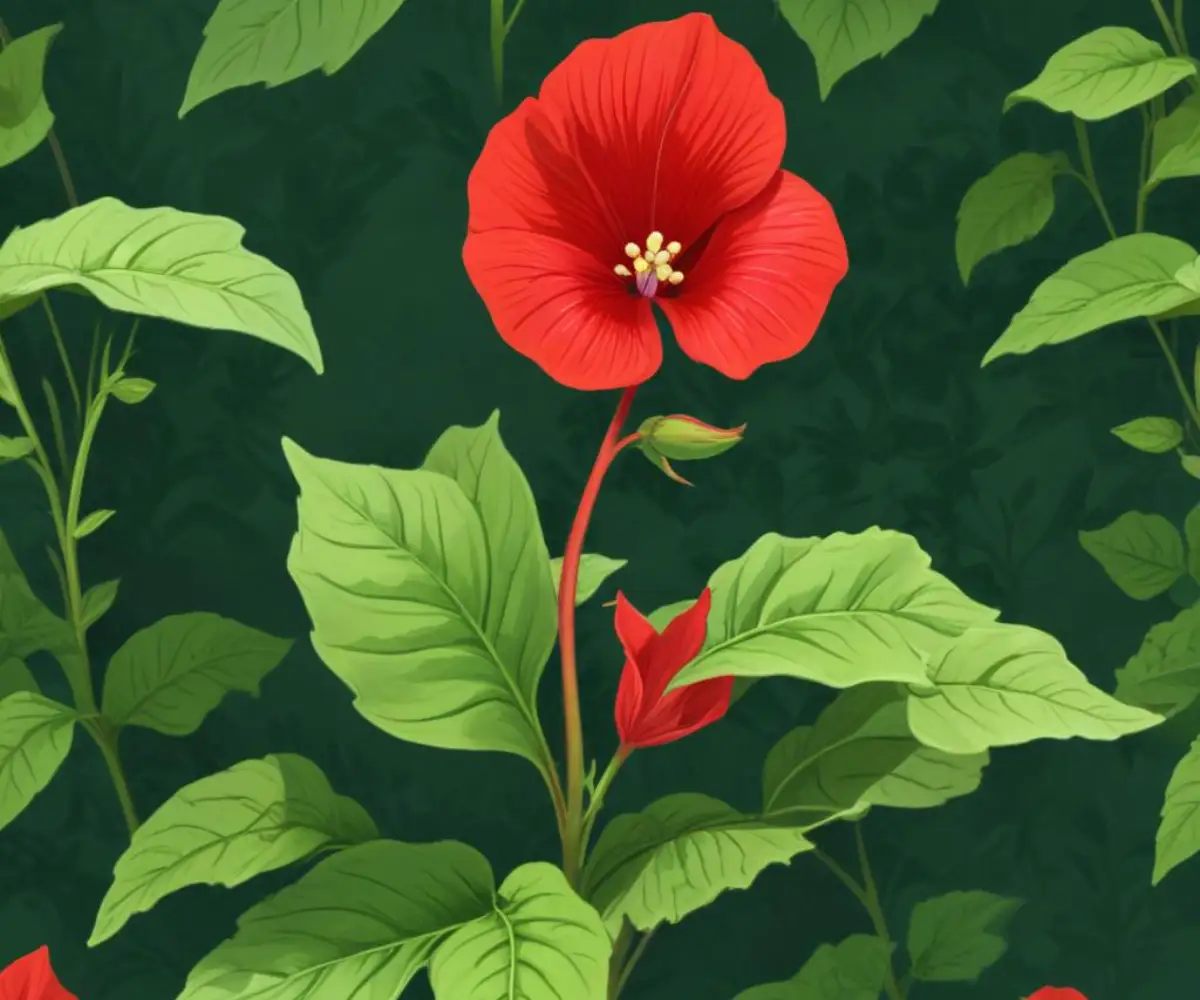
Turk’s Cap (Malvaviscus arboreus var. drummondii) is a resilient perennial shrub beloved in gardens, especially in the southern United States. Its most distinctive feature is its bright red flowers that, unlike its hibiscus relatives, never fully open. This unique, partially closed bloom gives the plant its common name, resembling a Turkish turban or “fez.”
It thrives in various conditions, from sunny spots to partial shade, and is known for being drought-tolerant once established. Beyond its visual appeal, it’s a powerhouse for attracting pollinators, making it a lively and beautiful addition to any landscape. Given its popularity, it’s no wonder so many dog owners are asking about its safety.
The Verdict: Is Turk’s Cap (Malvaviscus arboreus) Toxic to Dogs?
Let’s get straight to the point: The Turk’s Cap plant is widely considered non-toxic to dogs. Reputable sources, including university extension programs and plant databases, do not list it among plants that are poisonous to canines. Both the American Society for the Prevention of Cruelty to Animals (ASPCA) and other poison control databases confirm its non-toxic status. In fact, all parts of the plant, including the flowers and small red fruits, are known to be edible for humans and wildlife.
However, “non-toxic” does not mean it’s a good idea for your dog to eat it in large quantities. Any plant material, if ingested, can cause mild gastrointestinal upset. A dog’s digestive system isn’t designed to process a large amount of foliage, which can lead to vomiting or diarrhea simply from the mechanical irritation of it.
Understanding Plant Safety: Beyond “Poisonous” vs. “Non-Poisonous”
For a responsible pet owner, garden safety is more nuanced than a simple toxic or non-toxic label. It’s crucial to understand the potential risks lurking in your yard, as the real danger often isn’t the plant itself, but what’s on it.
Many gardeners use chemicals to keep their plants looking vibrant. Pesticides, herbicides, and even some fertilizers can be extremely harmful to dogs if ingested. A dog chewing on a chemically-treated Turk’s Cap leaf could suffer from poisoning, even though the plant is harmless. Always opt for pet-safe garden treatments and follow application instructions carefully, keeping pets away from treated areas until they are completely dry.
The Difference Between Upset and Emergency
It’s essential to recognize the signs of a minor stomach ache versus a true poisoning event. A dog that has munched on a non-toxic plant like Turk’s Cap might show mild symptoms that resolve quickly. In contrast, ingesting a truly poisonous plant requires immediate veterinary attention.
Knowing the difference can save you from unnecessary panic and ensure you act fast when it truly matters. When considering garden maintenance, you might encounter issues with machinery that require careful handling; for instance, resolving Ariens auto-turn problems should be done in a secure area, away from curious pets who could be exposed to lubricants or small parts.
Symptoms of GI Upset vs. True Poisoning in Dogs
If you see your dog eating any plant, the first step is to identify the plant. If you confirm it was a non-toxic plant like Turk’s Cap, you should still monitor your pet closely. Here is a table to help you distinguish between a mild reaction and a serious problem.
| Symptom | Mild GI Upset (from non-toxic plants) | Severe Poisoning (Requires Immediate Vet Care) |
|---|---|---|
| Vomiting | One or two episodes, may contain plant matter. | Continuous, severe, or contains blood. |
| Diarrhea | Mild, resolves within a day. | Severe, bloody, or lasts more than 24 hours. |
| Lethargy | Slight tiredness or being “off.” | Extreme weakness, collapse, or unresponsiveness. |
| Drooling | Slight, temporary increase. | Excessive drooling (hypersalivation), foaming at the mouth. |
| Other Signs | Loss of appetite for one meal. | Seizures, tremors, difficulty breathing, pale gums, abdominal pain. |
What to Do If Your Dog Eats a Turk’s Cap Plant
Even though Turk’s Cap is safe, it’s wise to follow a calm and methodical approach if you catch your dog eating one.
First, gently remove any plant material from your dog’s mouth. Do not panic or scold them, as this can cause anxiety. Simply observe their behavior for the next few hours. If you notice any of the severe symptoms listed in the table, or if your dog seems to be in any distress, contact your veterinarian or the ASPCA Animal Poison Control Center at (888) 426-4435 immediately.
Creating a Dog-Safe Garden: A Proactive Approach
The best way to ensure your dog’s safety is to be proactive. Creating a dog-friendly garden involves careful plant selection, thoughtful design, and safe maintenance practices. This not only protects your pet but also gives you peace of mind.
A secure garden perimeter is the first line of defense. When building or repairing fences, ensure they are sturdy. Using the right hardware, like finding the appropriate screw for a stud, ensures that fence posts and panels are firmly in place, preventing your dog from finding an escape route into less safe areas.
Choosing the Right Plants
While Turk’s Cap gets a green light, many other common garden plants are highly toxic. It is critical to know which plants pose a serious threat. Some of the most dangerous plants for dogs include Sago Palms, Oleander, Azaleas, Lilies (especially for cats), and Yew.
Instead, choose from a wide variety of beautiful and dog-safe options. Plants like Sunflowers, Snapdragons, Coral Bells, and certain herbs like Dill and Basil can add color and texture to your garden without posing a risk. Always double-check a plant’s toxicity before purchasing.
The Hidden Dangers: More Than Just Plants
A truly dog-safe garden considers all potential hazards. Beyond poisonous plants, some of the most significant dangers are man-made products used to maintain the landscape. These are often overlooked but can cause severe illness or even be fatal.
Cocoa mulch, for example, is popular for its rich color and sweet smell. However, it contains theobromine, the same compound that makes chocolate toxic to dogs. Snail and slug baits are also extremely dangerous, as are many chemical pesticides and rodenticides. Always read labels carefully and choose pet-safe alternatives whenever possible.
Frequently Asked Questions (FAQs) About Garden Safety for Dogs
Are the berries of the Turk’s Cap plant safe for dogs?
Yes, the small red fruits, often called “Mexican apples,” are not toxic. However, like the rest of the plant, they should not be consumed in large quantities to avoid potential stomach upset.
What about cats and Turk’s Cap plants?
Turk’s Cap is also considered non-toxic for cats. The same advice applies: discourage your cat from eating the plant, as ingestion can still lead to mild digestive issues.
How can I stop my dog from eating plants in the garden?
Preventing plant-eating behavior involves a combination of training and management. Ensure your dog has plenty of engaging toys to prevent boredom. You can also use pet-safe deterrent sprays on plants or create physical barriers like low fences around garden beds. Providing a designated “digging spot” can also redirect unwanted garden excavation.
A Beautiful, Safe Garden for Everyone
In conclusion, dog owners can breathe a sigh of relief. The beautiful Turk’s Cap plant is not poisonous to dogs, making it a safe and excellent choice for a pet-friendly garden. The key to a truly safe outdoor space is vigilance and awareness of all potential hazards.
By choosing non-toxic plants, using pet-safe chemicals, and understanding the difference between a minor tummy ache and a real emergency, you can create a stunning garden. It can be a sanctuary where both you and your beloved canine can relax and play without worry.
