Tumbleweed Shredder: Your Ultimate Guide to a Clear Yard
The iconic image of a tumbleweed rolling across a desolate landscape is a staple of Westerns, but for homeowners in many regions, this reality is far from romantic. These drifting botanical skeletons are more than just a picturesque nuisance; they represent a significant threat to property and safety. Tumbleweeds can pile up against homes and fences, creating serious fire hazards, blocking access, and smothering your prized garden plants.
The problem often seems insurmountable as winds continuously deliver new waves of these unwelcome visitors. Dealing with them can be a prickly, labor-intensive, and frustrating task. Fortunately, an effective solution exists: the tumbleweed shredder, a powerful tool designed to turn this overwhelming problem into manageable, useful material.
You'll Learn About
Why Tumbleweeds Are More Than Just a Rolling Nuisance
Understanding the full scope of the tumbleweed problem is the first step toward effective management. These invasive plants, most commonly Russian thistle, pose several significant dangers that every homeowner in affected areas should be aware of.
Their dry, airy structure makes them extremely flammable. Piles of tumbleweeds banked against a house or fence can act as a massive pile of kindling, creating a fire ladder that can carry flames directly to your structures. This is a critical concern, especially in regions prone to wildfires.
Property Damage and Pest Infestations
Beyond the fire risk, tumbleweeds can cause direct physical damage. Large accumulations can break fences, damage siding, and block irrigation ditches. They also provide shelter for various pests, including spiders and rodents, bringing these unwanted guests right to your doorstep.
Furthermore, each tumbleweed is a seed-dispersal mechanism, capable of spreading tens of thousands of seeds as it rolls. Allowing them to accumulate ensures a future bumper crop of invasive thistle in your yard and garden, choking out desirable native plants.
The Tumbleweed Shredder Solution: Taming the Rolling Menace
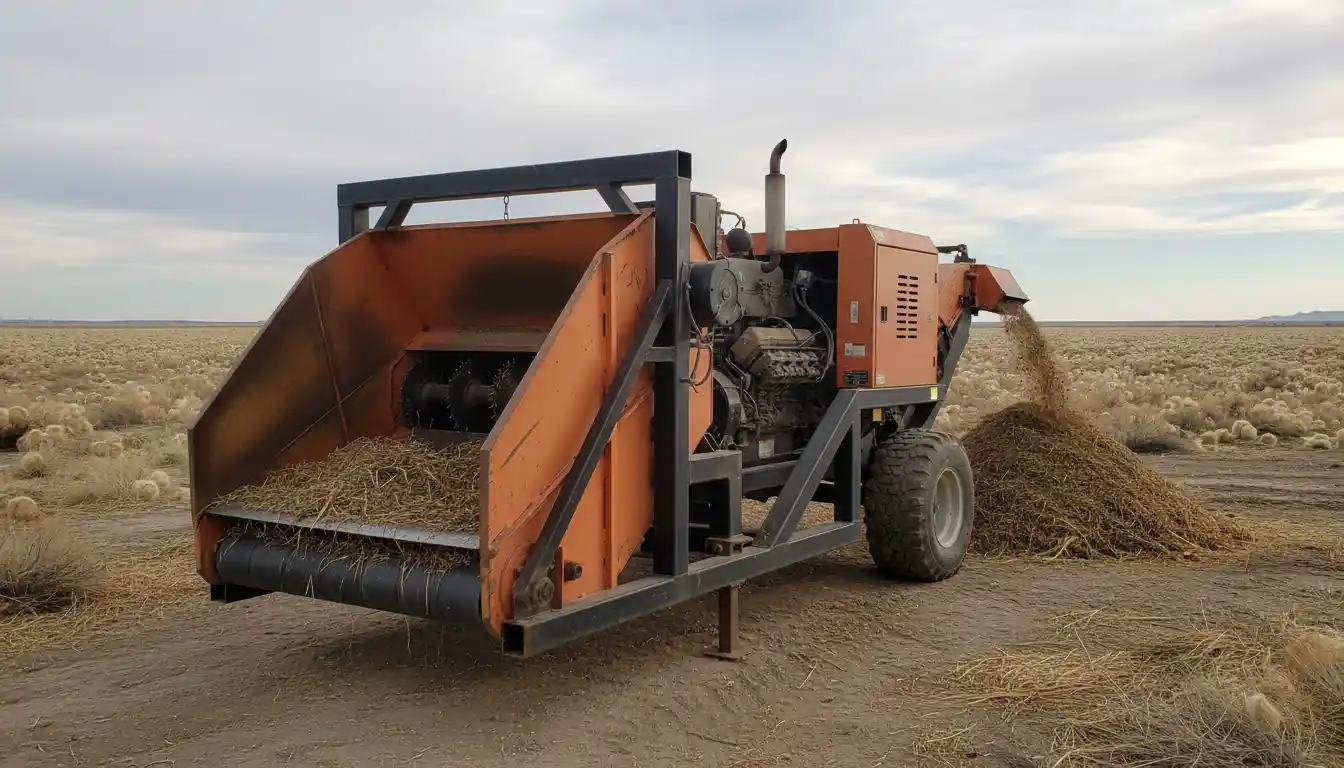
A tumbleweed shredder is the answer to managing large volumes of this pesky weed. While not typically a standalone category of machine, the role is perfectly filled by a heavy-duty chipper shredder with specific features suited for the job. These machines reduce the massive volume of tumbleweeds into a small fraction of their original size, making disposal vastly simpler.
The primary benefit is immediate and dramatic volume reduction. What might have been a dumpster-filling pile can be reduced to a few manageable bags of shredded material. This not only saves space in landfills but also makes the debris much easier to handle and transport.
From Hazard to Help: Creating Usable Mulch
Perhaps the most significant advantage of shredding is the ability to transform a hazardous waste product into a valuable garden resource. The resulting shredded material can be used as mulch or as a carbon-rich component in your compost pile. This closes the loop, turning a problem into a benefit for your landscape.
This approach is not only environmentally responsible but also saves you money on garden amendments. By processing tumbleweeds on-site, you eliminate disposal fees and the cost of buying mulch or compost ingredients.
Choosing the Right Shredder for Tumbleweed Domination
Selecting the right machine is crucial for efficiently and safely tackling a tumbleweed problem. The unique nature of tumbleweeds—bulky, brittle, and light—demands specific features that differ from those needed for chipping solid wood branches.
The choice largely comes down to the scale of your problem and your power preferences. Each type has distinct advantages and disadvantages that will influence its suitability for your property.
Gas vs. Electric Shredders: Power and Portability
Gas-powered shredders are the workhorses of the yard. Their powerful engines are ideal for large properties with significant tumbleweed accumulation, as they can run for hours without being tethered to an outlet. This power allows them to process material quickly and handle denser clumps without bogging down.
Electric shredders, on the other hand, are quieter, lighter, and require less maintenance. They are an excellent choice for smaller yards or for homeowners who prefer a more environmentally friendly option. However, their power is limited by the amperage of your household circuits, and their range is restricted by the length of an extension cord.
Key Features to Look For
When shopping for a shredder specifically for tumbleweeds, prioritize these features:
- Large Feed Chute: This is arguably the most important feature. A wide, open hopper allows you to feed bulky, awkwardly shaped tumbleweeds into the machine without having to spend excessive time breaking them down by hand.
- High Reduction Ratio: A shredder’s reduction ratio (e.g., 10:1 or 16:1) indicates how effectively it reduces the volume of the material. For tumbleweeds, a higher ratio is better, as it means fewer bags of debris to manage.
- Sufficient Engine Power: For gas models, look for engines with higher horsepower (HP) or cubic centimeters (cc). For electric models, higher amperage (amps) is key. More power ensures the shredder can handle the load without frequent jams.
- Durable Shredding Mechanism: Look for machines with hardened steel blades or flails designed to pulverize rather than just chip. This design is better suited for the brittle, non-uniform structure of tumbleweeds.
| Shredder Type | Power Source | Ideal Use Case | Pros | Cons |
|---|---|---|---|---|
| Electric Chipper Shredder | Corded Electric | Small yards, light accumulation | Quiet, lightweight, low maintenance, eco-friendly | Less powerful, limited by cord length |
| Gas-Powered Chipper Shredder | Gasoline | Medium to large properties, heavy accumulation | Very powerful, portable, fast processing | Loud, requires fuel and oil, heavier |
| Commercial/Agricultural Shredder | Gasoline / PTO | Ranches, large acreage, professional use | Extremely powerful, very large capacity | Very expensive, large and heavy, overkill for most homeowners |
Step-by-Step Guide: How to Safely Shred Tumbleweeds
Operating a powerful shredder requires a methodical approach focused on safety and efficiency. Rushing the job or neglecting protective gear can lead to serious injury. Follow these steps to process your tumbleweeds safely.
Proper preparation of both your gear and your workspace is non-negotiable. It ensures the process goes smoothly and minimizes risks.
Preparation is Key: Gear and Site Prep
Before you even start the engine, gather your Personal Protective Equipment (PPE). This includes safety goggles to protect your eyes from flying debris, heavy-duty gloves to handle the prickly plants, long sleeves and pants to protect your skin, and a dust mask to avoid inhaling fine particles. A good cleanup after a big yard project is essential; it’s similar to how one must be meticulous with Ram Board tape removal to ensure no residue is left behind.
Choose a flat, stable area for the shredder, far from flammable structures. Inspect the tumbleweeds for foreign objects like rocks, wire, or trash that could damage the machine or become dangerous projectiles.
The Shredding Process
Start the machine according to the manufacturer’s instructions. Once it’s running at full power, begin feeding the tumbleweeds into the hopper. It’s often helpful to break very large tumbleweeds into smaller, more manageable pieces first.
Feed the material in steadily, but do not overload the chute. Allow the machine to process the material before adding more. Never put your hands or any tools into the chute while the shredder is running.
Post-Shredding Cleanup and Maintenance
After you’ve finished, turn off the machine and allow it to cool down completely before cleaning. Disconnect the spark plug on gas models or unplug electric ones as a safety precaution. Clear any remaining debris from the chute and shredding chamber.
Proper maintenance, such as checking the oil and sharpening or replacing the blades as needed, will ensure your shredder is ready for the next windy day. Store it in a dry, covered location to protect it from the elements.
Creating Value from Waste: Using Shredded Tumbleweeds in Your Garden
One of the most rewarding aspects of shredding tumbleweeds is transforming them into a beneficial soil amendment. However, there’s a critical consideration: seeds. Tumbleweeds are prolific seed producers, and simply shredding them and spreading them on your garden could multiply your weed problem exponentially.
The key is to neutralize the seeds before using the shredded material. This extra step ensures you get all the benefits of the organic matter without the drawback of a weed explosion.
The Secret to Seed-Free Mulch: Solarization
A highly effective and organic method for sterilizing the shredded material is solarization. This technique uses the sun’s heat to kill weed seeds and pathogens. It’s a simple process that adds immense value to your shredded tumbleweeds.
To solarize the material, pile the shredded tumbleweeds in a sunny spot. Wet the pile thoroughly, then cover it tightly with a sheet of clear plastic, burying the edges to trap heat and moisture. Leave the pile covered for 4-6 weeks during the hottest part of the year. The intense heat generated under the plastic will effectively “cook” and kill the vast majority of the seeds, rendering the mulch safe to use in your garden beds for moisture retention and weed suppression.
Advanced Tumbleweed Management Strategies
While a shredder is a powerful tool for dealing with tumbleweeds that have already arrived, a truly effective management plan also includes proactive and preventative measures. Reducing the number of tumbleweeds that reach your property in the first place is the ultimate goal.
Combining physical barriers with early intervention can significantly decrease the amount of cleanup you need to do each year.
Prevention: The First Line of Defense
The most effective long-term strategy is to stop the problem at its source. If possible, walk your property and surrounding areas in the spring and early summer to identify and remove young Russian thistle plants before they mature, break off, and begin to roll. Pulling or hoeing them when they are small and green is far easier than dealing with them once they become large, dry, and spiny.
Creating physical barriers can also be highly effective. Fences, especially those with wire mesh, can trap tumbleweeds before they pile up against your home. Planting a windbreak of hardy, dense shrubs or trees on the windward side of your property can also capture a significant number of them.
When to Call a Professional
There are times when the scale of the problem is simply too large for a homeowner to handle alone. If your property is overrun with hundreds of tumbleweeds after a major windstorm, or if they are piled dangerously high against your house, it may be time to call a professional landscaping or cleanup service.
These services have the heavy equipment and manpower to clear large quantities of debris quickly and safely. Sometimes, for a critical task, seeking professional help is the wisest choice, much like how you would want to find the best place to buy screws for a major construction project instead of relying on a miscellaneous assortment.
Common Tumbleweed Shredder Problems and How to Fix Them
Even the best equipment can encounter issues, especially when dealing with challenging material like tumbleweeds. Knowing how to troubleshoot common problems can save you time and frustration.
Most issues are preventable with proper operation and regular maintenance. A persistent problem, much like a freestanding tub filler that wobbles, needs to be addressed correctly to avoid bigger issues down the line.
Machine Clogging and Jams
The most frequent problem is the shredder getting clogged. This usually happens from feeding too much material too quickly or from trying to shred damp tumbleweeds. If the machine jams, immediately turn it off and wait for all moving parts to come to a complete stop before attempting to clear it.
Once it’s safe, open the housing and carefully remove the compacted material. To prevent future jams, feed the tumbleweeds more slowly and ensure they are completely dry before shredding.
Dull Blades and Performance Issues
If you notice the shredder is working less efficiently and the output is coarse and stringy rather than finely chopped, the blades are likely dull. Tumbleweeds can contain abrasive sand and grit that dulls blades over time.
Consult your owner’s manual for instructions on how to access, remove, and either sharpen or replace the blades. Sharp blades are essential for optimal performance and reduce strain on the engine.
By transforming a hazardous nuisance into a valuable resource, a tumbleweed shredder empowers homeowners to reclaim their yards. With the right equipment, a focus on safety, and smart management strategies, you can effectively conquer the rolling menace and create a safer, cleaner, and healthier home landscape.