
Tuff Torq K66 Problems? Don’t Replace It, Fix It Now!
The heart of any garden tractor is its transmission. When it starts to fail, the entire machine becomes a frustratingly large paperweight.
If your tractor has a Tuff Torq K66, you might be facing this exact problem. But before you consider a costly replacement, understand that most issues can be solved right in your own garage.
You'll Learn About
Decoding Your Tuff Torq K66 Hydrostatic Transmission
A hydrostatic transmission is a marvel of engineering that uses hydraulic fluid under pressure to power your tractor’s wheels. This system allows for the smooth, shift-free control of speed in both forward and reverse that makes these tractors so easy to operate.
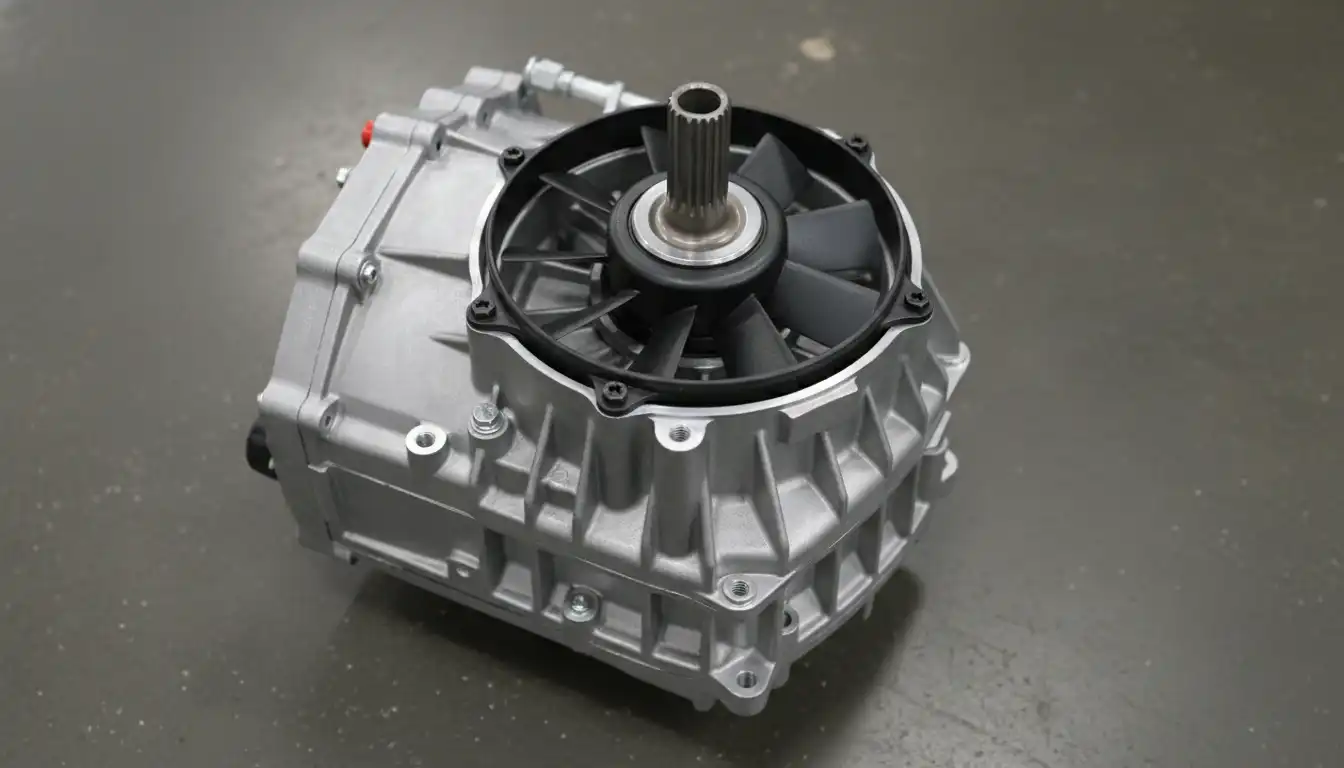
The Tuff Torq K66 is a specific model of an Integrated Hydrostatic Transaxle (IHT) found in a wide range of high-end lawn and garden tractors. Unfortunately, many manufacturers label these units as “sealed” or “non-serviceable,” leading owners to believe they are disposable when problems arise. This is the single biggest and most costly misconception surrounding the K66.
Top 5 Tuff Torq K66 Problems and What’s Really Happening
Most performance issues with the K66 are not due to catastrophic mechanical failure. They are symptoms of a single, correctable root cause: degraded hydrostatic fluid. Here are the common signs that your transmission is calling for help.
1. The Dreaded Slowdown: Losing Power When Hot
This is the number one complaint from K66 owners. The tractor operates perfectly for the first 15-30 minutes, but as it warms up, it begins to lose speed and struggles to climb even slight inclines. In severe cases, it may stop moving altogether until it cools down.
The cause is almost always the hydrostatic oil. Over time and with heat, the oil breaks down, losing its viscosity. When the thinned oil gets hot, it can no longer generate the required hydraulic pressure to power the wheels effectively.
2. Unsettling Noises: Whining, Grinding, or Clicking
Strange noises from beneath your seat are a clear indicator of a transmission issue. A high-pitched whine that changes with engine speed often points to either low fluid level or aerated fluid (air bubbles trapped in the oil).
If you hear grinding or clicking, it can suggest a more serious problem like wear on the internal gears or pump components. However, these noises can also be caused by old, contaminated fluid failing to lubricate parts properly.
3. Complete Loss of Drive: No Movement At All
If your engine is running but the tractor won’t move in forward or reverse, the first thing to check isn’t the transmission itself. Look for the bypass rod, which is used to move the tractor manually. If this rod is engaged, the transmission will not operate.
If the bypass rod is not the issue, the problem could be a snapped or disconnected drive belt from the engine. Only after ruling out these simple external factors should you suspect a more significant internal transmission failure.
4. Fluid Leaks: The Telltale Puddle on the Floor
Spotting an oil leak under your tractor should never be ignored. With a “sealed” unit that you cannot easily top off, any loss of fluid is a critical problem that will inevitably lead to poor performance and eventual failure.
Leaks most commonly occur from worn-out axle seals where the wheels connect or from the main case seam if the bolts have loosened over time. A proactive approach to workshop maintenance, like ensuring your space is well-sealed, is always a good idea before starting messy jobs. Properly filling cable holes in exterior walls of your garage can prevent drafts and dust from contaminating your work area.
5. Jerky or Unresponsive Operation
When the tractor lurches, hesitates, or responds erratically to pedal input, it’s often a sign of air trapped within the hydraulic system. This aeration prevents the smooth and consistent transfer of power, leading to jerky movements.
This issue is especially common after the fluid has been changed or if the fluid level has dropped low enough to allow air to be sucked into the pump. A proper purging procedure is required to resolve it.
The “Non-Serviceable” Myth: Your Step-by-Step K66 Rescue Plan
Now we get to the solution. Despite what the manual might imply, you can service your Tuff Torq K66. The single most effective repair you can perform is a complete hydrostatic fluid change.
Step 1: The Essential Fluid Change – The Ultimate Fix
This procedure is the key to restoring lost power and extending the life of your transmission. While some K66 models lack a convenient drain plug, the oil can always be changed. You will need basic tools, jack stands, and the correct replacement fluid (Tuff Torq recommends their own fluid, but a quality synthetic 5W-50 motor oil is a widely accepted substitute).
First, safely raise and secure the rear of the tractor on jack stands. For the easiest access, you will likely need to remove the entire transaxle from the tractor frame. This may sound intimidating, but it typically involves disconnecting a few linkages, removing the drive belt, and unbolting the unit.
Once the transaxle is on your workbench, thoroughly clean the entire exterior. Remove the black fill cap on top of the unit and carefully tilt the transaxle on its side to drain all the old, dark fluid into a pan. After draining, refill the unit through the fill port with fresh synthetic 5W-50 oil. The correct fluid level is typically about 20-25mm (3/4″ to 1″) below the fill port opening.
Step 2: Purging the System to Eliminate Trapped Air
After reinstalling the transmission, you must purge any air that entered the system. This step is non-negotiable for smooth operation. With the rear wheels still off the ground, ensure the bypass lever is disengaged.
Start the engine and let it run at low idle. Slowly press the forward pedal for 5-10 seconds, then the reverse pedal for 5-10 seconds. Repeat this cycle at least 5-6 times to work all the air bubbles out of the hydraulic circuits and back into the case.
Step 3: Addressing Leaks and Advanced Issues
If you discovered a leak, now is the time to fix it. Axle seals can be replaced once the wheels are off, and case bolts can be checked for proper torque. Addressing these issues is vital for the longevity of the repair.
Some home repairs are simple, like finding creative ways for expanding foam to fix towel rack issues in the bathroom. However, transmission work requires precision and following the proper steps to ensure a lasting solution.
Proactive Care: Preventing Future Tuff Torq K66 Headaches
Once your K66 is running like new, you can keep it that way. The key is preventing the oil from overheating and breaking down prematurely.
Keep It Clean, Keep It Cool
The K66 has a cooling fan mounted on top and cooling fins cast into the aluminum housing. These components are critical for dissipating heat. Unfortunately, they are magnets for grass clippings, leaves, and dirt.
Make it a habit to use compressed air or a leaf blower to clean the top of your transmission regularly. A clean transmission runs cooler, and a cooler transmission preserves the life of the oil.
Don’t Overwork Your Tractor
The K66 is a robust ground-engaging transmission, but it has its limits. Avoid using your garden tractor for tasks it wasn’t designed for, such as pulling excessively heavy loads or trying to move large amounts of soil.
Just as a significant change to one part of your house can have unforeseen effects, like noticing issues of house settling after new roof installation, pushing your tractor beyond its design can cause premature wear on its core components.
| Symptom | Most Likely Cause | Recommended Solution |
|---|---|---|
| Loses power when hot | Old, broken-down hydrostatic fluid | Perform a complete fluid change with synthetic 5W-50 oil. |
| Loud whining noise | Low or aerated fluid | Check fluid level. Perform fluid change and purge procedure. |
| No movement (forward/reverse) | Bypass rod engaged or broken drive belt | Disengage bypass rod. Inspect and replace drive belt. |
| Oil leaking under tractor | Worn axle seals or loose case bolts | Replace seals. Check and torque case bolts. |
| Jerky or hesitant movement | Air trapped in the hydraulic system | Perform the air purging procedure. |
DIY vs. a Professional Repair: Making the Right Call
Deciding whether to tackle this job yourself comes down to your comfort level with mechanical work. A fluid change is well within the reach of a determined DIYer with a good set of tools.
The cost of a new Tuff Torq K66 transaxle can be over $1,200, and a professional repair could run several hundred. By investing a few hours and the cost of a gallon of synthetic oil, you can save a tremendous amount of money and gain valuable experience in maintaining your equipment.
The Final Word on Tuff Torq K66 Reliability
The Tuff Torq K66 is not a flawed transmission. It is a powerful and reliable unit that suffers from the industry’s poor decision to market it as a “non-serviceable” component. Its most common and costly “problems” are, in reality, symptoms of neglected maintenance.
By understanding that the fluid is the lifeblood of the system, you can confidently diagnose issues and perform the service needed to keep your garden tractor running strong for years to come. Don’t let a “sealed unit” scare you away from a straightforward and highly effective repair.
