
Tru Core Flooring Reviews: The Hidden Truth Before You Buy
Choosing the right flooring feels like a monumental task for any homeowner. You’re looking for that perfect blend of stunning aesthetics, ironclad durability, and a price that doesn’t make you weak in the knees. In the crowded market of Luxury Vinyl Plank (LVP), Tru Core has emerged as a contender, promising the look of natural materials without the associated drawbacks. But does it live up to the hype, or are there hidden issues you need to know about before you invest?
The core problem many homeowners face is navigating the sea of marketing claims to find a floor that truly withstands the rigors of daily life—from pet claws and kids’ toys to accidental spills and heavy foot traffic. The fear of choosing a floor that scratches, dents, or warps within a few years is a significant concern. This article dives deep into Tru Core flooring reviews to uncover the unvarnished truth, helping you make a decision with confidence.
You'll Learn About
Unpacking Tru Core: What’s Beneath the Surface?
Tru Core is a brand of rigid core flooring, primarily known for its Stone Polymer Core (SPC) and Wood Plastic Composite (WPC) products. A brand under The Dixie Group, a company with a long history in the flooring industry, Tru Core aims to provide a durable, waterproof, and aesthetically pleasing flooring solution. Their products are engineered in multiple layers to deliver performance and stability.
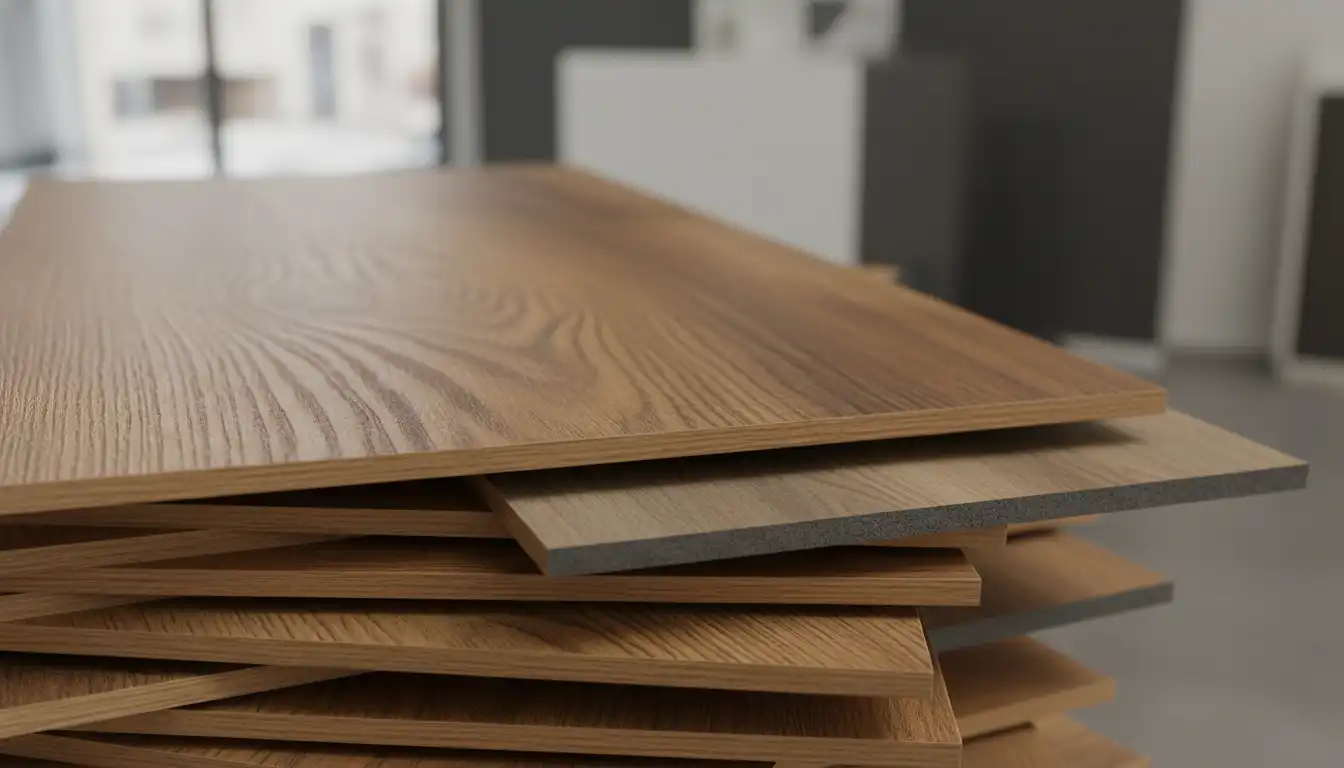
The construction typically includes a protective wear layer, a decorative film that mimics wood or stone, a rigid core, and often an attached underlayment. This multi-layer design is what gives the flooring its key characteristics: 100% waterproof performance, resistance to dents and scratches, and stability across temperature changes. These features make it suitable for almost any room in the house, including basements, kitchens, and bathrooms.
The Core of the Matter: SPC vs. WPC Construction
Understanding the difference between SPC and WPC is crucial when considering Tru Core. SPC (Stone Polymer Core) is made from a composite of limestone, PVC, and stabilizers. This results in an incredibly dense and durable core that is highly resistant to impacts and dents. It’s an excellent choice for high-traffic commercial areas and busy homes.
WPC (Wood Plastic Composite), on the other hand, incorporates wood pulp or plasticizers, creating a core that is lighter and offers more comfort and sound insulation underfoot. While still durable and waterproof, it’s generally considered a more comfortable option for living spaces. Tru Core offers product lines featuring both types of cores, allowing homeowners to choose based on their specific needs for durability versus comfort.
The Good, The Bad, and The Scratched: Real User Experiences
No flooring is perfect, and authentic user reviews reveal a mixed bag of experiences with Tru Core. While many users praise its appearance and waterproof nature, others point to significant issues with durability and installation that potential buyers should be aware of. Understanding these common pain points is essential.
One of the most frequent commendations for Tru Core is its visual appeal. Many homeowners are delighted with the realistic wood and stone looks that elevate their home’s aesthetic. However, the praise often stops there for some, as durability concerns, particularly with scratching and chipping, begin to surface.
Praise for Aesthetics and Waterproofing
Many homeowners are initially drawn to Tru Core for its extensive range of designs. Users often report that the flooring successfully mimics the look of natural hardwood or stone, providing a high-end feel at a more accessible price point. Its 100% waterproof nature is another frequently cited benefit, making it a go-to choice for moisture-prone areas like kitchens, bathrooms, and basements where traditional hardwood would be a disaster.
Positive reviews often highlight the peace of mind that comes with a waterproof floor, especially in households with pets and children. Spills and accidents are easily managed without the fear of permanent damage. This combination of beauty and practicality is a significant selling point for the brand.
Common Complaints: Scratching, Chipping, and Installation Woes
Despite the attractive designs, a recurring theme in negative reviews is the flooring’s susceptibility to scratching and chipping. Some users report that even minor incidents, like dropping a small object or the movement of furniture (even with protective pads), can cause visible damage. Complaints about pet nails leaving permanent scratches are also common, which contradicts the pet-friendly marketing.
Installation presents another significant hurdle for some. While the click-lock system is designed for easy installation, both DIYers and professional installers have reported difficulties. Issues include planks not locking together securely, leading to gaps, and edges chipping easily during the installation process. These problems can compromise the floor’s integrity and waterproof seal if not addressed correctly.
Deep Dive into Tru Core’s Product Lines and Specifications
Tru Core offers several product series, each with different specifications to cater to various needs and budgets. The primary distinctions lie in the core type (SPC or WPC), the overall thickness of the plank, and the thickness of the wear layer. The wear layer is arguably the most critical component for durability, as it protects the decorative layer from scratches and scuffs.
Wear layers are measured in mils (one-thousandth of an inch), and a thicker wear layer generally indicates a more durable floor. Tru Core’s offerings typically range from 12 mil to 20 mil. For most residential applications, a 20 mil wear layer is considered robust and suitable for high-traffic areas. Cheaper LVP options, like some discussed in our ProCore Plus Flooring Reviews, may have thinner layers, making them less suitable for busy households.
Comparing the Series: Finding the Right Fit
To make an informed decision, it’s essential to compare the different series offered by Tru Core. The table below provides a snapshot of key specifications for some of their popular lines. This can help you weigh the cost against the features that matter most for your home environment.
| Feature | Tru Core 5 Series | Tru Core 7 Series | Tru Core Prime (WPC) |
|---|---|---|---|
| Core Type | SPC (Stone Polymer Core) | SPC (Stone Polymer Core) | WPC (Wood Plastic Composite) |
| Total Thickness | Approximately 7.0mm | Approximately 6.0mm | Approximately 9.5mm |
| Wear Layer | 20 mil | 20 mil | 20 mil |
| Attached Pad | Yes (IXPE) | Yes (IXPE) | Yes |
| Primary Benefit | High density and dent resistance | Balanced durability and style | Enhanced comfort and sound insulation |
Installation and Maintenance: Keys to Longevity
Proper installation and maintenance are critical to the performance and lifespan of any LVP flooring, and Tru Core is no exception. Many of the negative reviews regarding gaps, peaking, or cupping can be traced back to issues with the subfloor or installation process. A perfectly flat and clean subfloor is non-negotiable for a successful outcome.
Even though Tru Core is waterproof, excessive moisture from the subfloor can still cause problems, such as mold growth or compromising the plank’s locking system. It is crucial to conduct moisture tests on concrete subfloors before installation. Some situations may require a vapor barrier to prevent moisture from migrating upwards.
Best Practices for a Flawless Installation
For a successful Tru Core installation, acclimation of the planks is a vital first step. The flooring should be left in the room where it will be installed for at least 48 hours to adjust to the temperature and humidity. This helps prevent expansion or contraction issues after installation. Following the manufacturer’s specific instructions regarding expansion gaps around the perimeter of the room is also essential.
While many homeowners may opt for a DIY installation, the reported difficulties with the locking mechanism suggest that hiring an experienced professional might be a worthwhile investment. A professional installer will ensure the subfloor is adequately prepared and that the planks are correctly engaged, preventing future problems. If you’re exploring other brands, our GemCore Flooring Reviews offer insights into their installation process as well.
Keeping Your Tru Core Floor Looking New
Maintenance for Tru Core flooring is relatively straightforward. Regular sweeping or vacuuming (using a hard floor setting without a beater bar) is recommended to remove dirt and grit that can act like sandpaper and dull the finish. For cleaning, a damp mop with a pH-neutral cleaner is sufficient. Avoid using harsh chemicals, wax, or steam mops, as these can damage the wear layer.
To prevent scratches, use felt pads under all furniture legs and avoid dragging heavy objects across the floor. Place walk-off mats at all entrances to trap dirt and debris from shoes. While the floor is scratch-resistant, it is not scratch-proof, and taking these preventive measures will significantly extend its life and appearance.
The Final Verdict: Is Tru Core the Right Choice for Your Home?
Tru Core flooring presents a compelling option for homeowners who prioritize aesthetics and waterproof performance. Its wide range of realistic wood and stone designs can beautifully transform a space. The brand, backed by The Dixie Group, offers a variety of product lines to suit different needs, from the ultra-dense SPC core for high-traffic areas to the more comfortable WPC options.
However, the recurring complaints regarding scratching, chipping, and installation difficulties cannot be ignored. While the 20 mil wear layer found in many of their products is theoretically robust, real-world user experiences suggest it may not be as resilient as advertised, especially in homes with pets or active children. For those considering alternatives with a strong reputation for durability, exploring options covered in our Nexxacore Flooring Reviews could be beneficial.
Ultimately, the decision to invest in Tru Core flooring should be made with a clear understanding of its pros and cons. It may be an excellent choice for areas with less intense traffic or for homeowners who are meticulous about preventive care. However, if maximum durability is your top priority, carefully weighing it against other top-tier LVP brands is a prudent course of action. Ensure you get a sample to test and scrutinize the locking mechanism before making a final commitment.
