
Trex Fascia Warping? The Shocking Reason It Happens & How to Fix It
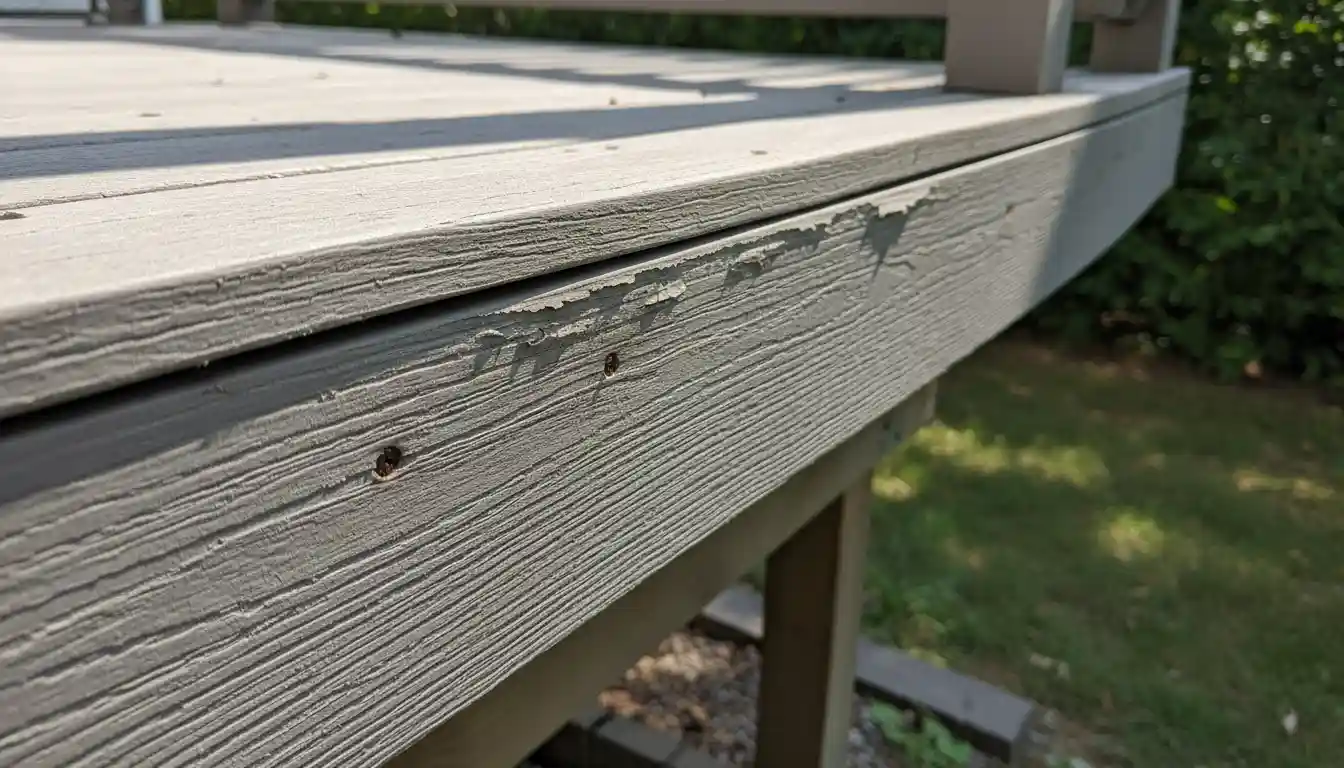
You invested in a beautiful Trex deck, envisioning a pristine, low-maintenance outdoor oasis. But now, you’re staring at a wavy, warped fascia board that ruins the entire look. It’s a frustrating problem that can make an expensive deck look cheap and poorly installed.
The good news is that you’re not alone, and the issue is almost always preventable and fixable. This comprehensive guide will walk you through exactly why Trex fascia warps, how to repair it, and the professional installation secrets to ensure it never happens again.
You'll Learn About
Why Your Trex Fascia is Warping: Uncovering the Root Causes
Understanding the “why” behind Trex fascia warping is the first step to a permanent solution. Unlike wood, which rots, composite materials like Trex have their own unique vulnerabilities. The warping you see is almost always a result of a powerful natural force combined with common installation mistakes.
The number one cause of warped composite fascia is thermal expansion and contraction. Trex boards are made from a combination of wood fibers and plastic. When exposed to direct sunlight and heat, the material expands. As it cools down, it contracts. This movement is subtle but incredibly powerful, and if the board doesn’t have room to move, it will buckle, bend, and warp.
Improper Installation: The Hidden Culprit
While thermal expansion is the force at play, installation errors create the environment for it to cause damage. More than 90% of warping issues can be traced back to the installation process. A perfectly installed fascia board can withstand decades of temperature swings without issue.
Insufficient Gapping is the most critical mistake. Fascia boards need a small gap at the ends and any seams to allow for this expansion and contraction. Without this space, the expanding board has nowhere to go but outwards, creating the wavy appearance you see.
Another common error is using the wrong fasteners. Standard wood screws are not designed for the unique properties of composite materials. Specialized composite screws, like those from Starborn or Simpson Strong-Tie, have heads and threads engineered to hold the fascia securely while still allowing for slight movement.
The Underlying Structure: An Overlooked Factor
Few people consider the health of the structure *behind* the fascia. The fascia board is attached to the deck’s rim joist. If the rim joist itself is not perfectly straight, is water-damaged, or is made of uneven boards, it will translate this unevenness directly to the fascia, creating a look that mimics warping.
A solid, level, and dry substructure is the foundation for a flawless finish. Any imperfections in the rim joist must be addressed before a single piece of fascia is installed. This foundational integrity is a non-negotiable step for a professional, long-lasting result.
The Step-by-Step Guide to Fixing Warped Trex Fascia
Seeing a warped fascia board can be disheartening, but in many cases, it can be corrected. The approach depends on the severity of the warping. For minor waves, a simple adjustment might work, while severely bent boards will require replacement.
For slightly wavy boards, you can sometimes fix the issue by removing the existing screws, allowing the board to lay flat, and re-installing it with the correct fasteners and proper gapping. It is best to do this on a warm, sunny day when the board is more pliable. Adding more fasteners than were originally used can also help hold the board flat against the rim joist.
The “Cut and Replace” Method for Severe Warping
If a board is severely warped, no amount of extra screws will flatten it permanently. In this case, the only reliable solution is replacement. Carefully remove the warped board by backing out all the screws. Take this opportunity to inspect the rim joist for any water damage or unevenness and make necessary repairs.
Cut your new Trex fascia board to length, making sure to follow the gapping rules discussed in the next section. A fresh start with a new board is your best guarantee for a perfect, long-term finish. It’s the ideal chance to do it right from the beginning.
The Ultimate Prevention Strategy: Installing Trex Fascia Like a Pro
The absolute best way to deal with warping is to prevent it from ever happening. A successful installation boils down to three key elements: proper gapping, the right fasteners, and the correct technique. Master these, and your fascia will remain straight and beautiful for the life of your deck.
First, always allow the fascia boards to acclimate to the local temperature for at least 24 hours before installing them. This ensures the boards are in a neutral state before you begin cutting and fastening. This simple step can prevent a host of future problems.
Mastering Thermal Expansion Gaps
Gapping is not optional; it is essential. The size of the gap you leave depends on the ambient temperature at the time of installation. Colder temperatures mean the board is contracted, so it will need more room to expand in the heat. Hotter temperatures mean the board is already expanded, requiring a smaller gap.
Using a temperature-based gapping chart is a technique that professional deck builders use to guarantee perfect results every time. This removes the guesswork and tailors the installation to the specific conditions of the day.
| Temperature at Installation | Recommended End-to-End Gap |
|---|---|
| Below 40°F (4.5°C) | 3/16 inch (4.7mm) |
| 40°F to 75°F (4.5°C to 24°C) | 1/8 inch (3.2mm) |
| Above 75°F (24°C) | 1/16 inch (1.6mm) |
The Fastener Rulebook: Screws and Adhesives
The official Trex installation guide recommends using specialized fascia screws that allow the board to move. However, many professional installers use a powerful two-pronged approach for an even more secure, flat finish: construction adhesive and color-matching composite screws.
Apply a zigzag pattern of high-quality, exterior-grade construction adhesive to the back of the fascia board. Then, press the board firmly against the rim joist. Finally, secure the board with composite deck screws placed approximately every 12 inches in a staggered pattern. This combination glues the board flat while the screws provide the primary holding power, virtually eliminating the possibility of warping.
Beyond the Basics: Advanced Tips for a Flawless Fascia Finish
Once you’ve mastered the fundamentals, a few advanced tips can elevate your project. For instance, the color of your fascia can influence its susceptibility to warping. Darker colors absorb significantly more heat than lighter shades, causing them to expand and contract more dramatically. If you live in a climate with intense, direct sun, choosing a lighter color can be a wise preventative measure.
After ensuring your fascia is perfectly installed, you’ll want to consider the finishing touches that complete the deck’s edge. This is where products like Trex Enhance end caps can be used to cleanly finish the ends of your deck boards. Homeowners often have questions about these accessories, leading them to ask if Trex makes end caps for all its decking lines, which is a great next step in research for a polished project.
Maintaining Your Entire Home Envelope
A well-maintained deck is a key part of your home’s overall health and curb appeal. Once your deck fascia project is complete, you can turn your attention to other small but important tasks around the house. For example, knowing how to close a window with a broken crank is another useful skill that keeps your home secure and weatherproof, ensuring your entire home envelope is in top condition.
Frequently Asked Questions (FAQ)
Can you install Trex fascia in cold weather?
Yes, you can install Trex fascia in cold weather. However, it is crucial to leave a larger gap, typically 3/16 of an inch, as the boards are fully contracted and will need more space to expand when the weather warms up.
Will painting Trex fascia void the warranty?
Generally, yes. Trex products are designed to be low-maintenance and do not require painting. Applying paint or sealant can void the warranty as it may not adhere properly and can interfere with the product’s performance.
Does the Trex warranty cover warping?
The Trex warranty covers manufacturing defects. Warping is almost always caused by issues related to installation, such as improper gapping or fastening, which are not covered. This is why following the installation guide precisely is so important.
A Warp-Free Finish is Within Reach
Wavy and warped Trex fascia is a fixable problem that stems from the natural physics of thermal expansion and predictable installation errors. By understanding the need for proper gapping, using the correct fasteners, and considering the use of construction adhesive, you can create a durable, professional-looking deck edge.
Whether you are fixing an existing issue or planning a new installation, these principles are your key to success. Armed with this knowledge, you can confidently tackle your project and ensure your deck’s fascia remains as straight and beautiful as the day it was installed.
