
Treflan vs Preen: The Ultimate Weed Preventer Showdown
The endless battle against garden weeds is a familiar struggle for every homeowner. You pull one, and three more seem to sprout overnight. This constant fight for a pristine garden bed can feel overwhelming, pushing many to seek a more strategic approach: stopping weeds before they even have a chance to grow.
This is where pre-emergent herbicides come into play, with two of the most recognized names being Treflan and Preen. Choosing between them can be confusing, but understanding their core components and intended uses is the key to victory in your war on weeds.
You'll Learn About
What is a Pre-Emergent Herbicide? The Science of Prevention
Before diving into a brand comparison, it’s crucial to understand what a pre-emergent herbicide does. Unlike post-emergent products that kill existing weeds, pre-emergents work proactively. They are applied to the soil to create a chemical barrier that stops weed seeds from successfully germinating.
This barrier typically inhibits the development of tiny seedling roots. When a weed seed sprouts, its initial root comes into contact with the herbicide and is unable to grow, causing the seedling to die before it ever breaks the soil surface. Timing is everything; these products must be applied before weeds germinate, usually in early spring.
Unpacking Preen: The Home Gardener’s Ally
Preen is a household name, readily available at garden centers and big-box stores. It’s specifically marketed and packaged for the home gardener, often in convenient shaker jugs that make application straightforward and simple.
The “Secret” Active Ingredient: Trifluralin
Here is the most critical point of comparison: the active ingredient in the most common Preen Garden Weed Preventer products is trifluralin. This is the chemical that does the actual work of preventing weed germination. Trifluralin is a dinitroaniline herbicide that has been used for decades and is effective against a wide range of grassy and broadleaf weeds.
It is important to note that the “Preen” brand encompasses a variety of products. There are formulations with added fertilizer and even an organic option, Preen Natural Vegetable Garden Weed Preventer, which uses corn gluten meal as its active ingredient. Always check the label to know what you’re buying.
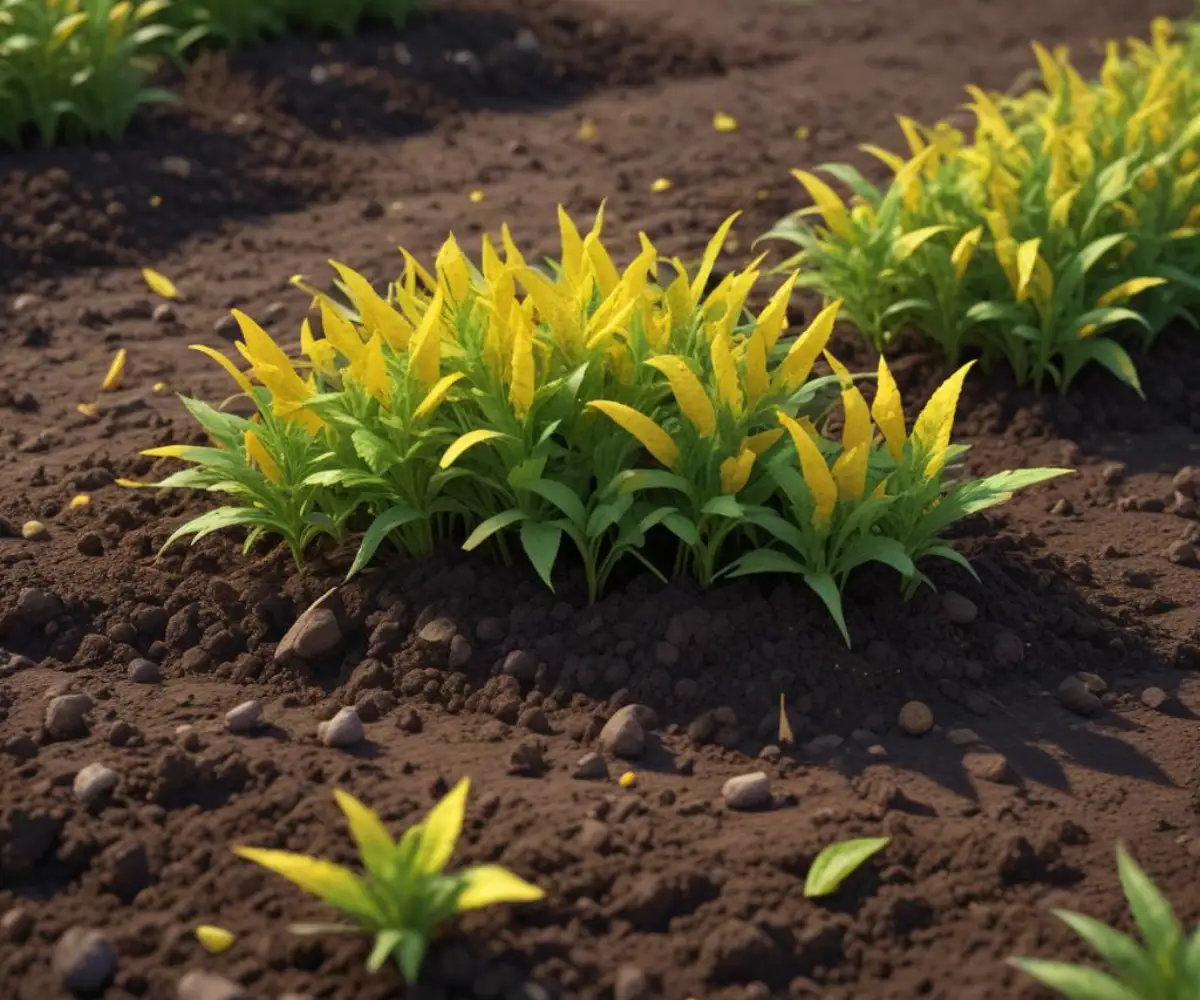
Weeds Controlled by Preen
Standard trifluralin-based Preen is effective against many common garden nuisances. It excels at stopping annual grasses and several broadleaf weeds before they start. Some of the primary targets include:
- Crabgrass
- Barnyardgrass
- Foxtails
- Chickweed
- Lambsquarters
- Pigweed
How to Use Preen Safely and Effectively
Preen is designed for use in established flower beds, around shrubs, trees, and in listed vegetable gardens. The key is that your desired plants must already be established, typically 2-3 inches tall. Do not use it on newly seeded lawns or flower beds, as it will prevent your desired seeds from growing just as effectively as the weeds.
Application involves sprinkling the granules evenly over the soil or mulch, then watering them in. This watering is essential as it activates the herbicide, moving it into the top layer of soil to create the protective barrier.
Decoding Treflan: The Agricultural Workhorse
Treflan is the trade name for a line of herbicide products also featuring trifluralin as the active ingredient. Historically, Treflan has been more associated with large-scale agriculture and professional landscaping due to its concentration and formulation types.
The Same Core, A Different Package
Since both Treflan and Preen are based on trifluralin, they control a very similar spectrum of weeds. The primary differences lie not in *what* they do, but *how* they are applied and for whom they are formulated. Treflan is often sold as a liquid concentrate or a more potent granular product intended for large areas.
This is a crucial distinction. While the chemical is the same, the concentration and application instructions are tailored for different scenarios. Misusing a concentrated agricultural product in a home garden can lead to over-application, potentially damaging desirable plants and harming the soil ecosystem.
Application and Soil Incorporation: The Key Treflan Difference
A significant difference with many Treflan formulations, especially those used in agriculture, is the requirement for soil incorporation. Because trifluralin can break down in sunlight (a process called photodegradation), it must be mixed into the top 1-2 inches of soil within 24 hours of application to be effective.
This is typically done with tillage equipment like a cultivator or tiller. For home gardeners, this means you would need to work the granules into the soil with a rake or hand tool. This extra step is a stark contrast to Preen’s simpler “sprinkle and water” method.
Treflan vs. Preen: A Head-to-Head Comparison
To simplify the choice, here is a direct comparison of the key features that matter most to a home gardener. This table assumes the standard trifluralin-based versions of each product.
| Feature | Preen Garden Weed Preventer | Treflan (Typical Formulations) |
|---|---|---|
| Primary Active Ingredient | Trifluralin | Trifluralin |
| Typical Formulation | Low-concentration granules | High-concentration granules or liquid concentrate |
| Target Audience | Home gardeners | Commercial agriculture, professional landscapers |
| Application Method | Sprinkle on soil surface and water in | Apply to soil and physically incorporate (mix in) |
| Ease of Use | Very high; easy for beginners | Moderate; requires extra steps and careful measurement |
| Availability | Wide; available at most garden centers | More limited; often found at agricultural supply stores |
The Verdict: Which Weed Preventer is Right for Your Yard?
The choice between Treflan and Preen hinges less on chemical efficacy and more on user-friendliness, scale, and safety. The fact that they often share the same active ingredient is the great equalizer.
For the Average Home Gardener
For 99% of home and garden applications, Preen is the clear winner. It is formulated at a safe concentration for residential use, packaged in a user-friendly applicator, and has simple, easy-to-follow instructions. Its “no incorporation needed” feature is a massive advantage for applying it around delicate, established plants and on top of mulch.
For Large Properties or Specialized Use
A homeowner with a very large vegetable garden or several acres of landscaped beds might be tempted by the potential cost-effectiveness of buying a more concentrated product like Treflan. However, this path requires more knowledge, careful calculation, and the right equipment to apply and incorporate it correctly. The risk of over-application and crop injury is significantly higher.
Beyond Chemicals: A Holistic Approach to Weed Control
While pre-emergents are a powerful tool, they are most effective as part of a larger strategy. Integrating other methods creates a more resilient and healthier garden ecosystem.
The Power of Mulch and Physical Barriers
A thick layer of mulch is a gardener’s best friend. It blocks sunlight, preventing many weed seeds from germinating in the first place. For persistent problem areas, creating a physical barrier can be a permanent solution. For example, installing rocks under a fence line can effectively stop weeds from creeping in from neighboring areas.
Considering Natural and Organic Alternatives
For those wishing to avoid synthetic chemicals, there are effective organic pre-emergents. The most common is corn gluten meal, which is the active ingredient in Preen’s natural formula. It works by inhibiting root formation in germinating seeds and has the added benefit of being a natural source of nitrogen for your soil.
Critical Safety and Application Wisdom
No matter which product you choose, success and safety depend on following the rules. Improper use of any garden chemical can have unintended consequences.
Just as you must be careful about how you handle common household chemicals to protect your yard, the same diligence applies to herbicides. Always read the product label thoroughly before application. Pay close attention to the list of compatible plants, application rates, and required personal protective equipment (PPE).
Remember that these products are designed to prevent new growth from seeds. They will have no effect on weeds that are already growing. This proactive approach is similar to how one might use certain pesticides; in our review of home insect barriers, we note that the goal is to create a shield *before* pests become an infestation.
The Final Word in the Weed War
In the Treflan vs. Preen debate, the verdict is surprisingly simple. You are often dealing with the same powerful weed-fighting ingredient, trifluralin. The difference lies in the delivery system.
Treflan is the bulk, professional-grade version, requiring more work and expertise. Preen is the refined, conveniently packaged version tailored specifically for the safety and simplicity a home gardener needs. For a beautiful, weed-free garden without the risk and hassle, Preen is the appropriate and effective choice for your home and garden blog readers.
