
Treating Wood with Diesel: The Toxic Truth & Safer Solutions
For generations, a certain piece of rustic wisdom has been passed down for protecting outdoor wood. It involves mixing used motor oil with diesel fuel and slathering it onto fence posts, barns, and sheds. The thinking is simple: it’s cheap, it uses up waste oil, and it seems to make the wood last longer. But what if this time-honored tradition is actually a ticking time bomb for your health and your property?
This “frugal” solution, while seemingly practical, hides a multitude of dangers that are often overlooked. Before you consider this method for your next outdoor project, it’s crucial to understand the severe risks involved. Let’s peel back the layers on this DIY treatment and uncover the hazardous truth.
You'll Learn About
Why This DIY “Hack” is Deceptively Dangerous
The allure of a free wood preservative is strong, but the consequences far outweigh the initial savings. The mixture of diesel fuel and used motor oil is not a preservative; it’s a hazardous concoction that poses significant risks to your wood, your health, and the environment. This is more than just a messy application; it’s a dangerous practice with long-lasting negative effects.
Many believe this method waterproofs wood, but the reality is far more complex and damaging. Understanding the science behind why this is such a poor choice is the first step toward adopting safer, more effective wood protection strategies. We will explore the illusion of its protective qualities and the very real dangers it introduces.
The Illusion of Protection: How It Really Affects Wood
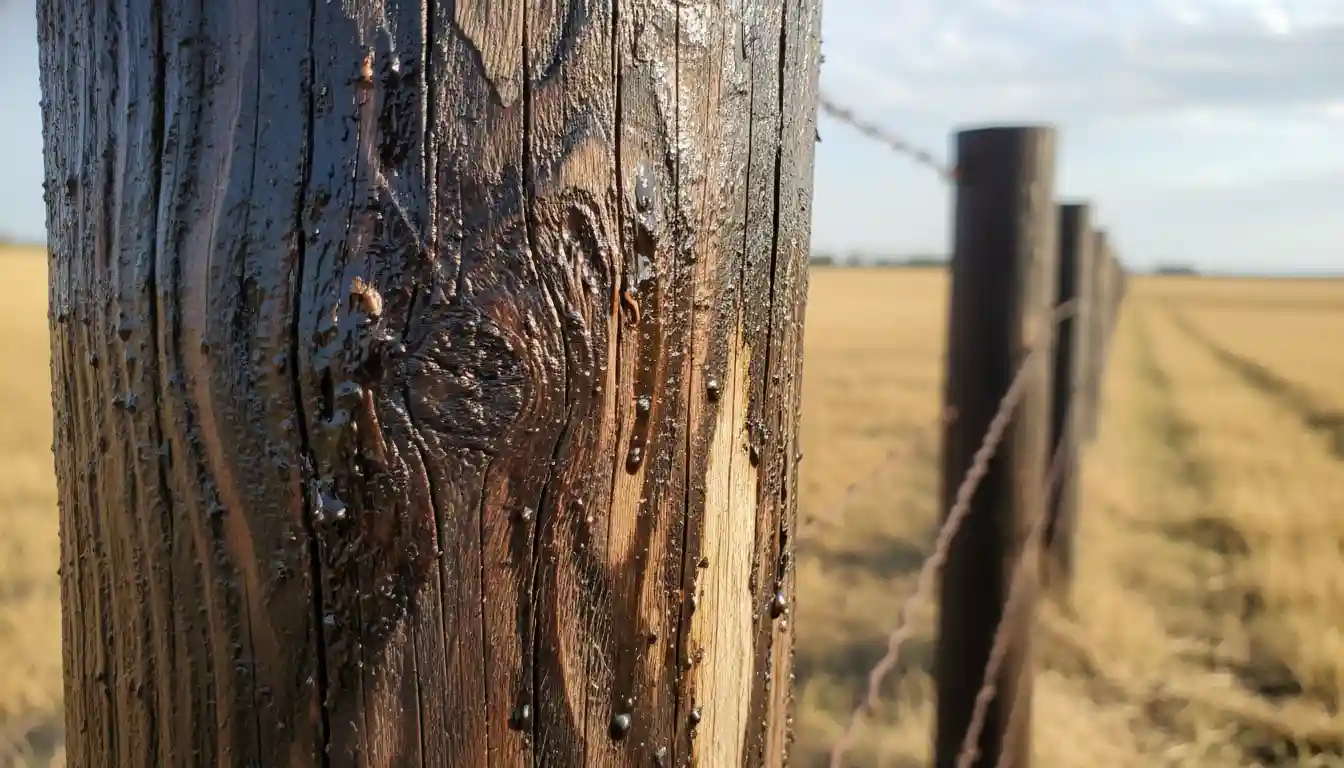
At first glance, coating wood with an oil and diesel mixture seems to make it water-repellent. The dark, slick surface appears fortified against rain and moisture. However, this is a superficial and temporary barrier. The petroleum products do not chemically bond with the wood fibers in the way that true preservatives do.
Instead, the mixture merely sits on the surface and soaks into the top layer, creating an oily shield. This shield doesn’t allow the wood to breathe, which can trap existing moisture inside. Over time, this trapped moisture can accelerate rot from the inside out, leaving you with a structure that looks preserved on the surface but is crumbling from within.
Furthermore, this oily coating presents a significant fire hazard. Wood treated with diesel and motor oil is far more flammable than untreated wood or wood treated with modern, commercial sealers. In dry, hot climates, a stray spark could turn your fence or shed into an inferno, a risk that simply isn’t worth the perceived savings.
Unseen Dangers: Health Risks You Can’t Ignore
The most alarming aspect of this method is the serious health risks it poses. Used motor oil is not just oil; it’s a toxic brew of heavy metals and carcinogenic compounds. During engine use, oil accumulates contaminants like lead, cadmium, and polycyclic aromatic hydrocarbons (PAHs), which are known to cause cancer.
When you apply this mixture, these hazardous substances don’t just stay on the wood. They release volatile organic compounds (VOCs) into the air, especially on warm days. Inhaling these fumes can lead to respiratory issues, skin irritation, and other long-term health problems. Direct skin contact during application is also a major route of exposure to these dangerous chemicals.
Protecting your family’s health should be the top priority. Introducing these toxic materials into your living space, where children and pets play, is an unnecessary gamble. The strong, persistent odor is more than just unpleasant; it’s a constant reminder of the chemicals off-gassing into your environment.
The Environmental Fallout: Poisoning Your Own Backyard
Beyond the immediate health risks, treating wood with diesel and motor oil causes significant environmental damage. Rain and sun will inevitably cause the oil to leach from the wood and seep into the surrounding soil. This contamination can be devastating for your garden and local ecosystem.
The toxic heavy metals and PAHs in the used oil kill beneficial soil microorganisms, harm plant roots, and can be absorbed by vegetables grown in nearby gardens. A single gallon of used motor oil can contaminate a million gallons of fresh water. This means the runoff from your treated fence could pollute groundwater, streams, and ponds, harming wildlife and aquatic life.
The United States Environmental Protection Agency (EPA) classifies used motor oil as a hazardous waste for a reason. Willfully spreading it on wood is a form of improper disposal that can have lasting consequences. Creating a toxic patch of land on your own property is a steep price to pay for “preserving” a few fence posts.
The Hidden Costs of a “Cheap” Solution
The argument for using motor oil and diesel is almost always centered on cost. However, this perspective fails to account for the substantial long-term costs associated with this method. From constant reapplication to potential legal trouble and difficult cleanup, the true price is far higher than a can of proper wood sealer.
Thinking about the full lifecycle of the project reveals the economic fallacy of this approach. What seems like a shortcut often turns into a much longer, more expensive, and more hazardous journey. Responsible homeownership involves considering these hidden factors before starting a project.
Long-Term Ineffectiveness and Reapplication Headaches
Unlike commercial sealers designed for longevity, the diesel and oil mixture is not a durable solution. The lighter diesel fuel evaporates over time, and the motor oil is slowly washed away by rain and broken down by UV rays. This means you will need to reapply the messy, smelly concoction frequently, often annually, to maintain the superficial barrier.
This constant reapplication is not only a chore but also adds to the cumulative toxic load in your environment. Furthermore, wood treated in this manner is nearly impossible to finish properly later on. Paint will not adhere to the oily surface, and other sealers cannot penetrate, leaving you with a permanently dark, greasy, and unpleasant finish.
Property Devaluation and Legal Liabilities
One of the most overlooked consequences of contaminating your soil with hazardous waste is the impact on your property value. Soil contamination must often be disclosed during a property sale, and the presence of leached motor oil can be a major red flag for potential buyers. The cost of soil remediation can be exorbitant, potentially running into thousands of dollars.
In many areas, there are also strict regulations against the improper disposal of used motor oil, and using it as a wood treatment can be considered illegal. Should a neighbor complain or an environmental agency become involved, you could face hefty fines. This “free” solution could quickly become a significant financial and legal burden.
The Cleanup Nightmare: What Happens When You Change Your Mind?
Disposing of wood treated with motor oil is not as simple as throwing it in a landfill. Because it is saturated with hazardous materials, it may need to be handled as hazardous waste, which involves specific and costly disposal procedures. You can’t simply burn it, as this would release toxic fumes into the atmosphere.
If you decide to remove the treated wood, you may also be left with contaminated soil that needs to be addressed. The process of cleaning up your property after using this method can be a complicated and expensive endeavor. It’s a lasting problem that far outlives the wood it was meant to protect.
The Modern, Safe, and Superior Alternatives
The good news is that there is no need to resort to such a dangerous and outdated method. The market is filled with a wide range of effective, safe, and environmentally responsible wood preservatives. These products are specifically engineered to protect wood from the elements without endangering your health or your property.
From penetrating oils that nourish the wood to durable film-forming sealers, modern solutions offer superior protection and peace of mind. Making an informed choice not only ensures the longevity of your outdoor structures but also reflects a commitment to responsible stewardship of your home and garden.
Understanding True Wood Preservatives
Modern wood treatments work in sophisticated ways that a simple oil coating cannot replicate. They are formulated to penetrate deep into the wood’s cellular structure. These preservatives contain biocides that protect against fungal rot and decay, as well as insecticides that ward off wood-boring insects.
Many high-quality sealers also contain UV inhibitors to prevent sun damage, which can cause wood to turn gray and crack. Unlike the diesel and oil method, these products are designed to be stable, minimizing leaching into the environment. They provide comprehensive protection that truly extends the life of the wood. Proper wood care is essential everywhere, as the wrong approach can cause serious issues, much like how using Pledge on wood floors can create an unexpected hazard indoors.
To better understand the differences, consider this comparison:
| Feature | Diesel & Motor Oil Mix | Commercial Wood Sealer (Oil-Based) | Commercial Wood Sealer (Water-Based) |
|---|---|---|---|
| Effectiveness | Low; superficial barrier, can trap moisture | High; deep penetration, protects from within | High; durable surface barrier, excellent UV protection |
| Health & Safety | Extremely Hazardous; contains carcinogens and heavy metals | Moderate; contains VOCs, requires ventilation | High; low VOCs, easy cleanup with water |
| Environmental Impact | Severe; leaches toxins into soil and water | Moderate; potential for some soil contamination | Low; minimal environmental impact |
| Fire Risk | Very High | Moderate | Low |
| Maintenance | High; requires frequent reapplication | Low; reapplied every 2-5 years | Low; reapplied every 2-5 years |
| Cost | Appears “free,” but has high hidden costs | Moderate upfront cost | Moderate upfront cost |
Top Recommendations for Outdoor Wood Protection
Choosing the right product depends on your project and preferences. For a natural look that highlights the wood grain, consider a penetrating oil-based sealer. Formulations using tung oil or linseed oil soak into the wood to protect it from within while allowing it to breathe. These are excellent choices for decks, railings, and outdoor furniture.
For maximum durability and protection, especially on high-traffic surfaces, water-based acrylic or latex sealers are a fantastic option. They form a protective film on the wood’s surface that is highly resistant to moisture and UV damage. The right protection is critical in all situations; just as you’d take extra care with a wood window in a shower, your outdoor wood deserves the best defense against the elements.
For any wood that will have direct contact with the ground, such as fence posts or the base of a shed, using pressure-treated lumber is the industry standard and the most reliable choice. This wood is commercially infused with preservatives under pressure, ensuring protection deep within the wood for decades.
Step-by-Step Guide to Properly Treating Your Outdoor Wood
Achieving a long-lasting, protective finish on your outdoor wood projects is straightforward when you use the right products and techniques. Proper preparation and application are key to ensuring the sealer performs as intended. Following these steps will yield professional-quality results that protect your investment for years to come.
Rushing the process or skipping steps will compromise the durability of the finish. Take the time to do it right once, and you’ll save yourself significant time and effort in the long run. Great results come from great preparation.
Step 1: Choosing the Right Wood and Preservative
The first step is selecting the appropriate materials for your project. Choose a wood species known for its natural durability in outdoor settings, such as cedar, redwood, or cypress, if your budget allows. If using more common woods like pine or fir, ensure they are properly dried and, for in-ground applications, pressure-treated.
Next, match the preservative to your project. A penetrating oil is great for a new cedar deck, while a robust, film-forming sealer might be better for an older pine fence that needs more surface protection. Always read the product label to ensure it is suitable for your specific application and wood type. Quality materials matter for all your projects, including indoor furniture like Kuliwood and leather Ashley furniture, which also benefits from proper care.
Step 2: Proper Preparation is Non-Negotiable
No sealer will perform well if applied to a dirty or damp surface. Begin by thoroughly cleaning the wood to remove all dirt, grime, mold, and any previous failing finishes. A pressure washer on a low setting or a specialized wood cleaner can be very effective.
After cleaning, the wood must be allowed to dry completely. This can take several days, depending on the weather. Once dry, a light sanding with 80-grit to 120-grit sandpaper will open up the wood’s pores, allowing the new sealer to penetrate and adhere much more effectively. Be sure to wipe away all sanding dust before proceeding.
Step 3: Application for Lasting Results
Always apply wood sealers in the shade or on an overcast day, as direct sunlight can cause them to dry too quickly, preventing proper absorption. Use a quality brush, roller, or sprayer to apply a thin, even coat of the sealer. Work along the grain of the wood, and don’t allow the product to puddle.
Pay close attention to the end grain of the boards, as this is where wood absorbs the most moisture. Apply a liberal coat to these areas. Most projects will benefit from two coats for maximum protection; be sure to follow the manufacturer’s instructions regarding drying times between coats.
A Safer, Smarter Legacy for Your Home and Garden
The practice of treating wood with diesel and used motor oil is a relic from a time when the long-term health and environmental consequences were not well understood. Today, we know better. This method is not a thrifty shortcut but a dangerous gamble that contaminates your property, poses serious health risks, and offers poor protection for your wood.
By choosing modern, purpose-made wood preservatives, you are not only ensuring a more beautiful and longer-lasting finish for your projects but also safeguarding the well-being of your family and the environment. Make the responsible choice to retire this toxic tradition. Your home, your health, and your backyard will thank you for it.
