Is Your Trane XE 1000 Failing? The Ultimate Replacement Guide
If you have a Trane XE 1000 air conditioner, you know it’s a testament to solid, old-school engineering. For decades, these units have been reliable workhorses, faithfully cooling homes through countless hot summers. But even the most durable machines have a lifespan, and if you’re reading this, you’re likely facing the inevitable question: what comes next?
Perhaps your unit is struggling to keep up, your energy bills are creeping higher, or you’re facing a costly repair. This guide addresses the common problems of an aging XE 1000 and provides a clear, actionable path to finding the perfect modern replacement. Making the right choice means investing in years of comfort, efficiency, and peace of mind.
You'll Learn About
Why Your Trane XE 1000 Needs a Successor
The Trane XE 1000, produced primarily between 1987 and 2002, was built to last. However, technology has advanced dramatically, and holding onto this aging unit presents several significant challenges that can impact both your comfort and your wallet.
The Inefficiency Problem: SEER Ratings and Energy Bills
Your Trane XE 1000 likely has a Seasonal Energy Efficiency Ratio (SEER) of around 10. In its time, this was the industry standard. Today, however, the minimum SEER rating for new air conditioners is significantly higher, with many models boasting ratings of 16, 18, or even 20+.
A lower SEER rating means the unit consumes much more electricity to produce the same amount of cooling. Upgrading from a 10 SEER unit to a modern, high-efficiency model can lead to substantial savings on your monthly utility bills. Continuing to run an inefficient system is like driving a classic car every day—it’s charming, but the fuel costs add up quickly.
The R-22 Refrigerant Dilemma
One of the most critical issues with the Trane XE 1000 is its reliance on R-22 refrigerant, also known as Freon. Due to its harmful effect on the ozone layer, the production and import of R-22 were phased out in the United States as of 2020. This has profound implications for homeowners.
If your old unit develops a refrigerant leak, a simple “recharge” is no longer simple or affordable. The remaining supply of R-22 is extremely limited and expensive. The cost of repairing a leak and refilling the system can easily run into thousands of dollars, making it an unwise investment for a unit that is already near the end of its operational life.
Age and the Rising Cost of Repairs
Even the most reliable systems experience wear and tear. A Trane air conditioner is expected to last 15 to 20 years. As your XE 1000 surpasses this age, the likelihood of component failure—from capacitors and fan motors to the compressor itself—increases dramatically.
While a single minor repair might seem manageable, these costs can accumulate. Pouring money into an aging, inefficient system that uses obsolete refrigerant is often not a sound financial decision. At a certain point, investing those funds in a new, reliable, and efficient system provides a much better return through energy savings and warranty protection.
Decoding Modern Trane Replacements: What to Look For
The HVAC landscape has transformed since your XE 1000 was installed. Modern systems offer superior comfort, quieter operation, and unprecedented efficiency. Understanding a few key technologies will empower you to choose the best replacement for your home.
Understanding SEER2 Ratings
The Department of Energy has updated its testing standards to SEER2, which provides a more accurate measure of real-world energy efficiency. Like the original SEER, a higher SEER2 rating means greater efficiency and lower energy consumption. Investing in a unit with a high SEER2 rating is one of the most effective ways to lower your long-term cooling costs.
Compressor Technology: The Heart of Your AC
Your Trane XE 1000 uses a single-stage compressor, meaning it only operates at one speed: 100% capacity. It turns on, runs at full blast, and then shuts off. Modern air conditioners offer more advanced, efficient options.
Single-Stage: This is the basic, budget-friendly option. It’s effective but can lead to minor temperature swings and less effective humidity removal.
Two-Stage: These compressors can run at a lower speed (typically around 60-70% capacity) for most of the day, only ramping up to full capacity during peak heat. This results in longer, more gentle cooling cycles, which provides better temperature consistency and superior humidity control.
Variable-Speed: The pinnacle of HVAC technology. A variable-speed compressor makes tiny, precise adjustments to its output, running at whatever capacity is needed to maintain the set temperature perfectly. This offers the ultimate in energy efficiency, quiet operation, and comfort.
The Importance of a Matched System
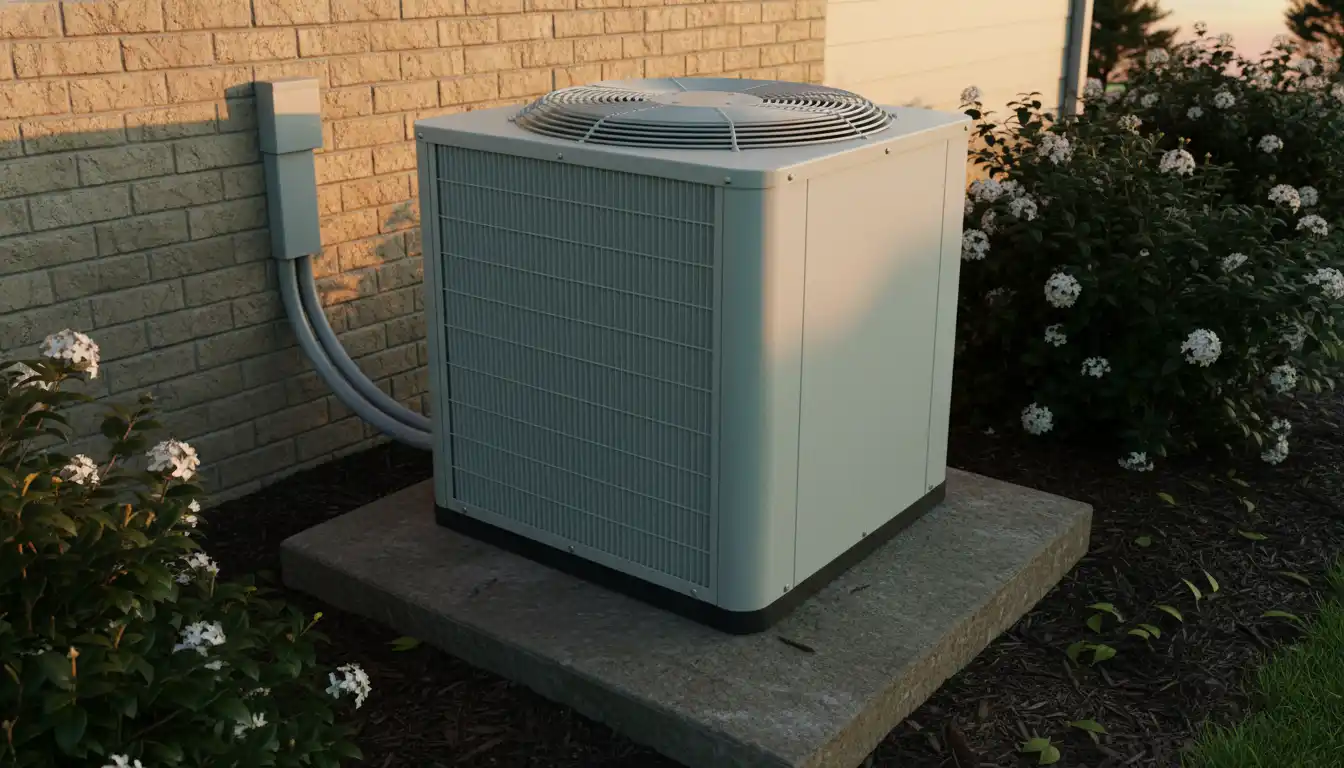
An air conditioning system has two main parts: the outdoor condenser unit (what you see outside) and the indoor air handler or evaporator coil (located in your attic, closet, or basement). For a new system to perform at its rated efficiency and reliability, both components must be replaced together. Installing a new, high-efficiency outdoor unit with an old indoor coil will create a mismatched system that compromises performance, reduces efficiency, and can lead to premature failure.
Top Trane Models to Replace Your XE 1000 in this Year
Trane continues to be a leader in reliability and innovation. Below is a comparison of current models that serve as excellent successors to the legendary XE 1000, catering to different needs and budgets.
| Model Series | SEER2 Rating | Compressor Type | Best For |
|---|---|---|---|
| Trane XR16 | Up to 16.2 | Single-Stage | Homeowners seeking a balance of reliability, efficiency, and value. A significant upgrade from the XE 1000. |
| Trane XL17i | Up to 17.2 | Two-Stage | Enhanced comfort and humidity control with greater energy efficiency. Ideal for variable climates. |
| Trane XV18 | Up to 18.0 | Variable Speed | Maximum energy savings, precise temperature control, and whisper-quiet operation. The top-tier comfort choice. |
| Trane XV20i | Up to 21.5 | Variable Speed | The ultimate in efficiency and performance for homeowners who want the best technology and lowest energy bills. |
Choosing between these models depends on your budget, climate, and comfort priorities. The XR16 offers a dependable and efficient solution, while the two-stage XL17i provides a noticeable boost in comfort. For those prioritizing long-term energy savings and superior performance, the variable-speed XV18 or XV20i are outstanding investments.
The Replacement Process: A Step-by-Step Homeowner’s Guide
A successful HVAC replacement hinges on professional installation. The quality of the installation is just as important as the quality of the equipment itself. Here’s what to expect from a proper replacement process.
Step 1: Find and Vet Qualified HVAC Contractors
Start by researching local, reputable HVAC companies. Look for contractors who are licensed, insured, and have positive customer reviews. It is highly recommended to get at least three different quotes to compare equipment recommendations, pricing, and installation practices.
Step 2: Insist on a Manual J Load Calculation
This is the most critical step and one that some contractors unfortunately skip. A professional contractor should never size a new system based on the size of your old one. They must perform a “Manual J load calculation” to determine the precise heating and cooling needs of your home.
This calculation considers dozens of factors, including square footage, window type and orientation, insulation levels, air leakage, and even the number of occupants. An improperly sized system—whether too large or too small—will operate inefficiently, struggle with humidity control, and fail prematurely. Insisting on a Manual J calculation ensures your new system is perfectly tailored to your home.
Step 3: Review the Quotes in Detail
A detailed quote should clearly outline the exact model numbers for both the indoor and outdoor units, labor costs, any necessary ductwork modifications, and warranty information. Be wary of quotes that are vague or significantly lower than others, as they may involve shortcuts or inferior equipment. This is also the time to discuss the tools they use; a professional team will use proper equipment, and knowing the difference between a 1/4 vs 1/2 impact driver shows they value precision.
Step 4: Installation Day
On the day of installation, the crew will first carefully remove and dispose of your old Trane XE 1000 and its indoor unit, including the environmentally hazardous R-22 refrigerant. They will then install the new equipment, which includes setting the outdoor condenser, connecting refrigerant and electrical lines, and installing the new indoor coil. When running new line sets, there might be minor finishing work required, and a good contractor knows how to handle various materials. For instance, knowing can you nail pvc quarter round is a small detail that reflects a comprehensive skill set.
Step 5: System Commissioning and Walkthrough
After the physical installation, the technicians will “commission” the system. This involves checking refrigerant levels, testing airflow, and ensuring all safety controls are functioning correctly. Finally, they should provide you with a thorough walkthrough of your new system, including how to operate the new thermostat and the maintenance requirements.
Budgeting for Your New HVAC System: Costs and Savings
Replacing a central air conditioning system is a significant home investment. On average, homeowners can expect to pay between $7,000 and $15,000 for a complete Trane system replacement, including installation.
Several factors influence the final cost:
- System Size (Tonnage): Larger homes require larger, more expensive units.
- Efficiency (SEER2 Rating): Higher efficiency models have a higher upfront cost but deliver greater long-term savings.
- Installation Complexity: Factors like difficult access to the indoor unit or the need for extensive ductwork modifications can affect labor costs.
- Geographic Location: Labor rates and local regulations can vary by region.
While the initial cost is substantial, it’s crucial to view it as an investment. A high-efficiency system can reduce your cooling costs by 20-40%, providing a return on your investment through lower utility bills over the life of the system.
Frequently Asked Questions
How long will my new Trane system last?
With proper installation and annual professional maintenance, you can expect a new Trane air conditioner to last 15 to 20 years. Regular maintenance, such as cleaning coils and checking refrigerant levels, is key to maximizing its lifespan and efficiency.
What kind of warranty comes with a new Trane unit?
Trane offers robust warranties. Most residential systems come with a 10-year limited warranty on the compressor, outdoor coil, and internal functional parts, provided the unit is registered within 60 days of installation. Always confirm the warranty details with your installer.
Can I just replace the outdoor unit and keep my old indoor coil?
This is strongly discouraged. As mentioned, a matched system is essential for achieving the advertised efficiency and performance. Mixing old and new components can lead to poor performance, increased energy use, and can even void the manufacturer’s warranty.
Is a bigger AC unit better for my home?
Absolutely not. An oversized air conditioner is a common and serious problem. It will cool the house too quickly and shut off, a process known as “short cycling.” This leads to poor humidity removal, wide temperature swings, and excessive wear and tear on the compressor. The Manual J load calculation is the only way to ensure your unit is sized correctly.
A Worthy Successor for a Legendary Workhorse
Your Trane XE 1000 has served you well, but its time is coming to an end. Replacing it is not just about getting a new machine; it’s about upgrading your home’s comfort, improving its air quality, and making a smart financial decision that will pay dividends in energy savings for years to come.
By understanding modern HVAC technology and insisting on a quality installation process, you can confidently choose a replacement that will provide reliable, efficient cooling for the next two decades. Don’t wait for a catastrophic failure on the hottest day of the year. Start the process of finding a qualified contractor today and invest in a comfortable, energy-efficient future for your home. Proper landscaping, such as keeping plants like a hardy persimmon tree in Houston clear of the unit, will also ensure optimal airflow and longevity.