
Unlocking Your Garden’s Potential: Tower Garden Mineral Blend Alternatives
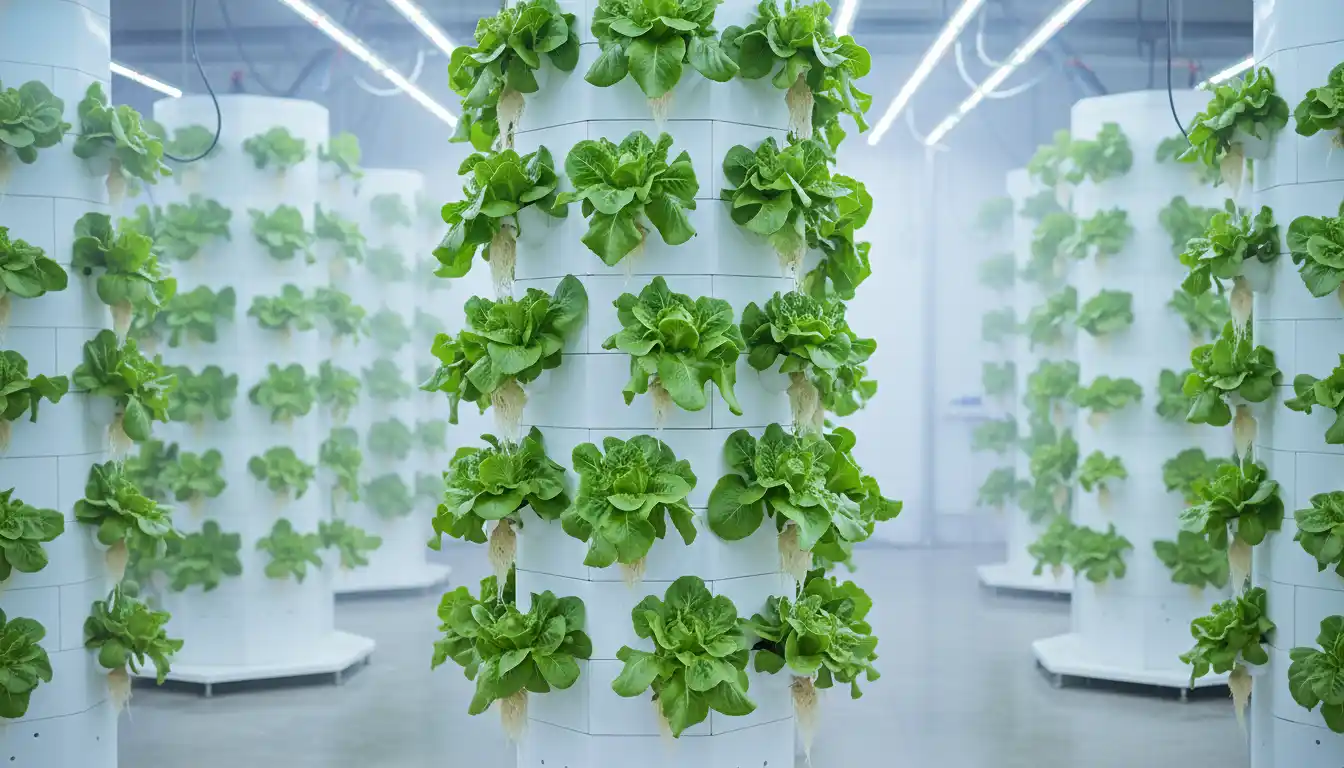
Tower Garden systems have revolutionized home gardening, making it possible to grow fresh produce year-round in a compact, vertical space. At the heart of this success is its specially formulated Mineral Blend. But what happens when you run out, find it too costly, or simply want more control over your plant’s nutrition? This is a common challenge for many vertical gardeners.
The core of the issue lies in the need for a perfectly balanced, water-soluble nutrient solution designed for aeroponic systems. Without the right blend of macro and micronutrients, plants can suffer from deficiencies, leading to poor growth, yellowing leaves, and a disappointing harvest. The good news is that several excellent and cost-effective alternatives can deliver, and sometimes even surpass, the results of the proprietary blend.
You'll Learn About
Understanding Hydroponic Nutrients: The Foundation of Vertical Growth
Before exploring alternatives, it’s crucial to understand what makes a hydroponic nutrient solution effective. Unlike soil gardening, where plants extract nutrients from the earth, hydroponics requires delivering all essential elements directly to the roots through water. These elements are divided into two main categories.
Macronutrients are needed in larger quantities and include Nitrogen (N), Phosphorus (P), and Potassium (K). Micronutrients, while needed in smaller amounts, are just as vital and include calcium, magnesium, sulfur, iron, and manganese. A deficiency in any of these can hinder plant development.
Why a Two-Part Formula is Standard
Most high-quality hydroponic nutrients, including the Tower Garden blend, come in a two-part (A and B) formula. This isn’t a marketing gimmick; it’s a matter of chemistry. When concentrated, certain elements like calcium nitrate (in Part A) and sulfates (in Part B) can react and precipitate, forming a solid that plants cannot absorb. Keeping them separate until diluted in the reservoir prevents this “nutrient lockout” and ensures everything remains available to your plants.
This is a critical concept to grasp when considering alternatives. Any viable option must account for this chemical interaction, whether through a proven multi-part commercial formula or a carefully crafted DIY recipe. Precision in your setup is key; it’s as important as using an Ikea hinge drilling template for a perfect cabinet door installation.
Top Commercial Alternatives to Tower Garden Mineral Blend
For those who want a reliable, off-the-shelf solution, several reputable hydroponic nutrient brands offer products that work exceptionally well in tower systems. These are often more concentrated and can be significantly more affordable in the long run.
General Hydroponics Flora Series
The General Hydroponics Flora Series is one of the most popular and trusted nutrient lines on the market. It’s a three-part system (FloraGro, FloraMicro, and FloraBloom) that offers unparalleled control over your nutrient solution. By adjusting the ratios, you can create custom blends tailored to the specific needs of your plants, whether you’re growing leafy greens or fruiting vegetables like tomatoes and cucumbers.
For general use in a Tower Garden, a common recommendation is to follow their “mild vegetative” or “aggressive vegetative” feeding schedules. Always mix FloraMicro into the water first, followed by FloraGro and then FloraBloom, rinsing your measuring cup between each part to prevent precipitation.
Masterblend Tomato Formula (4-18-38)
Masterblend is a powerhouse in the hydroponic community, renowned for its effectiveness and incredible value. This is a dry, water-soluble fertilizer kit that comes in three parts: the main 4-18-38 formula, Calcium Nitrate, and Epsom Salt (Magnesium Sulfate). It is a highly cost-effective option, with a single kit lasting for an extensive period.
The mixing process is crucial for success. You must dissolve each component completely before adding the next. A common method is to dissolve the Masterblend and Epsom Salt together in your reservoir, and then separately dissolve the Calcium Nitrate in a smaller container of water before adding it to the main tank. Never mix the dry components together.
Dyna-Gro Foliage-Pro 9-3-6
For those seeking simplicity, Dyna-Gro Foliage-Pro offers a one-part solution that contains all 16 essential minerals. While a single-part formula can be a compromise, Foliage-Pro is highly regarded for its stability and effectiveness, especially for leafy greens and herbs. It is a convenient option for beginners or for those who prefer not to mix multiple components.
Because it’s a complete formula, you just need to dilute it in your reservoir according to the package directions. It’s an excellent choice for maintaining a tower dedicated to lettuces, kale, basil, and other non-fruiting plants.
Comparison of Popular Nutrient Alternatives
To help you choose, here is a breakdown of the leading alternatives. This table compares the standard Tower Garden Mineral Blend with popular commercial options, providing a clear overview of their characteristics and suitability for different needs.
| Nutrient | Type | Number of Parts | Ease of Use | Best For |
|---|---|---|---|---|
| Tower Garden Mineral Blend | Liquid | 2 (A & B) | Very Easy | Beginners, simplicity |
| General Hydroponics Flora Series | Liquid | 3 (Gro, Micro, Bloom) | Intermediate | Customization, all plant types |
| Masterblend Tomato Formula | Dry Powder | 3 (Formula, Calcium Nitrate, Epsom Salt) | Intermediate | Cost-effectiveness, fruiting plants |
| Dyna-Gro Foliage-Pro | Liquid | 1 | Very Easy | Leafy greens, herbs, simplicity |
Creating Your Own DIY Mineral Blend
For the gardener who loves to experiment and wants ultimate control, making your own nutrient solution from raw salts is the most economical path. It requires precision and a good digital scale, but the savings are substantial. The core components are the same as those in Masterblend: a base NPK fertilizer, calcium nitrate, and magnesium sulfate (Epsom salt).
A basic and widely used recipe for a 5-gallon reservoir is as follows:
- 10 grams Masterblend 4-18-38
- 10 grams Calcium Nitrate
- 5 grams Epsom Salt
Remember the golden rule: dissolve each ingredient fully before adding the next, with Calcium Nitrate always being added separately at the end. This recipe is a great starting point, and you can adjust the ratios slightly based on the plants you are growing. Leafy greens prefer higher nitrogen, while fruiting plants require more phosphorus and potassium during their blooming phase.
Advanced Topic: Tailoring Nutrients for Specific Crops
One major advantage of moving away from a one-size-fits-all solution is the ability to customize nutrients for what you’re growing. The ideal nutrient balance for leafy greens is different from that for fruiting plants like tomatoes or peppers. This customization can dramatically improve your yields and plant health.
For leafy greens, a higher nitrogen level promotes vigorous leaf growth. A nutrient solution with an Electrical Conductivity (EC) of 1.2 to 2.0 is often ideal. For fruiting plants, you’ll want to reduce nitrogen and increase phosphorus and potassium once flowering begins to encourage fruit development. These plants typically prefer a higher EC, ranging from 2.0 to 3.5.
The Critical Role of Water Quality, pH, and EC
No matter which nutrient solution you choose, its effectiveness is directly tied to your water quality. Starting with good water is non-negotiable. Water that is too hard (high in minerals) or has been run through a salt-based softener can cause nutrient imbalances and pH fluctuations.
You must monitor both the pH and the EC of your reservoir. The pH level affects a plant’s ability to absorb nutrients, with an ideal range for most hydroponic crops being between 5.5 and 6.5. The EC measures the total concentration of nutrients in your solution. Using reliable pH and EC meters is essential for troubleshooting and ensuring your plants are getting exactly what they need.
Maintaining the system’s mechanics is also vital. A well-functioning pump is crucial for nutrient delivery. If you notice your pump isn’t working correctly, it could be a simple clog or a more complex issue, similar to diagnosing why a sump pump never runs in a basement.
How to Safely Switch Nutrient Brands
Switching your nutrient solution mid-grow can be done safely without shocking your plants. It is not recommended to simply mix old and new nutrient solutions together. The best practice is to perform a complete reservoir change.
Start by draining all of the old nutrient solution from your reservoir. It’s a good idea to run the pump with fresh, pH-balanced water for about 30-60 minutes to flush the system and the roots. Afterwards, drain this flush water and mix your new nutrient solution, starting with a slightly lower concentration (about 75% of the recommended strength) for the first few days before gradually increasing to full strength. This allows your plants to acclimate smoothly.
Making a significant change to your garden setup, like trying new nutrients, requires careful planning. This is not unlike a home renovation; for instance, understanding the cost to widen an exterior doorway involves more than just the door itself. Similarly, changing nutrients involves more than just the fertilizer; it affects the entire system’s balance.
