
Tomatoes Disappearing at Night? Unmask the Culprits & Save Your Harvest
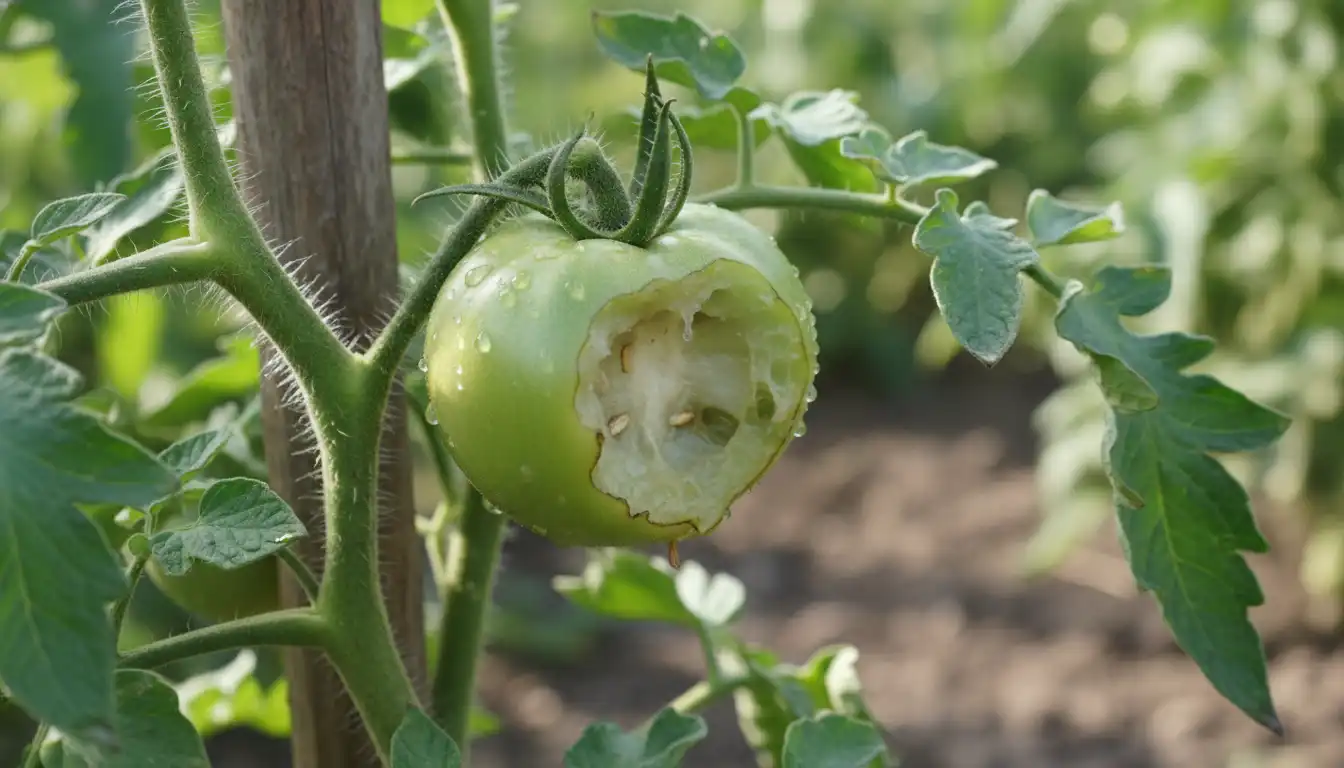
There is nothing more disheartening for a gardener than waking up to find prized tomatoes mysteriously vanished or half-eaten. You nurture them from seed, watch them ripen, and then, under the cover of darkness, a thief strikes. This frustrating experience is a common problem, turning the joy of gardening into a perplexing “whodunit” mystery.
Understanding who the culprits are and how they operate is the first critical step toward reclaiming your harvest. This guide will help you identify the nighttime marauders plundering your patch and provide a comprehensive action plan to protect your delicious, home-grown tomatoes.
You'll Learn About
Identifying the Nighttime Tomato Thieves: A Rogues’ Gallery
To solve the mystery, you must first become a detective. Different animals and pests leave behind unique calling cards. By examining the evidence left at the scene of the crime, you can narrow down the list of suspects and implement the most effective deterrents.
Mammalian Marauders
Larger creatures are often the prime suspects when entire tomatoes disappear or significant damage occurs in a single night. Their size allows them to cause widespread destruction quickly.
Deer are notorious for their voracious appetites. They often feed at dawn and dusk and can decimate a plant in one visit. Evidence of deer includes torn, ragged leaves and stems, as they lack upper incisors and must pull and tear at plants. You may also find hoof prints in the soil.
Raccoons are intelligent and agile climbers, easily scaling fences and tomato cages. They are messy eaters, often leaving behind half-eaten fruits, scattered debris, and distinctive paw prints. Their presence might be part of a larger pattern, as they are known to be clever enough to find ways around obstacles, like a persistent raccoon at a hummingbird feeder.
Rats and Mice are surprisingly common garden pests, especially in urban and suburban areas. These rodents are active at night and leave behind gnaw marks and hollowed-out fruit. You will often find their dark, pellet-like droppings at the base of the plants.
Opossums and Skunks are other nocturnal foragers. Opossums might eat the whole fruit, while skunks can cause significant damage to younger, smaller plants. They often leave behind tracks and a general sense of disarray in the garden bed.
Insect Instigators
While often overlooked for larger crimes, insects can cause damage that mimics that of larger animals, especially when they attack in numbers. Their work is typically slower but can be just as destructive over time.
Tomato Hornworms are large, green caterpillars that can defoliate a tomato plant with shocking speed. They are masters of camouflage, blending in perfectly with the leaves. The primary evidence of their presence is stripped stems and large, dark droppings (called frass) on the leaves below.
Slugs and Snails are notorious nighttime feeders that thrive in damp conditions. They chew irregular holes in both leaves and fruit, often targeting low-hanging tomatoes. The tell-tale sign of their visit is the silvery slime trail they leave in their wake.
Avian Raiders
Though most active during the day, some birds may visit your garden in the early morning hours. Birds like crows and jays are attracted to the bright red color of ripe tomatoes. They leave behind distinctive peck marks and small, deep holes in the fruit.
Quick Culprit Identification Guide
Consult this table to quickly cross-reference the evidence in your garden with the likely perpetrator. This will help you focus your efforts on the right solution.
| Culprit | Type of Damage | Key Evidence |
|---|---|---|
| Deer | Torn leaves, eaten stems, missing fruit | Ragged edges on plants, hoof prints |
| Raccoons | Half-eaten fruit, messy area | Paw prints, scattered debris |
| Rats/Mice | Gnaw marks, hollowed-out tomatoes | Small droppings, teeth marks |
| Tomato Hornworms | Entire leaves missing, chewed fruit | Bare stems, large green/black droppings |
| Slugs/Snails | Irregular holes in leaves and fruit | Slime trails |
| Birds | Peck marks, small deep holes | V-shaped marks, often on ripe fruit |
Your Step-by-Step Action Plan to Protect Your Tomato Patch
Once you have a primary suspect, it’s time to take action. A multi-pronged approach that combines physical barriers, deterrents, and smart garden practices offers the best defense against nighttime raids.
Fortifying Your Garden: Physical Barriers
Creating a physical barrier is the most direct and often most effective way to protect your plants. The key is to choose a barrier appropriate for the specific pest you are dealing with.
Fencing is the gold standard for keeping out larger animals. For deer, a fence needs to be at least 8 feet tall. For smaller animals like rabbits and groundhogs, a chicken wire fence buried at least 6 inches deep can prevent them from digging underneath.
Netting and Cages are excellent for protecting plants from birds, squirrels, and raccoons. Drape bird netting over your plants, securing it at the base so animals can’t crawl under. Individual tomato cages can be wrapped in hardware cloth to create a more robust defense against climbing pests.
Individual Fruit Protection can be a targeted and effective solution. Small mesh bags, like organza jewelry bags, can be tied around individual tomatoes or clusters. This simple barrier is often enough to deter pests from taking a bite, allowing the fruit to ripen peacefully.
Deterrents That Work: Scents, Sounds, and Lights
Deterrents work by making your garden an unpleasant place for pests to visit. For best results, it’s wise to rotate these methods to prevent animals from becoming accustomed to them.
Scent-Based Repellents are highly effective as many animals rely heavily on their sense of smell. Commercial repellents often use predator urine (like coyote urine) to trigger a fear response. Homemade options, such as a spray made with garlic, chili powder, and a drop of dish soap, can make your tomatoes taste and smell unappealing.
Motion-Activated Devices can startle pests and scare them away. Motion-activated sprinklers deliver a surprising jet of water, while motion-activated lights can frighten nocturnal animals that prefer to operate in darkness. These tools create an unpredictable environment that makes pests wary.
Companion Planting is a natural and beautiful way to deter pests. Planting strong-smelling herbs and flowers like basil, marigolds, and garlic around your tomatoes can help mask their scent and repel certain insects and animals.
Garden Hygiene and Best Practices
A clean and well-maintained garden is less attractive to pests. Simple housekeeping can make a significant difference in preventing infestations.
Remove Ripe Fruit Promptly. Don’t leave ripe tomatoes on the vine overnight. Harvest them as soon as they are ready to reduce the temptation for hungry critters.
Clean Up Debris. Remove fallen fruit, weeds, and leaf litter from around your plants. This eliminates potential food sources and hiding places for slugs, snails, and rodents.
Manage Water Sources. In dry weather, animals are often attracted to the high water content in tomatoes. Providing an alternative water source, like a birdbath or a shallow dish of water away from the garden, can sometimes divert their attention.
Tackling the Tiny Terrors: Insect Control
For smaller pests, a more targeted approach is necessary. Organic and manual methods are often sufficient to keep their populations in check.
Hand-Picking is one of the most effective ways to control large caterpillars like hornworms. Inspect your plants daily, especially the undersides of leaves. A fascinating trick is to use a blacklight at night, which will cause the hornworms to glow, making them easy to spot and remove.
Diatomaceous Earth is a natural, powdery substance that can be sprinkled around the base of plants. It is sharp on a microscopic level and creates a deadly barrier for soft-bodied pests like slugs and snails.
Advanced Strategies for the Determined Gardener
For those facing a particularly persistent pest, more advanced and creative solutions may be required. These strategies require a bit more effort but can provide definitive answers and long-term relief.
Using Technology: Night Vision Cameras
If you are still unsure what is raiding your garden, consider setting up a motion-activated trail or security camera. This will provide undeniable proof of the culprit, allowing you to tailor your defense strategy with precision. Knowing exactly what you’re up against removes the guesswork and saves you time and effort on ineffective solutions.
Creating a “Sacrificial” Patch
One unconventional but sometimes effective strategy is to plant a small “sacrificial” patch of an attractive crop away from your main garden. The idea is that pests will be drawn to the easier, unprotected target, leaving your prized tomatoes alone. This method acknowledges that wildlife is part of the ecosystem and seeks to divert it rather than simply block it. When considering various products or methods, it’s always smart to question their efficacy, much like you might ask, “does SafeMend work?” before investing in a new tool for home repairs.
Precision in Maintenance and Repair
Maintaining your garden defenses is just as crucial as setting them up. A small hole in a fence or a clogged sprinkler can be all the invitation a pest needs. This attention to detail is similar to home appliance repair, where finding the exact component, like a specific Samsung dishwasher rubber skirt, is key to a successful fix. A small breach in your garden’s defenses can render the entire system ineffective.
Reclaiming Your Harvest and Peace of Mind
Losing your hard-earned tomatoes to nighttime pests is incredibly frustrating, but it is a solvable problem. By carefully observing the evidence, identifying the culprit, and implementing a strategic combination of barriers, deterrents, and good garden hygiene, you can protect your plants.
Be persistent and willing to adapt your strategies. The satisfaction of harvesting a sun-ripened tomato that you successfully defended from would-be thieves is a sweet reward for your diligence and effort. Your garden can once again be a place of peace and productivity.
