
Toilet in Shower: The Ultimate Wet Room Guide or a Huge Mistake?
You’re staring at your cramped bathroom, wondering how to fit everything in without feeling claustrophobic. Suddenly, a radical idea emerges: what if you put the toilet inside the shower? This concept, the heart of a “wet room,” promises a spacious, minimalist aesthetic and remarkable functionality, especially for small or accessibility-focused spaces.
But is it a brilliant design solution or a hygiene and maintenance nightmare waiting to happen? This guide dives deep into the world of toilet-in-shower layouts, exploring the critical pros, cons, and non-negotiable installation requirements to help you decide if this bold design is the right move for your home.
You'll Learn About
What Exactly Is a Toilet-in-Shower Layout?
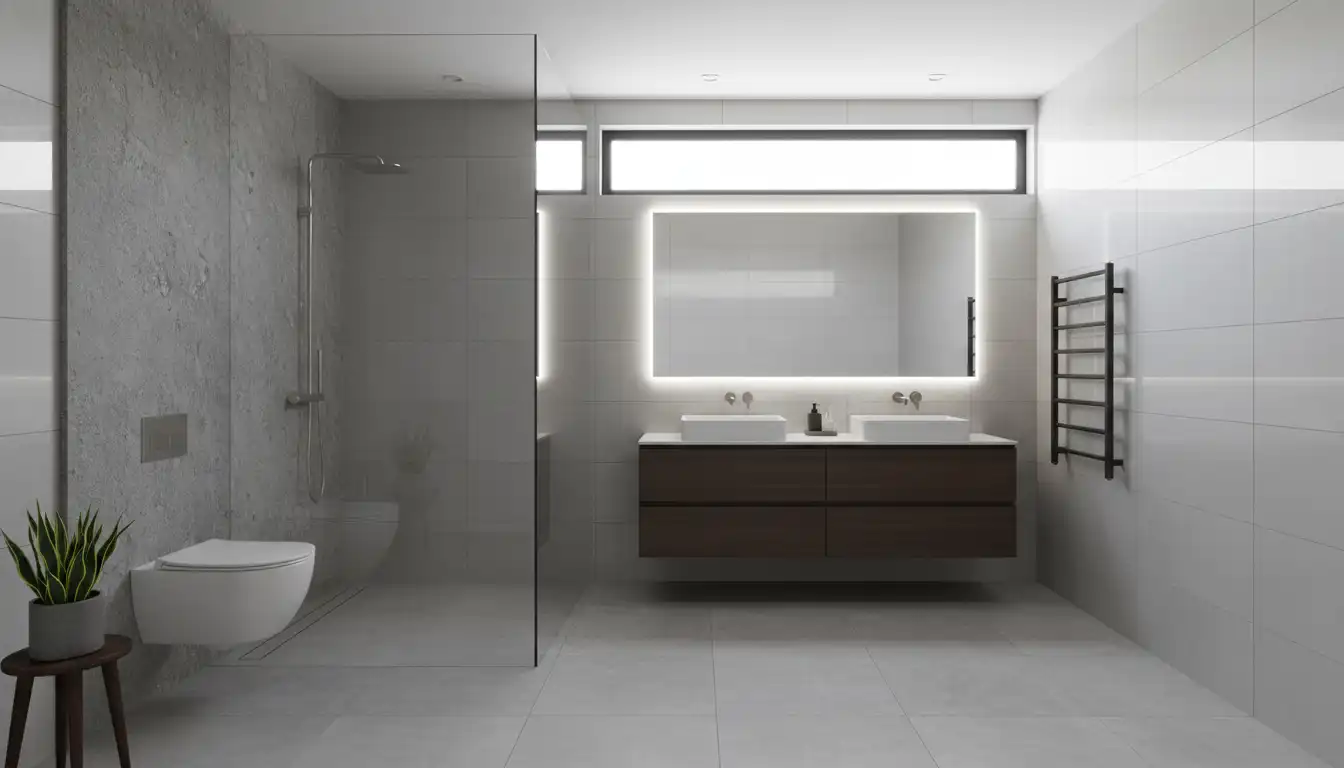
A toilet-in-shower design is the defining feature of a wet room, a bathroom where the shower is not enclosed by a separate tray or curtain. Instead, the entire room is waterproofed, with the floor gently sloped toward a central or linear drain. This creates an open, seamless space where water from the shower can flow freely without damaging the surrounding area.
This design merges the toilet and shower into a single functional zone. The result is an ultra-modern, spacious-feeling bathroom that is easy to access and clean. It’s a design that challenges traditional bathroom layouts and prioritizes space and accessibility.
Key Characteristics of a Wet Room
True wet rooms are defined by a few core principles. The most crucial is comprehensive waterproofing, often called “tanking,” where a waterproof membrane is applied to the floor and up the walls before tiling. This creates a sealed, watertight box, preventing leaks and moisture damage.
Another key feature is a single-level, curbless floor. This not only enhances the open-plan feel but also provides barrier-free access, making it an ideal solution for individuals with mobility challenges. Effective drainage and ventilation are the final pillars, ensuring water is removed efficiently and humidity doesn’t lead to mold or mildew.
The Pros: Why Homeowners Are Embracing This Bold Design
The allure of a toilet inside the shower goes far beyond just being a novelty. This layout offers tangible benefits that solve common household problems, from cramped quarters to the need for future-proof accessibility.
Maximizing Small Spaces
For those with small bathrooms, a wet room is a game-changer. By eliminating the shower enclosure, the visual barriers are removed, making the room feel significantly larger and more open. This design allows you to fit a shower and toilet in a compact footprint where a traditional layout might not be feasible.
Unmatched Accessibility for All Ages
Perhaps the most significant advantage is accessibility. The curbless, open-plan design is perfect for children, the elderly, and wheelchair users. There are no steps or ledges to navigate, drastically reducing the risk of trips and falls and providing a safer, more independent bathing experience for everyone.
A Sleek, Minimalist Aesthetic
Wet rooms are the epitome of modern, minimalist design. The continuous flow of tiles across the floor and walls creates a clean, spa-like atmosphere that is both luxurious and visually calming. This uncluttered look can transform a purely functional room into a stylish sanctuary and potentially increase your home’s value.
The Cons: Critical Drawbacks You Absolutely Must Consider
Despite the advantages, a toilet-in-shower layout is not without its challenges. Understanding these potential pitfalls is essential before committing to this major renovation project. Many of the biggest complaints stem from one simple fact: everything can get wet.
The “Everything Is Wet” Problem
The most common complaint about wet rooms is the pervasive dampness. Shower spray can easily reach the toilet, towels, and even the toilet paper roll if the layout isn’t carefully planned. Sitting on a wet toilet seat is an unpleasant experience that can become a daily annoyance.
Smart design choices, like partial glass screens, strategic placement of fixtures, and covered toilet paper holders, can mitigate this issue. However, you must accept that some level of ambient dampness is inherent to the design.
Humidity, Mold, and Ventilation Nightmares
With so much open moisture, a wet room can become a breeding ground for mold and mildew if not properly managed. Superior ventilation is not optional—it is absolutely critical. A high-powered extractor fan is necessary to remove humid air quickly and efficiently.
Failure to invest in an adequate ventilation system can lead to persistent dampness, peeling paint, and unhealthy mold growth. Underfloor heating can also help by speeding up the evaporation of water from the floor tiles.
Hygiene and Contamination Questions
Some people have valid concerns about the hygiene of having a toilet in such close proximity to the shower spray. While regular cleaning can keep the space sanitary, it’s a consideration that shouldn’t be overlooked. The ease of cleaning—simply spraying down the entire area—is a major counterpoint to this concern.
Essential Planning & Design Considerations for Your Wet Room
A successful wet room project lives or dies in the planning phase. Unlike a standard bathroom remodel, there is zero room for error, especially concerning water management. Getting it right requires a deep understanding of waterproofing, drainage, and material science.
Waterproofing: The Non-Negotiable Foundation
This is the most critical step of the entire process. The room must be fully “tanked” with a liquid-applied or sheet membrane system that covers the entire floor and extends up the walls. Australian standards, for instance, mandate waterproofing the entire shower floor and walls up to at least 1800mm.
Every joint, corner, and penetration (like pipes and drains) must be meticulously sealed. Skimping on waterproofing is a recipe for disastrous leaks, structural damage, and costly repairs down the line. This is a job best left to experienced professionals.
Drainage: The Unsung Hero of the Wet Room
Proper drainage requires creating a subtle, perfectly calibrated slope in the floor, typically between 1.5% and 2%. This ensures that water flows efficiently toward the drain instead of pooling in corners. An improperly sloped floor is a major failure that can render the entire room unusable.
Linear drains, which are long, narrow channels, are a popular and stylish choice for wet rooms. They can be placed against a wall, creating a seamless look and requiring the floor to be sloped in only one direction, simplifying the tiling process.
Ventilation: Your First Line of Defense Against Mold
Mechanical ventilation is a must. A high-capacity extractor fan, measured in CFM (cubic feet per minute), is essential to manage the high humidity levels. For bathrooms over 100 square feet, ventilation requirements are often based on the number of fixtures, with a fan needed for each major zone like the shower and toilet.
To ensure effectiveness, the fan should be ducted to the exterior of the house, not just into an attic space. Consider installing a timer or humidity sensor so the fan runs for at least 20 minutes after each shower to clear all residual moisture from the air.
Material Selection: Choosing Surfaces That Last
Every surface in a wet room must be able to withstand constant exposure to water. Non-slip floor tiles are a crucial safety feature. Look for tiles with a high slip-resistance rating (often called a “coefficient of friction”).
Porcelain and ceramic tiles are excellent choices for both floors and walls. For grout, consider using an epoxy-based product, which is more resistant to water, stains, and cracking than traditional cement-based grout.
Toilet and Shower Fixture Choices for a Wet Room
The fixtures you choose will have a significant impact on both the functionality and aesthetics of your space. In a wet room, certain styles are far more practical than others.
The Best Toilets for a Wet Room
Wall-mounted toilets are the superior choice for a toilet-in-shower design. Because the tank is concealed within the wall and the bowl is elevated off the floor, cleaning is incredibly simple. You can easily mop and squeegee the entire floor without any obstructions.
This design also saves valuable floor space, enhancing the open and airy feel of the room. When selecting a toilet, you might also consider models with advanced flushing systems, which can be particularly reliable if you’ve ever had a situation where your toilet seems clogged but isn’t, as these often have superior internal mechanics.
Shower Systems: Rainfall vs. Handheld
While a large, luxurious rainfall showerhead is visually appealing, a handheld shower wand is an invaluable tool in a wet room. It makes rinsing down the walls, toilet, and floor an effortless task, simplifying your cleaning routine. The ideal setup includes both a fixed overhead shower and a separate handheld unit for maximum flexibility.
Common Mistakes to Avoid at All Costs
Executing a flawless wet room is a technical challenge. Avoiding common pitfalls can save you from costly headaches and ensure your new bathroom is a joy to use, not a source of constant frustration.
| Aspect | DIY Approach | Professional Installation |
|---|---|---|
| Waterproofing | High risk of improper sealing, leaks, and catastrophic structural damage. Kits are available, but lack of experience is a major liability. | Uses proven systems, understands critical details like corner sealing, and typically offers a warranty for peace of mind. |
| Floor Slope | Extremely difficult to achieve the correct gradient. Errors lead to pooling water, drainage failure, and potential water damage. | Experts use specialized tools and techniques to ensure a perfect, uniform slope for efficient water removal. |
| Cost | Lower upfront material cost, but extremely high financial risk if mistakes lead to major repairs (e.g., subfloor replacement, mold remediation). | Higher initial labor cost but provides expertise, efficiency, and insurance against installation errors, saving money long-term. |
| Time | Significantly longer project time due to a steep learning curve and the need to correct mistakes. | Faster and more efficient due to experience and access to professional tools and materials. |
Inadequate Slope and Pooling Water
This is one of the most frequent and disastrous mistakes. Even a slight miscalculation in the floor’s gradient can lead to standing water, which creates a slip hazard and can lead to water damage over time. Always double-check the slope before a single tile is laid.
Skimping on Waterproofing
As emphasized before, waterproofing is everything. Cutting corners by not extending the membrane high enough up the walls or by improperly sealing around pipes will inevitably lead to failure. A complete, seamless “tanking” system is the only acceptable approach.
Forgetting About Storage
Where will you keep your dry towels and toiletries? In a room where everything can get wet, storage must be carefully considered. Built-in waterproof niches in the shower wall are a fantastic solution for shampoo and soap. For other items, consider waterproof cabinets or shelving placed strategically outside the main spray zone.
Cleaning and Maintaining Your Toilet-in-Shower Space
One of the proclaimed benefits of a wet room is that it’s easy to clean, and this is largely true. You can simply spray down most surfaces. However, regular maintenance is key to keeping it hygienic and preventing mold.
After every shower, use a squeegee to wipe down the walls and floor. This removes excess water, which drastically reduces drying time and helps prevent soap scum and hard water spots. Always run your extractor fan for 20-30 minutes post-shower to vent humid air.
For weekly cleaning, use a pH-neutral bathroom cleaner to scrub the tiles, grout, toilet, and drain. The simplicity of the layout means fewer nooks and crannies where dirt and grime can hide, making the job quicker than in a traditional bathroom.
Is a Toilet Inside the Shower Right for You? A Final Verdict
A toilet-in-shower layout is a brilliant, space-saving, and accessible design solution, but it is not for everyone. It demands meticulous planning, professional installation, and a tolerance for a perpetually damp environment. If you value aesthetics, accessibility, and an open-plan feel, and are prepared to invest in high-quality waterproofing and ventilation, a wet room can be a stunning and valuable addition to your home.
The layout can be customized with partial screens or specific door types to manage water spray. For example, some designs use fixed glass panels, while others might adapt a door where the shower door swing in and out could offer flexibility. Ultimately, if your goal is a minimalist, spa-like retreat that maximizes every square inch of a small bathroom, this bold design might just be the perfect solution you’ve been looking for.
