
Tip Branches Dying? Unlock the Secret to Fuller, Healthier Plants
There is nothing more frustrating than seeing the vibrant new growth on your trees and shrubs suddenly turn brown and wither. You have watered, fed, and cared for your plant, yet the very tips of its branches seem to be giving up.
This common problem, often a sign of hidden stress, can leave even experienced gardeners feeling helpless. But what if those dying tips are actually sending a clear message about your plant’s needs?
Understanding the vital role of tip branches is the key to transforming your garden. It is time to learn their language and take control of your plants’ health and beauty.
You'll Learn About
What Exactly Are Tip Branches and Why Do They Matter?
The “tip” of a branch is more than just its endpoint; it is the command center for growth. This area, known as the apical meristem, contains the terminal bud, which dictates how tall and in which direction the branch will grow.
Think of tip branches as the canaries in the coal mine for your garden. Because they are the site of fresh, tender growth, they are often the first place to show signs of trouble, from thirst and hunger to pest invasions.
Healthy, thriving tips mean a healthy, thriving plant. When they falter, it is a critical signal that you need to investigate the underlying cause before the problem spreads.
The Alarming Problem: Why Your Tip Branches Are Dying Back
When you spot withered, brown, or blackening branch tips, it is a clear sign of distress. This “dieback” is not the disease itself but a symptom of a deeper issue. Ignoring it can lead to stunted growth, poor flowering, and even the eventual death of the plant.
Several culprits could be at play, and identifying the right one is the first step toward a solution. The most common causes fall into three main categories: environmental stress, pests and diseases, or a lack of proper nutrients.
Environmental Stressors: The Usual Suspects
The most frequent cause of tip branch dieback is an environmental imbalance. Plants, especially new ones, are sensitive to their surroundings, and their newest growth is the most vulnerable.
Improper watering is a primary offender. Both overwatering (which suffocates roots and prevents them from sending water to the tips) and underwatering (which causes dehydration) will make the tender tips dry out and die first.
Sudden weather changes, such as a late spring frost, can easily kill the soft new growth on branch tips. Similarly, intense summer sun can scorch the delicate leaves at the ends of branches. This is a frequent concern with evergreens, which can also suffer from issues like blue spruce transplant shock, where tip browning is a major symptom.
Pests and Diseases: The Invisible Attackers
Tiny pests often target the most tender parts of a plant—the new leaves and stems at the branch tips. Aphids, spider mites, and scale insects feed by sucking the sap directly from this new growth, causing it to curl, yellow, and die.
Fungal and bacterial diseases can also enter the plant through small wounds and cause significant damage. Blights and cankers often manifest as a sudden blackening or browning of branch tips, which can quickly spread down the stem if not addressed.
Nutrient Deficiencies: Is Your Plant Starving?
New growth requires a significant amount of energy and specific nutrients to develop properly. If your soil is lacking essential minerals like nitrogen, magnesium, or iron, the plant will struggle to support its expansion.
A nutrient deficiency often reveals itself first in the new leaves at the tips. They may appear pale, yellow, or stunted because the plant doesn’t have the necessary building blocks to create healthy new cells.
The Ultimate Solution: Reviving and Managing Tip Branches
Once you have identified the cause of the dieback, you can take targeted action. The solution often involves a combination of corrective pruning, treatment, and adjustments to your care routine to prevent the problem from returning.
Taking control of your plant’s health starts at its most active point: the branch tip. With the right techniques, you can not only fix existing issues but also encourage the exact kind of growth you want.
The Art of Pruning: Tip Pruning for Fuller Growth
One of the most powerful techniques in a gardener’s arsenal is tip pruning, also known as “pinching” or “tipping.” This involves removing the terminal bud at the very end of a branch. This simple action has a dramatic effect on the plant’s growth pattern.
Removing the terminal bud breaks its “apical dominance,” which is the hormonal signal that tells the plant to grow upward. This sends a signal to the dormant buds further down the stem to wake up and grow, resulting in multiple new branches instead of just one.
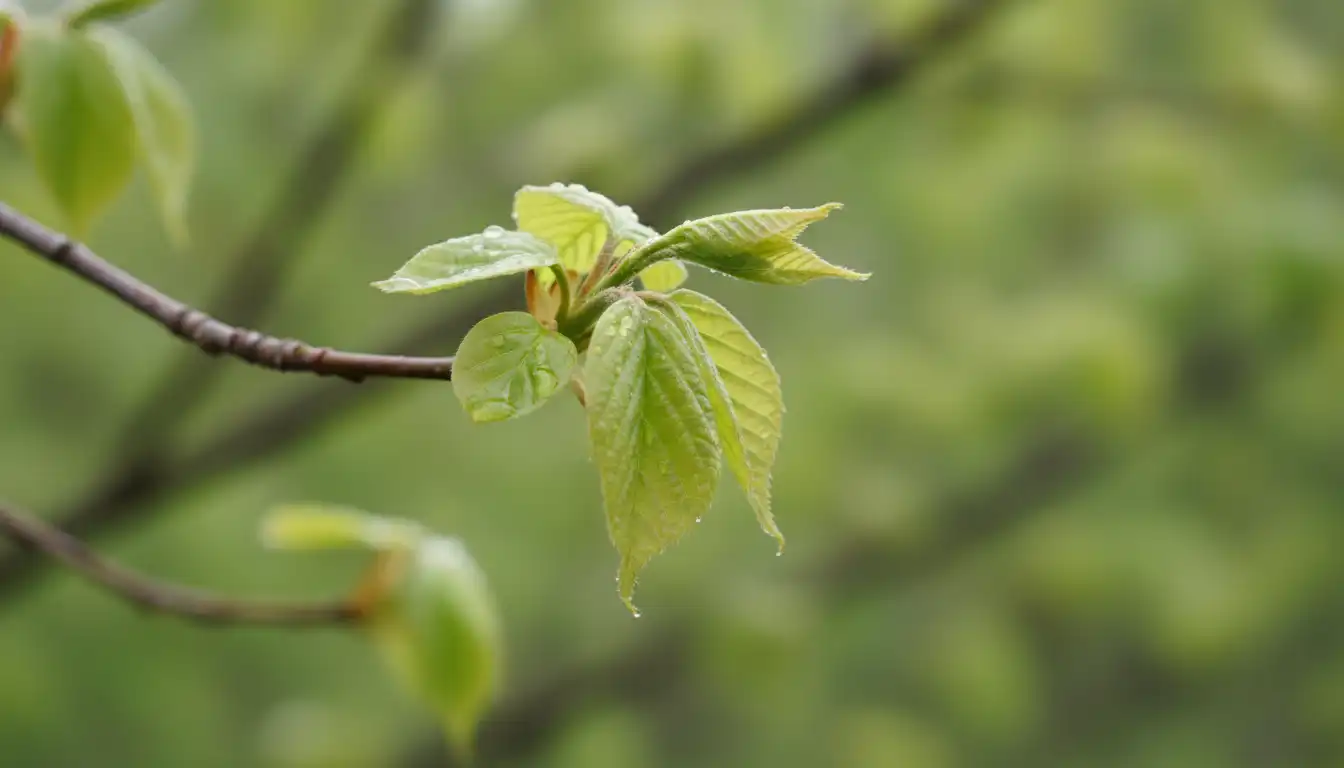
This technique is perfect for creating a denser, bushier, and more compact plant. It is widely used on everything from household herbs like basil to ornamental shrubs to encourage a fuller shape and more abundant blooms.
Diagnosing and Treating Problems Like a Pro
To effectively solve tip branch issues, you need to match the symptom to the cause. A systematic approach ensures you apply the right treatment instead of guessing. Use this table as a quick diagnostic guide for common problems you might see at the tips of your branches.
| Symptom at Branch Tip | Most Likely Cause | Effective Solution |
|---|---|---|
| Tips are brown, dry, and brittle. | Underwatering or Sun Scorch | Check soil moisture 2 inches deep. Water thoroughly when dry and consider moving potted plants to a location with afternoon shade. |
| New leaves are yellow or pale with soggy soil. | Overwatering / Root Rot | Reduce watering frequency. Ensure the pot has proper drainage holes and consider repotting into fresh, well-draining soil mix if rot is advanced. |
| Tips are curled, sticky, or covered in tiny insects. | Sucking Pests (e.g., Aphids) | Spray the affected tips with a strong jet of water to dislodge pests. For persistent issues, apply insecticidal soap or neem oil according to label directions. |
| Sudden blackening or wilting of tips, especially after wet weather. | Fungal or Bacterial Blight | Prune off all affected tip branches, cutting back to healthy, green wood. Sterilize your pruners between cuts with rubbing alcohol to prevent spreading. |
| Stunted growth and pale or discolored new leaves. | Nutrient Deficiency | Apply a balanced, all-purpose fertilizer appropriate for your plant type. Follow the package instructions carefully to avoid fertilizer burn. |
Proactive Care: The Secret to Healthy Tips
The best way to deal with dying tip branches is to prevent the problem from ever starting. A consistent and observant care routine is the foundation of a healthy garden. This means providing the right conditions for your plants to thrive from the roots to the tips.
Adopt a deep and infrequent watering schedule to encourage strong root development. Most importantly, always inspect your plants closely when you water them. Look under leaves and at the branch tips for any early signs of pests or disease. Early detection is crucial.
Knowing exactly what plants you are dealing with is also fundamental to good care. Misidentification can lead to improper treatment, a problem gardeners face when they encounter a beautyberry look alike or other plant imposters. Proper identification ensures you provide the right light, water, and nutrients.
Beyond the Basics: Advanced Tip Branch Strategies
Mastering the management of tip branches goes beyond simple problem-solving; it allows you to actively shape and influence your plants’ behavior. This proactive approach can lead to more flowers, more fruit, and more beautiful plant forms.
By strategically pinching back non-flowering tips, you can redirect the plant’s energy into producing more blooms. For fruit trees, careful tip pruning can help create a stronger framework of branches capable of supporting a heavy harvest.
It is also vital to consider the season. The vibrant growth at branch tips in spring requires protection from late frosts, while the dormant terminal buds in winter hold the promise of next year’s growth. Understanding this cycle, such as observing how weigela looks in winter, helps you make better care decisions year-round.
Your Action Plan for Perfect Plant Growth
Your plant’s branch tips are a direct line of communication. Brown, withered ends are a cry for help, while vibrant, strong growth is a sign of health and happiness. By learning to read these signals, you move from being a reactive gardener to a proactive one.
Observe your plants regularly, paying close attention to the tips. Diagnose problems using a systematic approach to pinpoint the true cause. Finally, act decisively with the right pruning techniques and treatments.
Embracing the science of the branch tip will empower you to cultivate the lush, full, and beautiful garden you have always wanted. Your plants will not just survive; they will truly thrive.
