
Tiling Above Kitchen Cabinets: Your Guide to a Flawless Finish
That awkward, empty space between your upper kitchen cabinets and the ceiling is a common design problem. It often becomes a dusty, forgotten zone that can make your kitchen feel dated and incomplete. Many homeowners struggle with how to address this area, leaving it bare out of uncertainty.
This gap not only collects grease and dust but can also visually shrink your kitchen, creating a horizontal line that stops the eye and makes ceilings feel lower. The solution is simpler and more impactful than you might imagine: tiling above the kitchen cabinets to the ceiling. This design choice transforms the space from an afterthought into a deliberate, high-end feature.
You'll Learn About
Why That Awkward Gap is a Design Nightmare
The empty space above cabinets is more than just unused real estate; it actively detracts from your kitchen’s overall appeal. Understanding why this area poses a problem is the first step toward recognizing the power of a floor-to-ceiling tile solution. It’s about turning a functional drawback into a stunning design opportunity.
The Unavoidable Dust and Grease Trap
Kitchens are high-traffic areas that generate grease and airborne particles from cooking. The tops of your cabinets become a sticky surface where dust settles and accumulates over time. Cleaning this hard-to-reach spot is a difficult chore that is often neglected, leading to an unsightly and unhygienic buildup.
By tiling this entire wall, you eliminate the horizontal surface where grime collects. A smooth, vertical tile surface is far easier to wipe down, making kitchen maintenance simpler and more effective. This creates a cleaner, healthier environment with minimal extra effort.
A Visual Full Stop That Shrinks Your Space
When cabinets stop short of the ceiling, they create a strong horizontal line that draws the eye and visually caps the room’s height. This can make your kitchen feel smaller and more cramped than it actually is. The empty space above feels disconnected from the rest of the kitchen design.
Tiling to the ceiling breaks up this horizontal barrier. It draws the eye upward, creating an illusion of height and openness. This simple design trick can make even smaller kitchens feel more spacious, airy, and grand, transforming the entire feel of the room.
The “Builder-Grade” Look vs. a Custom Finish
Leaving the space above cabinets unfinished is a hallmark of standard, builder-grade construction. It suggests a lack of attention to detail and can make an otherwise beautiful kitchen look incomplete. This unfinished gap can subtly lower the perceived value of your kitchen.
Extending the tile to the ceiling gives the kitchen a polished, custom-designed appearance. It creates a seamless, cohesive look that feels intentional and luxurious. This upgrade elevates the entire space, signaling quality craftsmanship and thoughtful design.
The Ultimate Solution: Tiling All the Way to the Ceiling
Choosing to extend your backsplash tile up to the ceiling is a transformative design decision. It’s a statement that merges practicality with high-end style, solving the functional problems of the cabinet gap while dramatically enhancing the kitchen’s aesthetic. This approach offers a powerful combination of visual appeal and lasting benefits.
Creating a Vertical Illusion for a Taller, Brighter Kitchen
The primary visual benefit of ceiling-height tile is the creation of vertical movement. The continuous lines of the tile draw the eye upward, making the ceilings appear higher and the room feel more expansive. This effect is especially powerful in kitchens with standard-height ceilings.
Glossy or light-colored tiles can further enhance this effect by reflecting light throughout the room. This makes the kitchen feel brighter and more open. The result is a space that feels more elegant and welcoming, turning a functional room into a stunning focal point.
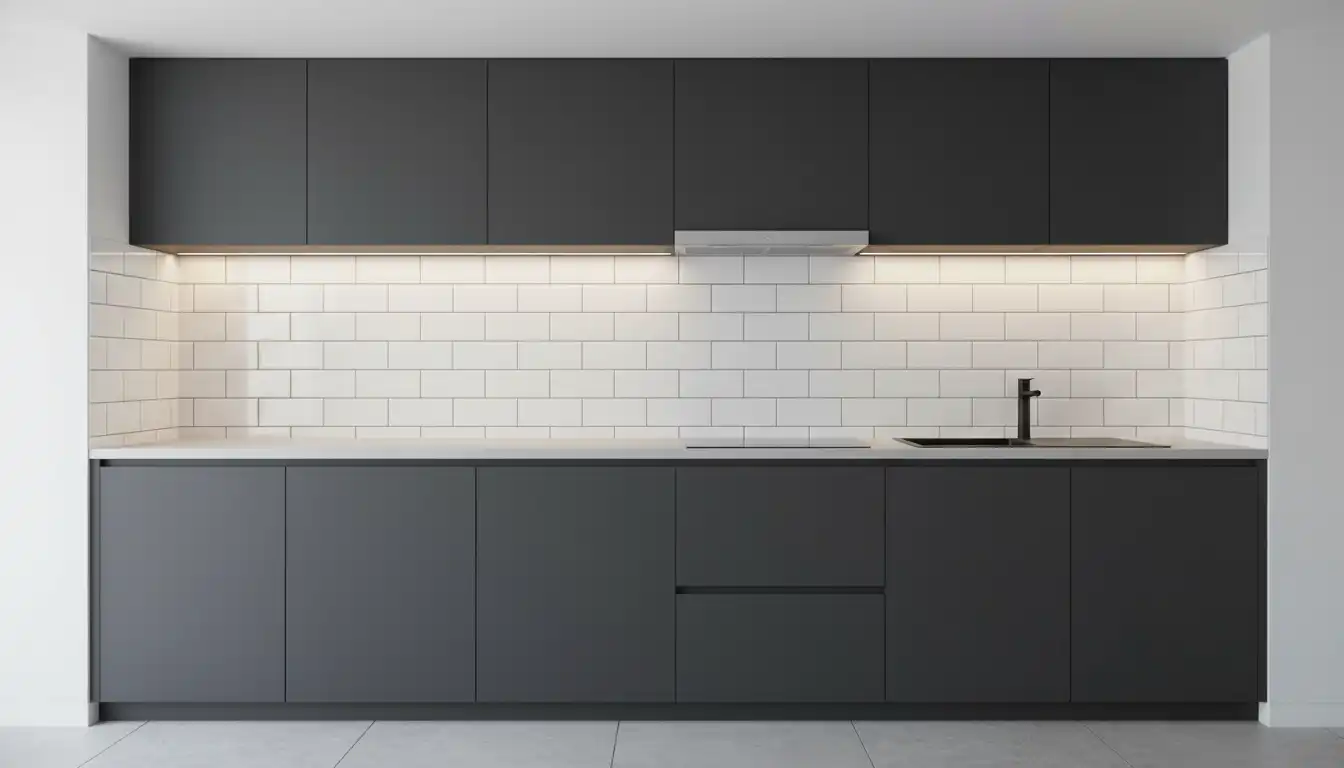
Achieving a Seamless, Custom-Built Aesthetic
Tiling the entire wall behind your cabinets creates a cohesive and unified look. It eliminates the awkward transition between backsplash, painted wall, and ceiling. This seamless finish makes the kitchen feel more integrated and thoughtfully designed, similar to what you would find in a custom-built home.
This approach works with nearly any design style, from modern farmhouse to sleek contemporary. Whether you choose a classic subway tile or a bold, patterned design, the floor-to-ceiling application makes a confident style statement. It turns a simple wall into a feature element of your kitchen’s architecture.
More Than a Backsplash: A Full Feature Wall
Extending the tile turns a purely functional backsplash into a full-blown feature wall. It adds texture, color, and pattern to a larger area, making a much bigger design impact than a small strip of tile. This is your opportunity to inject personality into your kitchen.
Consider a dynamic pattern like herringbone or a vertical stack to further emphasize height. Alternatively, a beautifully veined marble-look porcelain slab can create a sense of uninterrupted luxury. This decision transforms the wall from a background element into a central piece of your kitchen’s decor.
Planning Your Above-Cabinet Tiling Project
A successful tiling project requires careful planning. Before you begin, you’ll need to consider the type of tile, grout color, layout, and overall budget. Making these decisions ahead of time will ensure a smooth process and a beautiful, lasting result that you’ll love for years to come.
Choosing the Right Tile: Material, Size, and Finish
The tile you choose will define the look of your kitchen. Ceramic and porcelain tiles are popular choices due to their durability, ease of cleaning, and wide range of styles. For a touch of luxury, consider natural stone like marble, but be mindful of its maintenance requirements.
The size and shape of the tile also matter. Large-format tiles create a more seamless look with fewer grout lines, while smaller mosaics or subway tiles can add texture and intricate patterns. The finish—whether matte, glossy, or textured—will affect how light interacts with the surface and the overall feel of the space.
| Tile Material | Average Cost (Per Sq. Ft.) | Durability | Maintenance Level | Best For |
|---|---|---|---|---|
| Ceramic | $2 – $15 | High | Low | Budget-friendly, versatile designs, and DIY projects. |
| Porcelain | $4 – $25 | Very High | Low | High-traffic areas, mimicking natural stone, and durability. |
| Glass | $10 – $40 | Medium | Low | Creating a bright, reflective surface and modern look. |
| Natural Stone (Marble, Travertine) | $15 – $75+ | Medium-High | High (Requires Sealing) | Achieving a luxurious, high-end, and unique aesthetic. |
Grout: The Unsung Hero of Your Design
Grout selection is a critical but often overlooked detail. The color of your grout can either make the tile pattern pop or blend in for a more subtle, monolithic look. A contrasting grout color (like dark grout with white tile) will highlight the shape of each tile, while a matching color will create a more seamless appearance.
Consider using an epoxy or stain-resistant grout in the kitchen. These advanced formulas are more resistant to moisture, stains, and discoloration than traditional cement-based grouts. While the initial cost may be higher, the long-term durability and ease of cleaning are well worth the investment.
Layout and Pattern: From Classic to Contemporary
The way you lay your tile can have a significant impact on the final look. A standard brick or running bond pattern is timeless, but other layouts can add a custom touch. A vertical stack bond, for instance, will further enhance the feeling of height, making it an excellent choice for this application.
A herringbone or chevron pattern adds a sense of dynamic movement and sophistication. These patterns require more intricate cuts and planning but deliver a high-impact, designer result. Always do a dry layout on the floor first to visualize the pattern and plan your cuts.
Step-by-Step Guide: How to Tile Above Kitchen Cabinets
Tiling above your cabinets is a manageable DIY project if you approach it with care and precision. The process involves thorough preparation, a methodical layout, and careful execution. Following these steps will help you achieve a professional-quality finish that transforms your kitchen.
Step 1: Preparation is Everything
Start by clearing the area and thoroughly cleaning the wall above the cabinets to remove any dust or grease. The surface must be clean, dry, and flat for the tile adhesive to bond properly. Patch any holes or imperfections in the drywall and sand them smooth.
Turn off the power to any outlets on the wall at the circuit breaker. It’s also a good idea to ensure all your home’s wiring is up to code, especially if you live in an old house no ground wire, as safety is paramount. Cover your countertops and cabinets with plastic sheeting to protect them from mortar and grout.
Step 2: The Art of the Layout
Measure the wall area and find the center point. Use a level to draw a vertical and horizontal reference line to guide your installation. This ensures your tile pattern starts straight and remains consistent across the entire wall.
Plan your layout to avoid thin, awkward-looking tile slivers at the edges or against the ceiling. It’s often better to start with a centered tile and have equal-sized cuts on both sides. This balanced approach creates a more professional and visually pleasing result.
Step 3: Mixing and Applying Thin-Set Mortar
Mix the thin-set mortar according to the manufacturer’s instructions until it reaches a smooth, peanut-butter-like consistency. Let it sit for a few minutes to allow the chemicals to activate before giving it a final mix. Only mix as much mortar as you can use within about 30 minutes.
Using the flat side of a notched trowel, apply a thin layer of mortar to a small section of the wall. Then, comb over it with the notched side of the trowel at a 45-degree angle. This creates uniform ridges that will ensure a strong bond with the tile.
Step 4: Setting the Tiles
Press each tile into the mortar with a slight twisting motion to set it firmly in place. Use tile spacers to maintain consistent grout lines between each tile. Regularly check your work with a level to ensure the rows remain straight and even.
Wipe away any excess mortar that squeezes out from between the tiles with a damp sponge before it dries. Work in small, manageable sections to prevent the mortar on the wall from drying out before you can set the tiles. This methodical process is key to a clean installation.
Step 5: Grouting and Sealing the Deal
After the mortar has fully cured (typically 24-48 hours), remove all the tile spacers. Mix your grout according to the package directions. Apply it diagonally across the tiles using a rubber grout float, pressing it firmly into the joints.
After about 15-30 minutes, use a damp sponge to wipe the excess grout off the surface of the tiles. Be careful not to pull grout out of the joints. Once the grout has cured, apply a quality grout sealer to protect it from stains and moisture, especially in a hardworking area like the kitchen. This final step is crucial for long-term durability and appearance.
Common Challenges and Expert Solutions
Even with careful planning, tiling projects can present unexpected challenges. From uneven surfaces to tricky cuts, being prepared for potential issues is key. Knowing how to handle these common problems will help you maintain momentum and achieve a flawless, professional-looking finish.
Dealing with Uneven Ceilings and Walls
Few homes have perfectly straight walls or level ceilings. When tiling to the ceiling, these imperfections can become obvious. If your ceiling is uneven, the top row of tiles will need to be cut to fit the contour. A tile scribe can be an invaluable tool for this task, allowing you to trace the ceiling’s profile onto the tile for a precise cut.
For walls that are not perfectly plumb, you may need to adjust the thickness of your mortar bed slightly to compensate. The goal is to create a tile surface that is visually straight, even if the wall behind it is not. A small gap at the top can also be concealed with a thin bead of paintable caulk for a clean finish.
Tiling Around Crown Molding and Trim
If your cabinets have crown molding, you have a decision to make. Tiling up to the bottom of the molding is a common approach. For a more integrated look, you can remove the molding, tile the wall, and then reinstall the molding over the tile for a truly custom and built-in appearance.
This second method requires more skill and precision but can yield stunning results. It makes the cabinetry and tile feel like a single, cohesive unit. Whichever path you choose, careful planning and precise cuts are essential for a clean transition between the tile and the trim work.
What If I Make a Mistake?
Mistakes can happen, but most are fixable. If you set a tile crooked, you can usually remove it, scrape off the mortar, and reset it if you act quickly. Sometimes, a project can go wrong in unexpected ways; for instance, you might realize you have accidentally used exterior stain indoors on your new open shelving. The key is to address issues calmly and methodically.
For dried mortar or grout mistakes, specialized removal tools can help. The permanence of tile is one of its greatest strengths, but it also means that preparation and patience are your best tools. Taking your time is the best way to avoid errors in the first place.
Tiling vs. Alternatives: Is It Always the Best Choice?
While tiling to the ceiling is a powerful design choice, it’s not the only option for the space above your cabinets. Depending on your budget, style, and appetite for DIY, other alternatives might be a better fit. Exploring these options ensures you make the most informed decision for your kitchen.
The Case for Paint or Wallpaper
A simple and cost-effective solution is to paint the area above the cabinets. You can choose a color that matches the rest of your kitchen walls for a seamless look, or select a bold accent color to create a focal point. High-quality, washable paint is essential for durability in a kitchen environment.
Wallpaper is another excellent alternative that can add pattern and texture. Modern, peel-and-stick wallpapers are easy to install and remove, making them a great option for renters or for those who like to change their decor frequently. Choose a design that complements your cabinetry and countertops.
Open Shelving for Display and Storage
Installing open shelves in the space above your cabinets can provide both functional storage and a place for decorative displays. This is a great way to showcase beautiful dishware, cookbooks, or plants. It adds a personal touch and can make the kitchen feel more open and airy.
Ensure the shelves match the style of your cabinets for a cohesive look. Keep in mind that open shelves require regular dusting to keep them looking their best. They are ideal for items that you either use frequently or are purely for display, like finding the perfect spot for your newly installed largest undermount sink for 36 inch cabinet before it gets plumbed in.
Leaving It Blank: A Minimalist Approach
In some kitchen designs, particularly those with a minimalist or modern aesthetic, leaving the space above the cabinets empty can be a deliberate choice. This works best when the cabinets already extend quite high, leaving only a small gap. The key is to make it look intentional rather than unfinished.
To achieve this, ensure the wall is painted in a crisp, clean color that matches the rest of the kitchen. This approach emphasizes clean lines and an uncluttered feel. It is the simplest and most budget-friendly option, relying on the strength of the other design elements in the room.
Conclusion: Elevate Your Kitchen from Standard to Stunning
The decision to tile above your kitchen cabinets is a game-changer. It solves the practical problem of a hard-to-clean dust trap while delivering a high-impact design upgrade. This single choice can make your kitchen feel taller, brighter, and more expensive.
By transforming an awkward gap into a seamless feature wall, you create a custom, polished look that elevates the entire room. Whether you opt for a classic subway tile or a bold, modern pattern, extending your backsplash to the ceiling is a powerful way to take your kitchen from standard to stunning. It’s a project that adds lasting value and daily enjoyment to the heart of your home.
