
Tile.expert Reviews: The Truth Before You Buy a Single Tile
You have discovered the perfect Italian tile. It possesses the exact color, texture, and character to transform your kitchen from merely functional to a masterpiece of home design. The only issue is that it’s exclusively available through an online, overseas retailer: Tile.expert. The price seems almost too good to be true, sparking a mix of excitement and significant apprehension. This is the modern homeowner’s dilemma: balancing the dream of accessing a global market with the very real fear of logistical nightmares, damaged goods, and international scams.
The core problem isn’t just about finding beautiful tile; it’s about navigating the perilous journey of getting that tile to your doorstep intact and as advertised. Many online discussions reveal a pattern of concerns ranging from exorbitant shipping costs and unexpected customs fees to month-long delays and the dreaded arrival of a pallet of shattered dreams. The excitement of a great deal can quickly curdle into the expensive reality of a renovation project derailed by broken promises and even more broken porcelain.
You'll Learn About
The Dream vs. The Reality of Buying Tile Online
The allure of online tile suppliers like Tile.expert is undeniable. They offer a breathtaking selection of high-end European tiles that are often difficult, if not impossible, to source locally. For homeowners and designers seeking something unique beyond the standard offerings of big-box stores, these websites are a treasure trove of possibilities. The potential for significant cost savings, even after factoring in shipping, is a powerful motivator for anyone undertaking a costly home renovation.
However, the reality of purchasing heavy, fragile materials from another continent involves a complex chain of logistics that is fraught with potential failure points. Unlike a local purchase, where you can inspect the product and arrange for straightforward delivery, an international order involves freight shipping, customs clearance, and multiple handling transfers. Each step introduces a new risk of damage, delay, or miscommunication, turning a simple purchase into a high-stakes gamble.
Navigating the Global Tile Marketplace
Understanding the business model is key. Companies like Tile.expert often act as intermediaries, shipping directly from manufacturers in Italy or Spain. This reduces their overhead but also means they may not have the product in their own warehouse, adding another layer to the fulfillment process. While many customers report smooth transactions and flawless deliveries, others share cautionary tales of lengthy delays and communication breakdowns when issues arise.
The vast price difference compared to local showrooms can be attributed to several factors. Local retailers have significant overhead, including showroom space, staffing, and inventory costs. Online platforms bypass many of these, but it’s crucial for buyers to understand that the initial per-square-foot price is only part of the total cost equation. A comprehensive budget must account for international shipping, tariffs, delivery fees, and potential losses from damaged goods.
Your Pre-Purchase Safety Checklist: 7 Steps to Avoid Disaster
Successfully purchasing tile online requires diligence and a methodical approach. Rushing the process is the surest way to encounter problems. By following a structured checklist, you can significantly mitigate the risks and increase the likelihood of a successful outcome that aligns with your vision and budget. Treat this purchase with the seriousness of any major investment in your home.
From precise measurements to understanding return policies, each step is critical. Do not skip any of them. This is your primary defense against the common pitfalls of ordering construction materials from a distance.
Step 1: Measure Twice, Order Once (With Overage!)
The most fundamental mistake is ordering the wrong quantity. Carefully measure the area to be tiled, and then have a second person measure it again to confirm. Once you have your exact square footage, add a minimum of 15-20% for overage. This extra tile is not optional; it is essential to cover cuts, waste, breakage during installation, and any pieces that may arrive damaged. Running out of tile mid-project can be a catastrophe, as ordering more later may result in a different dye lot with noticeable color variations.
Step 2: Always Order Samples
Computer monitors and phone screens cannot accurately represent the true color, texture, and finish of a tile. What appears as a soft gray online might have green undertones in your home’s lighting. Ordering physical samples is non-negotiable. It allows you to see and feel the product in your actual space, test its durability, and ensure it complements other design elements in the room. Tile.expert and similar sites typically offer expedited sample delivery.
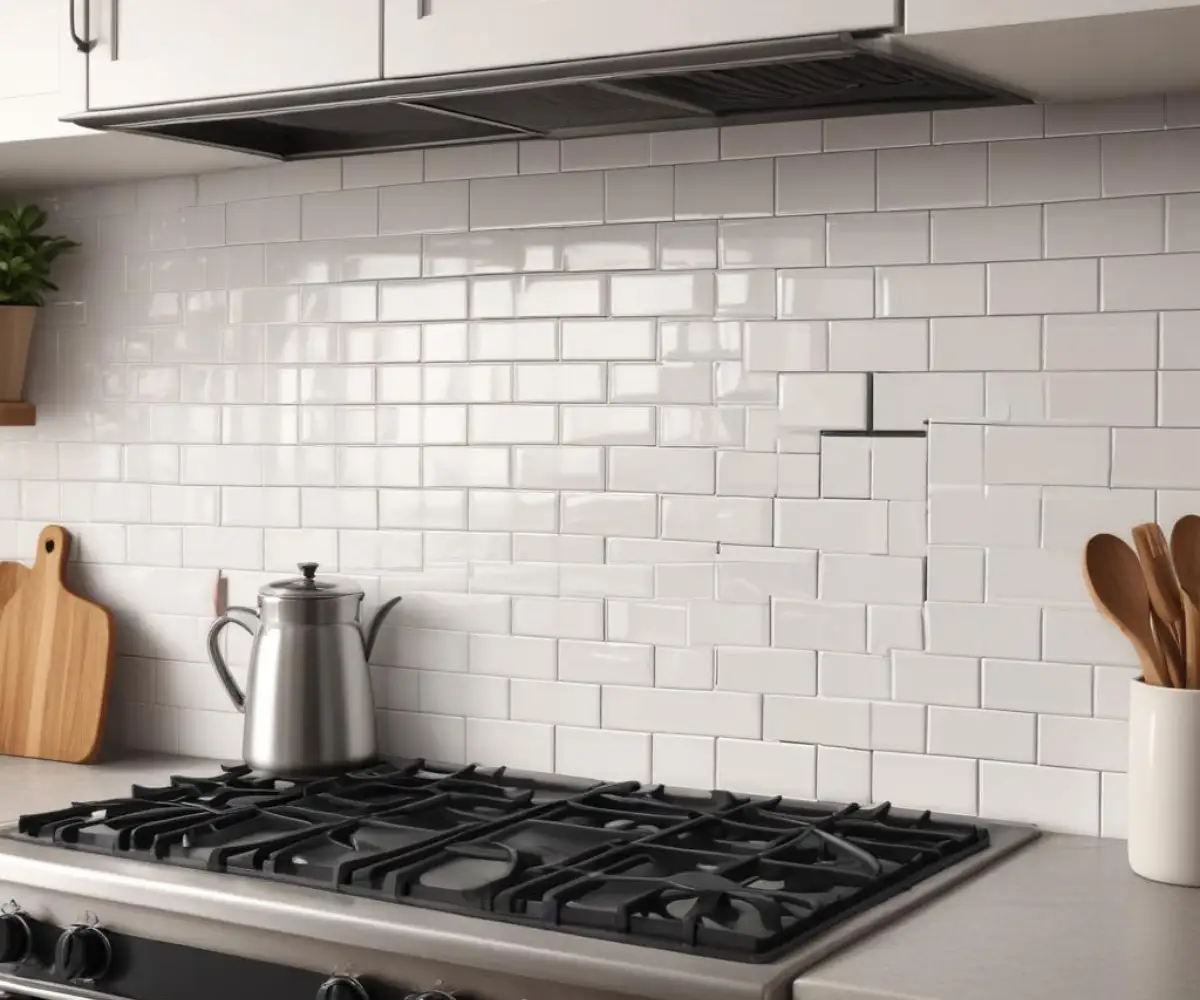
Step 3: Decode the Shipping and Delivery Terms
Read every word of the shipping policy. Understand that “curbside delivery” means exactly that—the freight company will deposit a pallet at the end of your driveway. It will be your responsibility to move potentially thousands of pounds of tile into your home. Confirm the estimated delivery timeframe and be aware that international shipping can be subject to unpredictable delays at ports and customs. Factor this potential for delay into your overall project timeline.
Step 4: Scrutinize the Return and Damage Policy
Know your rights before you buy. What is the exact procedure if tiles arrive broken? According to Tile.expert’s policy, you generally have a set number of days to report damage for a replacement or refund. You must document everything with photos. Also, understand the terms for returns. Many suppliers do not accept returns of leftover tile, and returning a full order often involves paying for return freight shipping, which can be prohibitively expensive.
Step 5: Use a Credit Card for Protection
Whenever making a large purchase from an international vendor, use a credit card. Credit cards offer a layer of consumer protection that debit cards and bank transfers do not. If you encounter a serious issue with the seller and cannot resolve it directly, you have the option to dispute the charge with your credit card company. This provides crucial leverage in ensuring you receive the goods you paid for.
Step 6: Research Import Duties and Taxes
Depending on your location and the value of your order, you may be responsible for paying import duties or taxes upon the shipment’s arrival. These fees are typically not included in the initial purchase price and can be a significant surprise expense. Research your country’s regulations regarding the import of ceramic or porcelain tiles to budget accordingly and avoid delays in customs clearance.
Step 7: Communicate with the Seller
Before placing a large order, consider reaching out to the company’s customer service with a question. Their responsiveness and the quality of their answer can be a good indicator of the level of support you can expect if a problem arises. Reputable companies are generally responsive and helpful throughout the process.
Unpacking the Reviews: A Realistic Perspective
Online reviews for Tile.expert present a polarized landscape. On one hand, a large number of customers report overwhelmingly positive experiences, praising the vast selection, low prices, and successful delivery of beautiful, high-quality tile. Many note that the packaging is robust and that their orders arrived with no damage.
Conversely, negative reviews often highlight significant pain points. The most common complaints revolve around shipping delays that extend weeks or even months beyond the initial estimate, and difficulties in resolving issues with damaged tiles. Communication during these stressful situations appears to be a key differentiator between a positive and negative experience.
Interpreting Positive and Negative Feedback
When reading reviews, look for patterns rather than isolated incidents. A single glowing review or a lone scathing complaint is less informative than a consistent theme. If multiple reviews mention excellent packaging, you can have more confidence in their shipping methods. If several customers cite prolonged delays due to customs, it’s wise to build extra time into your project schedule. It’s also important to consider the complexity of renovation decisions, such as whether to opt for a wall oven microwave combo or separate units, as these choices influence the overall project timeline and interaction with suppliers.
The table below offers a balanced comparison based on aggregated user feedback, contrasting the experience of buying from an international online specialist with purchasing from a local tile store.
| Feature | Tile.expert (Online Specialist) | Local Tile Store |
|---|---|---|
| Price per Sq. Ft. | Often significantly lower, especially for designer European brands. | Higher due to overhead (showroom, staff, inventory). |
| Selection | Vast, with access to thousands of collections directly from manufacturers. | Limited to the brands and stock the store carries. |
| Shipping & Logistics | Complex international freight. Higher risk of damage and delays. Customer is responsible for moving tiles from curb. | Simple local delivery, often directly into the home. Lower risk. |
| Lead Time | Longer, often several weeks to months. Can be unpredictable. | Often immediate for in-stock items. Shorter for special orders. |
| Customer Service | Primarily via email or chat, across time zones. Can be slow when problems arise. | Face-to-face interaction. Easier to resolve issues and get immediate answers. |
| Returns & Damages | Strict policies. Reporting damage has a tight deadline. Returns can be cost-prohibitive. | Generally more flexible. Easier to return or exchange damaged boxes. |
The Delivery Day Protocol: Your Most Critical Moment
The moment the delivery truck arrives is the single most important point in the entire process. Your actions in this short window of time will determine your ability to make a successful claim for any damages. Do not rush this step, and do not let the delivery driver pressure you.
Your goal is to thoroughly inspect the shipment for any signs of damage *before* signing any paperwork. Once you sign, you are typically accepting the shipment “as is,” which can severely complicate a damage claim later. Being prepared and methodical is essential.
Your Step-by-Step Inspection Guide
First, visually inspect the entire pallet before it’s unloaded. Look for any tears in the protective wrapping, crushed corners, or stains that could indicate water damage. Use your smartphone to take pictures of the pallet from all four sides. If you see any sign of damage, no matter how small, point it out to the driver and make a note of it on the delivery receipt before you sign. Phrases like “Subject to inspection” or “Boxes appear damaged” are crucial.
Second, as soon as the driver leaves, begin opening every single box. This is not a task to save for later. Per most policies, you have a very limited time—sometimes as little as 24-48 hours—to report concealed damage. Carefully remove the tiles from each box and inspect them for cracks, chips, and significant color or finish defects. Set aside any damaged tiles and take clear photos of the damage, as well as a picture of the box they came from. The thoroughness of your home improvement approach, from installing electrical outlets where you might need to convert a two plug outlet to four, to inspecting every tile, defines the project’s success. Thinking about the exterior of your home and broader aesthetic choices, like whether you believe are carports trashy, shows a commitment to detail that should be applied here as well.
Finally, contact the seller immediately with your detailed report. Email them with your order number, a clear description of the damage, the number of affected tiles, and all the photos you took. A prompt, well-documented claim is your best chance for a swift and fair resolution, whether that means a partial refund or the shipment of replacement materials.
