
Thuja Green Giant Houston: Your Ultimate Guide to a Fast-Growing Privacy Screen
Creating a private backyard oasis in Houston can feel like a daunting challenge. You want a lush, green barrier to shield you from neighbors and noise, but the unique climate poses significant hurdles. Many homeowners struggle with plants that fail to thrive in the intense summer heat, succumb to the thick gumbo clay soil, or grow too slowly to provide the desired privacy in a reasonable timeframe.
This common frustration leads many to settle for expensive, impersonal wooden fences that offer little in the way of natural beauty or sound absorption. The core problem is finding a screening plant that is not just fast-growing but also resilient enough to conquer Houston’s demanding environmental conditions. Fortunately, there is a powerful, living solution that ticks all the boxes.
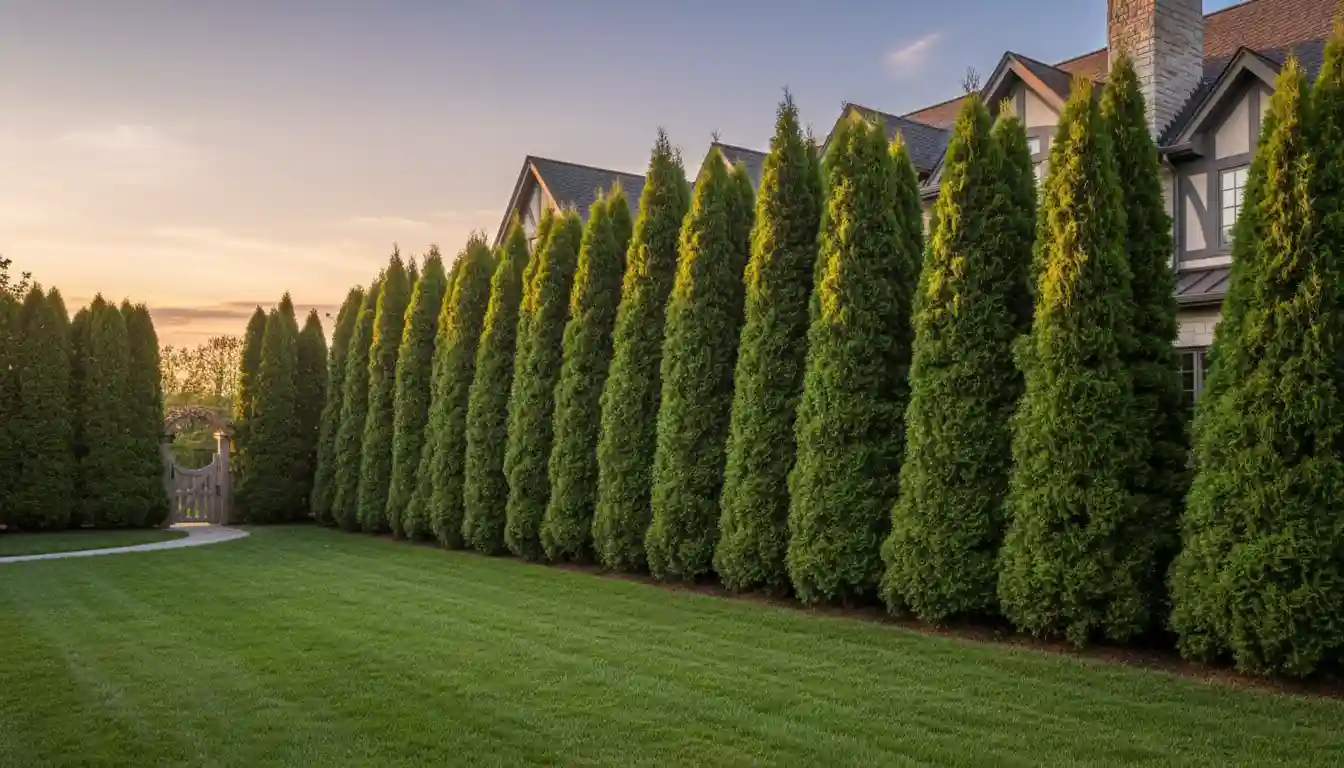
The Thuja ‘Green Giant’ arborvitae is a remarkably robust and speedy grower, making it the premier choice for establishing a natural privacy fence in the Houston area. Its adaptability and vigorous growth habit are precisely what’s needed to overcome the local gardening challenges and create the secluded sanctuary you’ve been dreaming of.
You'll Learn About
Why Thuja Green Giant is Houston’s Unsung Hero for Privacy
The Thuja Green Giant isn’t just another pretty evergreen; it’s a horticultural powerhouse. This hybrid plant is celebrated for its incredible growth rate, capable of shooting up 3 to 5 feet per year once established. This means that a wall of lush, dense foliage can be achieved in just a few short years, a timeline that few other privacy trees in this region can match.
Unlike many other evergreens, the Green Giant maintains its rich green color throughout the year, providing a consistent and beautiful screen. Its natural pyramidal shape requires minimal pruning, making it a low-maintenance option for busy homeowners. This combination of speed, beauty, and resilience makes it an unmatched solution for Houston’s specific privacy needs.
Conquering Houston’s Notorious Gumbo Clay Soil
One of the biggest obstacles for any Houston gardener is the dense, heavy clay soil often referred to as “gumbo.” This soil type is notorious for poor drainage, which can lead to root rot, a fatal condition for many plants. The Thuja Green Giant, while adaptable, thrives best when given a fighting chance against this challenging soil.
The secret to success is proper soil amendment. When planting, it is crucial to dig a hole that is at least twice as wide as the root ball. Discard about one-third of the clay you remove and mix the remaining soil with an equal amount of high-quality compost and expanded shale. This creates a looser, better-draining environment that allows the roots to establish and breathe, preventing the deadly waterlogging that plagues so many other species.
Standing Strong Through Heat, Humidity, and a Texas Freeze
Houston’s climate is a tale of extremes, from scorching summer temperatures and suffocating humidity to the occasional shocking winter freeze. The Thuja Green Giant demonstrates remarkable tolerance to these varied conditions. During the intense heat of summer, its established root system, aided by proper watering and mulching, helps it persevere.
A thick, 3-inch layer of mulch around the base of the tree is non-negotiable in this climate. It helps retain crucial soil moisture, keeps the root zone cool, and suppresses competitive weeds. While generally hardy, young trees can benefit from extra protection during a hard freeze. Covering them with a frost cloth can prevent winter burn on the foliage and ensure they emerge healthy in the spring.
Your Step-by-Step Planting Guide for Houston Success
Proper planting is the single most important factor in the long-term health and vigor of your Thuja Green Giant hedge. Following these Houston-specific steps will set your living fence up for explosive growth and a long, healthy life.
Step 1: Selecting the Healthiest Trees
Your success story begins at the nursery. When selecting your Thuja Green Giants, look for trees with vibrant, deep green foliage. Avoid any specimens with yellowing or brown patches, as this can be a sign of stress or disease. Check the root ball to ensure it’s firm and well-hydrated, not dry and brittle.
Step 2: Perfect Timing for Houston Planting
While many regions favor spring planting, for Houston, fall is the optimal planting season. Planting in October or November allows the tree’s root system to establish itself during the cooler, less stressful months. The warm soil encourages root growth, giving the tree a significant head start before the onset of the brutal summer heat.
Step 3: Digging the Right Hole in Clay
As mentioned, the hole is critical. Dig it two to three times wider than the root ball but no deeper. Planting the tree too deep is a common and fatal mistake in heavy clay. The top of the root ball should sit slightly above the surrounding soil level to promote drainage away from the trunk.
Step 4: The Planting Process and Initial Care
Gently place the tree in the hole, ensuring it is straight. Backfill with your amended soil mixture, tamping it down gently to remove air pockets. Once planted, water the tree deeply, allowing the water to soak in and settle the soil around the roots. This initial, thorough watering is crucial for establishing good root-to-soil contact.
Advanced Care for a Thriving Houston Hedge
Once your Thuja Green Giants are in the ground, consistent care through their first few years will ensure they reach their maximum growth potential. A well-cared-for hedge is a happy hedge, and it will reward you with the dense privacy you desire.
The Ideal Watering Schedule for Houston’s Climate
For the first few months after planting, check the soil moisture every few days. Water deeply whenever the top two inches of soil feel dry. In the heat of a Houston summer, new trees may need watering two to three times a week. Established trees are quite drought-tolerant, but will benefit from a deep watering once a week during prolonged dry spells.
Fertilizing for Maximum Growth and Vigor
To fuel its rapid growth, the Thuja Green Giant benefits from annual fertilization. Apply a balanced, slow-release fertilizer formulated for evergreens in the early spring as new growth begins. This provides a steady supply of essential nutrients throughout the growing season. A healthy diet is key to resisting pests and diseases.
Choosing the right fertilizer can make a significant difference. Different formulations offer unique benefits tailored to the needs of your growing hedge.
| Fertilizer Type | Pros | Cons | Best Houston Application Time |
|---|---|---|---|
| Slow-Release Granular (e.g., 10-10-10) | Feeds for months; reduces risk of fertilizer burn. | Nutrients are not immediately available. | Early Spring (late February/early March) |
| Organic Compost | Improves soil structure and microbial life; very gentle. | Nutrient content is lower and less predictable. | Annually in Fall or Spring as a top dressing. |
| Liquid Fertilizer | Nutrients are absorbed quickly for a fast boost. | Must be applied more frequently; higher risk of burn if mixed improperly. | Early Spring for a kick-start, can repeat monthly until summer. |
Pruning and Shaping Your Living Wall
One of the best features of the Thuja Green Giant is its minimal need for pruning. It naturally grows into a uniform, conical shape. However, if you desire a more formal, manicured hedge, light shearing in the late spring, after the initial flush of new growth, is all that’s needed. Avoid heavy pruning, as this can damage the tree’s natural form.
Common Thuja Green Giant Problems in Houston (And Solutions)
While incredibly resilient, Thuja Green Giants are not entirely immune to problems, especially in the warm, humid Gulf Coast climate. Being able to identify and address these issues quickly is key to maintaining a healthy hedge.
The most common pest you might encounter is the bagworm. These caterpillars create small, cocoon-like bags from the tree’s own foliage. If you spot them, they can often be removed by hand on smaller trees. For larger infestations, a targeted insecticide may be necessary in late spring as the larvae hatch.
Another issue can be spider mites, which thrive in hot, dry conditions. They can cause the foliage to look stippled or yellow. A strong spray of water from a hose can often dislodge them, and horticultural oils are an effective treatment. Proper watering helps prevent the dry conditions they prefer.
Finally, root rot is the most serious threat, directly linked to Houston’s poorly draining clay soil. Symptoms include yellowing or browning foliage and a general decline in health. Prevention through proper planting and soil amending is the only effective strategy, as it is very difficult to cure once it takes hold.
Beyond Privacy: Unlocking Additional Benefits
A Thuja Green Giant hedge does more than just block views; it enhances your entire property. The dense foliage is an excellent sound barrier, significantly reducing noise from busy streets or nearby activities. This living wall also adds immense curb appeal and can increase your property value, making it a wise investment in your home’s overall aesthetic and worth.
Investing in your home’s landscape is just as important as maintaining its structure. Just as you would compare options for new entryways by looking at Therma-Tru vs Jeld-Wen, choosing the right living fence is a key decision. And while considering the long-term expenses of homeownership, such as the cost to strip and reseal Saltillo tile, remember that a low-maintenance landscape saves you money and time for years to come.
Proper care for your landscape is a year-round commitment. Just as you would ensure seasonal equipment is ready when needed, from your lawnmower to a machine that sees rare use like one needing to know the John Deere 826 snowblower oil capacity, your living fence requires consistent attention to thrive.
Frequently Asked Questions about Thuja Green Giant in Houston
How far apart should I plant Thuja Green Giants for a privacy screen in Houston?
For a dense privacy screen, plant your Thuja Green Giants 5 to 6 feet apart. This spacing allows them to grow together quickly, forming a solid, seamless wall of green. If you have more space and desire a slightly less formal look, you can extend the spacing to 8 feet.
Are Thuja Green Giants deer-resistant in Texas?
Yes, one of the significant advantages of the Thuja Green Giant is its resistance to deer. While no plant is completely deer-proof, deer typically avoid Thuja Green Giants, making them an excellent choice for areas with deer populations.
Will the Houston sun be too intense for them?
Thuja Green Giants thrive in full sun, which promotes the densest growth. They can handle the intense Houston sun, provided they receive adequate water, especially during their establishment period. A location that receives at least six hours of direct sunlight per day is ideal.
Your Green Oasis Awaits
Transforming your exposed Houston backyard into a private, serene retreat is not only possible, it’s straightforward with the right plant. The Thuja Green Giant offers a rare combination of rapid growth, adaptability to local challenges, and low-maintenance care. By following the planting and care guidelines tailored for Houston’s unique environment, you can cultivate a beautiful, living fence that will provide privacy and beauty for decades.
Stop settling for slow-growing shrubs or costly, sterile fences. Embrace the fast-growing, resilient solution that is the Thuja Green Giant. Your investment of time and effort will be rewarded with a lush, green sanctuary that enhances your home and your quality of life.
