
Teasing Georgia vs Graham Thomas: The #1 Mistake Killing Your Yellow Rose Dreams
Choosing the perfect yellow climbing rose is a high-stakes decision for any gardener. You envision a cascade of golden blooms, a fragrant spectacle that becomes the envy of the neighborhood. But picking between two of David Austin’s most celebrated yellow climbers, Teasing Georgia and Graham Thomas, can lead to a decade of frustration if you make the wrong choice for your specific garden needs. It’s a classic standoff, and the subtle differences between them are the secret to success or failure.
The core problem isn’t that one rose is inherently “better” than the other; it’s that they are fundamentally different plants suited for entirely different purposes. Planting the wrong one means battling a growth habit that won’t cooperate, struggling with unexpected disease, or getting a color that doesn’t match your vision. This guide will illuminate the critical distinctions and help you avoid the single biggest mistake gardeners make when choosing between these two titans of the rose world.
You'll Learn About
Unveiling the Contenders: Two Legends of the Rose Garden
Both Teasing Georgia (introduced in 1998) and Graham Thomas (introduced in 1983) are icons from the David Austin collection, celebrated for bringing the old-world charm of romantic, multi-petaled blooms to modern, repeat-flowering shrubs. They are frequently compared because of their shared yellow hues and their ability to be trained as climbers. However, their personalities in the garden could not be more distinct.
Understanding these differences is key. It’s about looking beyond the catalog photo and digging into the practical realities of their growth, health, and appearance. This knowledge will empower you to select the rose that will not just survive, but truly thrive in your landscape, becoming a cherished feature for years to come.
The Color Conundrum: More Than Just ‘Yellow’
At first glance, both roses appear simply ‘yellow,’ but a closer look reveals a world of difference in their color profiles. This nuance is a major deciding factor for gardeners with a specific aesthetic in mind. The color can define the mood of a garden space, and getting it right is crucial.
Teasing Georgia: A Chameleon of Creamy Yellow
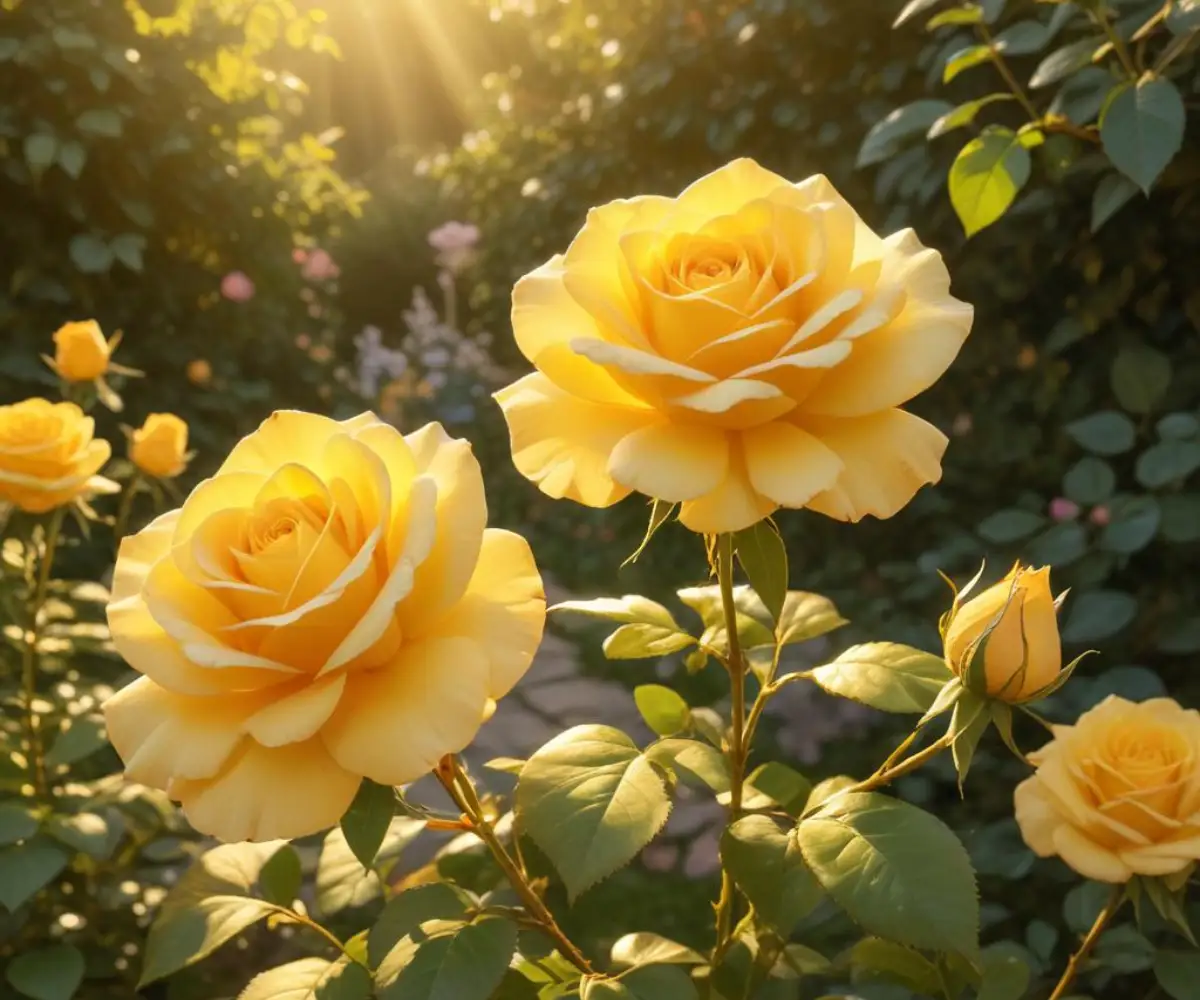
Teasing Georgia is renowned for its beautiful two-tone effect. The center of the bloom is a rich, deep yellow, while the outer petals fade gracefully to a pale, creamy yellow or even near-white. This gives each flower a lovely, subtle depth and a softer overall appearance. In cooler weather, the colors can be more pronounced, adding a dynamic quality to the plant throughout the seasons.
This multi-toned nature makes Teasing Georgia exceptionally versatile, blending beautifully with pastel color schemes and other soft-hued plants. It creates a gentle, romantic feel rather than a bold, singular statement. If you desire a complex, sophisticated yellow with subtle variations, Teasing Georgia is the undisputed champion.
Graham Thomas: A Pure, Unwavering Gold
In contrast, Graham Thomas offers a pure, consistent, and rich golden-yellow. Its color is a true, deep yellow that holds steady across the entire bloom. While intense sun can cause some minor fading as the flower ages, its dominant character is one of unwavering, uniform color.
This makes Graham Thomas a spectacular choice for creating a bold focal point. Its vibrant hue stands out dramatically against dark green foliage or a dark-colored wall. If your goal is a punch of pure, sunny yellow that commands attention, Graham Thomas delivers that with confidence and clarity.
Growth Habit & Training: The Make-or-Break Decision
This is where most gardeners make a critical error. Assuming these roses can be used interchangeably on any structure is the number one mistake that leads to disappointment. Their natural growth habits dictate where and how they should be grown; fighting against this nature is a losing battle.
Teasing Georgia’s Graceful Arch: Friend to Fences and Walls
Teasing Georgia has a lax, arching, and spreading growth habit. Its canes are flexible and graceful, making it perfectly suited for training horizontally along fences, walls, or espaliers. This horizontal training is essential, as it encourages the rose to produce flowering shoots (laterals) all along the canes, resulting in a wall of blooms from top to bottom.
Attempting to force Teasing Georgia into a narrow, upright space like a pillar or obelisk will result in a messy, sprawling plant that is difficult to manage. Its natural inclination is to spread wide. Give it the width it craves, and it will reward you with a spectacular, flower-laden display.
Graham Thomas’s Upright Ambition: Ideal for Pillars and Obelisks
Graham Thomas is the opposite. It is a vigorous, more upright grower with somewhat stiffer canes. This habit makes it an exceptional candidate for training up pillars, obelisks, or narrow trellises. Its vertical ambition allows it to cover these structures effectively, creating a stunning tower of gold.
While it can be trained against a wall, it requires more effort to fan the canes out horizontally. Its preference is to shoot for the sky. For gardeners with limited horizontal space who want vertical impact, Graham Thomas is the clear and superior choice. Trying to make it spread wide can lead to a sparse-looking base with all the growth concentrated at the top.
The Ultimate Showdown: A Head-to-Head Comparison
To make the decision clearer, a direct comparison of their key attributes is invaluable. This table provides a quick, at-a-glance reference to help you weigh the pros and cons based on your specific needs and climate.
| Feature | Teasing Georgia | Graham Thomas |
|---|---|---|
| Color Profile | Two-tone: Rich yellow center fading to pale cream | Uniform, pure golden-yellow |
| Fragrance | Medium, classic Tea rose scent | Light to medium Tea rose scent with violet hints |
| Growth Habit | Arching, spreading, flexible canes | Upright, vigorous, somewhat stiff canes |
| Best Use | Walls, fences, wide trellises, espaliers | Pillars, obelisks, doorways, narrow vertical spaces |
| Mature Size (as climber) | Up to 12 feet (3.75m) tall | Up to 12 feet (3.75m) tall |
| Disease Resistance | Excellent; highly resistant to common diseases | Fair to Good; can be susceptible to black spot |
| Bloom Form | Large, deeply cupped rosettes (100+ petals) | Medium-large, cupped blooms (approx. 45 petals) |
| Thorn Level | Moderately thorny | Moderately thorny |
Health & Hardiness: The Unspoken Truth About Disease
A beautiful rose is nothing if it’s constantly leafless and plagued by disease. This is another area where these two roses diverge significantly, and it’s a critical consideration for low-maintenance gardeners. The quest for healthy plants is universal, a topic often explored in discussions about offerings like the True Bloom roses review which highlights disease-free blooms.
The Achilles’ Heel of Graham Thomas
While an absolutely stunning rose, Graham Thomas has a known weakness: it can be susceptible to black spot. In humid climates or areas with poor air circulation, this fungal disease can cause significant leaf drop, weakening the plant. Gardeners growing Graham Thomas must be more vigilant, ensuring good air flow through proper pruning and potentially using preventative fungicidal sprays.
This doesn’t mean you shouldn’t grow it, but you must be prepared for this aspect of its care. For many, its breathtaking color is well worth the extra attention. However, if your gardening philosophy is strictly no-spray, this is a major red flag.
Teasing Georgia’s Robust Constitution
Here, Teasing Georgia shines brightly. It is widely praised for its excellent disease resistance. It stands up remarkably well to black spot, mildew, and other common rose ailments, making it a far more forgiving and lower-maintenance choice. This robust health is a significant advantage, especially for novice gardeners or those who want spectacular results with less chemical intervention.
If you prioritize a healthy, leafy plant that looks great even when not in full bloom, Teasing Georgia is one of the most reliable choices in the David Austin catalog. Its vigor and resilience are traits that seasoned gardeners deeply appreciate.
Fragrance Face-Off: Scent Profiles Decoded
The fragrance of a rose is one of its most romantic qualities. Both Teasing Georgia and Graham Thomas offer a classic Tea rose fragrance, but with subtle differences. This personal preference can be the final tipping point in your decision.
Teasing Georgia has a lovely, medium-strength Tea fragrance. It’s a clean, pleasant scent that is reliably present in the blooms. It’s strong enough to be enjoyed up close without being overpowering.
Graham Thomas also has a Tea rose scent, often described as being light to medium in strength, but with an interesting and delightful hint of violets. This unique note adds a layer of complexity to its fragrance profile that many gardeners find captivating.
The Final Verdict: Which Yellow Rose Belongs in Your Garden?
The choice between Teasing Georgia and Graham Thomas becomes simple when you honestly assess your garden space and maintenance style. It’s a decision process similar to choosing between the distinct colors and habits of other popular pairings, like the great Twilight Zone vs Ebb Tide rose debate for purple blooms.
Choose Teasing Georgia If…
You should choose Teasing Georgia if you have a wide, open space to fill, such as a long fence or a broad wall. Its arching, flexible canes are perfect for creating a sweeping, horizontal display. You also prefer a softer, multi-toned yellow color and, most importantly, you value strong disease resistance and lower-maintenance care.
Choose Graham Thomas If…
You should choose Graham Thomas if you have a vertical space to adorn, like a pillar, an obelisk, or the frame of a doorway. Its upright growth is tailor-made for adding height and drama. You also desire a pure, bold, golden-yellow color and are prepared to monitor for black spot and provide the necessary care to keep it healthy.
Beyond the Basics: Expert Tips for Success
Once you’ve made your choice, a few expert tips can elevate your success from good to spectacular. These are the kinds of details that dedicated gardeners share on forums, reminiscent of the old community spirit found on places like the GardenWeb forums, where shared experience was golden.
The Pruning Paradox
How you prune these two roses in late winter or early spring is vastly different. For Teasing Georgia, the goal is to maintain a framework of strong horizontal canes. You will then prune the side shoots (laterals) that grew off these main canes back to just a few buds. This encourages prolific blooming along the entire structure.
For Graham Thomas, pruning can be done a bit harder to control its size and encourage a strong upright structure. Thin out crowded canes to improve air circulation (crucial for disease prevention) and shorten the main canes to the desired height of your pillar or obelisk.
Feeding for a Color Pop
To get the most vibrant yellow blooms, proper nutrition is key. Both roses benefit from a balanced rose fertilizer applied in the spring as new growth emerges. A little-known secret is to ensure adequate potassium in the soil. Potassium plays a vital role in flower production and color intensity.
An early spring application of a fertilizer rich in potassium, like sulfate of potash or a specialized bloom-booster formula, can make the yellows in both Teasing Georgia and Graham Thomas appear richer and more brilliant. This simple step can dramatically enhance the visual impact of your chosen rose.
Ultimately, the “Teasing Georgia vs Graham Thomas” debate isn’t about finding a winner, but about making an informed choice. By understanding their core differences in color, habit, and health, you can avoid the costly mistake of planting the right rose in the wrong place. You can now select with confidence, ensuring your garden will be graced with the golden spectacle you’ve always dreamed of.
