
Tall Rhododendron Secrets: Your Ultimate Guide to Epic Privacy & Blooms!
Every gardener dreams of creating a private, lush sanctuary. The challenge often lies in finding plants that provide significant height and year-round screening without demanding constant care. Many spend years waiting for slow-growing trees to mature or settle for flimsy fences that offer little in the way of natural beauty.
This common frustration leads to gardens that feel exposed and incomplete. The search for the perfect tall, evergreen, and flowering shrub can seem endless. But what if the solution was a classic plant, often overlooked for its vertical potential? The answer is the magnificent tall rhododendron.
You'll Learn About
Why Your Garden Craves a Living Landmark
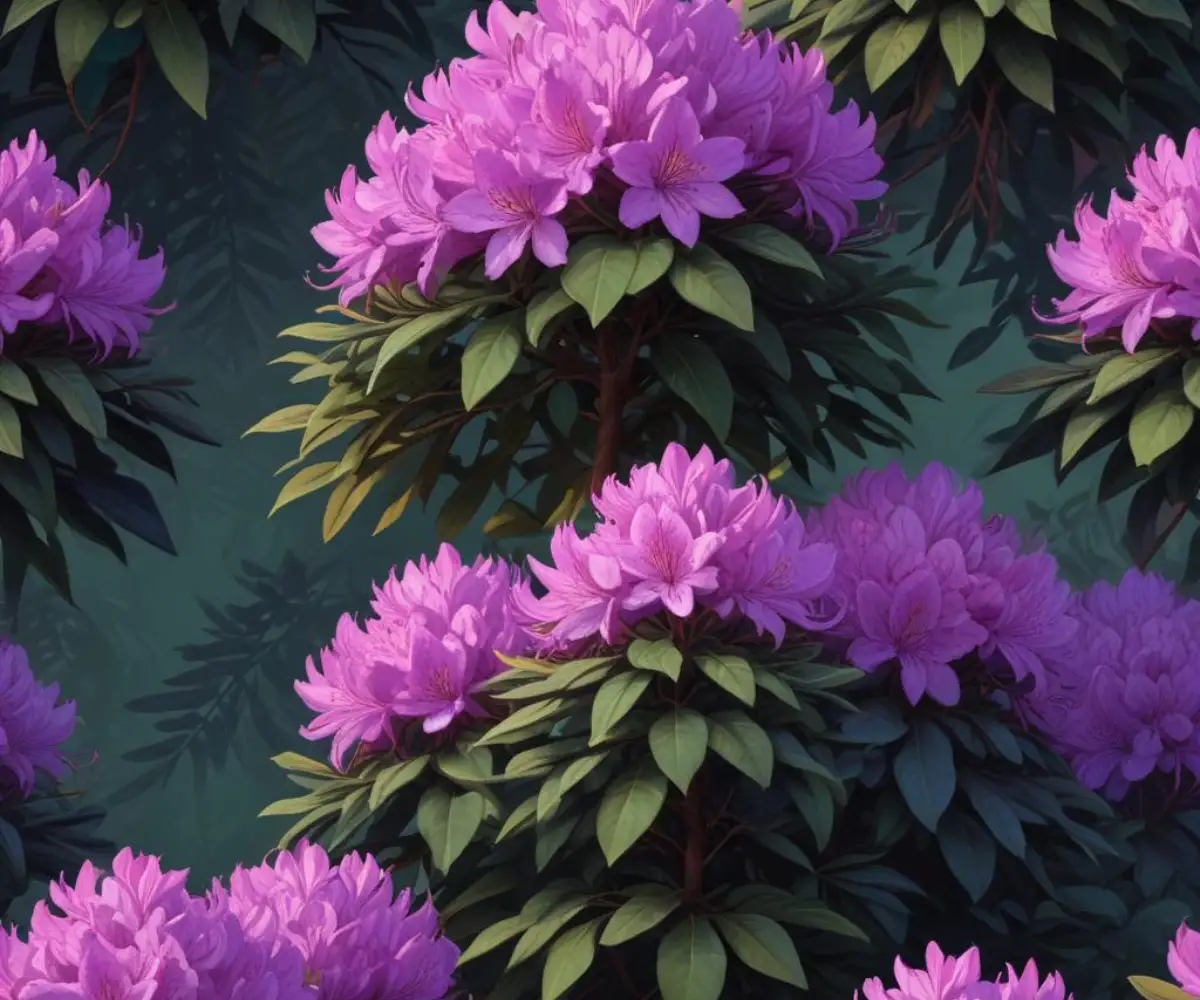
A tall rhododendron is more than just a plant; it’s an architectural element. These robust shrubs provide a dense, evergreen structure that can define garden spaces, create secluded “rooms,” and form a stunning living wall. Their large, leathery leaves offer a bold texture that stands out year-round, unlike deciduous plants that leave gaps in the landscape for half the year.
Their primary role in many gardens is to create a fast-growing privacy screen. Strategically planted, a row of tall rhododendrons can effectively block unwanted views, muffle neighborhood noise, and give your outdoor space a sense of peaceful seclusion. This living fence far surpasses a wooden structure in both beauty and environmental benefit.
The Quest for Stature: Why Choosing the Right Shrub is Hard
Many gardeners have been disappointed by shrubs labeled “tall” that only reach a moderate height after a decade of growth. The key is selecting the right variety. Not all rhododendrons are created equal; some are dwarf varieties, while others are true giants capable of reaching heights of 15, 20, or even 30 feet.
Understanding the growth habits and mature size of a specific cultivar is the most critical step. Without this knowledge, you risk planting a future giant in a space meant for a dwarf, or vice-versa. This guide will help you avoid that common pitfall and choose a true titan for your garden.
The Acid Test: Your Foundation for a Thriving Giant
Before you even think about which variety to buy, you must assess your soil. Tall rhododendrons are acid-loving plants and will fail to thrive in alkaline or neutral soil. They require a soil pH between 4.5 and 6.0 for their roots to properly absorb nutrients.
The ideal soil is not only acidic but also moist, well-drained, and rich in organic matter. Heavy clay soil that holds water can lead to fatal root rot, while sandy soil that dries out too quickly will stress the plant. Amending your soil with composted pine bark, leaf mold, or other organic matter is essential for long-term success. For those dealing with acidic conditions, such as the environment often found when planting under pine trees, rhododendrons are a perfect and natural fit.
Sunlight and Shelter: Getting the Location Just Right
In their native habitat, most large rhododendrons grow as understory plants in woodland settings. This provides a clue to their ideal placement: dappled shade or partial sun. A location that receives gentle morning sun and is protected from the harsh, scorching afternoon sun is perfect.
Protection from strong, drying winds is also crucial, especially in winter. Wind can desiccate the evergreen leaves, causing “winter burn.” Planting them on the north or east side of your home or behind a windbreak of other sturdy evergreens can provide the shelter they need to flourish.
Choosing Your Titan: Top Tall Rhododendron Varieties
Selecting the right variety is the most exciting part of the process. The cultivars listed below are renowned for their impressive height, beautiful flowers, and robust growth. This table will help you compare some of the best choices for creating a stunning vertical impact in your garden.
| Variety Name | Mature Height (10+ years) | Flower Color | Key Features |
|---|---|---|---|
| Rhododendron ‘Cynthia’ | 15-20 ft. | Rosy-crimson with a darker blotch | Vigorous grower, sun tolerant, very large trusses. |
| Rhododendron maximum | 15-30 ft. | White to pale pink/purple | Native to North America, very hardy, late blooming. |
| Rhododendron ‘English Roseum’ | 10-15 ft. | Lilac-rose | Extremely hardy and reliable, forms a dense screen. |
| Rhododendron ‘Loderi King George’ | 15+ ft. | Huge, fragrant white flowers from pink buds | Considered one of the finest hybrids, needs wind protection. |
| Rhododendron ‘Anna Rose Whitney’ | 10-15 ft. | Deep rose-pink | Fast-growing with a dense, well-shaped habit. |
Understanding Your Options
When you see variety names, it is helpful to know they generally fall into a category called Elepidotes. This group is characterized by large leaves that lack scales. These are typically the rhododendrons that achieve great height and produce the massive flower clusters, known as trusses, that the genus is famous for.
Planting for Posterity: A Step-by-Step Guide
Proper planting is vital for establishing a healthy root system. Rhododendrons have shallow, fibrous roots and should never be planted too deep. The top of the root ball should be level with or even slightly above the surrounding soil grade.
Dig a hole that is twice as wide as the root ball but no deeper. Backfill with a mix of your native soil and copious amounts of acidic organic matter like compost or fine pine bark. Water thoroughly after planting to settle the soil and eliminate air pockets. A generous layer of mulch will help retain moisture and keep the roots cool.
Sustaining Majesty: Long-Term Care for Towering Rhododendrons
Once established, tall rhododendrons are surprisingly low-maintenance. Their needs are simple but specific. Consistent care during the first few years will pay dividends for decades to come.
Watering and Mulching
Consistent moisture is key, especially during dry periods in the summer when the plant is forming next year’s flower buds. Water deeply and thoroughly, allowing the soil to become moist but not waterlogged. A 2-3 inch layer of acidic mulch, like pine needles or shredded bark, is your best friend in maintaining soil moisture and suppressing weeds.
Managing a large garden and its various maintenance tasks requires efficiency. Using the right tools for chores like hauling bags of compost and bark chips can make all the difference. Some gardeners even find their trusted garden tractors invaluable for these larger-scale projects.
Fertilizing for Flowers, Not Just Foliage
If your soil is properly amended with organic matter, your rhododendron may not need much fertilizer. If you do fertilize, use a formula specifically designed for acid-loving plants. Apply it once in the late winter or early spring, just as growth begins, and avoid fertilizing after mid-summer to prevent tender new growth that can be damaged by an early frost.
Pruning the Giants: A Guide to Strategic Shaping
Many gardeners fear pruning large rhododendrons, worried they will remove the next season’s blooms. The key is timing and technique. The best time to prune is right after the plant has finished flowering in late spring.
Pruning at this time allows you to shape the plant without sacrificing the flower buds that will develop over the summer. Focus on removing any dead, damaged, or crossing branches. You can also selectively shorten branches to encourage a bushier habit. For overgrown plants, a more severe rejuvenation pruning can be done in stages over several years.
Creating a Living Wall of Color
For the ultimate privacy screen, plant a series of tall rhododendrons about 6-8 feet apart. As they grow, their canopies will merge, creating a solid, impenetrable wall of evergreen foliage. This technique creates a stunning backdrop for other plants and adds immense value and beauty to your property.
This is a similar design principle to creating a gorgeous camellia wall, which also uses large evergreen shrubs to provide vertical structure and spectacular seasonal interest. Combining different types of flowering shrubs can create a dynamic, multi-season display.
Troubleshooting Common Issues
Even well-cared-for plants can encounter problems. Yellowing leaves, known as chlorosis, often indicate a soil pH that is too high, preventing iron uptake. This can be corrected by applying chelated iron or soil acidifiers.
Pests like lace bugs or vine weevils may occasionally appear. Lace bugs cause a stippled, silvery appearance on the upper leaf surface, while weevils chew characteristic notches in the leaf margins. These are often best managed with insecticidal soap or horticultural oil, applied according to package directions.
A Note on Winter Protection
For rhododendrons planted in colder climates or exposed locations, winter protection can be beneficial. An anti-desiccant spray applied in late fall can help prevent the leaves from drying out in harsh winter winds. A thick layer of mulch also helps insulate the shallow root system from extreme cold.
Your Garden’s Vertical Masterpiece Awaits
The tall rhododendron is a true four-season powerhouse. It offers the privacy of a fence, the structure of a large tree, and a floral display that can rival any plant in the garden. By choosing the right variety and providing the proper acidic growing conditions, you can create a living landmark that will bring you joy and seclusion for years to come.
