
Taj Mahal Quartzite Reviews: The Brutal Truth Before You Buy
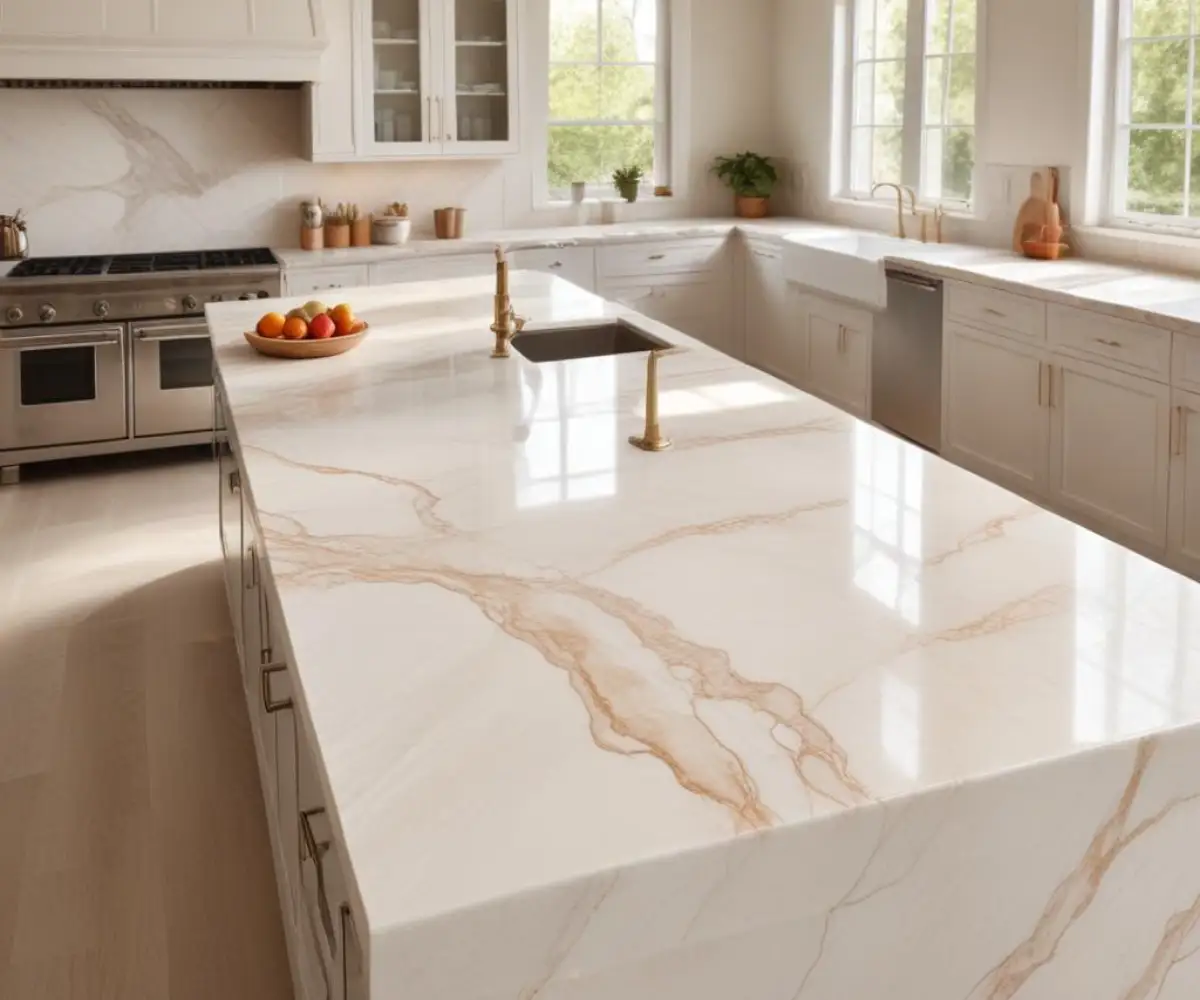
You’ve seen the photos: luminous, elegant kitchen countertops the color of creamy silk, with delicate, feathery veins of gold and taupe. Taj Mahal quartzite is undeniably beautiful, often drawing comparisons to the most luxurious Calacatta marble. But with a premium price tag, the crucial question is whether its performance matches its stunning appearance. The internet is filled with conflicting information, leaving homeowners paralyzed by the fear of making a costly and irreversible mistake.
The core problem lies in a fog of misinformation and a lack of clarity. Is it as tough as granite? Will it stain from a simple wine spill or etch from a splash of lemon juice like marble? This article will cut through the noise to deliver an unflinching, comprehensive review of Taj Mahal quartzite, addressing the critical issues of durability, maintenance, cost, and the single most important factor that most sellers won’t discuss: the rampant mislabeling within the natural stone industry.
You'll Learn About
What Exactly is Taj Mahal Quartzite? The Natural Stone, Not the Man-Made Impostor
Before diving into the pros and cons, it’s essential to understand what Taj Mahal quartzite is—and what it isn’t. It is a natural metamorphic rock, quarried primarily in Brazil. It began its life as sandstone rich in quartz minerals. Over millions of years, immense heat and pressure within the earth’s crust fused these sand grains into an incredibly hard and dense crystalline structure.
This process gives true quartzite its signature durability. It is crucial not to confuse quartzite with engineered quartz. The latter is a man-made product, composed of crushed quartz minerals (about 90%) bonded together with resins and pigments. While durable, engineered quartz does not have the same heat resistance or unique, nature-made patterns as true quartzite.
The Alluring Aesthetics: Why It’s a Designer Favorite
The primary draw of Taj Mahal quartzite is its sophisticated, marble-like appearance. It typically features a warm, creamy white, beige, or soft ivory base. This neutral background is gracefully overlaid with subtle, wispy veins of gold, taupe, gray, and ivory. Unlike the bold, dramatic veining of some marbles, Taj Mahal’s patterns are gentle and flowing, lending an air of understated luxury that complements a vast range of design styles, from modern minimalist to rustic farmhouse.
The Unvarnished Pros: Where Taj Mahal Truly Shines
When you secure a slab of genuine Taj Mahal quartzite, the benefits are significant, justifying its position as a top-tier countertop material. Homeowners and designers consistently praise it for a few key reasons.
First and foremost is its exceptional durability when compared to marble. On the Mohs scale of mineral hardness (from 1 to 10), true quartzite ranks around 7. This makes it harder than glass and even harder than granite, rendering it highly resistant to scratching from everyday kitchen use. Another major advantage is its resistance to heat. Unlike engineered quartz, whose resins can be damaged by high temperatures, you can place hot pans on a quartzite surface without fear of scorching or melting. Furthermore, because it’s a natural stone, it is UV resistant and will not yellow or fade over time when exposed to direct sunlight, a common issue with some man-made materials.
The Brutal Cons: What Sellers May Not Tell You
Despite its many strengths, Taj Mahal quartzite is not without its drawbacks, and this is where many homeowners run into trouble. The most significant issue isn’t the stone itself, but the lack of regulation in the stone industry. The biggest problem is mislabeling. Some stone yards will incorrectly label softer stones, like dolomitic marble, as “soft quartzite” or even just “quartzite.” These impostor stones look similar but lack the hardness and acid resistance of their genuine counterparts, leading to disastrous etching and staining.
Even true quartzite has a degree of porosity. This means it can absorb liquids, leading to stains if not properly protected. It must be sealed upon installation and then periodically resealed (typically once a year) to maintain its stain resistance. If the seal is compromised, substances like oil, red wine, and coffee can penetrate the stone. The material’s density also makes it heavy and somewhat brittle during the fabrication process, meaning it requires a highly skilled and reputable professional for cutting and installation to avoid chipping or cracking. Finally, there’s the cost. Taj Mahal is a premium material, and its price reflects that, often ranging from $100 to over $200 per square foot installed.
The Ultimate Buyer’s Guide: How to Avoid a Countertop Catastrophe
The solution to avoiding the pitfalls of Taj Mahal quartzite is to become an educated consumer. You cannot rely solely on the word of a salesperson. You must test the slab yourself to verify you are getting what you pay for. These simple tests are non-negotiable before you commit to a purchase.
Your first line of defense is the glass scratch test. Take a small glass tile with you to the stone yard. With a sharp, unfinished edge of the quartzite sample, try to scratch the glass. A true quartzite slab will easily scratch the glass with an audible grinding sound. If it fails to scratch the glass or simply leaves a powdery trail, you are likely dealing with a much softer stone. Your second test is the acid or etch test. Get a sample of the stone to take home. Place a few drops of lemon juice or vinegar on a small, inconspicuous area and let it sit for about 15 minutes. Wipe it off and inspect the surface. If you see any dulling, bubbling, or a change in texture (an etch), the stone is not quartzite; it is marble or a similar calcite-based stone. True quartzite is chemically inert to common household acids and will show no reaction.
Key Questions to Ask Your Fabricator
Arm yourself with knowledge and ask pointed questions. Inquire directly: “Is this a 100% true quartzite, or is it a dolomitic marble?” Ask about their warranty, specifically what it covers regarding fabrication and installation errors. Also, ask what type of sealer they use and what the recommended maintenance schedule is. A reputable professional will welcome these questions and provide clear, confident answers.
Considering the complex plumbing involved around a kitchen sink, ensuring all components are high-quality is essential for a worry-free renovation. This includes even hidden elements; for instance, understanding the difference between sump pump models like the Zoeller M95 vs M98 can be crucial for basement protection in the long run.
At-a-Glance Comparison: Taj Mahal vs. Other Popular Materials
To put its characteristics into context, here is a breakdown of how Taj Mahal quartzite compares to other popular countertop choices. This table provides a clear, concise overview to aid in your decision-making process.
| Feature | Taj Mahal Quartzite | Marble (e.g., Calacatta) | Granite | Engineered Quartz |
|---|---|---|---|---|
| Hardness (Mohs Scale) | ~7 | 3-4 | 6-7 | ~7 (minerals only) |
| Acid Resistance (Etching) | Excellent | Poor (etches easily) | Good to Excellent | Excellent |
| Stain Resistance | Good (when sealed) | Poor to Fair (very porous) | Good (when sealed) | Excellent (non-porous) |
| Heat Resistance | Excellent | Excellent | Excellent | Fair to Good (resins can burn) |
| Maintenance | Requires periodic sealing | Requires frequent sealing and careful use | Requires periodic sealing | Low (no sealing required) |
| Price per Sq. Ft. (Installed) | $100 – $250+ | $80 – $250+ | $50 – $150 | $60 – $160 |
Daily Care and Long-Term Maintenance
Proper care is essential to keep your Taj Mahal quartzite looking pristine for decades. For daily cleaning, simply use a soft cloth with warm water and a mild, pH-neutral soap. Avoid abrasive scrubbers and harsh chemical cleaners, such as bleach, ammonia, or acid-based formulas, as these can strip the sealer and dull the stone’s surface.
The most critical maintenance task is sealing. While your installer will seal it initially, this protective layer wears down over time. You can perform a simple “water test” to check if it’s time to reseal. Drip a small puddle of water onto the surface; if it darkens the stone within a few minutes, it’s absorbing liquid and needs a new coat of sealer. Promptly wiping up spills, especially oil, wine, coffee, and acidic juices, is the best habit to prevent any potential staining.
Cost Considerations in 2025
The investment in Taj Mahal quartzite goes beyond the material itself. The final cost is influenced by several factors, including the rarity and quality of the specific slab, its thickness (3cm is standard for countertops), the complexity of the job (number of cutouts for sinks and cooktops), and the chosen edge profile. As of 2025, you can expect the installed price to range from approximately $100 to $250 per square foot. While this is a significant investment, its durability and timeless appeal can add substantial resale value to your home.
Sometimes, a renovation project can reveal unexpected challenges, like needing to run new plumbing lines. Knowing the specific uses for different pipe sizes, such as understanding what 3.25 OD PVC pipe is used for, can prevent costly mistakes. Similarly, upgrading other features to match your new countertops, like installing a retractable screen door, enhances the overall kitchen experience; you might want to look into the cost of Genius retractable screen doors at Costco to complete the project.
Is Taj Mahal Quartzite the Right Choice for You?
Ultimately, the decision rests on your lifestyle, budget, and willingness to perform basic due diligence. Taj Mahal quartzite is an excellent choice for those who adore the elegant aesthetic of marble but require a much more durable and resilient surface for a busy kitchen. It is perfect for discerning homeowners who appreciate natural beauty and are committed to performing the simple tests to ensure authenticity and the minimal maintenance required to protect their investment.
However, you should reconsider if you are on a strict budget, desire a zero-maintenance surface, or are not prepared to vet your supplier and test the slab yourself. In these cases, a high-quality granite or an engineered quartz product might be a more suitable option. The beauty of Taj Mahal is undeniable, but its true value is only realized when you bring home the genuine, durable stone it is meant to be.
