
Sunshine Ligustrum Losing Leaves? Here’s Why & How to Fix It Fast
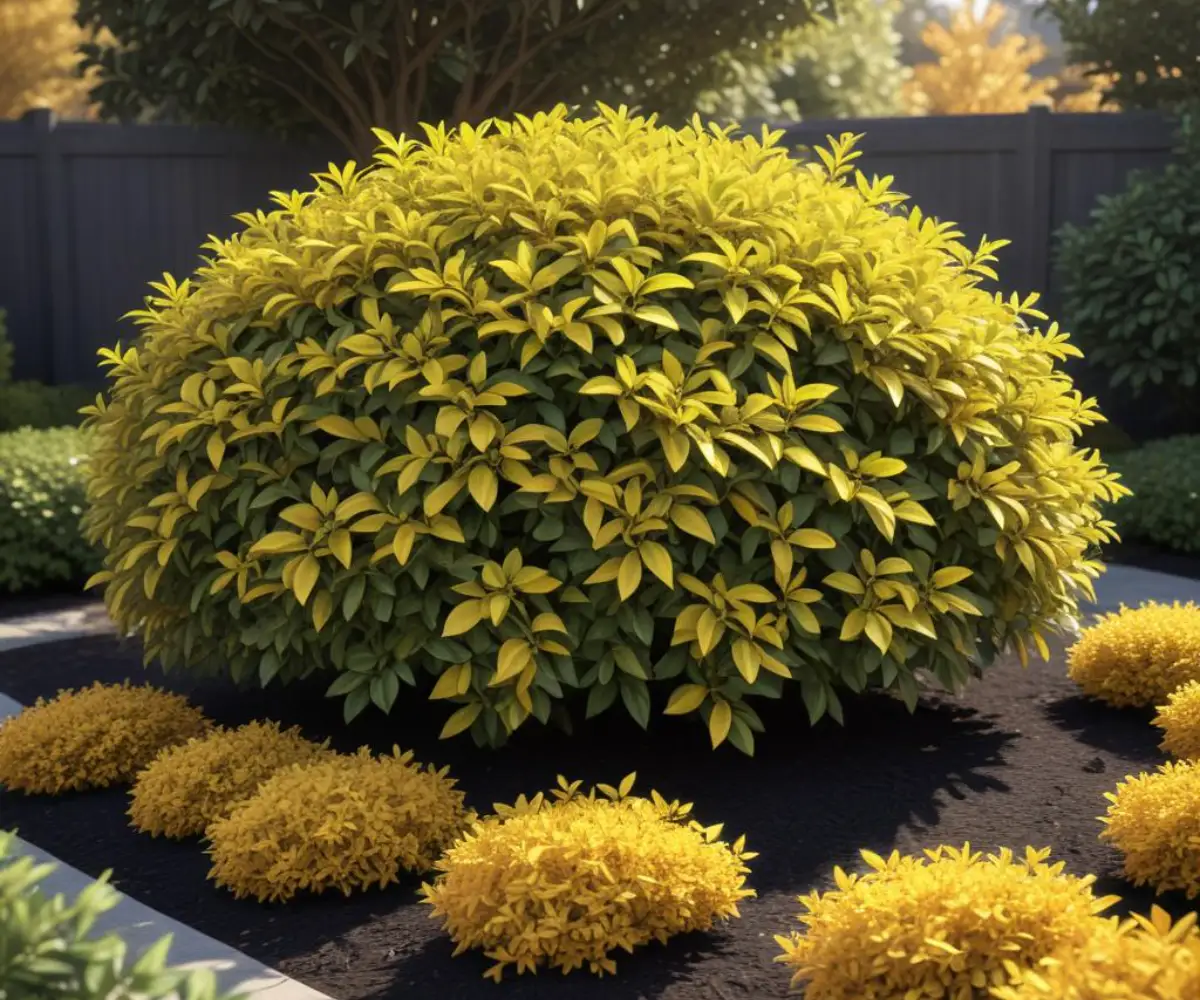
That brilliant, golden-yellow foliage is likely what made you fall in love with the Sunshine Ligustrum. So, when you see those vibrant leaves turning yellow, browning, or dropping altogether, it’s natural to feel concerned. The good news is that leaf drop on a Sunshine Ligustrum is a common issue with identifiable causes, and in most cases, it’s entirely correctable. Understanding the root cause is the first step to bringing your shrub back to its former glory.
This guide will walk you through the most common reasons your Sunshine Ligustrum is losing leaves and provide actionable, step-by-step solutions to revive it. From watering woes to unseen pests, we’ll uncover the culprit and get your shrub back on the path to vibrant health. With a little detective work and proper care, its sunny disposition will return in no time.
You'll Learn About
Decoding the Distress: Why Is My Sunshine Ligustrum Shedding Leaves?
Leaf drop, technically called abscission, is a plant’s response to stress. It’s a survival mechanism designed to conserve resources when conditions are less than ideal. For the Sunshine Ligustrum, which is prized for its year-round color, identifying the specific stressor is key to solving the problem and preventing it from happening again.
The Watering Dilemma: Too Much or Too Little?
Improper watering is the most frequent cause of leaf loss in Sunshine Ligustrum. Both overwatering and underwatering can trigger a stress response that leads to shedding. These shrubs prefer consistently moist soil but absolutely cannot tolerate “wet feet.”
Overwatering is particularly dangerous. When the soil is waterlogged, roots are deprived of oxygen and can begin to rot. Damaged roots are unable to absorb water and nutrients, leading to yellowing leaves, wilting, and eventual leaf drop. Underwatering, on the other hand, causes the plant to dry out, making leaves turn brown, crispy, and fall off as the shrub tries to conserve moisture.
Transplant Shock: The Stress of a New Home
If your Ligustrum was recently planted, it might be experiencing transplant shock. This is a period of stress a plant endures while its root system establishes itself in a new location. During this time, the roots may not be able to supply enough water to the foliage, causing the plant to shed leaves to reduce its water demand.
Symptoms of transplant shock include wilting, yellowing leaves, and leaf drop, which can be alarming but are often temporary. Providing consistent care, especially proper watering, is crucial during this adjustment period to help the shrub recover and develop a strong root system.
Uninvited Guests: Pests That Weaken Your Shrub
While Sunshine Ligustrum is generally pest-resistant, it can occasionally fall prey to common garden insects. Sap-sucking pests like aphids, scale insects, and spider mites are the most likely culprits. These tiny insects feed on the plant’s juices, weakening it and causing leaves to yellow, stipple, and eventually drop.
Inspect the undersides of leaves and the stems for signs of infestation. You might see the insects themselves, fine webbing in the case of spider mites, or a sticky substance called honeydew, which is excreted by aphids and scale.
Fungal Diseases: When Spores Take Hold
Poor air circulation and overly damp conditions can create a perfect breeding ground for fungal diseases. Cercospora leaf spot is a common fungal issue for Ligustrums, causing brown or tan spots on the leaves that can lead to premature shedding. Root rot, a result of overwatering, is another fungal disease that attacks the roots and causes widespread decline.
Ensuring your shrub has good drainage and isn’t overcrowded is a primary defense against these fungal problems. Pruning to improve airflow within the plant can also make a significant difference.
Is It Normal? Understanding Seasonal and Stress-Induced Leaf Drop
Sunshine Ligustrum is classified as an evergreen, but in colder climates (like USDA Zone 6), it may act as a semi-deciduous plant. This means it can drop some or all of its leaves in response to freezing temperatures or harsh winter winds. This is a normal, protective reaction, and the leaves should return in the spring.
It’s important to distinguish this natural winter shedding from stress-induced leaf drop. If you’re seeing significant leaf loss during the growing season, an underlying health issue is the likely cause that needs to be addressed.
A Step-by-Step Guide to Reviving Your Sunshine Ligustrum
Once you’ve identified the likely cause of the leaf drop, you can take targeted action to nurse your shrub back to health. Patience is key; it will take time for the plant to recover and push out new growth, but with the right care, a full recovery is highly probable.
Mastering the Art of Watering
The single most important step in reviving your Ligustrum is to correct your watering habits. The goal is to keep the soil consistently moist but never soggy. Before you water, always check the soil moisture first.
Stick your finger about two inches into the soil near the base of the plant. If the soil feels dry, it’s time to water. If it feels moist, wait another day or two and check again. When you do water, do so deeply and thoroughly, allowing the water to soak into the root zone. This encourages a deep, robust root system, making the plant more resilient to drought.
Diagnosing and Treating Pests and Diseases
If you’ve found pests on your shrub, a simple solution is often the best. A strong spray of water from a hose can dislodge many pests like aphids and spider mites. For more persistent infestations, insecticidal soap or neem oil are effective and environmentally friendly options.
For fungal issues like leaf spot, begin by removing and disposing of any affected leaves to prevent the spores from spreading. Ensure the plant has good air circulation by pruning if necessary. In severe cases, a fungicide may be required, but improving cultural conditions is the best long-term solution.
| Problem | Common Symptoms | Primary Solution |
|---|---|---|
| Overwatering | Yellowing leaves, wilting, soft/mushy base | Allow soil to dry out between waterings; improve drainage. |
| Underwatering | Brown, crispy leaves; wilting; dry soil | Water deeply and consistently, checking soil moisture first. |
| Pest Infestation | Stippled or yellow leaves, webbing, sticky residue | Spray with water, insecticidal soap, or neem oil. |
| Fungal Disease | Brown or tan spots on leaves, powdery coating | Remove infected leaves; improve air circulation; apply fungicide if severe. |
| Transplant Shock | Wilting and leaf drop on a newly planted shrub | Maintain consistent moisture and be patient as roots establish. |
| Winter Stress | Leaf drop in late fall or winter in colder climates | This is often normal; provide mulch for root protection. New growth should appear in spring. |
The Right Nutrition: A Fertilizing Strategy
A well-fed plant is a resilient plant. Fertilize your Sunshine Ligustrum in the early spring with a balanced, slow-release fertilizer formulated for shrubs. This provides a steady supply of essential nutrients to support healthy new growth. Avoid over-fertilizing, which can cause weak growth and may even hinder the vibrant foliage color.
For a plant recovering from stress, a light application of fertilizer can provide the necessary boost to bounce back. Follow the product instructions carefully and water the fertilizer in well.
Pruning for Health, Not Just for Shape
Pruning plays a crucial role in the health of your Ligustrum. Start by removing any dead, damaged, or crossing branches at any time of year. This not only cleans up the plant’s appearance but also eliminates potential entry points for pests and diseases.
If the shrub is dense, consider thinning out some of the interior branches to improve air circulation. This simple step is one of the most effective ways to prevent fungal diseases from taking hold. Heavy pruning to reshape the plant is best done in late winter or early spring before new growth begins.
Proactive Care: Preventing Future Leaf Drop
The best way to deal with a sick plant is to prevent it from getting sick in the first place. By providing the right conditions from the start and performing routine maintenance, you can ensure your Sunshine Ligustrum remains a healthy, vibrant centerpiece in your garden for years to come.
Choosing the Perfect Planting Spot
Success starts with location. Sunshine Ligustrum thrives and achieves its most brilliant color in full sun, which means at least six hours of direct sunlight per day. It is adaptable to various soil types but requires well-drained soil to prevent root rot.
When planting, dig a hole twice as wide as the root ball but no deeper. This allows the roots to spread out easily. Proper spacing between plants is also vital for long-term health and is often overlooked.
The Overlooked Factor: Superior Air Circulation
Many gardeners focus on sun and water, but air circulation is a third pillar of plant health, especially for preventing fungal diseases. When planting a hedge or mass planting, give each shrub enough space to grow to its mature size without being crowded. This ensures air can move freely through the foliage, keeping leaves dry and less susceptible to pathogens.
Thoughtful pruning to open up the plant’s interior also contributes significantly to this goal. This proactive measure is far more effective than reacting to a disease after it appears. Considering how to manage your property in every season, such as whether a snow blower cab is worth it for winter chores, is part of a holistic approach to home and garden care.
Winter Care for Colder Climates
In regions that experience freezing temperatures, providing some winter protection can reduce seasonal leaf drop. Applying a 2-3 inch layer of mulch around the base of the shrub helps insulate the roots from extreme cold. This simple step can make a big difference in how well the plant overwinters and how quickly it bounces back in the spring. As you prepare your home’s exterior for the seasons, you might also consider upgrades like ensuring a proper sill gasket is under the bottom plate of your structures for better insulation.
While some leaf loss is expected in a cold winter, a well-mulched plant will have a healthier root system ready to support vigorous spring growth. Thinking about seasonal changes extends beyond the garden, sometimes involving decisions like looking into a stove trade-in to upgrade home heating before winter arrives.
Frequently Asked Questions (FAQs)
Is it normal for Sunshine Ligustrum to lose some leaves?
Yes, some leaf drop is normal. Like all evergreens, it will occasionally shed older, interior leaves. It may also lose a significant number of leaves in winter in colder climates (Zone 6), which is a normal response to cold stress.
Will the leaves grow back on my Sunshine Ligustrum?
In most cases, yes. Once the underlying stressor—be it improper watering, pests, or disease—is corrected, the plant will focus its energy on producing new, healthy foliage. Be patient, as this recovery process can take several weeks to a few months.
How can I tell if my Sunshine Ligustrum is dead?
Before giving up, perform a scratch test. Use your fingernail or a small knife to gently scrape a small section of bark on one of the main stems. If the tissue underneath is green and moist, the plant is still alive and has a good chance of recovery. If it’s brown and brittle, that particular branch is dead, but check other branches before making a final determination.
