Sunken Fireplace: The Ultimate Guide to Avoiding a Costly, Dangerous Mistake
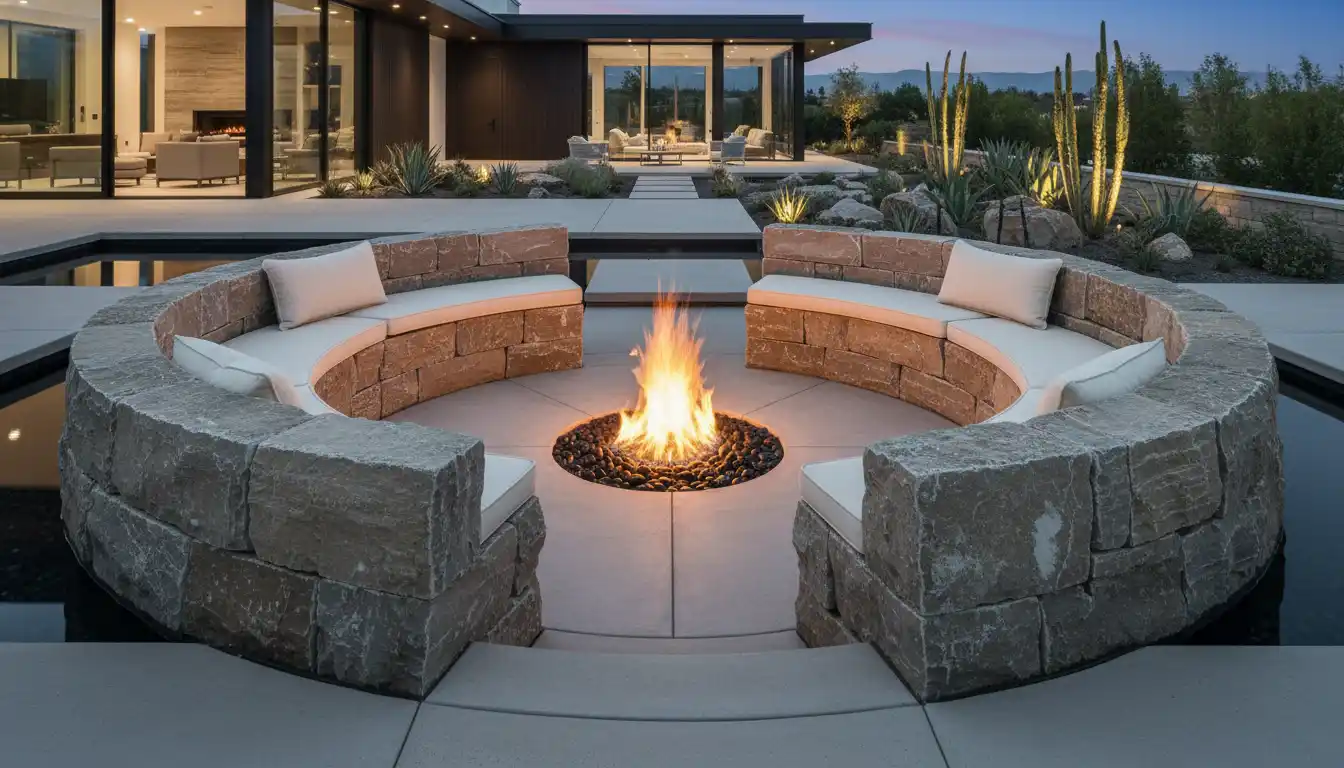
The image of a sunken fireplace, nestled within a cozy conversation pit, evokes a powerful sense of nostalgia and intimacy. It promises warm gatherings and deep conversations, a unique architectural feature that sets a home apart. Yet, for many homeowners, this dream is shadowed by a significant fear: is this beloved retro design a dangerous and outdated liability in a modern home?
The hesitation is understandable. Concerns over safety, complex ventilation needs, and potential building code violations can quickly turn this alluring feature into a source of anxiety. Without proper planning and execution, a sunken fireplace can indeed become a hazardous mistake. This guide will dismantle those fears by providing a clear, actionable blueprint for designing and installing a sunken fireplace that is not only breathtakingly beautiful but also uncompromisingly safe.
You'll Learn About
The Enduring Allure and Modern-Day Anxiety of Sunken Hearths
First popularized in the mid-20th century, the sunken fireplace or conversation pit was designed to create an intimate gathering space within larger, open-concept floor plans. By lowering the floor level, architects could define a cozy zone without erecting walls, fostering a unique sense of connection and togetherness. This design masterfully enhances the feeling of spaciousness in a room, making ceilings appear higher and removing the visual clutter of bulky furniture legs.
Today, this design is experiencing a major resurgence, celebrated for its character and ability to break up the visual monotony of flat, open layouts. However, the initial decline in its popularity was driven by legitimate safety and practicality issues. Modern technology and building science have provided robust solutions to these historical problems, allowing homeowners to embrace the charm of a sunken fireplace with newfound confidence.
Deconstructing the Dangers: Critical Flaws You Cannot Afford to Ignore
Successfully installing a sunken fireplace requires confronting its inherent challenges head-on. The primary concerns revolve around three key areas: ventilation, physical safety, and fuel source management. Ignoring any of these can lead to catastrophic consequences, turning a design feature into a significant hazard.
The Ventilation Nightmare: Smoke, Soot, and Carbon Monoxide Risks
A sunken fireplace presents a unique aerodynamic challenge. Because the fire sits below the main floor level, it can struggle to establish a proper draft, leading to smoke spillage into the living space. This isn’t just unpleasant; it’s dangerous, releasing soot, fine particulate matter, and deadly carbon monoxide into your home.
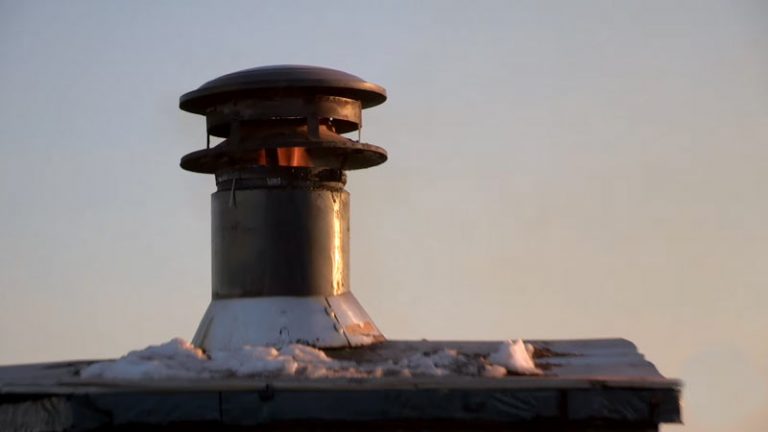
Traditional wood-burning sunken fireplaces are particularly susceptible to these issues. Proper flue design and size are non-negotiable. Modern solutions, such as installing a dedicated outside air supply or a power-venting system, can effectively solve these drafting problems by ensuring a consistent and safe exhaust flow, regardless of the fireplace’s position.
A Tripping Hazard and Child Safety Minefield
The most obvious danger of a sunken living area is the risk of falls. An unexpected step down can easily lead to injury, a concern that is magnified in homes with children, elderly residents, or individuals with mobility challenges. This hazard is a primary reason why many original conversation pits were filled in during past renovations.
Modern design addresses this in several ways. Installing a raised hearth or a protective barrier, such as a custom glass screen, can create a clear visual and physical boundary. Strategic furniture placement and using different flooring materials to delineate the change in level are also crucial safety measures. Thoughtful lighting design is essential to ensure the step-down is always clearly visible, even in low-light conditions.
Fuel-Source Fails: Why Wood Isn’t Always the Wisest Choice
While the crackle of a real wood fire is romantic, it poses specific risks in a sunken design. Sparks and embers can easily escape the low-level hearth, creating a significant fire hazard on nearby flooring and furniture. The mess of ash and wood storage also detracts from the clean, integrated look that makes these features so appealing.
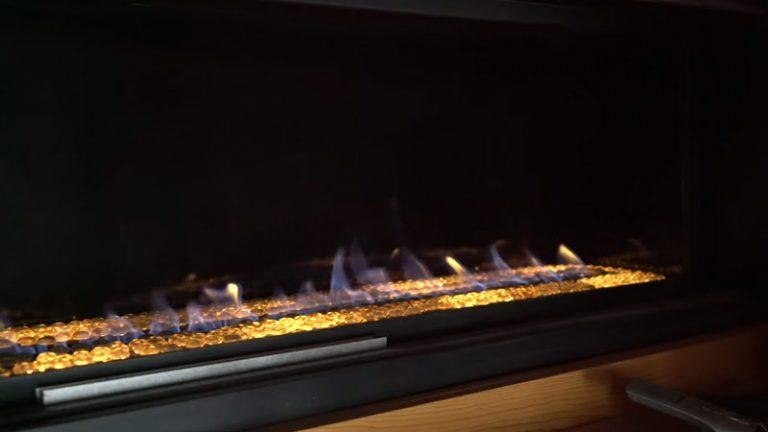
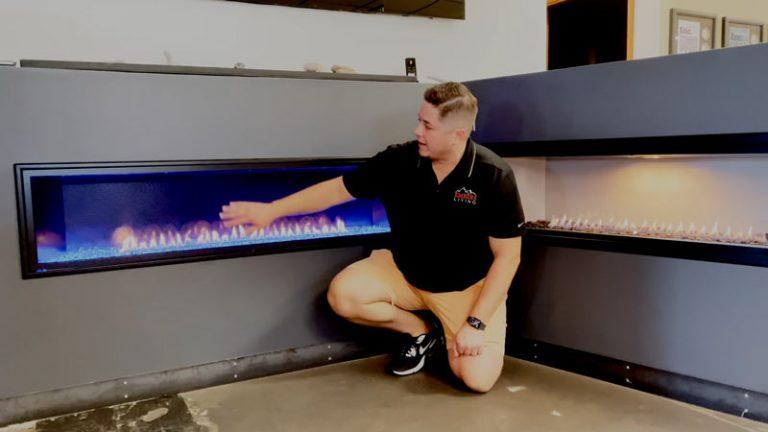
For this reason, many modern sunken fireplaces utilize safer, cleaner fuel alternatives. Gas, ethanol, and high-end electric fireplaces eliminate the risks associated with stray embers and offer far greater control and convenience. These options provide the ambiance and warmth of a traditional fire without the associated dangers and maintenance, making them an ideal choice for this unique architectural application.
The Blueprint for a Flawless Sunken Fireplace: Your 5-Step Solution
Creating a safe and stunning sunken fireplace is entirely achievable with meticulous planning. This five-step approach breaks down the process, ensuring every critical detail is addressed from conception to completion. Following this blueprint will empower you to collaborate effectively with architects, builders, and certified installers to bring your vision to life without compromising on safety.
Step 1: Choosing Your Fuel—Gas vs. Wood vs. Ethanol
The first and most critical decision is the fuel source, as this will dictate the entire design, ventilation, and safety strategy. Each option has distinct advantages and disadvantages that must be weighed carefully. Wood offers a traditional experience, gas provides convenience and control, and ethanol offers flexibility and a clean burn.
The choice of fuel is foundational to the project’s success and budget. Consider not only the installation cost but also the long-term maintenance, fuel expenses, and safety implications of each type. This decision will influence everything from structural requirements to the final aesthetic of your fireplace.
| Fuel Type | Pros | Cons | Average Installation Cost |
|---|---|---|---|
| Wood-Burning | Authentic ambiance (crackle, smell); High heat output; Fuel is readily available. | Requires complex chimney system; High risk of embers/sparks; Needs constant tending; Produces smoke and creosote; High maintenance. | $7,000 – $15,000+ |
| Natural Gas / Propane | Extremely convenient (on/off switch); Clean burning; Consistent, controllable heat; Low maintenance; High safety ratings (direct vent). | Requires professional gas line installation; Flame can look less realistic than wood; Dependent on utility service. | $3,500 – $8,000 |
| Ethanol (Ventless) | No chimney or vent required; Maximum design flexibility; Clean burning with no smoke or ash; Real flame. | Lower heat output than wood or gas; Fuel can be expensive and needs to be refilled; Requires careful handling of fuel. | $2,000 – $7,000 |
| Electric | Lowest installation cost; No venting required; Can be operated with or without heat; 100% safe (no flame); Minimal maintenance. | Flame is simulated (less realistic); Low heat output; Dependent on electricity. | $1,000 – $4,500 |
Step 2: Mastering the Design—Layout, Dimensions, and Materials
The design phase is where your vision takes physical form. Crucial dimensions include the depth of the pit (typically 18-24 inches), the width of the seating benches, and the clearance around the firebox. These measurements must prioritize both comfort and safety. The layout should allow for easy movement and prevent the space from feeling cramped.
Material selection is governed by safety. All surfaces immediately surrounding the firebox must be made of non-combustible materials like stone, concrete, brick, or metal. Choosing the right surrounding flooring is also crucial; for areas further from the immediate hearth, understanding your options is key. For example, knowing if 4-inch oak flooring needs to be glued is part of ensuring a stable and long-lasting installation for the entire room.
Step 3: Nailing the Ventilation—The Secret to a Smoke-Free Room
Ventilation is the most technically complex aspect of a sunken fireplace installation, especially for wood-burning models. A traditional masonry chimney might not be sufficient. A Class A chimney system, specifically designed for high-temperature wood exhaust, is often required.
For gas fireplaces, a direct vent system is the gold standard. This sealed system pulls combustion air from outside and expels exhaust directly outdoors, ensuring that indoor air quality is never compromised. Ethanol and electric fireplaces offer the simplest solution, as they require no ventilation at all, providing enormous flexibility in where the feature can be placed.
Step 4: Integrating Safety Features—Barriers, Clearances, and Smart Tech
Proactive safety integration is essential. Custom-fitted glass or mesh screens are a must for any open-flame fireplace to contain sparks and deter curious hands. A raised hearth, even just a few inches high, can act as a crucial barrier to prevent accidental falls into the pit. Adhering to strict clearance requirements between the fireplace opening and any combustible materials, like mantels or trim, is mandated by building codes.
Furthermore, ensure any nearby electrical installations are planned with safety in mind. For instance, if you’re incorporating custom shelving or nooks into the surrounding structure, understanding the safety protocols for outlets you might place inside a wall niche is critical to prevent them from becoming a fire hazard. Modern gas units often include smart features like automatic shut-off timers and remote ignition for added safety and convenience.
Step 5: The Code Compliance Checklist—Navigating Permits and Regulations
Before any work begins, you must consult your local building department. Building codes for fireplaces are rigorous and highly specific, covering everything from footing requirements and hearth dimensions to chimney height and clearances. Attempting to build a sunken fireplace without the proper permits and inspections is not only illegal but also incredibly dangerous and could void your homeowner’s insurance.
A certified professional will be well-versed in these regulations and will ensure your project is fully compliant. This step is non-negotiable and protects you, your family, and your investment. A professional will handle the permitting process, ensuring every aspect of the build meets or exceeds national and local safety standards.
Beyond the Build: Maintenance, Cleaning, and Long-Term Care
Once your sunken fireplace is installed, proper maintenance is key to its longevity and continued safe operation. The required upkeep will vary significantly based on your chosen fuel source. Wood-burning fireplaces are the most demanding, requiring regular cleaning of ash from the firebox and annual professional sweeping of the chimney to remove dangerous creosote buildup.
Gas fireplaces require an annual inspection by a qualified technician to check the burner, gas lines, and venting system. For all types, it is important to regularly inspect the seals and joints around the non-combustible surround. Knowing the properties of different materials, such as the difference between silicone 1 vs 2, can help you select the right high-temperature sealant for any necessary repairs to maintain air-tightness and structural integrity.
Is a Sunken Fireplace Right for Your Home? The Final Verdict
A sunken fireplace is a significant architectural undertaking that offers a truly unique and captivating focal point for any home. It creates an unparalleled atmosphere of intimacy and style. However, its benefits must be weighed against its complexities and costs. The construction requires structural modifications, professional expertise, and a substantial budget.
Ultimately, a sunken fireplace can be an exceptionally rewarding and perfectly safe addition to your home, but only when approached with diligence, respect for safety standards, and the guidance of experienced professionals. The retro dream does not have to be a modern-day nightmare. With the right knowledge and a commitment to meticulous execution, you can create a stunning conversation pit that will be the warm, beating heart of your home for years to come.