
Stove Next to Sink: The #1 Kitchen Layout Mistake You Can’t Afford
Designing a kitchen is a delicate dance between aesthetics and functionality. In the quest for the perfect layout, especially in compact spaces, one question consistently arises: can you place a stove next to a sink?
While it might seem like a clever way to save counter space, this placement is one of the most debated topics in kitchen design. It pits convenience against safety and workflow, creating a design dilemma that can have serious consequences if not handled correctly.
This guide will explore the critical reasons why this layout is often considered a mistake. We will also provide expert-backed solutions to make it work safely and efficiently if your space leaves you with no other option.
You'll Learn About
The Core Conflict: Why Water and Heat Are Bad Neighbors
The primary reason designers and builders caution against placing a cooking surface directly beside a water source is safety. The fundamental incompatibility of high heat and water creates several immediate hazards in the kitchen.
A simple act like washing vegetables can lead to an accidental splash. If that water lands in a hot pan of oil, it can cause a dangerous grease fire that can spread rapidly. Even without oil, water hitting a hot surface can create a burst of steam, potentially causing burns.
Furthermore, this layout poses an electrical risk. Water splashing into an electrical outlet for an electric stove or the igniter for a gas range can cause short circuits or damage the appliance. In a worst-case scenario, it could even lead to an electric shock.
The Unseen Dangers of the Stove-Sink Combo
Beyond the immediate risks of splashes, there are other, more subtle dangers to consider. A large gush of water from a pot being filled could potentially extinguish the flame on a gas burner.
If unnoticed, this could lead to a dangerous gas leak in your home. The combination of steam from the sink and grease from the stove also creates a perpetually grimy area that is incredibly difficult to keep clean, fostering an environment for bacterial growth.
Decoding the Rules: Is a Stove Next to a Sink Against Building Codes?
A common misconception is that there is a universal building code that strictly forbids placing a stove next to a sink. While safety is paramount, most national codes, like the International Residential Code (IRC), do not specify an exact minimum distance between a range and a sink.
Instead, codes and design best practices focus on the concept of “landing areas.” A landing area is a designated, heat-resistant countertop space on either side of a cooktop or range. This space is crucial for placing hot pots and pans safely without having to turn or walk away from the stove.
The National Kitchen & Bath Association (NKBA) provides guidelines that are widely respected in the industry. These guidelines are not law but represent best practices for a safe and functional kitchen. It’s always essential to check with your local building authority, as they may have specific amendments or requirements.
Recommended Kitchen Countertop Clearances
Understanding the recommended minimums can help you plan a safer and more efficient kitchen layout. These guidelines ensure you have adequate workspace where it’s needed most.
| Location | Recommended Minimum Clearance | Purpose |
|---|---|---|
| Landing Area Beside Cooktop | 12-15 inches | Provides a safe space to place hot pot handles and remove pans from heat. |
| Landing Area Beside Sink | 18 inches on one side, 24 inches on the other | Allows room for dish drainers and stacking dirty or clean dishes. |
| Prep Space Between Sink and Cooktop | 36 inches (Ideal) | Offers a dedicated and uninterrupted zone for food preparation tasks. |
| Distance from Cooktop to a Wall/Tall Cabinet | 9-12 inches | Prevents scorching and fire hazards, allowing space for pot handles. |
The Functional Nightmare: A Recipe for Kitchen Chaos
Even if you can meet the minimum safety clearances, placing a stove and sink too close together creates significant functional problems. A well-designed kitchen is all about workflow, and this layout severely disrupts it.
The countertop space between the sink (your cleaning and washing zone) and the stove (your cooking zone) is the most valuable real estate in your kitchen. This is your primary preparation area for chopping vegetables, mixing ingredients, and seasoning food.
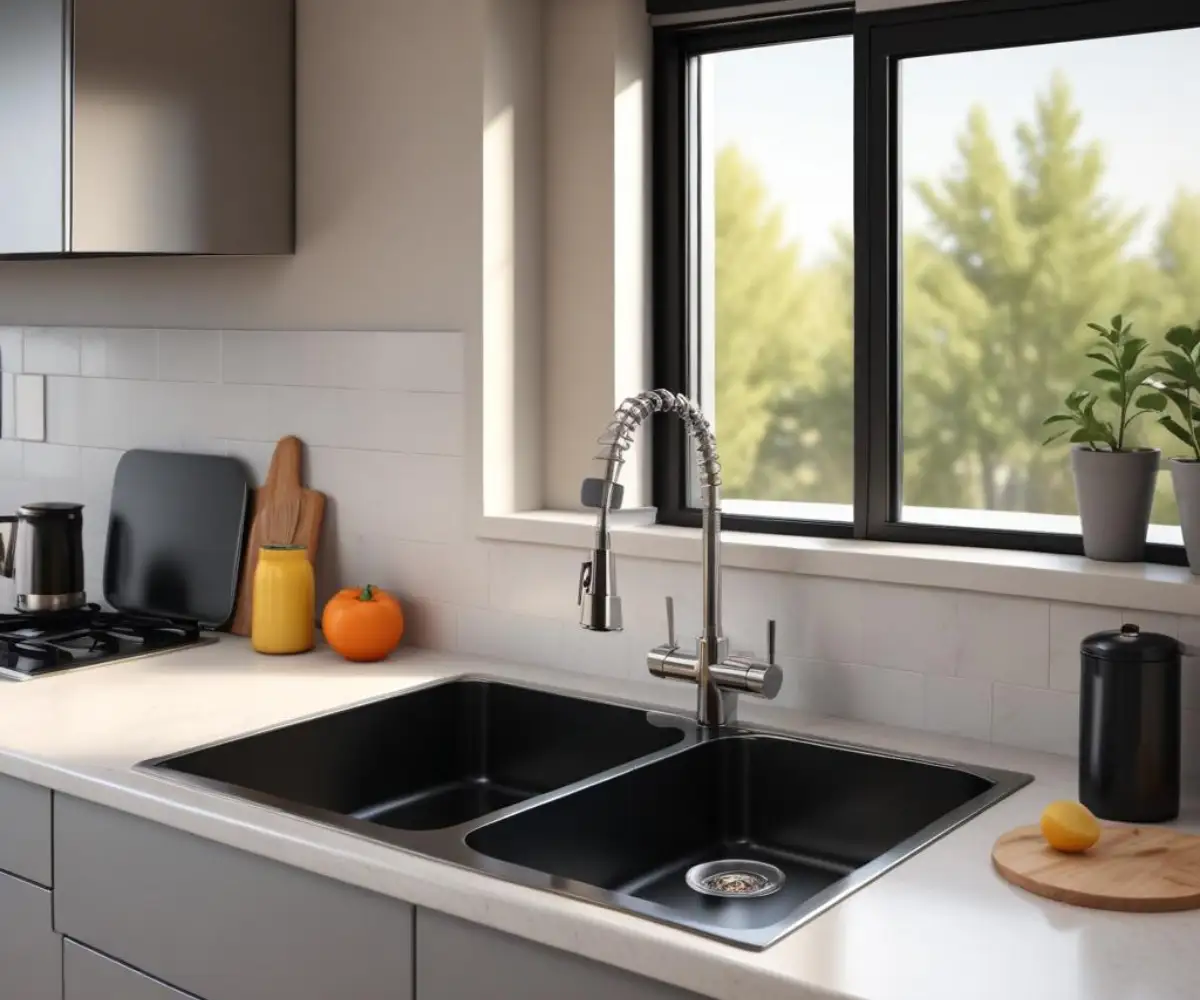
When this space is missing, you are forced to prep in another, less convenient location. This means carrying chopped ingredients across the kitchen, increasing the chances of spills and creating a disjointed and frustrating cooking experience.
Imagine removing a heavy pot of boiling pasta from the stove. Without an adjacent landing area, you have nowhere to place it, forcing you to pivot and carry it over to another counter, which is both inefficient and dangerous.
Solutions: How to Make a Stove and Sink Proximity Work
In some kitchens, particularly in small apartments or unusually shaped rooms, avoiding the stove-next-to-sink layout is nearly impossible. If this is your situation, do not despair. You can mitigate the risks with smart planning and strategic design choices.
The Golden Rule: Create a Buffer Zone
The single most important step is to create a buffer zone. Aim for a minimum of 12 to 18 inches of uninterrupted counter space between the edge of your sink and the edge of your cooktop. This small separation makes a world of difference.
This buffer acts as a splash guard, significantly reducing the amount of water that can reach the stove. It also serves as a critical emergency landing spot for a hot pan, giving you just enough space to work more safely.
Material Matters: Choosing Resilient Surfaces
The materials you choose for your countertop and backsplash in this critical area are vital. You need a non-porous, durable surface that can withstand both water and heat.
Materials like granite, quartz, and stainless steel are excellent choices. They are easy to clean and won’t be damaged by an occasional splash of water or a hot pan. Seamlessly integrating your surfaces can also enhance the look. Using the same countertop and backsplash can create a visually clean and unified zone, making the small space feel more intentional and less cluttered.
Vertical Solutions: Using Wall Space Effectively
When horizontal space is limited, think vertically. Installing a short, waterproof, and heat-resistant backsplash that is higher than the standard 4 inches can act as an effective physical barrier between the sink and stove.
You can also install wall-mounted utensil racks or magnetic knife strips in this area. This keeps essential cooking tools within reach without cluttering your precious buffer zone on the countertop.
Rethinking the Layout: Alternatives to the Side-by-Side Setup
If you are in the planning stages of a remodel, it’s worth exploring every possible alternative layout before committing to a side-by-side stove and sink. Even minor changes can dramatically improve workflow.
An L-shaped kitchen is a classic solution, allowing you to place the sink on one leg of the “L” and the stove on the other, creating natural separation and ample corner prep space. For narrow rooms, a galley layout with the stove and sink on opposite walls can be highly efficient, though it requires at least 48 inches of floor space between counters for comfortable movement.
Designing for Everyone: Accessibility and Future-Proofing
A cramped kitchen layout can be more than just an inconvenience; it can be a significant barrier for individuals with mobility challenges. The lack of clear counter space and tight corners can make the kitchen difficult and unsafe to navigate.
When planning your kitchen, consider principles of universal design to ensure it is usable by everyone, regardless of age or ability. Thinking about these factors is crucial for long-term living. Proper planning is essential, just as you would when considering how to create a handicap accessible split-level home; foresight in design prevents future difficulties.
A Hidden Problem: Pest Prevention in Tight Spaces
One often-overlooked consequence of placing large appliances very close together is the creation of hidden, hard-to-clean gaps. These narrow spaces between the stove, sink base cabinet, and wall are ideal hiding spots for pests.
Crumbs, grease, and moisture can accumulate in these voids, attracting rodents and insects. It is vital to ensure these areas are properly sealed during installation. Learning how to get rid of mice hiding behind cabinets starts with preventative design that eliminates these potential havens from the start.
Final Verdict: Should Your Stove and Sink Be Neighbors?
Placing a stove directly next to a sink is a layout that should be avoided whenever possible. The risks to safety and the disruption to kitchen workflow are significant drawbacks that can make cooking a frustrating and hazardous experience.
However, if space constraints make it your only viable option, it can be managed. The absolute key is to create a dedicated buffer zone of at least 12-18 inches between the two.
By prioritizing this landing space, choosing durable materials, and thinking creatively about your layout, you can mitigate the risks. Ultimately, a successful kitchen is one that is not only beautiful but also safe, functional, and tailored to your unique needs.
