
Step-Down Living Room Peril? 7 Secrets to a Safe, Stylish Space
The step-down living room, a hallmark of mid-century design, can add immense character and architectural interest to a home. It creates a distinct, cozy zone perfect for conversation and relaxation. However, this unique feature often comes with a hidden problem: it can be a significant and persistent safety hazard.
Unexpected changes in floor level are a leading cause of trips and falls within the home, especially for guests, children, and older adults who may not be familiar with the layout. The very design element that makes a sunken living room appealing is also its greatest liability, creating a constant risk that homeowners must address.
You'll Learn About
Why Your Sunken Living Room is an Accident Waiting to Happen
The core issue with a step-down living room lies in its subtlety. A single, often unmarked, step can easily go unnoticed in a busy, open-plan space. This lack of visual cues is the primary reason people misstep and fall, leading to potential injuries and creating a stressful environment for homeowners who must constantly warn visitors.
Factors like poor lighting, flooring materials that blend together, and furniture arrangements that obscure the step can dramatically increase the risk. For households with members who have mobility challenges, what was intended as a stylish design feature becomes a daily obstacle, limiting accessibility and peace of mind.
The Overlooked Dangers of a Single Step
A simple change in elevation might seem minor, but it fundamentally disrupts the natural flow of movement through a home. People expect floors to be level. When that expectation is broken without a clear warning, the brain doesn’t have enough time to process the change, leading to a stumble or fall.
This is particularly true during nighttime navigation, when visibility is low, or when carrying items that obstruct one’s view of the floor. Even homeowners who are accustomed to the step can be caught off guard when distracted, tired, or in a hurry. The constant vigilance required can detract from the enjoyment of the living space.
Transforming Your Step-Down into a Safe and Stunning Feature
The good news is that you don’t have to sacrifice style for safety. There are numerous effective strategies to mitigate the risks associated with a step-down living room, turning it from a hazard into a beautifully defined space. These solutions range from simple visual enhancements to more structural additions, allowing you to choose the best fit for your home’s aesthetic and your family’s needs.
By focusing on clear visual demarcation, adequate lighting, and strategic physical barriers, you can preserve the unique character of your sunken living room while ensuring it is safe and accessible for everyone. These modifications not only prevent accidents but can also enhance the overall design and flow of your home.
1. Master the Art of Visual Cues
The most effective way to prevent trips is to make the step impossible to ignore. Creating a strong visual contrast between the upper and lower levels is a powerful and stylish solution. This alerts the brain to the change in elevation long before a person reaches the edge.
Consider using a different flooring material or color for one of the levels. For example, if the upper level has hardwood floors, you could use a distinct tile or a contrasting wood stain on the step’s edge and the lower level. A decorative border tile along the entire length of the step is another excellent way to draw attention to the transition.
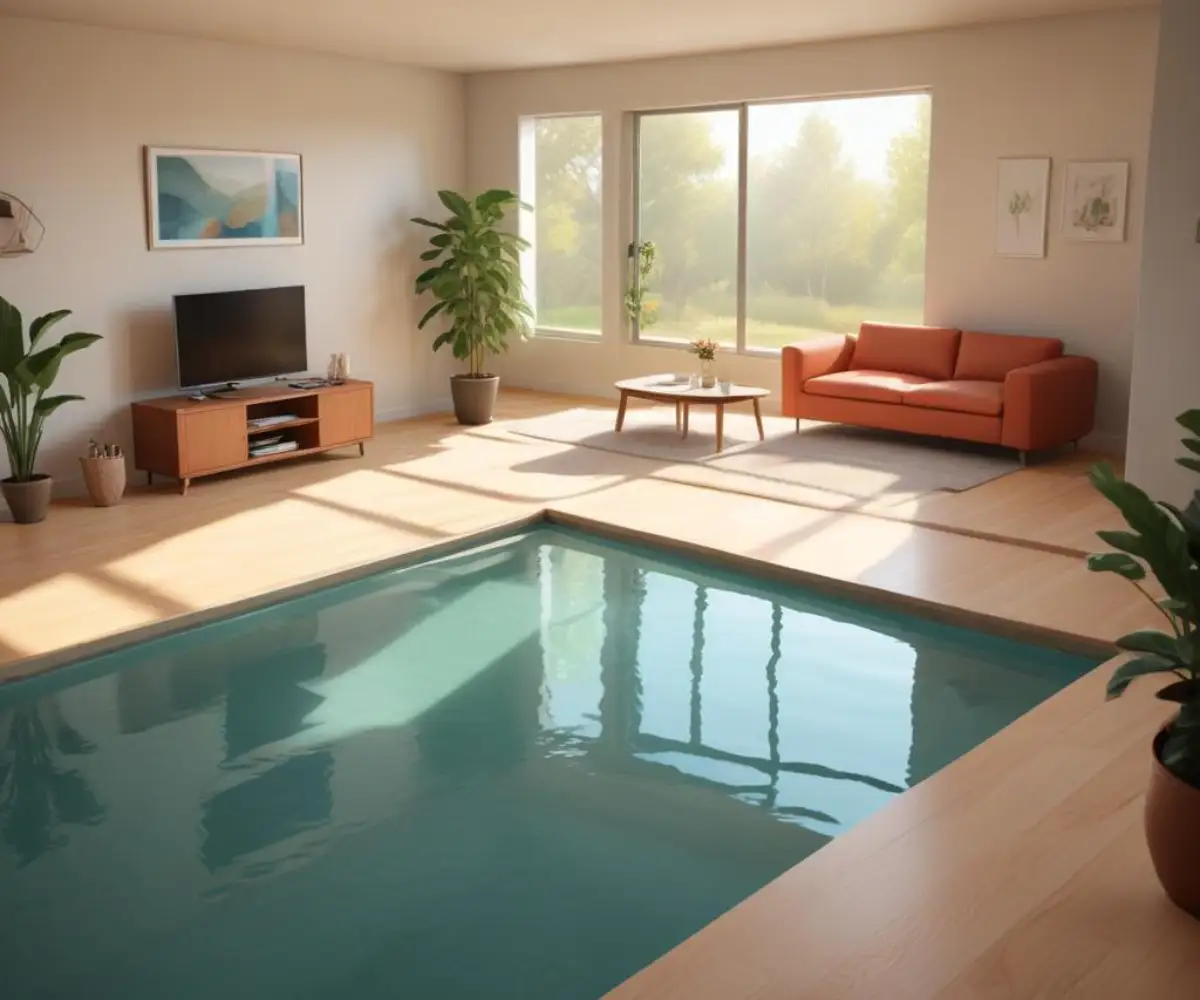
2. Illuminate the Hazard Zone
Proper lighting is non-negotiable for step-down living room safety. Good illumination ensures the step is visible at all times, day or night. This is more than just general room lighting; it requires a targeted approach to highlight the specific area of risk.
Low-level LED strip lighting installed directly under the nose of the step is a highly effective and modern solution. It casts a gentle glow across the lower floor, clearly defining the edge without creating harsh glare. Recessed floor lights or small, strategically placed wall sconces near the step can also provide the necessary visibility for safe navigation.
3. Install Stylish and Supportive Railings
For the highest level of safety, especially in homes with children or elderly residents, installing a railing is the most robust solution. Modern railings are available in a wide array of designs, from sleek glass panels that maintain an open feel to minimalist metal or traditional wood options that can complement any decor.
A well-placed handrail provides crucial support and a physical barrier that prevents accidental falls. You don’t necessarily need to enclose the entire space; even a short railing at the main point of entry can significantly improve safety and provide a helpful handhold for navigating the step with confidence.
4. Use Furniture and Decor to Your Advantage
Strategic furniture placement can act as a natural and subtle barrier, guiding traffic flow away from the step’s edge. Placing a long, narrow console table or a low bookcase along a portion of the drop-off can prevent people from approaching it from an awkward angle.
Large potted plants can also be used to visually anchor the corners of the step-down area, making the transition more obvious. The key is to create a layout that naturally funnels movement toward the intended step-down point, making the level change feel intentional and clear.
5. The Power of a Runner or Rug
Sometimes, the simplest solutions are the most effective. A well-chosen area rug or runner can work wonders in demarcating the change in floor level. Place a runner on the upper level leading up to the step, or lay a large area rug in the sunken portion of the room.
The edge of the rug creates a clear visual line that signals a change. This method is particularly useful for homeowners who want a less permanent or structural solution. For instance, if you are looking for ways to handle tricky floor coverings, understanding how to manage issues like Ruggable Roomba nightmares can provide insight into keeping your rugs perfectly placed and functional.
6. Consider Building Codes and Best Practices
While many older homes with sunken living rooms were built before modern codes, today’s standards offer valuable safety guidance. Building codes often mandate handrails for drops over a certain height and specify riser height and tread depth for steps to ensure they are comfortable and safe to use.
Even if not required, adhering to these best practices can improve safety. If you’re undertaking a larger renovation, consider if the step’s dimensions could be improved. A single, shallow step can sometimes be more awkward than two smaller, more regular steps. Consulting with a contractor can provide clarity on the safest approach for your specific layout.
7. The Ultimate Fix: Raising the Floor
In some cases, the best long-term solution is to eliminate the hazard altogether by raising the sunken floor to be level with the rest of the home. This is a significant renovation but provides the ultimate peace of mind and can improve the home’s resale value by creating a more modern, open, and accessible floor plan.
This process involves building a subfloor frame within the sunken area and then installing new flooring to match the existing level. While it’s the most intensive option, it completely resolves the safety issue, making it a worthwhile consideration for those planning a major remodel or for whom accessibility is a primary concern. Thinking about major home repairs might also bring to mind other urgent issues, like what to do when you notice your ceiling caving in, where immediate professional help is crucial.
Comparing Safety Solutions
Choosing the right safety feature for your step-down living room depends on your budget, aesthetic preferences, and the specific needs of your household. The table below compares the most common solutions to help you make an informed decision.
| Solution | Effectiveness | Estimated Cost | Aesthetic Impact |
|---|---|---|---|
| Contrasting Flooring/Trim | High | Low to Moderate | High (Can be a design feature) |
| LED Step Lighting | High | Low to Moderate | Modern and Minimalist |
| Handrails/Railing | Very High | Moderate to High | Varies (Can be a significant design element) |
| Strategic Furniture Placement | Moderate | Low (Uses existing items) | Subtle and integrated |
| Raising the Floor | Complete | Very High | Major (Creates a completely open plan) |
Creating a Secure and Serene Living Space
A step-down living room does not have to be a source of constant worry. By proactively addressing the inherent safety risks, you can create a home that is both stylish and secure. Whether you opt for simple visual cues or a more permanent structural change, the key is to make the level change obvious and easily navigable for everyone.
Implementing these solutions will not only prevent accidents but will also allow you, your family, and your guests to fully appreciate the unique architectural charm of your sunken living room without reservation. A safe home is a comfortable home, and with these strategies, you can ensure your living space remains a welcoming sanctuary for years to come.
