
Stairs Without Skirt Board: The Flawless Modern Look You Need
In modern home design, clean lines are king. Homeowners and designers alike are moving away from bulky, traditional elements in favor of a sleek, minimalist aesthetic that makes spaces feel open and thoughtfully curated.
One of the most impactful areas to apply this principle is the staircase. For decades, the stair skirt board has been a standard feature, but it can interrupt the visual flow between the stairs and the wall, looking dated and heavy.
The solution is a bold design choice: stairs without a skirt board. This creates an uninterrupted, seamless transition that elevates the staircase from a simple utility to a stunning architectural feature. Achieving this high-end look, however, requires precision and a deep understanding of the process.
You'll Learn About
What Are Stairs Without a Skirt Board?
A traditional stair skirt board, also known as an apron or stringer cover, is a plank of wood that runs along the wall next to the stair treads and risers. Its primary job is twofold: to cover the often-messy gap between the staircase and the drywall, and to protect the wall from scuffs, kicks, and vacuum cleaner bumps.
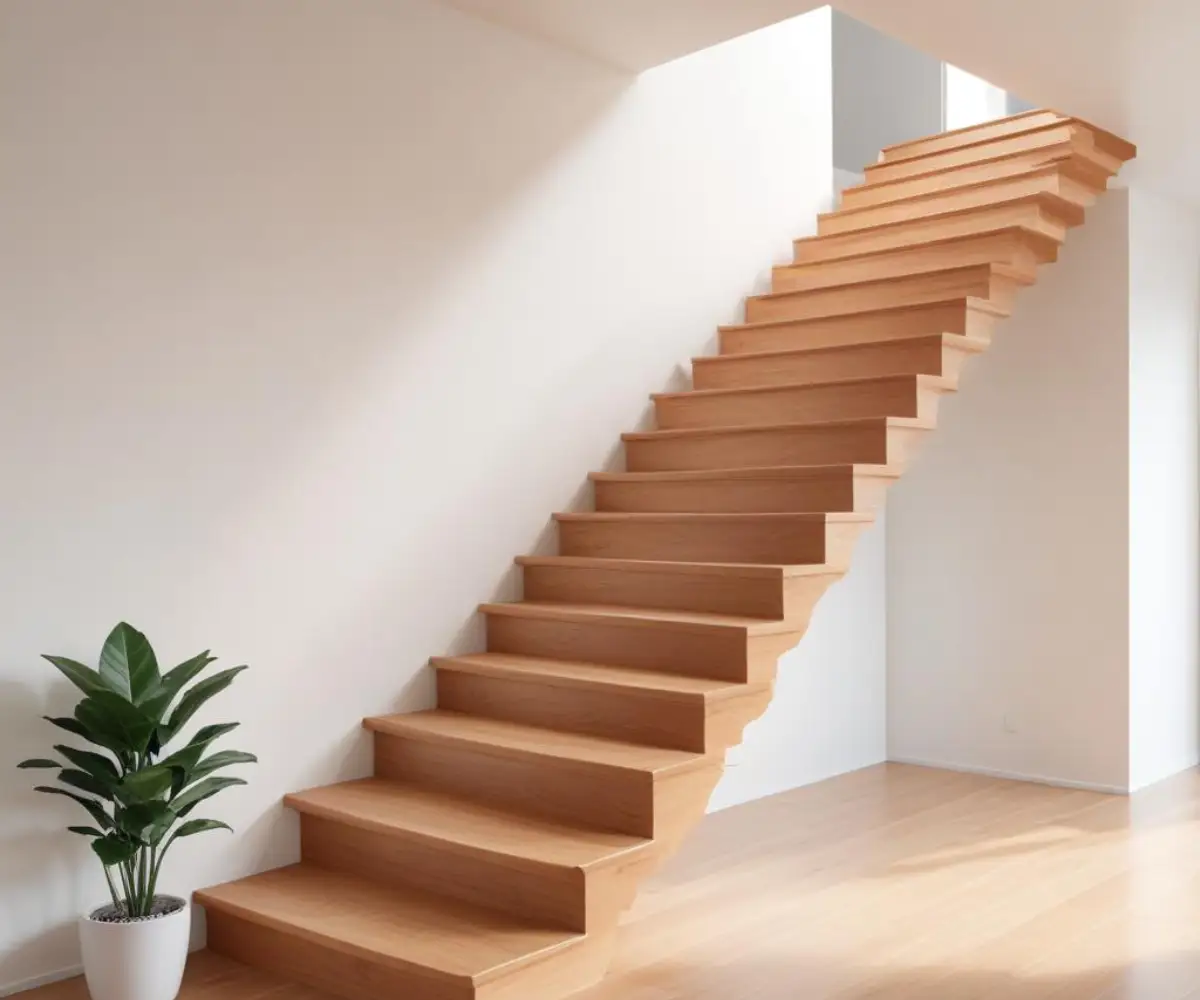
Stairs without a skirt board eliminate this piece entirely. Instead, the stair treads and risers are installed to meet the wall directly, creating a single, clean plane. This minimalist approach demands an exceptionally high level of craftsmanship, as there is no trim to hide imperfections.
The final result is a “floating” or integrated appearance that is sharp, modern, and undeniably sophisticated. It’s a design choice that speaks volumes about attention to detail.
The Pros and Cons of a Skirtless Staircase
Opting for a skirtless staircase is a major design decision with significant benefits and important considerations. This approach can dramatically enhance your home’s modern appeal but requires a commitment to quality craftsmanship and an understanding of its unique maintenance needs.
The primary draw is its superior aesthetic. The clean, uninterrupted lines make a space feel larger, brighter, and more cohesive. It transforms a staircase into a deliberate architectural statement rather than a purely functional element.
However, this elegance comes at the cost of traditional durability. Without a protective board, the wall is more exposed to daily wear and tear. Furthermore, the installation process is far less forgiving than a traditional setup, demanding a higher level of skill and investment upfront.
| Feature | Stairs With Skirt Board (Traditional) | Stairs Without Skirt Board (Modern) |
|---|---|---|
| Aesthetics | Classic, traditional look. Provides a finished, bordered appearance. | Clean, minimalist, and modern. Creates a seamless, architectural look. |
| Installation Complexity | Standard difficulty. The skirt board hides gaps, making it more forgiving. | High difficulty. Requires perfectly plumb walls and precise cuts. |
| Cost | Generally lower due to less intensive labor for finishing work. | Higher initial cost due to the need for highly skilled labor and extensive wall prep. |
| Wall Protection | Excellent. The skirt board acts as a durable bumper against scuffs and impacts. | Poor. The wall is directly exposed to damage from shoes, vacuums, and bags. |
| Maintenance | Skirt board may need repainting or touch-ups. Cutting in while painting the wall is required. | Requires durable, scuff-resistant paint. Frequent cleaning and touch-ups of the wall are likely. |
| Best For | Traditional homes, high-traffic areas with kids or pets, and budget-conscious projects. | Modern and minimalist homes, new construction, and homeowners prioritizing design aesthetics. |
The Secret to a Perfect Skirtless Finish
Achieving a flawless look without a skirt board is not about trying to perfectly butt wood against drywall. That method is a recipe for failure, as natural house settling will inevitably cause cracks and separation over time. The professional approach is far more sophisticated and durable.
The most crucial element is preparing the wall itself. For a truly seamless look, the wall along the staircase must have a Level 5 drywall finish, which is the smoothest possible surface, free of any bumps or imperfections. The wall framing must also be perfectly straight and plumb.
The “Reveal” Technique: The Professional Standard
Instead of a direct connection, high-end builders create a small, intentional gap known as a “reveal.” This is a recessed channel between the edge of the stair treads and the finished wall, creating a crisp shadow line that looks clean and deliberate.
This is typically achieved by installing a metal or vinyl trim piece, like a J-bead or architectural reglet, into the drywall before it is finished. The drywall mud is then feathered up to the edge of the trim. The stair components slide up to this trim, leaving a perfect, consistent gap that adds depth and sophistication.
The reveal is not just an aesthetic choice; it’s a brilliant functional one. It masterfully hides any minor inconsistencies in the wall and allows for independent expansion and contraction between the staircase and the wall, preventing cracks from ever forming.
The Direct Seam: High Risk, High Reward
An alternative, though less stable, method is the direct seam. This involves scribing and cutting each tread and riser with microscopic precision to fit perfectly against the finished drywall. A flexible, high-quality caulk is then used to fill the hairline joint before painting.
This method requires absolute perfection from both the stair installer and the drywall finisher. While it can look stunning initially, it remains highly susceptible to developing cracks over time as the house settles. It is best reserved for situations where a reveal is not possible.
Protecting Your Walls Without a Skirt Board
The most common concern with skirtless stairs is wall damage. Without a protective board, the drywall is vulnerable to scuffs, dents, and dirt. However, with the right materials and a little proactive care, you can keep your walls looking pristine.
The first line of defense is paint. Do not use standard flat or eggshell paint on a wall adjoining a skirtless staircase. You must invest in a premium, scuff-resistant paint designed for high-traffic areas. These modern formulas are highly durable and create a wipeable surface without needing a high-gloss sheen, preserving the minimalist look.
For even greater protection, consider applying a clear, matte-finish protective film to the wall area. These products, often used in commercial spaces, are nearly invisible but provide a robust barrier against impacts and scuffs. This is an excellent solution for households with children, pets, or high traffic.
Is This Modern Design Right for Your Home?
Before committing to this sleek design, it’s vital to consider your lifestyle, home, and budget. For a bustling family with young children, the constant threat of scuffs and marks on the wall might outweigh the aesthetic benefits.
This design is most successfully and cost-effectively implemented during new construction. In a new build, you can ensure the wall framing is perfectly straight and coordinate the drywall and stair installers from the beginning. Adding it to an existing home is a much more complex and expensive renovation.
If you love the clean look but are concerned about durability, there are compromises. You could opt for a very thin, flat-profile steel skirt board that is flush with the drywall. This provides protection while maintaining a minimalist feel. Alternatively, a simple and well-executed finish using quarter round can offer a clean transition that is more traditional but still tidy.
What About Removing an Existing Skirt Board?
If you’re considering retrofitting this look into your current home, be prepared for a significant project. It’s not just a matter of prying off the old board. You will almost certainly have a large, uneven gap and significant wall damage to contend with.
The process involves extensive drywall repair, plastering, and sanding to achieve a perfectly smooth wall surface. You may also need to extend or replace the stair treads and risers to meet the new wall line. For a complete walkthrough of this challenging task, see our detailed guide on how to remove a stair skirt board safely and effectively.
Can This Work With Carpeted Stairs?
The skirtless design is overwhelmingly intended for hard-surface stairs like wood, tile, or steel. When you have carpet on the stairs, a skirt board becomes almost essential. It provides a clean, solid edge for the carpet and tack strip to terminate against, preventing fraying and creating a finished look.
Achieving a clean edge with carpet against a plain drywall wall is exceptionally difficult and not a standard practice. If you desire carpet, the traditional skirted staircase is the most practical and aesthetically pleasing choice.
The Final Verdict on Skirtless Stairs
Stairs without a skirt board represent a pinnacle of modern, minimalist design. They can transform a staircase into a breathtaking architectural feature that enhances the entire home. The look is clean, sophisticated, and speaks to a high level of craftsmanship.
However, this is not a design choice to be made lightly. It demands meticulous planning, a significant investment in skilled labor, and a commitment to using the right materials to ensure long-term beauty and durability.
For those building a new modern home or undertaking a major renovation, the skirtless staircase is an exceptional option that delivers a powerful design impact. It’s a bold statement that proves that sometimes, the most beautiful design is about what you choose to leave out.
