
Stacked Cabinets with 9 Foot Ceilings: Don’t Make This Costly Design Mistake
A nine-foot ceiling in a kitchen is a desirable feature, offering a sense of openness and grandeur. However, this extra height presents a significant design challenge: what do you do with the space above the upper cabinets? Leaving a gap creates a dust trap and can make an expensive kitchen look unfinished.
The solution is not just about filling the space, but doing so elegantly and proportionally. This is where stacked cabinets with 9 foot ceilings become the premier choice for a high-end, custom look. They transform vertical space from a problem into a stunning feature.
You'll Learn About
Why Stacked Cabinets are the Ultimate Solution for 9-Foot Ceilings
Opting for stacked cabinets provides more than just extra storage; it’s a design strategy. This approach offers a seamless, architectural look that elongates the room and adds significant visual appeal. It’s a hallmark of custom kitchen design that speaks to thoughtful planning.
By extending cabinetry to the ceiling, you eliminate the awkward void that plagues many kitchens. This not only resolves the issue of dust accumulation but also creates a more cohesive and intentional design. The result is a kitchen that feels both grander and more polished, leveraging the full potential of its vertical space.
A Clean, Finished Look
The primary benefit of stacked cabinets is the elimination of the dust-collecting gap. This creates a clean, uninterrupted line from countertop to ceiling. The visual effect is one of polish and high-end design, making the entire kitchen feel more integrated and complete.
Enhanced Storage Opportunities
While the upper tier of cabinets may be harder to reach, they provide invaluable storage for less-frequently used items. Think seasonal platters, holiday dishes, or specialty appliances. This frees up more accessible cabinet space for everyday essentials, improving the overall functionality of your kitchen.
The Anatomy of Perfect Stacked Cabinets: Getting the Proportions Right
Achieving the right look with stacked cabinets hinges entirely on proportion. A nine-foot (108-inch) ceiling offers 54 inches of vertical space for upper cabinets, assuming a standard 36-inch countertop height and an 18-inch backsplash. How you divide this space is critical to the final aesthetic.
The goal is to create a balanced look that doesn’t feel top-heavy or awkward. This involves choosing the right combination of cabinet heights and the appropriate size for your crown molding. Thoughtful consideration of these elements ensures the stacked configuration enhances, rather than overwhelms, your kitchen’s design.
Common Cabinet Height Combinations
The key to a well-proportioned stacked design is finding the right ratio between the main upper cabinet and the smaller cabinet above it. A common design principle is to aim for a 2/3 to 1/3 ratio. For a 54-inch total cabinet height, this principle guides you toward combinations that are visually pleasing and balanced.
Popular choices include a 36-inch lower cabinet paired with an 18-inch upper, or a 30-inch lower with a 24-inch upper. Each combination offers a different aesthetic. Taller lower cabinets can create a more traditional feel, while more evenly split combinations can lend a modern touch. The table below outlines some of the most effective combinations.
| Main Cabinet Height | Upper “Stacker” Cabinet Height | Total Cabinet Height | Recommended Crown Molding Height |
|---|---|---|---|
| 36 inches | 15 inches | 51 inches | 3 inches |
| 30 inches | 18 inches | 48 inches | 6 inches |
| 36 inches | 12 inches | 48 inches | 6 inches |
| 42 inches | 12 inches | 54 inches | Minimal or Flush Mount |
The Secret lies in the Middle Rail
A subtle but impactful detail in stacked cabinetry is the horizontal stile, or rail, that separates the two cabinet boxes. Its thickness plays a crucial role in the overall aesthetic. A standard, thin rail offers a streamlined look, while a slightly thicker, more pronounced rail can add a sense of substance and a furniture-like quality to the cabinetry.
This element helps to clearly define the two separate cabinets, enhancing the intentional, layered look. Neglecting this detail can result in a design that feels less custom. Discussing the rail thickness with your cabinet maker is a small step that can make a significant difference in the final outcome.
Designing Your Stacked Cabinets: From Functional to Fabulous
Beyond proportions, the design of the cabinet doors themselves offers a chance to personalize your kitchen. The upper cabinets, being less about daily function and more about form, are the perfect place for decorative elements. This is your opportunity to add character and style to the overall design.
Whether you opt for glass fronts to create a display or solid doors for a uniform look, this choice will define your kitchen’s personality. Consider how these upper cabinets will interact with other elements like lighting and hardware. This is where you can elevate your kitchen from simply functional to truly stunning.
To Glass or Not to Glass?
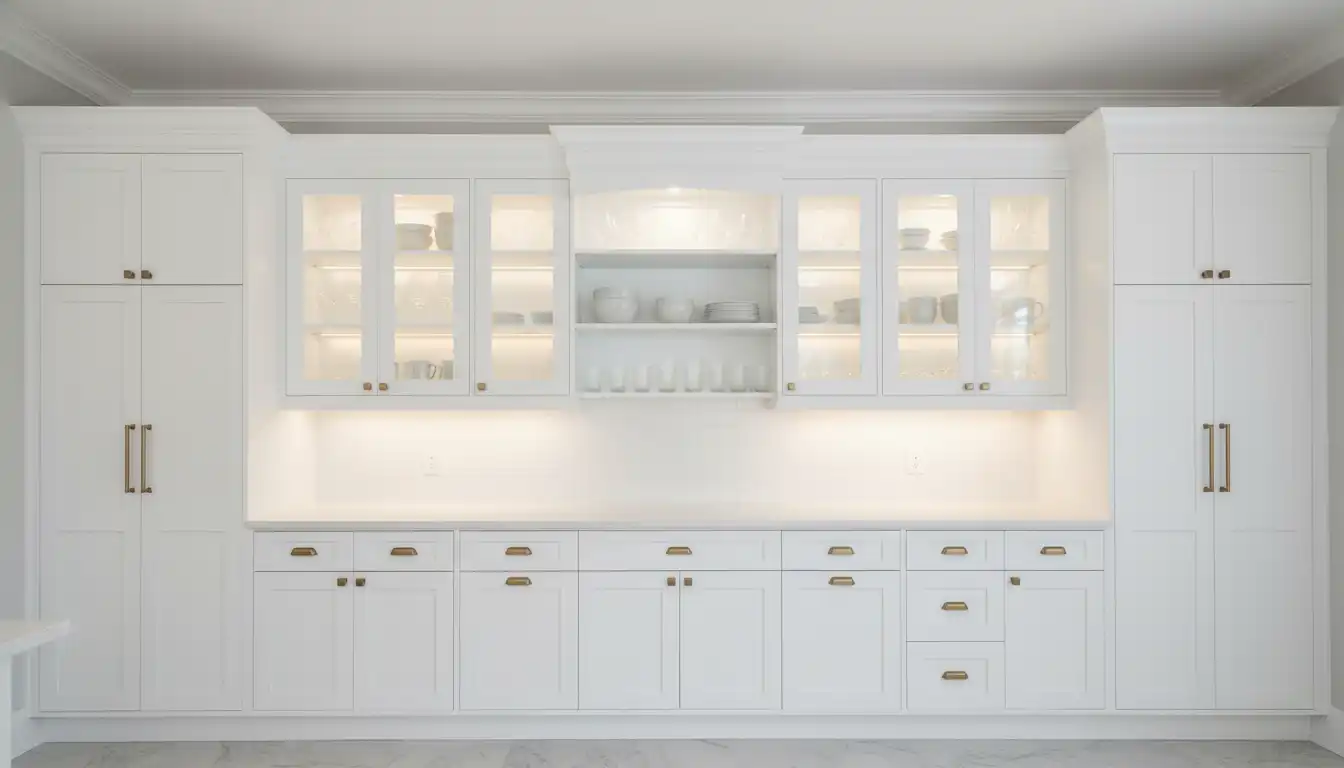
Using glass-front doors on the top-tier cabinets is a classic design choice that offers several advantages. It breaks up the visual weight of a solid wall of cabinetry, creating a lighter, more open feel. This is also an ideal spot to showcase decorative items like vases, heirloom china, or cookbooks.
Adding interior cabinet lighting can transform these spaces into a beautiful focal point, especially in the evening. This feature adds a layer of ambient light to the kitchen, enhancing its atmosphere. Keep in mind that glass doors require a degree of organization, as the contents will be on display.
Crown Molding: The Finishing Touch
Crown molding is the element that seamlessly connects your cabinets to the ceiling. Its style and size are crucial for a polished, built-in look. A simple, clean-lined molding complements a modern or transitional kitchen, while a more ornate, multi-piece molding suits a traditional design.
The size of the molding should be in proportion to the cabinets and the overall room. With nine-foot ceilings, you have space for a more substantial crown, which can add a touch of grandeur. This finishing piece is not just decorative; it’s essential for creating a truly integrated and custom appearance.
Stacked Cabinets vs. Single Tall Cabinets: Which is Better?
When aiming to fill the space to a nine-foot ceiling, another option is a single tall cabinet door. While this creates a very clean, monolithic look, it comes with practical and aesthetic trade-offs. Doors taller than 42 inches, such as 48 inch tall upper kitchen cabinets, are more susceptible to warping over time.
Stacked cabinets, on the other hand, use two smaller, more stable doors, avoiding this issue. This configuration also offers more design flexibility, allowing you to mix solid and glass fronts. The horizontal line created by the stacked design breaks up the vertical expanse, which many find more visually appealing than a single, towering door, a contrast to the simpler needs of spaces using 36-inch cabinets with an 8-foot ceiling.
Budgeting for Your Dream Kitchen: Cost Considerations
It is important to recognize that stacked cabinets represent a premium investment. The cost is higher than standard cabinetry due to the need for additional cabinet boxes, doors, and hardware. The installation is also more complex, which can increase labor costs.
However, this feature significantly impacts the overall look and feel of the kitchen. It is a key element in creating a custom, high-end aesthetic that can enhance your home’s value. When planning your budget, consider stacked cabinets an investment in both function and style.
Are Stacked Cabinets Worth the Investment?
For kitchens with nine-foot ceilings, the answer is a definitive yes. The functional and aesthetic benefits are undeniable. They solve a common design problem while adding significant storage and visual appeal, contributing to the trend of having taller kitchen cabinets for a more dramatic effect.
A kitchen with well-executed stacked cabinetry stands out for its custom, finished look. This feature is often associated with high-end homes and can be a strong selling point, making it a wise investment for both your enjoyment and your home’s long-term value.
A Timeless Choice for a Grand Kitchen
Stacked cabinets are the definitive solution for maximizing the potential of a kitchen with nine-foot ceilings. They turn extra height from a challenge into a beautiful and functional feature. By carefully considering proportions, door styles, and finishing touches like crown molding, you can create a truly custom and timeless kitchen.
This design choice elevates the entire space, giving it a polished, architectural quality. It is a testament to thoughtful design that addresses both aesthetics and practicality. For a kitchen that feels both grand and meticulously planned, stacked cabinets are the superior choice.
