
Solid Surface Shower Walls: The True Review You Can’t Ignore
That dark spot in the corner of your shower isn’t just an eyesore. It’s a colony of mold, thriving in the porous, impossible-to-clean grout lines of your tile shower. Every homeowner with a tile shower knows the endless cycle: scrub, bleach, repeat. You spend hours fighting a losing battle against discoloration and mildew, only for it to return, sometimes worse than before. This isn’t just a cleaning problem; it’s a failure of the material itself.
Grout is the weak link in an otherwise waterproof system. It cracks, stains, and absorbs moisture, creating the perfect breeding ground for bacteria. Beyond the hygiene concerns, failing grout can lead to catastrophic water damage behind your walls, resulting in thousands of dollars in repairs. It’s a frustrating, high-maintenance reality that has left countless people searching for a better way. That better way is found in the sleek, seamless world of solid surface shower walls.
You'll Learn About
What Exactly Are Solid Surface Shower Walls?
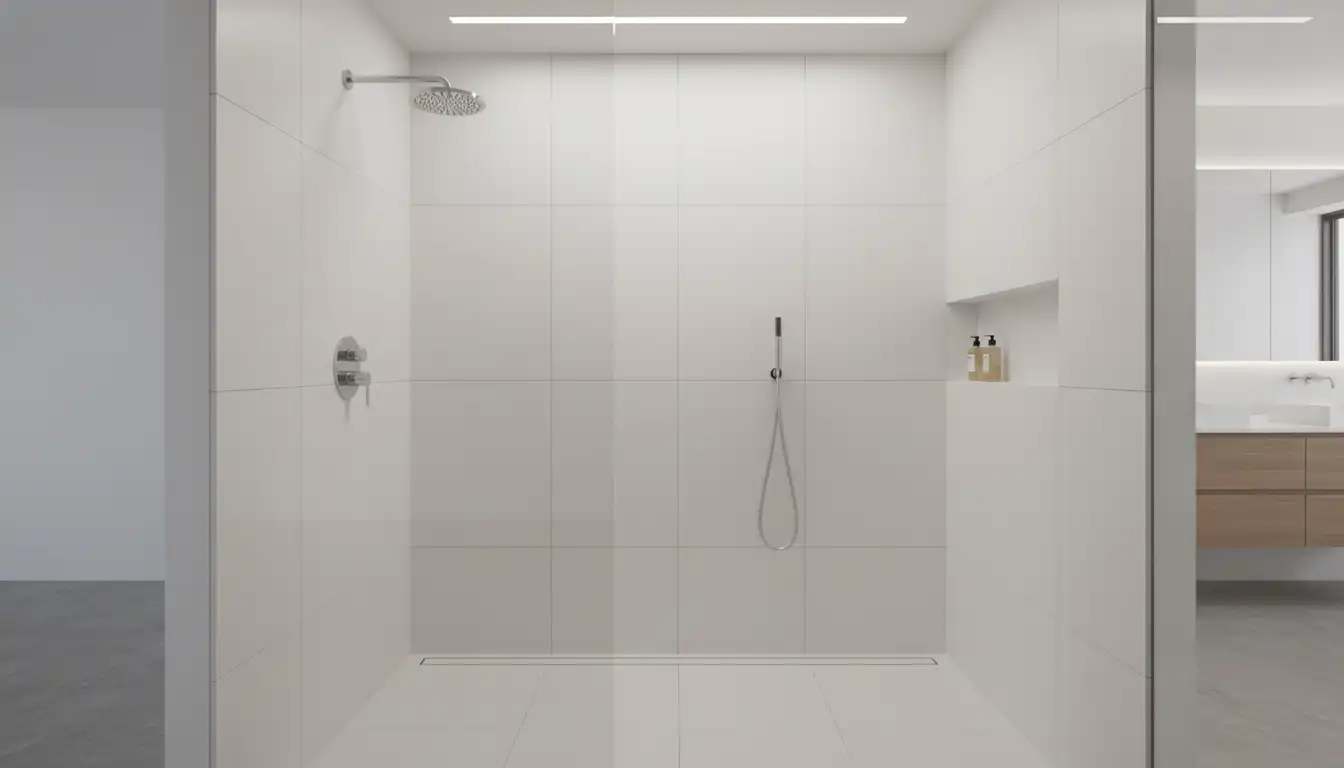
Forget everything you know about traditional shower materials. Solid surface shower walls are crafted from large, seamless panels made from a non-porous, man-made material. This material is typically a blend of natural minerals, durable resins (like acrylic or polyester), and pigments. The result is a completely waterproof and incredibly durable panel that eliminates the need for grout entirely.
Unlike tile, which relies on a complex system of backer board, membrane, thin-set, and grout to keep water out, solid surface panels form an impenetrable barrier in large, continuous sheets. Brands like Corian, Swanstone, and Onyx Collection have become popular choices, offering a vast array of colors and patterns that can mimic natural stone or provide a clean, minimalist look. The beauty lies not just in their appearance, but in their simple, effective function: to provide a beautiful shower that is incredibly easy to maintain.
The Unbeatable Benefits: Why Solid Surface Is Taking Over
Homeowners are increasingly moving away from tile in favor of solid surface materials for a compelling list of reasons. The advantages go far beyond aesthetics, solving the most common and frustrating problems associated with traditional showers.
The number one reason is the complete elimination of grout. This means no more scrubbing moldy lines, no resealing, and no potential for water to seep through cracked grout. Because the surface is non-porous, it naturally resists the growth of mold, mildew, and bacteria, making it a far more hygienic option for your home. Cleaning is reduced to a simple wipe-down with a mild cleaner, saving hours of labor over the life of the shower.
Durability is another key factor. Solid surface panels are resistant to chipping, cracking, and staining. And, because the color and pattern run all the way through the material, minor scratches can often be buffed out, making the surface renewable. This is a stark contrast to tile, where a single cracked tile can compromise the entire wall’s waterproofing and require a difficult repair. The seamless nature also contributes to a more reliable waterproof system, preventing the types of leaks that often lead to a bad shower tile job and costly water damage remediation.
Facing the Facts: The Downsides of Solid Surface
While the benefits are significant, it’s important to have a balanced view. The most notable drawback of solid surface shower walls is the upfront cost, which is generally higher than basic ceramic or porcelain tile. While you save money long-term on maintenance and potential repairs, the initial investment can be a hurdle for some budgets.
Furthermore, this is not a beginner-friendly DIY project. Achieving the perfect, waterproof seams and properly cutting panels to accommodate plumbing fixtures requires skill and precision. Professional installation is highly recommended to ensure the system performs as designed. An improper installation can lead to gaps and potential leaks, defeating the purpose of choosing a seamless system in the first place.
A Head-to-Head Comparison of Top Solid Surface Materials
The term “solid surface” covers several different material compositions, each with unique properties. Understanding these differences is crucial to selecting the right product for your bathroom remodel. While many homeowners compare acrylic vs quartz shower walls, the category is even broader.
| Material | Key Features | Average Cost (Material Only, Per sq. ft.) | Best For |
|---|---|---|---|
| Acrylic | Lightweight, budget-friendly, often comes in kits. | $15 – $30 | Standard-size showers and budget-conscious renovations. |
| Engineered Quartz | Extremely durable, scratch-resistant, luxurious stone look. | $50 – $100+ | High-end bathrooms seeking the look of natural stone without the maintenance. |
| Cultured Marble | Affordable “stone look,” often with an integrated gel coat for shine and protection. | $20 – $45 | Achieving a classic marble aesthetic on a moderate budget. |
| Composite/Reinforced Solid Surface (e.g., Swanstone) | Compression-molded for superior strength and heat resistance. | $30 – $60 | Heavy-use showers where extreme durability is the top priority. |
Beyond the Brochure: Real User Reviews and Hidden Issues
Online forums and homeowner reviews paint a clear picture. The overwhelming majority of people who switch to solid surface walls are thrilled with the decision. Phrases like “cleaning is a breeze” and “I’ll never have a tile shower again” are incredibly common. Users consistently praise the low maintenance and the peace of mind that comes with a grout-free, mold-resistant shower.
However, some complaints do surface. The most frequent issues are related to installation errors, such as visible or poorly sealed seams. Another less common complaint is that high-gloss finishes can be prone to showing water spots and require more frequent wiping down. Some users also note that while the material is durable, it’s not indestructible and can be scratched by abrasive cleaners or sharp objects, though these can often be repaired.
The Unspoken Risk: Thermal Expansion and Installation
One critical factor that is rarely discussed in consumer-level reviews is thermal expansion. Solid surface panels, particularly acrylic and other polymer-based composites, will expand and contract slightly with the significant temperature swings of a hot shower. This is a completely normal property of the material, but it must be accounted for during installation.
A professional installer will leave a small, specific gap at the corners and edges and use a high-quality, 100% silicone sealant that remains flexible. This allows the panels to move without putting stress on the seams or the panel itself. Using a rigid adhesive or failing to leave this expansion gap can, over many cycles of heating and cooling, lead to bowed panels or failed seams. This is a technical detail that separates an expert installation from a potential failure down the road.
Installation Insights: What a Professional Knows
A successful solid surface shower installation is all about preparation and precision. The process is faster than tiling but leaves less room for error. A flawless result depends on a few key steps that a professional installer will never skip.
First and foremost is ensuring the walls are perfectly plumb and flat. Large panels will not conform to wavy or bowed walls, leading to gaps and adhesion problems. The installer will spend significant time preparing the substrate, often using shims to create a true surface. This meticulous prep work is the foundation of a seamless finish.
Using the manufacturer-specified adhesive and sealant is also non-negotiable. These products are formulated to work together, ensuring proper adhesion and flexibility. The right sealant is also crucial for preventing leaks and maintaining a waterproof barrier, especially where the walls meet the shower pan. Proper shower door placement on the curb is the final step in ensuring the entire system is watertight.
The Final Verdict: Is a Solid Surface Shower Worth Your Investment?
When you weigh the pros and cons, solid surface shower walls present a compelling case. They solve the most persistent and frustrating problem of traditional tile showers: the maintenance, failure, and hygiene issues associated with grout. While the initial cost is higher, the long-term value is undeniable.
Consider the money saved on specialized grout cleaners, the time saved from endless scrubbing, and the prevention of costly repairs from water damage. For homeowners who prioritize ease of maintenance, cleanliness, and long-term durability, a solid surface shower is an excellent investment. It offers a modern, high-performance solution that transforms the daily shower experience from a chore to a pleasure.
Frequently Asked Questions
What are solid surface shower walls?
Solid surface shower walls are panels made from a blend of mineral dust, resins, and pigments. This creates a non-porous material that is waterproof and resistant to mold and mildew. Unlike tile, these panels are installed in large sheets, resulting in a seamless appearance with no grout lines.
How do you clean solid surface shower walls?
Cleaning solid surface shower walls is relatively simple due to their non-porous nature. For daily cleaning, a soft cloth or sponge with mild soap and water is sufficient. Avoid using harsh, abrasive cleaners or scouring pads that could scratch the surface.
How long do solid surface shower walls last?
With proper care, solid surface shower walls can last for 30 years or more. Their longevity is attributed to their durable, non-porous composition which resists water damage and daily wear. The lifespan can be influenced by the quality of the installation and the consistency of maintenance.
Are solid surface shower walls better than tile?
Solid surface walls offer advantages over tile, particularly in terms of maintenance. They are grout-free, which eliminates the need for scrubbing grout lines and reduces the risk of mold and mildew growth. While tile offers more design variety, solid surface provides a seamless, waterproof, and durable option that is often easier to keep clean.
What are the main disadvantages of solid surface shower walls?
The primary disadvantages of solid surface shower walls include a higher initial cost compared to materials like acrylic or fiberglass. They can also be susceptible to scratches and are sensitive to harsh cleaning agents. Additionally, professional installation is often required, which can add to the overall project cost.
