Snake a 90 Degree Pipe? Your #1 Guide to Unclogging It
There’s nothing quite like the sinking feeling of a backed-up drain. But when you’re facing a clog hidden behind a sharp 90-degree pipe bend, that simple frustration can quickly turn into a plumbing nightmare. These tight turns are notorious for stopping drain snakes dead in their tracks.
Navigating these elbows requires more than just force; it demands the right tools and a specific technique. Pushing too hard can cause the snake to kink, bend back on itself, or even damage your pipes, leading to a much costlier repair. This guide will provide the expert-level strategy you need to conquer these tricky clogs safely and effectively.
Why That 90-Degree Bend Is a Drain Snake’s Worst Enemy
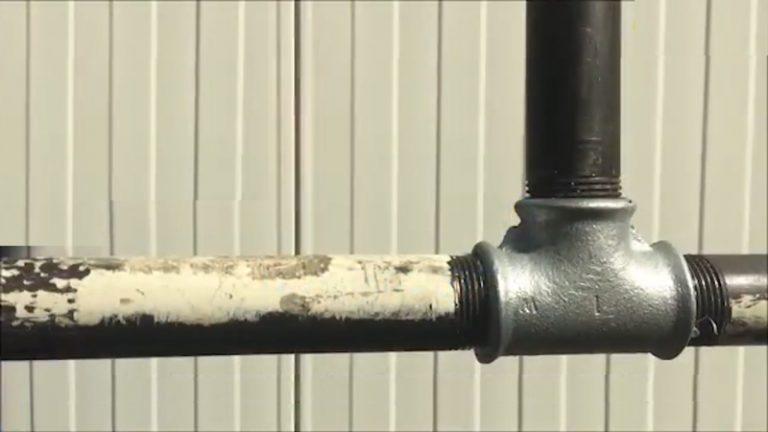
A 90-degree bend, often called an elbow, is a necessary part of your plumbing system, designed to route pipes around obstacles and direct water flow. However, its sharp angle creates a significant point of friction and resistance for a flexible drain snake. The head of the auger can easily get stuck or fail to make the turn entirely.
Forcing the snake can cause the cable to double back on itself or become wedged inside the pipe. This not only fails to clear the clog but can also make retrieving the snake incredibly difficult. Understanding this challenge is the first step toward overcoming it without calling a plumber.
The Secret Pros Use: Cable Memory and Acoustic Feedback
Professionals rely on subtle techniques that go beyond basic instructions. One such technique involves using the snake cable’s “memory.” Before inserting the snake, you can create a slight, deliberate curve in the first few inches of the cable in the direction you want it to go. This pre-bend helps guide the auger head naturally around the corner.
Another pro-level skill is listening to your pipes. As you feed the snake, pay close attention to the sounds. You can often hear the tip scraping along the pipe walls, and the sound will change distinctly as it approaches and makes contact with the 90-degree elbow. This acoustic feedback tells you precisely when to slow down and adjust your technique.
Choosing Your Weapon: Not All Drain Snakes Are Created Equal
The success of this job heavily depends on selecting the right tool. Using an undersized or overly rigid snake is a common mistake that leads to failure. The ideal snake needs to be flexible enough to navigate the bend but strong enough to break up the clog.
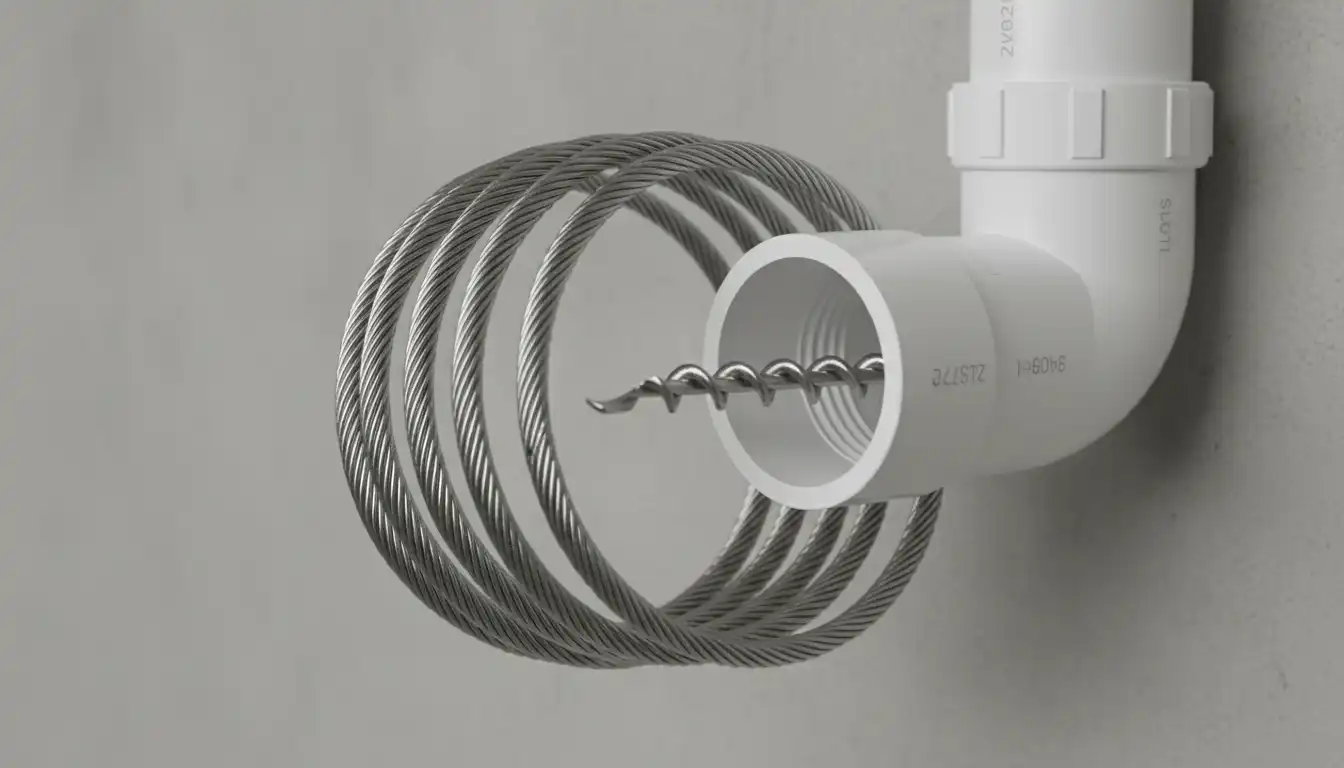
For most household sink, shower, and tub drains, a manual or electric drain auger with a 1/4-inch or 3/8-inch cable is the best choice. These offer a good balance of flexibility and power. For tougher clogs or larger pipes, a more powerful electric auger might be necessary.
Comparing Drain Auger Types for Tight Bends
To help you decide, here is a breakdown of common drain snake types and their suitability for navigating sharp turns. Choosing the right one can make the difference between a quick fix and a frustrating afternoon.
| Tool Type | Best For | Flexibility | Effectiveness on 90° Bends |
|---|---|---|---|
| Manual Hand Auger (1/4″) | Sinks, showers, tubs | High | Good, with proper technique |
| Drum Auger (Electric/Manual) | Kitchen sinks, larger drains | Moderate | Excellent, provides rotational force |
| Toilet Auger (Closet Auger) | Toilets only | Low (by design) | Not suitable for other drains |
| Flat Tape Snake | Very small diameter pipes | Moderate | Fair, but can kink easily |
The Step-by-Step Technique to Conquer the 90-Degree Turn
With the right tool in hand, success now comes down to technique. Patience and finesse are more important than brute force. Rushing the process is the fastest way to get your snake stuck or damage the pipe.
Follow these steps carefully for the best results. The goal is to gently guide the snake around the bend, not force it through. This methodical approach will save you time and prevent unnecessary complications.
Step 1: Prepare Your Workspace
Before you begin, place towels or a bucket under the drain opening to catch any water or debris. If you are working under a sink, it’s often best to remove the P-trap first. This gives you direct, straight access to the pipe in the wall and eliminates one of the tightest bends before you even start, which can sometimes be the source of the issue if your sink won’t drain after cleaning the P-trap.
Step 2: Insert the Snake Slowly
Feed the snake’s cable into the drain opening by hand. Do not rotate the handle yet. Push the cable in gently but firmly until you feel it stop. This initial resistance is likely the 90-degree elbow.
Step 3: Maneuver Through the Bend
Once you hit the bend, pull the snake back about four to six inches from the drain opening. Now, begin to turn the handle clockwise at a slow, steady pace. While turning, apply light, consistent forward pressure on the cable.
The combination of rotation and gentle pressure helps the snake’s head “walk” around the inside curve of the pipe. You may need to slightly pull back and push forward a few times. If it’s still not working, try rotating the handle counter-clockwise briefly to make the head bobble and find a new angle to proceed.
Step 4: Address the Clog
After successfully navigating the bend, the snake should move more freely until it reaches the actual blockage. When you feel a softer resistance, you’ve found the clog. Continue turning the handle clockwise to allow the auger to break up or hook onto the debris.
If you feel the snake has grabbed onto the clog, slowly retract it while continuing to rotate. For stubborn clogs, you may need to work the snake back and forth several times to fully clear the obstruction.
Troubleshooting: What to Do When Your Snake Gets Stuck
Even with the best technique, a drain snake can still get stuck. If this happens, do not panic and do not pull with excessive force. This can wedge the snake head tighter or damage the cable.
Instead, try rotating the handle counter-clockwise. This can sometimes release the auger’s head from whatever it is caught on. Gently jiggling the cable back and forth can also help dislodge it. If these attempts fail, it may be time to call a professional plumber to avoid causing more serious damage.
Preventing Future Clogs in Problematic Pipes
Once your drain is clear, the focus should shift to prevention. Pipes with sharp bends are naturally more prone to clogs. Being mindful of what goes down your drains is the most effective strategy.
Avoid pouring grease, coffee grounds, or fibrous food waste down the kitchen sink. In the bathroom, use a hair catcher over the shower drain. Be especially careful that foreign objects don’t find their way down the drain, as even a seemingly harmless issue like toilet paper in the shower drain can build up and cause a stubborn blockage in a tight corner.
When DIY Isn’t the Answer: Knowing When to Call a Pro
While snaking a 90-degree pipe is often a manageable DIY task, there are times when professional help is necessary. If you’ve tried the techniques above and the clog won’t budge, or if your snake gets stuck and you can’t retrieve it, it’s time to call a plumber.
Recurring clogs can also be a sign of a more significant issue further down the line, such as tree root intrusion or a collapsed pipe. A professional plumber has advanced diagnostic tools, like inspection cameras, to identify the true cause of the problem and provide a permanent solution.
Frequently Asked Questions
Can you use a drain snake on a 90-degree pipe?
Yes, drain snakes are designed to be flexible enough to navigate turns in pipes, including 90-degree elbows. However, successfully getting a snake through a sharp bend can sometimes be challenging and may require some technique. Using the correct size of snake and not forcing it are key to avoiding damage to your pipes.
What size drain snake is best for 90-degree turns?
The best size depends on the diameter of the pipe you are clearing. For smaller drains like those in sinks and bathtubs, a quarter-inch coil is generally flexible enough to make tight turns. For larger pipes like main sewer lines or toilets, a snake with a 3/8-inch coil or larger is recommended.
How do you get a snake past a 90-degree bend?
When you feel the snake stop at what you suspect is a 90-degree turn, slowly rotate the handle clockwise. If you still can’t get past the bend, you can try cranking it in reverse to make the head move back and forth until it finds the correct angle to proceed. It’s important to be patient and avoid using excessive force, which could damage the pipe.
Should I use a manual or an electric drain snake?
For smaller, shallower clogs, a manual drain snake is often sufficient and affordable. For more stubborn blockages located deeper in the pipes, an electric auger can provide the extra power needed to break them up and make the job less strenuous. Some manual snakes can even be attached to a power drill to help with tougher clogs.
What if the snake gets stuck at the bend?
If the snake won’t go past the 90-degree turn, don’t force it. Try gently rotating the snake in both directions to help the head find the opening. If the cable begins to coil on itself, pull back slightly before trying to advance again. If you’re still unable to get past the bend or clear the clog, it may be time to call a professional plumber.