
Small Gray Mushrooms in Your Yard? Here’s What It Means
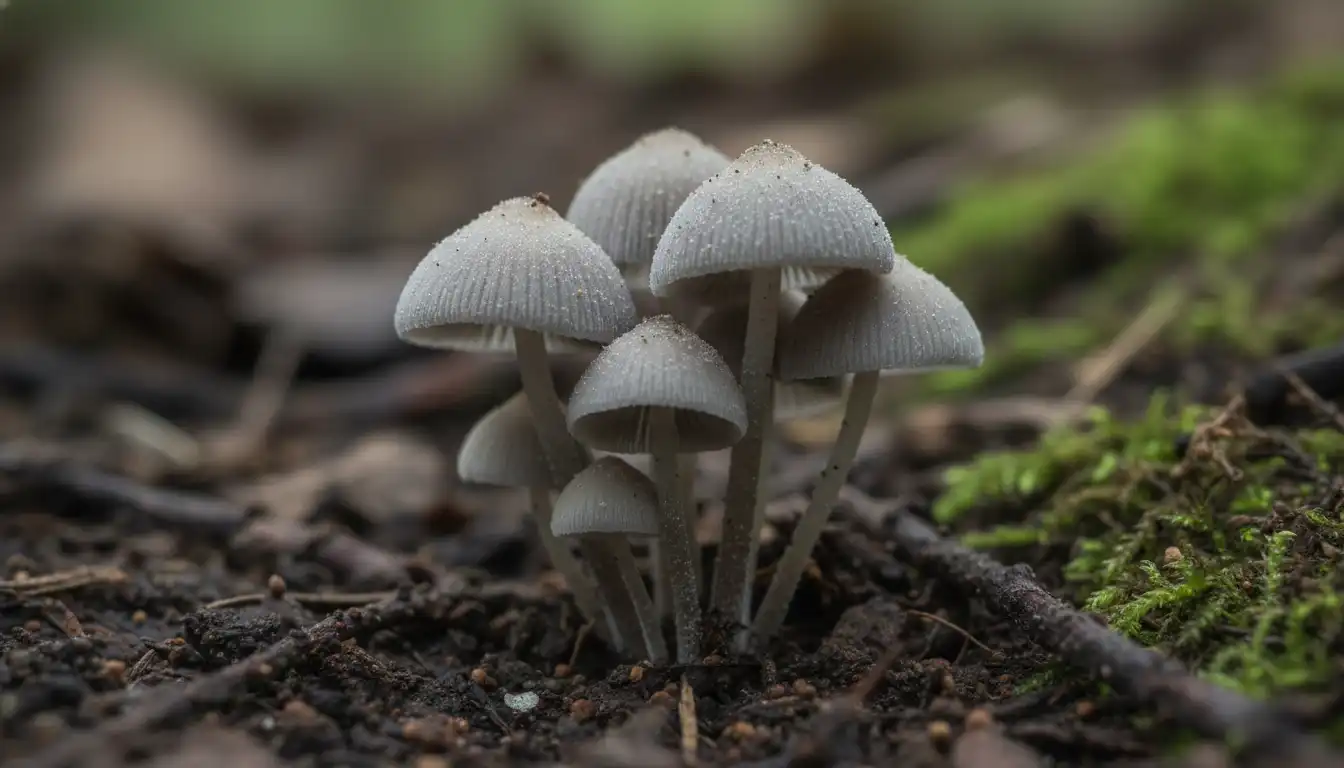
You step out into your garden after a few days of damp weather, and there they are: a sudden cluster of small, unassuming gray mushrooms scattered across your lawn or mulch bed. For many homeowners, this sight triggers a wave of questions and concerns. Are they dangerous? Are they a sign of a sick lawn? And most importantly, how do you get rid of them?
The appearance of these mysterious fungi can be unsettling, but it’s often a signal of something positive happening just beneath the surface. These small gray mushrooms are typically the fleeting, visible part of a vast, hidden network that is actively working to create healthier, more fertile soil in your garden. Understanding their role is the first step to managing them effectively.
You'll Learn About
Decoding the Mystery: Why Small Gray Mushrooms Appear
Mushrooms are simply the fruiting bodies of a much larger fungal organism called mycelium, which exists as a web of thread-like structures in the soil. When conditions are right, this network sends up mushrooms to release spores and reproduce. Their sudden appearance is almost always linked to a combination of moisture, shade, and a food source.
Several factors create the perfect breeding ground for these fungi. Abundant moisture from recent rain, overwatering, or areas with poor drainage is the primary trigger. Combine this with shady spots under trees or near buildings and a ready supply of organic matter, and you have a recipe for a mushroom bloom.
The Underground Feast: What Fungi Eat
These types of fungi are saprophytic, meaning they are decomposers. Their job is to break down dead organic material. In a typical home and garden setting, their food source can be anything from buried wood and old tree roots to decaying leaves, grass clippings, excess thatch in the lawn, or even rich, organic mulch.
Modern landscaping practices often inadvertently create a perfect buffet for these organisms. When trees are removed but roots are left behind, or when thick layers of wood chip mulch are used, it provides a long-lasting food source that encourages a healthy and active fungal population beneath the soil.
Friend or Foe? Assessing the Impact on Your Garden
The most pressing question for any gardener is whether these mushrooms are harmful. In most cases, the answer is a resounding no. The presence of these decomposer fungi is a hallmark of healthy, biologically active soil. They play a vital role in nutrient cycling by breaking down tough organic materials and converting them into nutrients that your plants can absorb.
Think of them as nature’s recyclers. They are essential partners in building rich, fertile soil that supports robust plant growth. However, this beneficial role comes with a significant and critical warning that cannot be overstated.
The Critical Safety Warning: Toxicity to Humans and Pets
Never, under any circumstances, should you or anyone in your family attempt to eat a wild mushroom found growing in your yard. Many species of small gray mushrooms are toxic, and some can be deadly. Misidentification is a common and dangerous mistake, as poisonous varieties can look strikingly similar to edible ones.
This risk is especially high for curious children and pets, who may be tempted to taste one. If you have young children or pets that play in the yard, it is safest to remove the mushrooms as soon as they appear to eliminate any chance of accidental ingestion.
Your Action Plan: How to Manage Small Gray Mushrooms
While mushrooms are a sign of a healthy ecosystem, their presence may not be welcome due to safety concerns or aesthetic preferences. Management strategies should focus on altering the conditions that allow them to thrive, rather than resorting to chemical fungicides, which can harm beneficial soil life.
The most effective approach is a long-term one. Just as you would ensure proper ventilation in your home to prevent issues like smoke lingering or rising, managing your yard’s ecosystem requires a proactive approach to air and water flow. For example, a well-maintained home environment might consider an upgrade like understanding how to stop smoke from going upstairs, and similarly, a well-maintained yard involves addressing core environmental factors.
Immediate and Long-Term Solutions
For immediate removal, simply put on a pair of gloves and pluck the mushrooms from the ground. You can also mow over them. It is crucial to dispose of the mushroom pieces in the trash, not your compost bin, as this can spread the spores to other areas of your garden.
For long-term control, focus on three key areas: moisture, food, and sunlight. Water your lawn deeply but infrequently, and do so in the morning so the grass has time to dry. Improve drainage in soggy areas and aerate your lawn annually to reduce soil compaction. Reduce their food source by removing old stumps, dethatching your lawn, and raking up leaves and grass clippings promptly. Finally, increase sunlight and air circulation by pruning dense tree canopies and shrubs.
| Management Method | Best For | Pros | Cons |
|---|---|---|---|
| Physical Removal (Plucking/Mowing) | Immediate control, safety for pets/kids. | Fast, easy, and chemical-free. Instantly removes the hazard. | Temporary solution; doesn’t address the underlying fungus. |
| Improve Drainage & Aeration | Lawns with compacted soil or standing water. | Long-term prevention, improves overall lawn health. | Requires effort and specialized tools (aerator). |
| Reduce Organic Debris | Yards with old stumps, thick thatch, or leaf litter. | Removes the fungus’s food source for lasting control. | Can be labor-intensive (stump removal, dethatching). |
| Increase Sunlight | Shady, damp areas under trees. | Reduces moisture and creates less favorable growing conditions. | May require professional tree trimming. |
| Chemical Fungicides | Generally not recommended for this issue. | Can kill the fruiting body. | Ineffective against the vast underground mycelium; can harm beneficial soil microbes. |
Identifying Common Small Gray Mushrooms (A Word of Caution)
While precise identification should be left to experts, recognizing common types can help you understand what’s happening in your soil. The information below is purely for educational purposes. It is not a guide for edibility. Assume all wild mushrooms are toxic.
Many of the small gray mushrooms found in gardens belong to a few common groups. Their presence often tells a story about the specific conditions in that part of your yard, offering clues to more effective management.
Common Types and What They Indicate
One of the most frequent visitors is the Common Ink Cap (Coprinopsis atramentaria). These mushrooms appear in tight clusters, often near buried wood or old stumps. They have bell-shaped gray-brown caps that famously dissolve into a black, inky goo as they mature. Seeing these is a strong indicator of decaying wood under the soil’s surface.
Another delicate variety is the Pleated Inkcap (Parasola plicatilis). These are very small, fragile mushrooms with distinctly pleated caps that resemble tiny umbrellas. They often pop up in grassy areas after rain and may disappear within a day. Their presence simply indicates moist, rich soil.
The genus Mycena, often called Bonnets or Fairy Helmets, includes many species of small, conical gray or brownish mushrooms. Like Ink Caps, they are decomposers that thrive on decaying organic material. They are a sign that your soil’s natural recycling processes are in good working order.
Frequently Asked Questions About Garden Mushrooms
Navigating the world of garden fungi can lead to many questions. Here are answers to some of the most common queries from homeowners.
Are small gray mushrooms a sign of a dying lawn?
On the contrary, they are usually a sign of a living, healthy soil ecosystem. The fungi are breaking down organic matter, which releases nutrients that feed your grass. The problem is typically aesthetic or a safety concern, not an issue of lawn health.
Will fungicides get rid of the mushrooms for good?
Fungicides are generally an ineffective and unnecessary solution for lawn mushrooms. They only target the visible mushroom, not the extensive mycelial network underground. Addressing the environmental conditions—moisture, food, and light—is a far more effective long-term strategy.
Why do mushrooms sometimes appear in a circle (fairy ring)?
A fairy ring is formed as the underground mycelium grows outward from a central point. As it expands, it depletes nutrients in its wake, causing it to fruit only at the outer edge of the circle. This creates the classic ring of mushrooms you see on the surface.
Can I ever eat the gray mushrooms in my yard?
To be perfectly clear: no. The risk of misidentification is far too high, and the consequences of eating a poisonous mushroom can be severe, leading to illness, organ damage, or worse. Always source mushrooms from a reputable grocer or an expert forager.
Conclusion: A Sign of Life, Not Decay
Discovering small gray mushrooms in your home and garden should be a moment of understanding, not alarm. These fungi are not pests but powerful evidence of a healthy, functioning ecosystem right beneath your feet. They are tirelessly working to enrich your soil and support the health of your plants.
The primary concern is always safety—preventing accidental ingestion by children and pets. By practicing simple removal and focusing on long-term cultural controls like proper watering, yard cleanup, and improving sunlight exposure, you can manage their presence effectively. View these fleeting visitors not as an invasion, but as a fascinating and beneficial part of the natural world thriving in your own backyard.
