
Sloped Backyard Flooding? Reclaim Your Yard With These Pro Tips
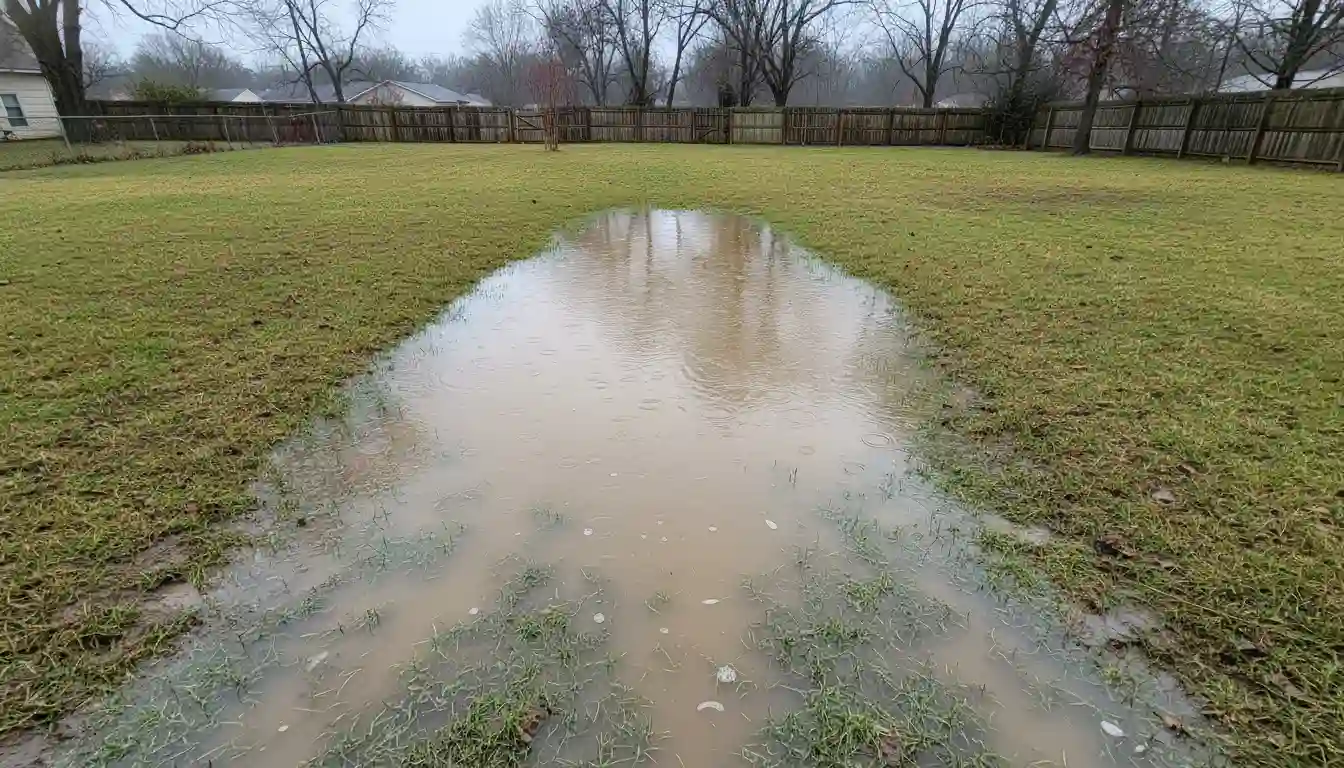
A sloped backyard should be a stunning landscape feature, a canvas for beautiful gardens or a fun place for kids to play. But after a heavy rain, it can transform into a soggy, unusable swamp. If you’re tired of seeing water pooling at the bottom of your hill, dealing with soil erosion, or navigating a muddy mess, you’re not alone. This is a common headache for homeowners, but the good news is that it’s entirely fixable.
Understanding and controlling the flow of water on your property is the key to transforming that frustrating floodplain back into the beautiful, functional yard you envisioned. With the right strategies, you can stop the flooding, protect your home’s foundation, and create a healthier, more resilient landscape.
You'll Learn About
Why Your Sloped Yard Turns Into a Lake
Before you can fix the problem, you need to understand why it’s happening. Water is relentless and will always follow the path of least resistance. On a sloped yard, several issues can create the perfect conditions for flooding.
Improper Grading and Compacted Soil
The most common culprits are poor grading and compacted soil. Ideally, your yard should have a gentle, consistent slope that directs water away from your house. However, slopes often have subtle dips and low spots where water naturally collects. If your yard has high-clay content soil or areas with heavy foot traffic, the ground can become heavily compacted, preventing rainwater from soaking in and forcing it to run down the surface, collecting at the bottom.
Runoff from Roofs and Neighbors
Your home’s roof collects a massive amount of water during a storm. If your gutters and downspouts are dumping all that water directly onto the slope without proper direction, it can easily overwhelm the landscape. Similarly, water runoff from a neighbor’s higher-elevation property can significantly contribute to your flooding issues, sending a river of water into your yard.
Reading the Land: Your First Step to a Drier Yard
To choose the right solution, you need to become a water detective. The best time to investigate is during a moderate to heavy rainstorm. Grab an umbrella and watch where the water is coming from and where it’s going. You’ll see exactly where runoff is flowing fastest and where it begins to pool.
You should also check your soil’s absorption rate. Dig a small hole about one foot deep and fill it with water. If it takes more than a few hours to drain, your soil is likely compacted and not absorbing water efficiently. This simple observation can tell you whether you need to focus on redirecting water or improving the soil itself.
Solution 1: Master Water Flow with Smart Landscaping
Often, the best way to manage water is to work with it, not against it. Landscaping solutions can be both highly effective and beautiful, turning a drainage problem into a stunning garden feature.
Create a Dry Creek Bed
A dry creek bed is one of the most popular and aesthetically pleasing ways to manage runoff. This is essentially a shallow trench, lined with landscape fabric and filled with stones of various sizes, that mimics the look of a natural stream. It creates a defined channel for water to flow through, directing it away from problem areas to a suitable outlet, like a storm drain or a rain garden.
Install Swales and Berms
For a more subtle approach, consider building swales and berms. A swale is a wide, shallow ditch with gently sloping sides, often planted with grass or native plants. It works by slowing down water flow and allowing it to soak into the ground. A berm is a raised mound of soil, often created with the dirt excavated from the swale, that acts as a barrier to redirect water into the swale.
Terrace the Slope
For very steep slopes, terracing is an excellent solution. This involves building a series of short retaining walls to create level “steps” down the hill. Terracing dramatically slows down water flow, almost completely stopping erosion. It also creates beautiful, functional planting areas for gardens or small lawns.
Solution 2: Improve Your Soil’s Thirst for Water
If your investigation revealed compacted soil, redirecting water is only half the battle. You also need to help the ground absorb more moisture. Improving your soil’s health can make a huge difference in reducing surface runoff.
Aerate and Amend
Core aeration is the process of pulling small plugs of soil out of your lawn. This relieves compaction, allowing air, water, and nutrients to penetrate deeper into the ground. Following up aeration by spreading a layer of rich compost over your lawn will further improve the soil structure, making it act more like a sponge.
Plant Deep-Rooted Vegetation
The right plants can be powerful allies in the fight against erosion and flooding. Plants with deep, fibrous root systems are excellent for holding soil in place and creating natural channels for water to travel into the ground. Consider planting native grasses, shrubs, and perennials on your slope. These plants are adapted to local rainfall conditions and require less maintenance once established.
Solution 3: Engineered Drainage for Serious Water Problems
When landscaping and soil improvement aren’t enough to handle the volume of water, it may be time to consider a more robust, engineered drainage system.
Install a French Drain
A French drain is a highly effective, classic solution for severe water issues. It consists of a perforated pipe surrounded by gravel, buried in a trench. As groundwater and surface water seep into the trench, it enters the pipe and is channeled away from your yard. This is a fantastic option for capturing water across a large area or intercepting runoff coming from uphill. For more details on this powerful tool, you can explore how a French drain can stop uphill water.
Build a Rain Garden
A rain garden is a specially designed depression in your landscape that collects rainwater runoff. It’s filled with water-tolerant native plants and a special soil mix that allows water to soak into the ground quickly. Rain gardens are a fantastic, eco-friendly way to manage water from downspouts or the end of a dry creek bed, while also creating a beautiful habitat for pollinators.
| Drainage Solution | Estimated Cost | DIY Effort | Best For |
|---|---|---|---|
| Soil Aeration & Amending | Low | Low-Moderate | Compacted soil and moderate runoff. |
| Dry Creek Bed | Moderate | Moderate | Channeling concentrated water flow beautifully. |
| Rain Garden | Low-Moderate | Moderate | Collecting runoff from downspouts and other drains. |
| French Drain | High | High (Pro Recommended) | Severe, widespread water issues and soggy lawns. |
| Terracing | High | High (Pro Recommended) | Steep slopes with significant erosion problems. |
Long-Term Prevention: Keeping Your Yard Dry for Good
Once you’ve implemented a solution, a little regular maintenance will ensure your sloped yard stays flood-free. Always keep your gutters clean to prevent them from overflowing. Ensure your downspout extensions are directing water at least 10 feet away from your home’s foundation and into your new drainage system.
Continue to monitor your yard during storms. Over time, you may need to make small adjustments, but by actively managing where the water goes, you can maintain control and enjoy a beautiful, dry, and stable backyard for years to come.
Frequently Asked Questions
Why is my sloped backyard flooding?
Sloped yards can flood due to several factors, including heavy rainfall overwhelming the natural drainage capacity of the land. Improper grading, where the yard slopes towards your house instead of away from it, can also cause water to pool. Additionally, dense soil types like clay can prevent water from being absorbed, leading to surface runoff and flooding.
What are some effective solutions for a flooded sloped backyard?
Effective solutions include installing a French drain, which is a trench with a perforated pipe that redirects water. Regrading the yard to ensure a proper slope away from your home’s foundation is another crucial step. Other options include building retaining walls to control water flow and prevent erosion, or creating swales, which are shallow channels that direct runoff.
How can I tell if I have a drainage problem?
Signs of a drainage problem in your sloped yard include standing water that remains long after rain, soil erosion, and water seeping into your basement. You might also notice persistent puddles or areas where the grass and plants are struggling to grow due to waterlogged soil. Observing your yard during a heavy rainstorm can help you identify where water is pooling and not draining properly.
Can I fix a sloped backyard flooding issue myself?
Some drainage solutions can be DIY projects for homeowners. Installing downspout extensions to direct gutter water away from the house is a simple and effective measure. Creating a rain garden with water-loving plants can also help absorb excess moisture. For smaller issues, digging a simple gravel-filled trench can alleviate minor pooling.
When should I call a professional for my sloped backyard flooding?
If you have significant standing water, especially near your home’s foundation, it’s wise to consult a professional. Landscaping contractors and drainage specialists can assess the problem and recommend the best course of action, which may include major work like regrading the yard or installing a more complex drainage system like a French drain. These experts can ensure the solution is effective and complies with local regulations.
What is the cost to fix a sloped backyard flooding problem?
The cost to address backyard flooding varies widely depending on the solution. Simpler fixes like extending downspouts can be very inexpensive. However, for more comprehensive solutions, a French drain can cost between $10 to $50 per linear foot, while professional regrading can range from $1,000 to $3,000 or more depending on the size of your yard.
A Final Word
Dealing with a sloped backyard that floods can be incredibly disheartening. But by identifying the root causes and choosing the right combination of solutions—from simple soil improvements to more advanced drainage systems—you can permanently solve the problem. Reclaiming your yard from the water is not just possible; it’s an opportunity to create a more beautiful, resilient, and enjoyable outdoor space.
