
Skye Walls Cost: Unlocking Your Dream Home View
Modern home design continually blurs the line between inside and out. Homeowners crave open, light-filled spaces that offer panoramic views and a seamless connection to nature. This desire often leads to a single, transformative feature: the glass wall system. However, the dream of a transparent boundary is often met with the daunting reality of cost, leaving many to wonder if such a luxury is truly attainable.
The core problem isn’t just about the price tag; it’s the uncertainty. Without a clear understanding of the variables, budgeting for a project like installing “Skye Walls”—a term often associated with high-end, expansive glass systems—feels like navigating without a map. This guide aims to solve that problem by breaking down every cost component, from the glass itself to the often-overlooked expenses, providing a clear path to making an informed investment in your home’s beauty and value.
You'll Learn About
What Exactly Are Skye Walls and Why the Hype?
While “Skye Walls” might be searched as a specific brand, the term has grown to represent a category of large-format, moving glass wall systems designed to maximize views and open a home to the outdoors. These systems are more than just large windows; they are architectural statements that redefine a room’s character. Whether sliding, folding, or pocketing into a wall, they remove physical and visual barriers, fundamentally changing how you experience your living space.
The appeal lies in their transformative power. They invite vast amounts of natural light, which can improve mood and reduce reliance on artificial lighting. Furthermore, they can dramatically increase a property’s value by creating a luxurious and desirable feature that appeals to modern buyers. The investment is not just in materials, but in a lifestyle of openness, light, and connection to the environment.
Unpacking the True Cost of Glass Wall Systems
Determining the final cost of a glass wall system is not a simple calculation. Prices can range significantly, from around $800 to $2,000 per linear foot, depending on a multitude of factors. Understanding these key drivers is the first step toward creating a realistic budget for your project.
The primary elements influencing the price are the system’s operational style, size, materials, and the complexity of the installation. A simple fixed “window wall” will always be more affordable than a fully retractable system that disappears into the wall. Each choice carries its own set of engineering requirements and material costs that must be carefully considered.
Factor 1: The System Type (Fixed vs. Moving)
The most significant cost differentiator is the type of system you choose. Moving glass walls, which offer the coveted indoor-outdoor experience, are complex feats of engineering. Their prices reflect the precision hardware required for smooth and weatherproof operation.
Fixed Glass Walls: Often called “window walls,” these are the most cost-effective option. They provide an expansive view without the ability to open. Costs are lower due to the absence of mechanical parts.
Sliding Glass Walls: These systems operate like oversized patio doors, with large panels sliding along a track. They are a popular and moderately priced choice, with costs generally ranging from $110 to $180 per square foot installed.
Bi-Fold or Folding Glass Walls: These feature multiple hinged panels that fold together like an accordion. They create a wide, completely unobstructed opening and typically cost between $90 and $150 per square foot installed.
Factor 2: Size, Glass, and Frame Materials
Beyond the mechanism, the physical attributes of the wall play a massive role in the final price. The old adage “measure twice, cut once” is crucial here, as every square foot adds to the material and labor costs. Larger and taller panels often require thicker, more expensive glass to meet safety and structural standards.
The type of glass is another critical consideration. Standard tempered glass is the baseline, but upgrades for energy efficiency, such as Low-E coatings or argon-filled insulated glass units (IGUs), will increase the price. In areas prone to extreme weather, impact-rated or laminated glass will be a necessary and costly addition. Frame materials also vary, with aluminum being a popular, durable, and cost-effective choice, while wood or wood-clad frames offer a classic aesthetic at a premium price.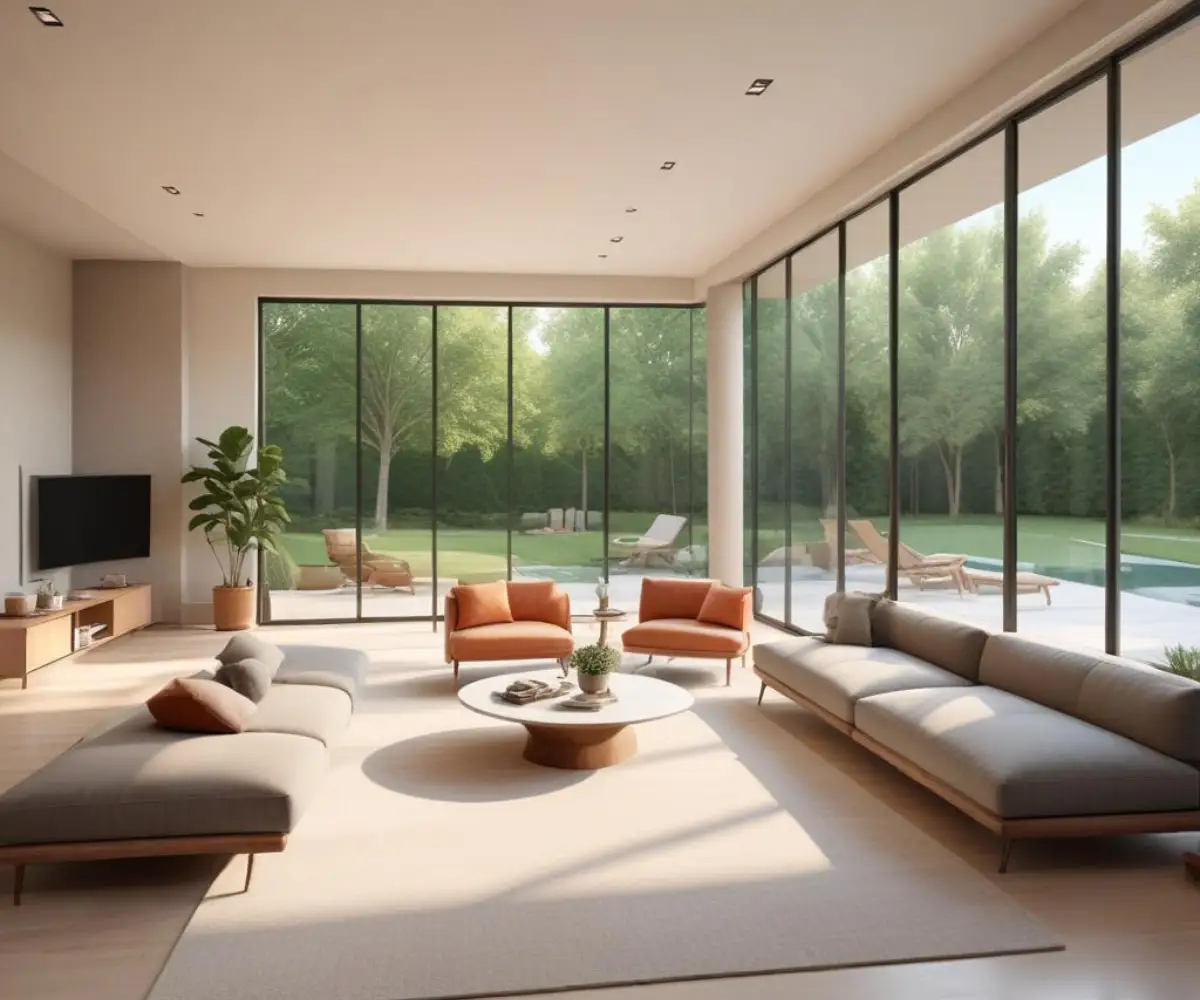
Factor 3: The Nuances of Installation
Installation is not a place to cut corners, as improper fitting can lead to leaks, drafts, and operational failures. Labor costs can range from $40 to $150 per hour per installer, and a large system may require a team of specialists. The complexity of the job is a major variable.
Replacing an existing door or window is far simpler than creating a new opening in a load-bearing wall. The latter requires significant structural work, including the installation of a new, larger header to support the weight above the opening. Site accessibility also matters; a difficult-to-reach installation site may require specialized equipment, adding to the labor bill.
| System Type | Average Size (Width x Height) | Estimated Material Cost Range | Estimated Installation Cost Range | Total Estimated Cost |
|---|---|---|---|---|
| Fixed Glass Wall | 10′ x 8′ | $3,000 – $7,000 | $1,500 – $4,000 | $4,500 – $11,000 |
| Sliding Glass Wall | 12′ x 8′ | $7,000 – $14,000 | $2,500 – $6,000 | $9,500 – $20,000 |
| Bi-Fold Glass Wall | 12′ x 8′ | $8,500 – $16,000 | $3,000 – $7,000 | $11,500 – $23,000 |
| Retractable/Pocketing Wall | 12′ x 8′ | $12,000 – $22,000 | $4,000 – $9,000 | $16,000 – $31,000 |
Beyond the Sticker Price: Hidden Costs to Budget For
A comprehensive budget must account for more than just materials and basic installation. Several additional expenses are often required to complete the project correctly and legally, and overlooking them can lead to significant cost overruns.
For any project involving a load-bearing wall, a structural engineer must be consulted. Their job is to calculate the load requirements and specify the correct header size and support structure to ensure your home’s integrity. This is a non-negotiable step for safety and code compliance.
Permits, Preparation, and Finishing Touches
Major structural changes almost always require a building permit from your local municipality, with fees ranging from a few hundred to over a thousand dollars. The project also involves preparatory work, such as the demolition of the existing wall and potential rerouting of electrical or plumbing lines. This work is messy and incurs its own costs.
After the glass wall is installed, the work isn’t finished. The surrounding drywall will need to be repaired, taped, and painted. New trim work is often necessary to frame the opening beautifully. Perfecting these details, such as learning the proper technique for caulking dark wood trim, ensures a professional and seamless result that integrates the new feature into your home’s aesthetic.
Are Glass Walls a Good Investment? A Cost vs. Value Analysis
Moving beyond the initial expense, it’s crucial to evaluate the long-term value a glass wall system adds to your home. This type of upgrade is highly sought after and can significantly boost your property’s resale value. It creates a “wow” factor that can make your home stand out in a competitive market.
The return on investment isn’t purely financial. High-performance glass with modern coatings can be incredibly energy-efficient, potentially lowering your heating and cooling costs. The intangible benefits to your quality of life—increased natural light, an enhanced sense of space, and a constant connection to your garden or view—are invaluable and can transform how you feel about your home.
How to Get an Accurate Quote and Avoid Costly Mistakes
The key to a successful project is meticulous planning and due diligence. Never rely on a single quote. It is essential to contact at least three certified, reputable installers to get a comprehensive sense of the market and the scope of work involved.
Before you call, have a clear vision of what you want. Know the approximate dimensions of the opening and the type of system you prefer. When reviewing quotes, ensure they are itemized and clearly state what is included—demolition, structural work, installation, finishing, and debris removal. Ask about warranties on both the product and the labor to protect your investment.
When planning the room’s new layout, think about how the glass wall will affect the placement of furniture and appliances. For instance, you must consider the entire flow of the space, including the location of items like a refrigerator next to a wall, to ensure the new opening enhances rather than complicates the room’s functionality. The quality of the product is also paramount; researching trusted brands, much like you would for B. Jorgsen & Co. cabinetry, helps you understand what constitutes a durable, high-performance system.
Cost-Effective Alternatives to Full Glass Wall Systems
If a fully retractable moving glass wall system is outside the budget, there are several excellent alternatives that can still achieve a similar aesthetic of light and openness. These options can provide a beautiful connection to the outdoors at a fraction of the cost.
High-End Sliding or French Doors: A high-quality, oversized sliding or French door can create a large, beautiful opening. Modern designs offer slim profiles and large glass panes that maximize views and light.
Window Walls: A series of large, fixed windows installed together can create a “wall of glass” effect. While they don’t open, they provide the same expansive view and flood of natural light as more expensive systems.
Conclusion: Is the Cost of Skye Walls Justified for Your Home?
Ultimately, the decision to invest in a Skye Wall or a similar glass wall system is a balance of budget, aesthetics, and lifestyle goals. The cost is significant, but the value it adds—both in terms of property value and daily enjoyment—can be immense. By thoroughly understanding the cost factors, planning for hidden expenses, and exploring all your options, you can make an informed choice.
A glass wall is more than a home improvement project; it is an investment in a new way of living. It’s about dissolving boundaries and creating a home that feels more open, more connected, and more inspiring every single day.
